
Common Pests and Diseases That Affect Boysenberry Plants
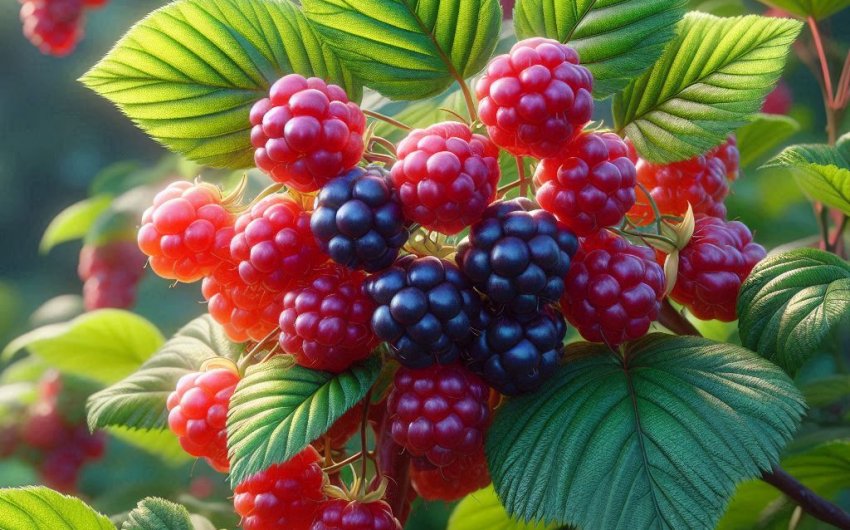
Boysenberry plants can be affected by a range of common pests and diseases that impact their health and fruit production. Identifying these issues early and implementing integrated pest management (IPM) strategies are crucial for maintaining healthy plants and a bountiful harvest.
What Are the Most Common Pests Affecting Boysenberry Plants?
Several insect pests can target boysenberry plants, causing damage to foliage, stems, and fruit. Early detection and appropriate intervention are key to minimizing their impact.
Aphids: Tiny Sap-Suckers
Aphids are small, soft-bodied insects, often green, black, red, or yellow, that cluster on new growth, the undersides of leaves, and flower buds.
- Symptoms:
- Curled or distorted leaves: As they feed, aphids suck sap, causing leaves to curl, yellow, and stunt growth.
- Sticky residue (honeydew): Aphids excrete a sticky substance called honeydew, which can cover leaves and fruit.
- Sooty mold: Honeydew often leads to the growth of black sooty mold, further impeding photosynthesis.
- Ants: Ants are often present, "farming" aphids for their honeydew.
- Damage: While a few aphids might not cause significant harm, large infestations can weaken the plant, reduce fruit size, and transmit plant viruses.
- Management:
- Strong water spray: A forceful stream of water can dislodge aphids.
- Beneficial insects: Encourage natural predators like ladybugs, lacewings, and hoverflies. You can even buy Live Ladybugs to release in your garden.
- Insecticidal soap: Apply insecticidal soap or neem oil directly to affected areas, ensuring complete coverage of the aphids. Repeat as necessary.
Raspberry Crown Borer: Stem Damage
The raspberry crown borer (Pennisetia marginata) is a significant pest that can cause serious damage to boysenberry canes. Despite its name, it affects many cane berries.
- Symptoms:
- Wilting canes: Canes may suddenly wilt and die back, especially in late spring or summer.
- Stunted growth: New shoots might be weak and spindly.
- Swollen bases: Swelling or galls at the base of the cane, near the soil line.
- Sawdust-like frass: Small piles of frass (borer droppings) might be visible around the crown.
- Life Cycle: Adult clearwing moths lay eggs on the undersides of leaves. Larvae hatch and bore into the cane, eventually tunneling down to the crown and roots, overwintering there.
- Damage: Larval tunneling weakens the cane, disrupting water and nutrient flow, leading to wilting, dieback, and reduced fruit production.
- Management:
- Sanitation: Remove and destroy infested canes immediately by pruning them back to the ground. Burn or dispose of them away from the garden.
- Physical removal: If you spot entry holes, you might be able to physically remove larvae with a wire.
- Beneficial nematodes: Some gardeners use beneficial nematodes applied to the soil in spring or fall to target borers. A Beneficial Nematodes for Grubs can also target borers.
- Timing: Adults emerge in late summer/early fall. Monitoring during this period can help identify potential infestations.
Japanese Beetles: Skeletonized Leaves
Japanese beetles (Popillia japonica) are a destructive pest known for their voracious appetite, skeletonizing leaves.
- Symptoms:
- Skeletonized leaves: Beetles chew through the leaf tissue between the veins, leaving a lacy, skeletonized appearance.
- Flower damage: They can also feed on flowers and ripening fruit.
- Damage: While typically not lethal to the plant, severe defoliation can weaken the plant, reduce fruit yield, and stress the boysenberry plant.
- Management:
- Hand-picking: For small infestations, hand-pick beetles in the early morning (when they're sluggish) and drop them into a bucket of soapy water.
- Traps (use with caution): Japanese beetle traps can attract more beetles than they catch, potentially drawing them from neighboring areas to your garden. Use them far away from your plants, if at all.
- Row covers: Physically exclude beetles with floating row covers during their peak activity.
- Neem oil: Can act as a deterrent and antifeedant.
Spider Mites: Tiny Weavers
Spider mites are tiny arachnids that are difficult to see with the naked eye. They thrive in hot, dry conditions.
- Symptoms:
- Stippling: Tiny yellow or white speckles on leaves.
- Fine webbing: Silken webs, often on the undersides of leaves or between stems.
- Bronze or rusty leaves: Severely infested leaves may turn bronze or rusty, then drop prematurely.
- Damage: They suck sap from leaves, reducing photosynthesis and weakening the plant.
- Management:
- Strong water spray: Blast plants, especially the undersides of leaves, with a strong stream of water.
- Increase humidity: Mites dislike high humidity, so regular misting can help deter them.
- Insecticidal soap/Neem oil: Apply thoroughly, especially to the undersides of leaves, repeating every 5-7 days for several applications.
- Predatory mites: Introduce predatory mites (e.g., Phytoseiulus persimilis).
What Are the Common Fungal Diseases Affecting Boysenberry Plants?
Fungal diseases are often the most prevalent problems for boysenberry plants, especially in humid conditions. Good air circulation and sanitation are crucial for prevention.
Anthracnose: Sunken Spots on Canes and Leaves
Anthracnose is a common fungal disease (Elsinoë veneta) affecting brambles.
- Symptoms:
- Canes: Small, purplish, sunken spots on new canes. These spots enlarge, become grayish with purple margins, and crack. Severe infection can girdle and kill canes.
- Leaves: Small, dark spots with light centers, often coalescing.
- Fruit: Small, brown, shriveled spots on berries, leading to dry, cracked fruit.
- Conditions: Favored by cool, wet weather and poor air circulation.
- Damage: Weakens canes, reduces fruit quality and yield.
- Management:
- Pruning: Remove and destroy infected canes. Prune out old fruiting canes promptly after harvest.
- Air circulation: Thin out canes and ensure proper plant spacing to improve airflow.
- Sanitation: Remove all plant debris.
- Fungicides: Apply a copper-based fungicide or lime sulfur in late winter/early spring before buds break, and possibly after harvest.
Botrytis Fruit Rot (Gray Mold): Fuzzy Berries
Botrytis fruit rot (Botrytis cinerea), also known as gray mold, is a common post-harvest disease but can also affect ripening fruit in the field.
- Symptoms:
- Flowers: Brownish discoloration on blossoms, which may fail to develop fruit.
- Fruit: Soft, watery spots on ripening berries, rapidly developing a fuzzy, grayish-brown mold. Berries can shrivel and become mummified.
- Conditions: High humidity, wet conditions, cool temperatures (60-70°F or 15-21°C), and poor air circulation. Often enters through wounds or senescent tissues.
- Damage: Rots fruit, making it inedible and spreading quickly to adjacent berries.
- Management:
- Air circulation: Prune canes for good airflow.
- Weed control: Keep the area weed-free.
- Watering: Water at the base of plants; avoid overhead irrigation, especially as fruit ripens.
- Harvesting: Harvest berries promptly and discard any rotten ones immediately.
- Sanitation: Remove all decaying plant material.
- Fungicides: In severe cases, specific fungicides for berry crops may be applied, especially during flowering.
Powdery Mildew: White Coating on Leaves
Powdery mildew is a common sight on many plants, including boysenberries.
- Symptoms:
- White, powdery patches appear on the upper and lower surfaces of leaves, young stems, and sometimes fruit.
- Infected leaves may curl, distort, and turn yellow.
- Conditions: Favored by high humidity, poor air circulation, and moderate temperatures (often between 60-80°F or 15-27°C).
- Damage: Reduces photosynthesis, weakens the plant, and can impact fruit quality.
- Management:
- Air circulation: Ensure proper plant spacing and prune for airflow.
- Watering: Water at the base of plants.
- Resistant varieties: Choose powdery mildew resistant boysenberry varieties if available.
- Fungicides: Apply sulfur-based fungicides (avoid if temperatures are above 85°F or 29°C), neem oil, or potassium bicarbonate solutions. A Garden Sulfur Fungicide is effective.
Cane Blight: Wilting and Dieback of Canes
Cane blight (Leptosphaeria coniothyrium) often attacks canes through wounds.
- Symptoms:
- Wilting and dieback: Canes suddenly wilt and die back, often from the tip downwards.
- Lesions: Dark, purplish-brown lesions appear around wounds (e.g., pruning cuts) and spread rapidly.
- Spores: Black dots (fungal spores) may be visible within the lesions.
- Conditions: High humidity and wet conditions, especially after pruning or injury.
- Damage: Kills canes, leading to significant yield loss.
- Management:
- Pruning hygiene: Always prune with clean, sharp tools. Disinfect tools between cuts or plants with rubbing alcohol or a bleach solution.
- Timing: Avoid pruning during wet weather.
- Remove infected canes: Prune out infected canes well below the visible lesion, back to healthy wood, and destroy them.
- Air circulation: Maintain good airflow to promote rapid drying of canes.
What Are Other Less Common but Serious Boysenberry Diseases?
While less common than fungal issues, some other diseases can seriously impact boysenberry plants.
Crown Gall: Tumors on Roots and Crowns
Crown gall (Agrobacterium tumefaciens) is a bacterial disease.
- Symptoms:
- Galls/tumors: Irregular, tumor-like growths (galls) form on the roots, crown (base of the plant), or lower stems. These can range from pea-sized to several inches across.
- Stunted growth: Infected plants may appear stunted, yellow, or have reduced vigor.
- Reduced yield: Fruit production can be severely impacted.
- Conditions: The bacterium lives in the soil and enters the plant through wounds.
- Damage: Galls disrupt the flow of water and nutrients, severely weakening or eventually killing the plant.
- Management:
- Buy certified plants: Always purchase certified disease-free boysenberry plants from reputable nurseries.
- Avoid injury: Be careful during planting and cultivation to avoid wounding roots or crowns.
- Sanitation: Do not plant new brambles in soil where infected plants have grown. Sterilize tools after working with infected plants.
- No chemical cure: There is no effective chemical treatment once crown gall is established. Remove and destroy severely infected plants.
Verticillium Wilt: Sudden Wilting and Dieback
Verticillium wilt (Verticillium albo-atrum and V. dahliae) is a soil-borne fungal disease.
- Symptoms:
- Sudden wilting: Canes may suddenly wilt, often on one side of the plant or in patches.
- Yellowing/browning leaves: Leaves turn yellow, then brown, and may drop prematurely.
- Vascular discoloration: If you cut open an infected cane, you may see brown streaks in the vascular tissue (though this can be subtle).
- Dieback: Canes eventually die.
- Conditions: The fungus lives in the soil for many years and is particularly problematic in heavy, poorly drained soils.
- Damage: Blocks the plant's water-conducting tissues, leading to wilting and eventual death.
- Management:
- Resistant varieties: Choose Verticillium wilt-resistant boysenberry varieties if available.
- Crop rotation: Avoid planting boysenberries in soil where susceptible crops (like tomatoes, potatoes, or strawberries) have grown recently.
- Soil improvement: Improve soil drainage and avoid overwatering.
- Sanitation: Remove and destroy infected plants immediately. Do not compost them.
- No chemical cure: No effective chemical treatments for established infections.
What Are the Best Practices for Preventing Pests and Diseases in Boysenberries?
Prevention is always easier than cure when it comes to pests and diseases on boysenberry plants. A proactive approach will keep your plants healthy and productive.
Site Selection and Soil Preparation: A Strong Start
A good beginning ensures a robust plant.
- Full Sun: Boysenberry plants need full sun (at least 6-8 hours daily) to thrive. Healthy plants are more resistant to pests and diseases.
- Well-Draining Soil: Ensure your soil drains well. Amend heavy clay soils with organic matter like compost to improve drainage and aeration, preventing root rot and fungal issues. A soil test can determine pH and nutrient levels, allowing for necessary adjustments.
- Air Circulation: Choose a site that allows for good air movement around the plants. Avoid planting in low, damp spots.
Proper Planting and Spacing: Room to Grow
Give your plants the space they need.
- Certified Disease-Free Plants: Always buy certified disease-free boysenberry plants from a reputable nursery. This is your best defense against introducing diseases like crown gall or viruses.
- Correct Spacing: Follow recommended spacing for your boysenberry variety. Overcrowding reduces air circulation, creating a humid microclimate ideal for fungi. For trailing boysenberries, allow at least 5-8 feet (1.5-2.4 meters) between plants in a row.
- Support Systems: Install trellises or wires for trailing varieties to keep canes off the ground, improving air circulation and preventing fruit from touching moist soil. A Berry Plant Trellis System is essential.
Watering Wisely: Keep Foliage Dry
Your watering habits significantly impact disease prevention.
- Water the Base: Water the soil directly at the base of the plant using a drip irrigation system or soaker hose. Avoid overhead watering, which wets foliage and creates ideal conditions for fungal spores to germinate.
- Morning Water: If overhead watering is unavoidable, do it in the morning so the leaves have ample time to dry before evening.
- Consistent Moisture: Provide consistent, deep watering, especially during dry spells and fruit development. Stressed plants are more susceptible to pests and diseases.
Pruning and Sanitation: Essential Maintenance
Regular pruning and rigorous cleaning are non-negotiable for boysenberry health.
- Annual Pruning: Boysenberries typically fruit on floricanes (second-year canes). Prune out all spent floricanes immediately after harvest. Thin out primocanes (first-year canes) to improve air circulation and sunlight penetration.
- Remove Dead/Diseased Canes: Promptly prune out and destroy any dead, damaged, or diseased canes, cutting back to healthy wood. Do not compost diseased material.
- Clean Tools: Always use clean, sharp pruning tools. Disinfect your pruners with rubbing alcohol or a bleach solution between plants or after cutting diseased material to prevent disease spread. A Bypass Pruning Shears are perfect for the job.
- Clear Debris: Keep the area around your boysenberry plants free of weeds, fallen leaves, and other plant debris, which can harbor pests and disease spores.
Integrated Pest Management (IPM): A Holistic Approach
IPM combines various strategies for effective, sustainable pest and disease control.
- Monitoring: Regularly inspect your plants for any signs of pests or diseases. Early detection allows for easier, less impactful intervention.
- Beneficial Insects: Encourage natural predators (e.g., ladybugs, lacewings) by planting diverse flowers and avoiding broad-spectrum pesticides.
- Physical Barriers: Use row covers to exclude certain pests during vulnerable periods.
- Organic Sprays: For significant infestations, use targeted organic sprays like insecticidal soap or neem oil, ensuring thorough coverage.
- Fungicides (Targeted Use): Apply fungicides only when necessary and according to label instructions. Consider using less toxic options like copper-based fungicides or sulfur for fungal prevention in certain seasons.
By understanding the common pests and diseases that affect boysenberry plants and consistently applying these preventative measures, you can cultivate a healthy, thriving berry patch that yields abundant, delicious fruit for years to come.