
Common Pests and Diseases That Affect Elderberry Plants
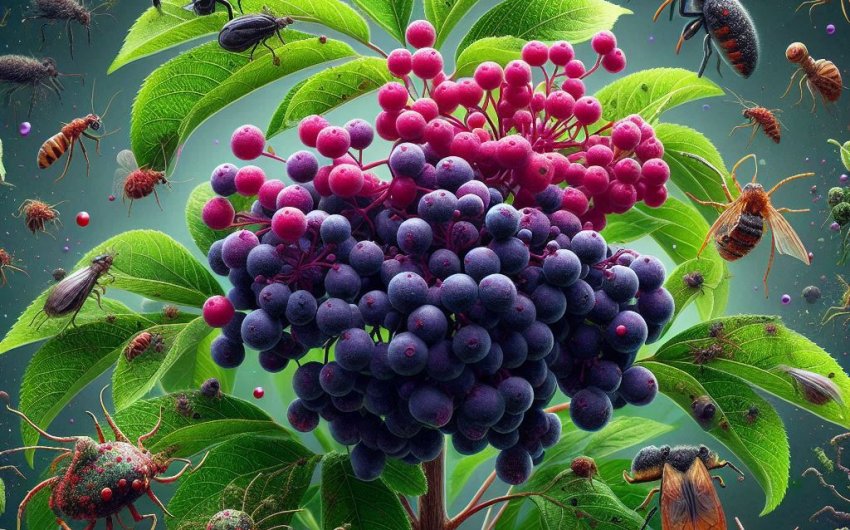
Elderberry plants (Sambucus spp.) are increasingly popular due to their decorative appeal and their edible, medicinal berries. While relatively hardy, elderberries are susceptible to a variety of pests and diseases that can hamper their growth and fruit production. For gardeners looking to maximize their elderberry yields or keep their plants in the best shape, it is essential to understand the potential problems they might face.
In this comprehensive guide, we’ll explore the most common pests and diseases that can affect elderberry plants, along with effective strategies for management.
1. Elderberry Aphids
One of the most common pests affecting elderberries is aphids. These tiny, soft-bodied insects gather in large colonies on the undersides of leaves and the stems, feeding on the sap of the plant. As they suck out the nutrients, they weaken the plant, stunting its growth and reducing fruit production.
Symptoms of Aphid Infestation:
- Curled or distorted leaves
- Sticky residue (honeydew) on leaves, which can attract ants and cause sooty mold
- Stunted growth and a general lack of vigor
Aphids can also transmit plant viruses, exacerbating the problem further. Regular inspection of elderberry plants, especially during the growing season, is crucial for early detection.
How to Manage Aphids:
Encouraging beneficial insects, such as ladybugs and lacewings, is an effective organic method for keeping aphid populations under control. Alternatively, insecticidal soap or neem oil can be applied to remove aphids when infestations become severe.
2. Elderberry Borers
The elderberry borer (Desmocerus palliatus), a striking black and yellow beetle, is one of the more notorious pests that attack elderberry plants. The larvae of this beetle bore into the stems and can cause extensive damage by disrupting the plant’s vascular system, leading to wilting and even death of entire canes.
Symptoms of Elderberry Borer Infestation:
- Sudden wilting or dieback of individual canes
- Small entry holes near the base of the stems
- Yellowing and premature leaf drop
The adult beetles are typically seen during the summer months and can be identified by their distinct coloration. Damage caused by the larvae can be extensive, as they feed on the inner tissues of the plant, eventually girdling the stem.
How to Manage Elderberry Borers:
Remove and destroy any infested canes by pruning them below the entry holes. It’s essential to regularly inspect the plant for signs of borer activity and to use pruning shears that are properly sanitized to prevent the spread of disease. Using natural predators or applying insecticides can also help control the adult beetle population.
3. Japanese Beetles
Japanese beetles (Popillia japonica) are a widespread pest that affects a wide variety of plants, including elderberries. These beetles feed on the leaves, flowers, and fruit of the plant, leaving behind skeletonized foliage. While a single beetle may not cause much harm, their habit of feeding in large groups can devastate a plant in a short amount of time.
Symptoms of Japanese Beetle Infestation:
- Skeletonized leaves, with only the veins remaining
- Presence of shiny, metallic-green beetles on leaves and flowers
- Damaged or scarred fruit
The beetles feed primarily during the daytime, so infestations can be easily spotted. They prefer warm, sunny locations, and their feeding can severely reduce the photosynthetic capability of the plant.
How to Manage Japanese Beetles:
Handpicking beetles early in the morning when they are sluggish is an effective strategy. You can also place beetle traps around your garden to reduce their numbers. Applying insecticidal sprays labeled for Japanese beetles can help curb severe infestations.
4. Powdery Mildew on Elderberries
Powdery mildew is a fungal disease that affects a variety of plants, including elderberries. The fungus thrives in warm, dry conditions and leaves a characteristic white, powdery coating on the leaves and stems.
Symptoms of Powdery Mildew:
- White or gray powdery spots on the leaves and stems
- Distorted, curled leaves
- Premature leaf drop
While powdery mildew is not typically fatal, it can weaken the plant, reducing its overall vigor and affecting the quality of the fruit.
How to Manage Powdery Mildew:
Improving air circulation around the plant by pruning can help prevent mildew from taking hold. Spraying the plant with fungicidal treatments, especially those containing sulfur or potassium bicarbonate, can prevent and manage powdery mildew outbreaks.
5. Verticillium Wilt
Verticillium wilt is a serious fungal disease caused by Verticillium dahliae and V. albo-atrum. It affects the vascular system of the plant, preventing water and nutrients from moving efficiently. Elderberries, particularly when stressed, can be vulnerable to this devastating disease.
Symptoms of Verticillium Wilt:
- Wilting of leaves, starting from the lower branches and moving upward
- Yellowing and browning of leaves
- Dark streaks in the wood under the bark
Verticillium wilt can kill an elderberry plant within a few growing seasons if not managed properly.
How to Manage Verticillium Wilt:
Since there is no cure for verticillium wilt, prevention is key. Ensure your elderberry plants are planted in well-drained soil and avoid stressing the plant by over-watering or poor pruning practices. Infected plants should be removed and destroyed, and the area should be left fallow for a few years before replanting.
For raised beds that promote good drainage, consider using well-draining soil to protect your plants.
6. Cane Borers
Cane borers are another significant pest that affects elderberry plants. Similar to elderberry borers, these pests lay their eggs in the stems, and the larvae burrow into the canes, disrupting the plant’s nutrient transport system.
Symptoms of Cane Borer Infestation:
- Wilting of the tips of canes
- Small, dark entry holes in the stems
- Cane dieback, starting from the top down
Cane borers can cause severe damage to elderberry plants, especially when left unchecked, and they often target already stressed plants.
How to Manage Cane Borers:
Pruning and removing infested canes is the most effective way to control cane borers. Regular inspection of your elderberry plants during the growing season can help identify problems early. Using pruning saws or shears to cut below the entry holes can prevent the larvae from maturing into adult beetles.
7. Elderberry Rust
Rust is a fungal disease that affects elderberries, particularly during humid conditions. The disease causes orange or rust-colored spots to form on the underside of the leaves, leading to premature leaf drop and a reduction in fruit quality.
Symptoms of Rust Infection:
- Small, orange or rust-colored pustules on the undersides of leaves
- Yellowing and browning of leaves
- Early leaf drop
Rust can weaken elderberry plants, especially if the infection occurs over multiple growing seasons, as defoliation reduces the plant's ability to photosynthesize.
How to Manage Rust:
Applying fungicides at the first signs of infection can help control the spread of rust. Keeping the area around the plants free of debris and ensuring good air circulation can also reduce the likelihood of infection.
8. Spider Mites
Spider mites are tiny arachnids that feed on the sap of elderberry plants, causing leaf damage and reducing the plant's overall vigor. These pests thrive in hot, dry conditions and can be difficult to spot due to their small size.
Symptoms of Spider Mite Infestation:
- Yellow or bronze discoloration of leaves
- Fine webbing on the undersides of leaves
- Premature leaf drop and overall decline in plant health
Spider mites can cause extensive damage if left untreated, as they reproduce quickly and feed in large numbers.
How to Manage Spider Mites:
Spraying elderberry plants with a strong jet of water can help dislodge spider mites. For larger infestations, miticides or horticultural oils may be necessary. Introducing natural predators like ladybugs can also help control the population naturally.
9. Elderberry Sawfly
The elderberry sawfly (Caliroa sambuci) is a pest whose larvae feed on the leaves of elderberry plants, skeletonizing the foliage and reducing the plant's photosynthetic ability. While a minor pest compared to others, severe infestations can weaken the plant over time.
Symptoms of Elderberry Sawfly Infestation:
- Skeletonized leaves, where only the veins remain
- Larvae visible on the undersides of leaves
- Overall weakening of the plant if infestations are severe
While elderberry sawfly larvae typically don't kill the plant, their feeding can weaken it, especially when combined with other stressors.
How to Manage Elderberry Sawfly:
Handpicking the larvae off the plant is effective for smaller infestations. For larger infestations, applying insecticidal sprays can help reduce the sawfly population and protect your elderberry plants.
10. Sooty Mold
Sooty mold is not a disease caused by a pathogen but rather a fungal growth that appears on the honeydew excreted by pests such as aphids, scale insects, and whiteflies. The black, soot-like fungus covers the leaves, reducing the plant's ability to photosynthesize.
Symptoms of Sooty Mold:
- Black, powdery coating on leaves and stems
- Sticky honeydew residue on leaves
- General decline in plant health due to reduced photosynthesis
While sooty mold itself does not harm the plant directly, it is a sign that your elderberry plant is infested with sap-sucking insects.
How to Manage Sooty Mold:
Controlling the pests that produce honeydew is the best way to prevent sooty mold. Using horticultural oil or insecticidal soap can help reduce aphids and other pests, preventing the conditions that lead to sooty mold growth. You can also wash the mold off the leaves with a mild soapy solution to restore the plant's appearance.
Elderberry plants offer a wealth of benefits, including their use as a natural remedy. For a deeper dive into the benefits and uses of elderberries, check out our guide on elderberry as a natural elixir. With the right care, elderberries can thrive despite the challenges posed by pests and diseases.
To browse effective pest control tools, discover various insecticidal solutions that will help keep your elderberry plants healthy and productive all season long.