
Common Pests and Diseases That Affect Mulberry Trees
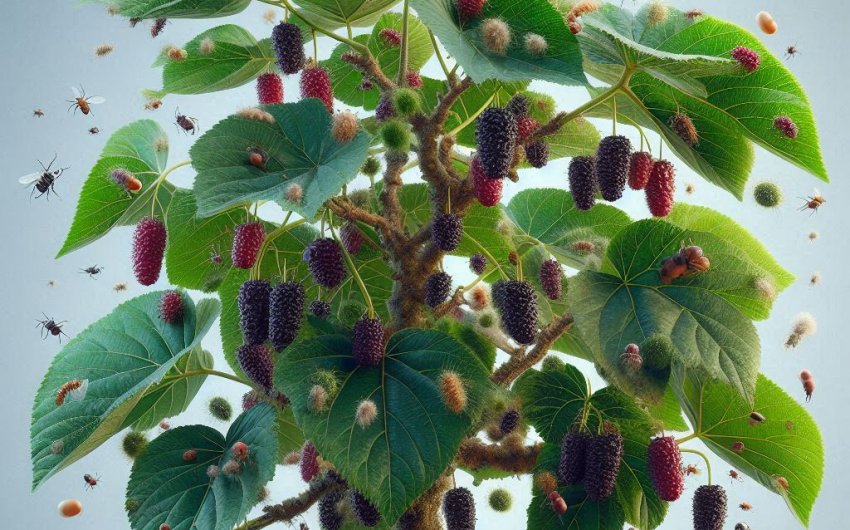
Mulberry trees are generally robust and low-maintenance, but they can be affected by a range of common pests and diseases that impact their health, foliage, and fruit production. The most frequent issues include various leaf spots, powdery mildew, cankers, and opportunistic insects like scale and mealybugs.
What Are the Most Common Fungal Diseases Affecting Mulberry Trees?
Fungal diseases are a primary concern for mulberry trees, particularly in humid or wet conditions. They often manifest as spots on leaves, affecting the tree's photosynthetic ability and sometimes leading to defoliation or impacting fruit quality.
1. Leaf Spot (Various Fungi, e.g., Cercospora moricola, Mycosphaerella mori)
- Description: A widespread fungal disease causing spots on mulberry leaves. Different fungal species can cause similar symptoms.
- Symptoms:
- Leaves: Small, circular to irregular spots appear on the upper surface of leaves. These spots can be brown, black, or reddish-brown, sometimes with a yellow halo around them.
- Progression: As the disease progresses, spots may enlarge and merge, eventually causing the affected leaves to yellow and drop prematurely. Severe infections can lead to significant defoliation, weakening the tree.
- Impact: While rarely fatal for mature trees, repeated defoliation can weaken young trees, reduce vigor, and impact fruit production.
- Conditions Favored: High humidity, prolonged periods of leaf wetness (from rain or overhead irrigation), and warm temperatures.
- Prevention & Treatment:
- Sanitation: Rake up and destroy (do not compost) all fallen, infected leaves in the fall. This removes overwintering spores.
- Air Circulation: Prune trees to maintain an open canopy, improving air circulation around leaves and allowing them to dry faster.
- Watering: Water at the base of the tree, avoiding overhead irrigation that wets the foliage.
- Resistant Varieties: Some mulberry species or cultivars may show more resistance than others. Morus rubra tends to be more susceptible to certain leaf spots than Morus alba.
- Fungicides: In severe cases, especially on young trees or highly valued specimens, approved fungicides can be applied. Follow product instructions carefully. A general purpose option might be Garden Fungicide Spray.
2. Powdery Mildew (Phyllactinia moricola or other Erysiphe spp.)
- Description: A common fungal disease affecting many plants, characterized by a white, powdery coating on leaf surfaces.
- Symptoms:
- Leaves: White to grayish, powdery patches appear on the upper and sometimes lower surfaces of leaves, especially on new growth.
- Progression: Infected leaves may become distorted, curled, yellow, and eventually drop prematurely.
- Impact: Can reduce photosynthesis, weakening the tree and potentially affecting fruit quality if severe.
- Conditions Favored: High humidity (especially at night), mild to warm temperatures (60-80°F / 15-27°C), and lack of direct sunlight on affected parts (e.g., dense canopy).
- Prevention & Treatment:
- Air Circulation: Prune trees to improve air circulation within the canopy.
- Watering: Water deeply in the morning, avoiding overhead watering if possible.
- Sunlight: Ensure the tree receives adequate sunlight.
- Fungicides: Apply wettable sulfur, neem oil, or other approved fungicides at the first sign of infection. Garden Sulfur Dust is effective. Repeat applications may be necessary.
3. Cankers and Dieback (Various Fungi, e.g., Botryosphaeria spp., Cytospora spp.)
- Description: Fungal pathogens that infect the bark and wood, causing sunken, discolored lesions (cankers) and leading to branch dieback.
- Symptoms:
- Branches/Trunk: Sunken, often elongated, discolored areas on bark. Bark may crack, peel, or become water-soaked.
- Dieback: Twigs and branches beyond the canker will wilt, turn brown, and die. Leaves on affected branches may yellow and drop.
- Gummosis: Some cankers may cause the tree to exude sap or gum.
- Conditions Favored: Stressed trees (drought, improper pruning, nutrient deficiency), physical injury (wounds from mowers, pruning cuts), and often wet conditions.
- Prevention & Treatment:
- Maintain Tree Health: Ensure proper cultural care (watering, fertilization, soil health) to keep the tree vigorous and resistant to stress.
- Avoid Wounding: Protect the trunk from mechanical damage (lawnmowers, string trimmers).
- Proper Pruning: Make clean pruning cuts. Prune during dry weather to minimize infection risk. Sterilize pruning tools between cuts, especially if you suspect disease.
- Remove Affected Parts: Prune out infected branches well below the canker into healthy wood. Dispose of diseased wood.
- No Chemical Cure: Fungicides are generally not effective for established cankers. Focus on prevention and surgical removal.
These fungal diseases, while often not fatal for established mulberry trees, can impact their vigor, appearance, and fruit production. Proactive care and sanitation are the best defenses.
What Are the Most Common Insect Pests Affecting Mulberry Trees?
Mulberry trees are generally quite resistant to serious insect infestations, but a few common pests can sometimes cause noticeable damage to their leaves, shoots, or fruit. Regular monitoring can help you catch these issues early.
1. Scale Insects (Various species, e.g., White Prunicola Scale)
- Description: Small, sap-sucking insects that attach themselves to stems, branches, and sometimes leaves. They are covered by a waxy, shell-like coating, making them look like raised bumps.
- Symptoms: Yellowing and wilting of leaves, stunted new growth, branch dieback in severe infestations. Sticky honeydew (a sugary excretion) on leaves and surfaces below, which often leads to the growth of sooty mold (a black, powdery fungus that blocks sunlight).
- Conditions Favored: Dense canopy, lack of natural predators.
- Prevention & Treatment:
- Pruning: Prune out heavily infested branches. Prune to open up the canopy for better air circulation and light penetration.
- Manual Removal: For small infestations, carefully scrape off scales with a soft brush, fingernail, or cotton swab dipped in rubbing alcohol.
- Horticultural Oil: Apply Horticultural Oil Spray (like dormant oil in late winter or summer oil during growing season) to smother scales. Ensure complete coverage. Repeat applications needed, as oil is most effective against the mobile "crawler" stage.
- Beneficial Insects: Encourage natural predators like ladybugs and parasitic wasps.
2. Mealybugs (Various species)
- Description: Small, soft-bodied, oval insects covered in a white, cottony, waxy coating. They cluster in leaf axils, on young shoots, and on the undersides of leaves, sucking plant sap.
- Symptoms: White, fuzzy masses on stems and leaves. Sticky honeydew leading to sooty mold. Stunted growth, yellowing or distorted new leaves.
- Conditions Favored: Warm, humid, sheltered areas.
- Prevention & Treatment:
- Strong Water Spray: Blast them off with a strong stream of water from a hose.
- Alcohol Swabs: Dab visible mealybugs with a cotton swab dipped in rubbing alcohol (70%).
- Insecticidal Soap/Neem Oil: Apply thoroughly to affected areas. Repeat applications every 5-7 days for several weeks.
- Biological Control: Release beneficial insects like mealybug destroyers (ladybeetles).
3. Spider Mites (Various species)
- Description: Extremely tiny arachnids, often difficult to see without magnification. They feed by sucking sap from plant cells.
- Symptoms: Fine, silken webbing, especially on the undersides of leaves or between leaf axils, in severe cases. Tiny yellow or silvery speckles (stippling) on leaves, which may turn bronze or yellow. Leaves can become dull and drop prematurely.
- Conditions Favored: Hot, dry, and dusty conditions.
- Prevention & Treatment:
- Hose Down: Regularly hose down plants, especially the undersides of leaves, to dislodge mites and increase humidity (which spider mites dislike).
- Horticultural Oil/Neem Oil: Apply thoroughly to suffocate mites.
- Miticides: For severe infestations, a specific miticide may be necessary.
4. Borers (Various species of beetle larvae)
- Description: Larvae of certain beetles that tunnel into the wood of trees. They are often attracted to stressed or wounded trees.
- Symptoms:
- Entry/Exit Holes: Small, often round or oval holes on the bark, sometimes with sawdust-like frass (excrement) around them.
- Branch Dieback: Affected branches may suddenly wilt and die.
- Overall Decline: Weakened branches, reduced vigor.
- Conditions Favored: Stressed trees (drought, disease, improper pruning cuts) are more susceptible.
- Prevention & Treatment:
- Maintain Tree Health: Keep your mulberry tree healthy and vigorous through proper cultural care (watering, fertilization). A healthy tree is more resistant.
- Avoid Wounds: Prevent mechanical injuries to the trunk and branches.
- Pruning: Remove and destroy infested branches.
- Insecticides: Chemical insecticides are generally not recommended for home gardeners for borers and are often only effective against young larvae or adults before they enter the wood. Prevention is key.
While mulberry trees are relatively tough, vigilance and prompt action using organic methods can help manage these common insect pests and keep your tree healthy.
What Are Some Less Common but Potentially Serious Diseases of Mulberry Trees?
Beyond the most common fungal diseases, mulberry trees can sometimes be affected by other, more serious or localized diseases. While less frequently encountered, these can cause significant damage or even tree death if left unaddressed.
1. Bacterial Blight (Pseudomonas syringae pv. mori)
- Description: A bacterial disease that affects young leaves, shoots, and sometimes branches.
- Symptoms:
- Leaves: Small, water-soaked spots appear on young leaves, turning brown or black and often surrounded by a yellow halo. These spots can merge, causing large, irregular necrotic (dead) areas or leaf distortion.
- Shoots: Black streaks or lesions on young stems, leading to shoot dieback, especially on new growth.
- Buds: Infected buds may fail to open or turn black and die.
- Conditions Favored: Cool, wet conditions during spring when new growth is emerging. Wind and rain help spread the bacteria.
- Prevention & Treatment:
- Pruning: Prune out and destroy infected branches and shoots, making cuts into healthy wood. Sterilize pruning tools between cuts.
- Avoid Overhead Watering: Minimize wetting of foliage during cool, wet periods.
- Copper Sprays: Dormant applications of copper-based bactericides can help reduce bacterial populations before new growth emerges. Copper Fungicide can offer some protection.
2. Cotton Root Rot (Phymatotrichopsis omnivora)
- Description: A highly destructive soil-borne fungal disease that attacks the roots of many woody plants, including mulberries, primarily in hot, alkaline soils of the southwestern US.
- Symptoms: Rapid wilting and sudden death of the entire tree, often in summer. Leaves may turn yellow or brown but remain attached for a time. The outer roots will show reddish-brown strands of the fungus if examined.
- Conditions Favored: Hot soils, high pH (alkaline soils), often found in clay-loam soils.
- Prevention & Treatment:
- Avoid Planting: If your area is known for cotton root rot, avoid planting susceptible trees like mulberry.
- No Chemical Control: There is no effective chemical control once a tree is infected.
- Soil Amendments: Improving soil drainage and adding organic matter might theoretically help, but generally, heavily infested areas are problematic for susceptible plants.
3. Poplar and Willow Borers (Cossid Moth Larvae)
- Description: While often associated with poplars and willows, some borers, particularly the larvae of certain moths (like the leopard moth), can also attack mulberry trees, especially stressed or young trees.
- Symptoms: Large, irregular entry/exit holes in the bark, often with sawdust-like frass (excrement) extruding. Branch dieback, overall tree decline, and sometimes structural weakness.
- Conditions Favored: Stressed trees.
- Prevention & Treatment:
- Maintain Tree Vigor: Keep your mulberry tree healthy and well-watered.
- Prevent Wounding: Protect the trunk and branches from mechanical damage.
- Pruning: Remove and destroy infested branches if possible.
- No Home Treatment: Chemical treatments for borers are difficult for homeowners and often involve systemic insecticides or trunk injections, best left to arborists.
4. Verticillium Wilt (Verticillium dahliae)
- Description: A soil-borne fungal disease that enters the roots and clogs the tree's vascular system (xylem), preventing water and nutrient transport.
- Symptoms: Sudden wilting and death of individual branches or sections of the tree, often starting from the bottom up. Leaves may yellow, curl, and drop. Cutting into an affected branch may reveal dark streaks (discoloration) in the wood.
- Conditions Favored: Infected soil, often where susceptible crops (like tomatoes, peppers, cotton, maples) were previously grown.
- Prevention & Treatment:
- Avoid Planting in Infected Soil: Do not plant mulberries (or other susceptible trees) where Verticillium-susceptible crops have been previously grown and shown signs of wilt.
- No Cure: Once a tree is infected, there is generally no cure. Severely affected trees usually need to be removed and destroyed to prevent spread.
These less common diseases highlight the importance of proper site selection, maintaining tree health, and recognizing symptoms early to protect your mulberry trees.
What Are Physiological Disorders Affecting Mulberry Trees?
Beyond pests and pathogens, mulberry trees can experience physiological disorders. These are non-infectious problems caused by environmental stress or nutrient imbalances, not living organisms, but they can still impact the tree's health and appearance.
1. Iron Chlorosis
- Description: A nutrient deficiency where the leaves turn yellow, but the veins remain distinctly green.
- Symptoms: Interveinal yellowing, especially on new growth or younger leaves. In severe cases, entire leaves can turn pale yellow or almost white, leading to stunted growth.
- Cause:
- High Soil pH (Alkaline Soil): The most common cause. In alkaline conditions, iron becomes "locked up" in the soil and is unavailable to the plant, even if physically present.
- Poor Drainage: Waterlogged soil can also interfere with iron uptake.
- Root Damage: Compromised root systems.
- Prevention & Treatment:
- Lower pH: If soil pH is high, gradually lower it by incorporating acidic organic matter like pine bark fines or peat moss. For quicker results (but use sparingly and carefully), elemental sulfur can be added.
- Chelated Iron: Apply a Chelated Iron Supplement to the soil or as a foliar spray. Chelated iron remains available to plants even in higher pH soils.
- Improve Drainage: Ensure good soil drainage.
2. Winter Dieback
- Description: The death of branches or twigs during the winter months.
- Symptoms: Branches fail to leaf out in spring, or parts of branches appear dead and brittle.
- Cause:
- Extreme Cold: Temperatures below the tree's hardiness range.
- Sudden Temperature Fluctuations: Rapid freezing and thawing can damage tissues.
- Lack of Winter Hardening: If the tree experiences a late growth flush (due to late-season fertilization or pruning) and doesn't have time to harden off before cold weather, new growth is highly susceptible.
- Drought Stress in Fall: Insufficient water before the ground freezes can make the tree vulnerable to winter desiccation.
- Prevention & Treatment:
- Choose Hardy Varieties: Select mulberry species or cultivars suited for your USDA hardiness zone. Morus alba and Morus rubra are generally more cold-hardy than Morus nigra.
- Avoid Late Fertilization: Stop fertilizing in late summer/early fall to prevent new tender growth.
- Prune at Correct Time: Avoid heavy pruning in late summer or fall. Prune most mulberries in late winter/early spring.
- Adequate Fall Watering: Ensure the tree is well-watered before the ground freezes, especially for evergreens.
- Mulch: A layer of mulch around the base can help moderate soil temperatures and protect roots.
3. Drought Stress
- Description: The tree experiences physiological stress due to insufficient water.
- Symptoms: Wilting leaves, yellowing, leaf drop, stunted growth, reduced fruit production, and increased susceptibility to pests and diseases (like borers).
- Cause: Prolonged periods without rain, insufficient irrigation.
- Prevention & Treatment:
- Consistent Watering: Provide deep, consistent watering, especially during dry periods and during active growth and fruit development.
- Mulch: Apply a layer of mulch around the base of the tree to conserve soil moisture.
4. Excessive Fruit Drop (Premature)
- Description: An unusually high amount of immature fruit drops from the tree before ripening.
- Symptoms: Abundant small, green or partially developed fruits on the ground.
- Cause: Often a natural thinning mechanism by the tree if it set too much fruit. Can also be due to stress (drought, extreme heat, nutrient deficiency), or lack of pollination.
- Prevention & Treatment:
- Maintain Overall Tree Health: Ensure proper watering, nutrition, and pest/disease management.
- Good Pollination: While most mulberries are self-fertile, a healthy bee population helps.
By understanding and addressing these physiological disorders through proper cultural practices, you can significantly improve the health, vigor, and fruit production of your mulberry trees.
How Can I Prevent Most Mulberry Tree Problems?
Preventing problems in mulberry trees is always more effective than reacting to them. By implementing a comprehensive approach that focuses on good cultural practices, you can significantly reduce the incidence of pests and diseases and ensure a healthy, productive tree.
1. Choose the Right Variety and Site
- Resistant Cultivars: Select mulberry varieties known to be resistant to common diseases in your area, particularly leaf spots and cankers. For example, some Morus alba varieties may be more resistant to certain issues than others.
- Hardiness Zone: Choose a mulberry species or cultivar that is well-suited to your USDA Plant Hardiness Zone to minimize winter injury.
- Optimal Site: Plant your mulberry tree in a location with:
- Full sun: At least 6-8 hours of direct sunlight daily for vigorous growth and fruit production.
- Well-draining soil: Mulberries do not like wet feet. Ensure soil drains well to prevent root issues. Amend heavy clay soils with organic matter.
- Good Air Circulation: Avoid planting in overly sheltered, humid spots. Give the tree enough space to grow.
2. Implement Good Cultural Practices
- Proper Planting: Ensure correct planting depth, wide planting hole, and proper backfill.
- Consistent Watering: Water deeply and regularly, especially for young trees and during dry periods. This helps prevent drought stress, which makes trees more susceptible to borers and other issues.
- Balanced Fertilization: Fertilize during the active growing season (spring and early summer) with a balanced fertilizer or compost. Avoid excessive nitrogen, which can lead to lush, soft growth more attractive to sap-sucking pests. Do not fertilize late in the season to allow the tree to harden off for winter.
- Mulching: Apply a 2-4 inch layer of organic mulch (wood chips, shredded bark, compost) around the base of the tree.
- Benefits: Conserves soil moisture, moderates soil temperature, suppresses weeds (reducing competition for water/nutrients), and slowly adds organic matter.
- Caution: Keep mulch a few inches away from the trunk to prevent moisture buildup and rodent damage.
3. Strategic Pruning
- Purpose: Prune for good tree structure, air circulation, light penetration, and to remove dead or diseased wood.
- Timing:
- Major Pruning: Best done in late winter or early spring while the tree is dormant.
- Maintenance Pruning: Remove dead, damaged, or diseased branches as soon as they are noticed, regardless of the season.
- Technique:
- Clean Cuts: Make clean, sharp cuts with sterilized pruning tools.
- Sterilize Tools: Disinfect your pruning shears or loppers (with rubbing alcohol or a bleach solution) before and after pruning, especially when cutting diseased wood, to prevent spreading pathogens.
- Remove Diseased Wood: Cut well below the visible infection into healthy wood.
- Open Canopy: Prune to create an open canopy that allows good air movement and sunlight penetration, which helps reduce fungal diseases.
4. Sanitation is Key
- Remove Fallen Debris: Promptly rake up and destroy (do not compost) any fallen leaves, twigs, or fruit, especially if they show signs of disease. This removes overwintering fungal spores and insect eggs.
- Clean Up Weeds: Control weeds around the base of the tree, as they can compete for resources and harbor pests.
5. Regular Monitoring
- Frequent Inspection: Make it a habit to regularly inspect your mulberry tree, especially new growth, undersides of leaves, and the bark, for any early signs of pests or diseases. Early detection makes control much easier. A good pair of Garden Binoculars or a Hand Lens can be useful for spotting tiny pests.
6. Integrated Pest Management (IPM) Principles
- Encourage Beneficial Insects: Plant a diverse range of flowering plants nearby to attract natural predators like ladybugs, lacewings, and parasitic wasps that prey on sap-sucking pests.
- Avoid Broad-Spectrum Pesticides: Use targeted organic sprays (like horticultural oil or insecticidal soap) only when necessary, as broad-spectrum chemicals can harm beneficial insects.
By focusing on these preventative measures and nurturing a healthy, resilient tree, you can largely avoid common pests and diseases that affect mulberry trees, allowing you to enjoy bountiful harvests and the beauty of these wonderful garden additions for years to come.