
How Can I Encourage My Papaya Tree to Produce More Fruit?
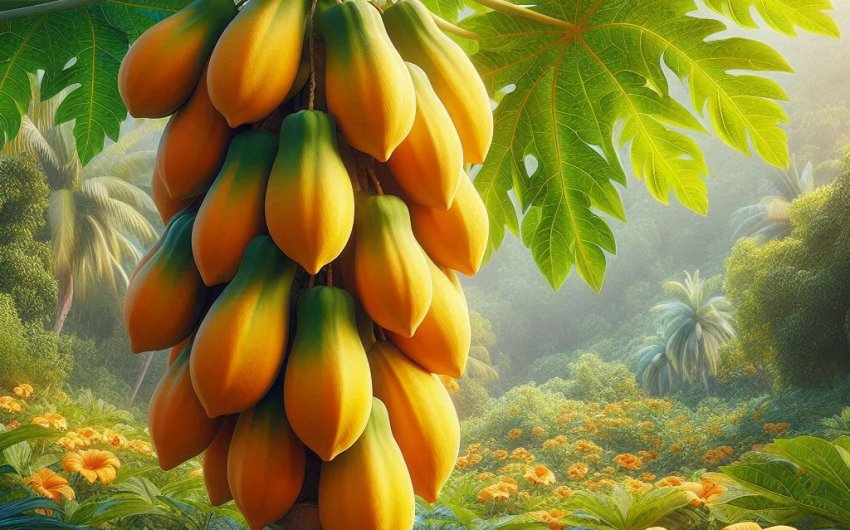
You can encourage your papaya tree to produce more fruit by ensuring optimal growing conditions, proper pollination, and strategic pruning. Addressing the plant's environmental needs and providing consistent care are key to maximizing its fruit-bearing potential.
Why is My Papaya Tree Not Producing Fruit or Enough Fruit?
Before you can encourage your papaya tree to produce more fruit, it's important to understand why it might not be yielding well in the first place. Several factors, from gender to growing conditions, can impact fruit production.
Common Reasons for Low Papaya Fruit Production
- Gender of the Papaya Plant:
- This is the most common and often frustrating reason. Papaya plants can be:
- Female (Pistillate): Produce only female flowers (large, no pollen, single bloom on a short stem). Need pollen from a male or hermaphrodite plant to fruit.
- Male (Staminate): Produce only male flowers (smaller, bell-shaped, on long, drooping stalks, produce pollen). Do not produce fruit themselves.
- Hermaphrodite (Bisexual): Produce flowers with both male and female parts (perfect flowers). Self-pollinating and can produce fruit on their own.
- The Problem: If you only have female plants without a nearby male or hermaphrodite, or if you only have male plants, you won't get fruit. If you planted from seed, the gender is unknown until flowering, often at 6-12 months old.
- Solution: Plant multiple trees (at least 3-5 from seed) to increase the chance of getting a mix. Or, purchase known hermaphrodite varieties or grafted plants.
- This is the most common and often frustrating reason. Papaya plants can be:
- Insufficient Pollination:
- Even if you have the right gender combination, inadequate pollination can limit fruit set.
- Reasons: Lack of wind, too few pollinators (bees, other insects), very humid weather that makes pollen sticky, or heavy rain washing away pollen.
- Environmental Stress:
- Papayas are tropical plants and very sensitive to stress.
- Cold Temperatures: Below 50°F (10°C) for extended periods can stop flowering and fruit production, and even kill the plant.
- Insufficient Sunlight: Papayas need at least 6-8 hours of direct sun daily. Too little sun leads to weak growth and poor fruiting.
- Water Extremes:
- Overwatering/Poor Drainage: The leading cause of root rot, which quickly kills papayas. Waterlogged roots suffocate.
- Underwatering/Drought Stress: Can cause flowers or small fruits to drop, or lead to bitter fruit.
- Nutrient Deficiencies or Excesses: Improper fertilization can hinder flowering and fruiting.
- Age of the Plant:
- Young papaya plants typically need 6-12 months of vigorous growth before they start flowering and fruiting, sometimes longer from seed.
- Very old plants may have reduced vigor and production. Papayas are often short-lived (3-5 years for peak production).
- Pests and Diseases:
- Severe infestations (e.g., spider mites, mealybugs) or diseases (e.g., ringspot virus, powdery mildew) can stress the plant, causing fruit drop or preventing fruit set.
- Nutrient Imbalance:
- Too much nitrogen can lead to lush leafy growth at the expense of flowers and fruit.
- Lack of phosphorus or potassium, crucial for flowering and fruiting, can also be a problem.
- Overcrowding:
- Plants that are too close together compete for light, water, and nutrients, reducing individual plant productivity.
Addressing these underlying issues is foundational to encouraging your papaya tree to produce more fruit.
How Does Pollination Impact Papaya Fruit Production?
Understanding and ensuring proper pollination is one of the most direct ways to encourage your papaya tree to produce more fruit. Papaya plants have different flower types, and successful pollination depends on these types interacting.
The Dynamics of Papaya Pollination
Papaya flowers come in three main types, which dictates their pollination needs:
- Female (Pistillate) Flowers:
- Appearance: Larger, more rounded base (where the fruit forms), short stem, usually solitary, and five petals. They have a prominent stigma but no anthers (male pollen-producing parts).
- Need for Pollination: Cannot self-pollinate. Must receive viable pollen from a male or hermaphrodite flower.
- Result if Pollinated: Produces round or pear-shaped fruit.
- Male (Staminate) Flowers:
- Appearance: Smaller, bell-shaped, produced in clusters on long, drooping stalks. They have prominent anthers (producing pollen) but no stigma.
- Need for Pollination: Do not produce fruit themselves.
- Role: Provide pollen for female flowers.
- Hermaphrodite (Bisexual or Perfect) Flowers:
- Appearance: Intermediate in size, typically larger than male flowers but smaller than female. They contain both male (anthers) and female (stigma) parts within the same flower. Often on short stems or in small clusters.
- Need for Pollination: Self-pollinating, meaning they can produce fruit on their own without another plant.
- Result: Produces oblong or elongated fruit, which are typically the most commercially desirable types.
How Pollen is Transferred:
Wind Pollination: Papaya pollen is light and can be carried by wind. This is a primary method, especially for hermaphrodite plants.
Insect Pollination: Bees, moths, and other insects can also transfer pollen between flowers.
Hand Pollination (Manual Intervention):
- When to Use: If you have female plants but no male/hermaphrodite nearby, or if you suspect poor natural pollination due to lack of wind/insects.
- How to Hand Pollinate:
- Identify Flowers: Find a freshly opened male or hermaphrodite flower.
- Collect Pollen: Gently collect pollen onto a small paintbrush or cotton swab from the anthers of the male/hermaphrodite flower.
- Transfer Pollen: Immediately transfer this pollen to the stigma (the sticky, receptive part) of a freshly opened female flower.
- Timing: Best done in the morning when pollen is most viable.
- Frequency: Repeat daily if needed during peak flowering.
Optimizing Pollination:
- Planting Strategy: If planting from seed, plant at least 3-5 plants close together to increase the chance of getting both male and female plants (or hermaphrodites). Once sex is determined, thin out excess males, leaving only one male for every 5-10 female plants.
- Choose Hermaphrodite Varieties: If purchasing plants, select a known hermaphrodite variety to guarantee self-fruiting without needing multiple plants.
- Encourage Pollinators: Plant pollinator-attracting flowers nearby (e.g., marigolds, zinnias, dill) and avoid pesticides.
By actively managing for proper pollination, you significantly encourage your papaya tree to produce more fruit.
How Do Proper Growing Conditions Lead to More Papaya Fruit?
Providing optimal growing conditions is fundamental to how you can encourage your papaya tree to produce more fruit. Papayas are tropical plants, and meeting their specific needs in terms of sun, water, soil, and nutrients is paramount for vigorous growth and abundant fruiting.
Environmental Essentials for High Papaya Yields
- Sunlight (Absolutely Crucial):
- Requirement: Papaya plants need a minimum of 6-8 hours of direct, full sunlight per day to thrive and produce fruit. More sun is generally better.
- Impact: Insufficient light leads to weak, leggy growth, yellowing leaves, poor flowering, and greatly reduced or no fruit production. Plants will prioritize survival over fruiting.
- Placement: Choose the sunniest spot in your garden, away from tall trees or structures that cast shadows.
- Temperature (Consistently Warm):
- Ideal Range: Papayas love heat. They grow best in temperatures between 70-90°F (21-32°C).
- Tolerance: They can tolerate brief dips to 50°F (10°C) but will show slowed growth and reduced flowering.
- Cold Damage: Temperatures below 40°F (4°C) will cause chilling injury, and prolonged exposure can kill the plant. Frost will kill the plant outright.
- Impact: Consistent warmth is vital for active growth, flower development, and fruit maturation. Cold stress can cause flower or fruit drop.
- Protection: In cooler climates, grow in pots to bring indoors or use frost blankets if temperatures are expected to drop.
- Watering (Consistent but Well-Drained):
- Moisture Needs: Papayas need consistent moisture, especially when flowering and fruiting. The soil should be kept evenly moist but never waterlogged.
- Frequency: Check the soil daily. Water deeply when the top 1-2 inches of soil feel dry.
- Avoid Extremes:
- Overwatering: The quickest way to kill a papaya plant due to root rot. Ensure excellent drainage (see soil section).
- Underwatering/Drought Stress: Can cause flowers and small fruits to drop, bitter-tasting fruit, or stunted growth.
- Soil (Well-Drained, Loose, Fertile):
- The Best Type: A sandy loam is ideal, characterized by excellent drainage, good aeration, and moderate water retention.
- pH: Slightly acidic to neutral (6.0-7.0) for optimal nutrient availability.
- Organic Matter: Rich in compost or other organic matter to improve fertility and drainage.
- Avoid Compaction: Papaya roots are shallow and sensitive. Avoid walking on the soil around the plant.
- Raised Beds: Highly recommended if your native soil has poor drainage, as you can control the soil mix entirely.
- Fertilization (Balanced and Timely):
- Regular Feeding: Papayas are heavy feeders due to their fast growth and continuous fruiting.
- Young Plants: Use a balanced fertilizer (e.g., 8-8-8 or similar NPK) every 2-4 weeks during the growing season.
- Fruiting Plants: Once flowering begins, switch to a fertilizer with a slightly higher phosphorus (P) and potassium (K) content (e.g., 5-10-10 or 3-5-5). Phosphorus aids flowering, and potassium is crucial for fruit development, size, and sweetness. You can find a fruit and vegetable fertilizer.
- Micronutrients: Ensure the fertilizer includes micronutrients like boron, zinc, and iron, as deficiencies can impact fruit.
- Avoid Excess Nitrogen: Too much nitrogen encourages leafy growth at the expense of flowers and fruit.
- Application: Apply as directed by the product, typically to the soil around the drip line.
By consistently providing these optimal growing conditions, you create an environment where your papaya tree is naturally inclined and equipped to produce more fruit.
How Does Pruning and Thinning Encourage Papaya Fruit Production?
While often debated, strategic pruning and thinning can play a role in how you can encourage your papaya tree to produce more fruit by directing the plant's energy and improving light penetration and air circulation.
Strategic Pruning and Thinning Techniques
Papayas typically grow as single-stemmed plants. Pruning is not as common as with fruit trees, but it can be beneficial.
- Topping (Encouraging Bushier Growth):
- Purpose: To encourage the plant to produce multiple stems from the base or just below the cut, leading to a bushier, shorter plant that is easier to manage and may produce more fruit over a wider area. It can also be done if the plant grows too tall for easy harvesting or is damaged.
- When to Do It: When the plant is established and about 2-3 feet tall, or if it becomes too leggy.
- How to Do It: Cut the main stem cleanly at your desired height, typically above a node (where a leaf joins the stem). New shoots will emerge from the leaf axils below the cut.
- Impact: Can temporarily delay fruiting from the main stem, but new branches will eventually bear fruit.
- Thinning Fruit (When Overwhelmed):
- Purpose: If your papaya plant sets a very large number of small fruits, thinning some of them can direct the plant's energy into producing fewer, but larger and higher-quality, fruits.
- When to Do It: When fruits are still very small (marble to golf ball size).
- How to Do It: Gently twist off or snip smaller, misshapen, or poorly developing fruits. Aim for a reasonable spacing between fruits on the stem.
- Impact: Results in larger, potentially sweeter remaining fruit.
- Removing Dead or Damaged Leaves:
- Purpose: To improve air circulation, reduce potential hiding spots for pests, and direct the plant's energy towards healthy growth and fruit production.
- When to Do It: As lower leaves naturally yellow, wilt, or become damaged, prune them off close to the stem.
- How to Do It: Use sharp, clean pruning shears.
- Sucker Management (If Present):
- Purpose: Suckers (new shoots emerging from the base of the plant) can divert energy from the main fruiting stem.
- When to Remove: Unless you deliberately want to allow a sucker to replace an aging main stem, remove them when they are small.
- How to Do It: Snip them off at ground level.
- Addressing Fruit Drop (Not Pruning, but Related):
- If your plant is dropping flowers or small fruits, it's usually a sign of stress, not a need for pruning. Review environmental factors (water, temperature, pollination, nutrition) first.
While papayas are generally low-maintenance regarding pruning, these strategic interventions can help manage the plant's energy and structure, thereby encouraging your papaya tree to produce more fruit of better quality.
How Do You Manage Pests and Diseases Organically for Better Fruit Yields?
Protecting your papaya tree from pests and diseases through organic methods is crucial for ensuring its overall health and maximizing its ability to produce more fruit. Stressed or damaged plants will always prioritize survival over reproduction.
Organic Pest and Disease Management for Papayas
- Prevention is Key (Healthy Plant, Healthy Soil):
- Optimal Growing Conditions: A well-cared-for papaya plant (correct sun, water, soil, nutrients) is naturally more resistant to pests and diseases.
- Good Air Circulation: Space plants adequately and remove lower, yellowing leaves to improve airflow around the stem, deterring fungal issues.
- Cleanliness: Remove fallen leaves, fruit, and plant debris promptly from around the base of the plant, as these can harbor pests or fungal spores.
- Inspect Regularly: Make it a habit to inspect your papaya tree frequently, especially the undersides of leaves and new growth, to catch problems early.
- Common Papaya Pests and Organic Solutions:
- Spider Mites: Tiny, almost invisible pests that cause stippling (tiny dots) on leaves and fine webbing. Thrive in hot, dry conditions.
- Solution: Blast with a strong stream of water from a hose daily. Apply insecticidal soap spray or neem oil spray (ensure full coverage, including undersides of leaves). Increase humidity around the plant if possible.
- Mealybugs: Small, white, cottony insects found in leaf axils or on stems.
- Solution: Dab directly with a cotton swab dipped in rubbing alcohol for small infestations. Use insecticidal soap or neem oil spray for larger problems.
- Aphids: Small, soft-bodied insects clustering on new growth, causing distortion and honeydew.
- Solution: Blast with water. Apply insecticidal soap or neem oil. Encourage ladybugs.
- Fruit Flies (and other fruit borers): Can lay eggs in developing fruit.
- Solution: Use fruit fly traps. Bag individual fruits (once they reach a decent size) with fine mesh bags (e.g., organza fruit protection bags) to prevent egg-laying.
- Spider Mites: Tiny, almost invisible pests that cause stippling (tiny dots) on leaves and fine webbing. Thrive in hot, dry conditions.
- Common Papaya Diseases and Organic Solutions:
- Root Rot (Phytophthora, Pythium): Caused by overwatering and poor drainage. The most serious threat.
- Solution: Prevention is the ONLY effective solution. Ensure perfect drainage, avoid overwatering, plant in raised beds if needed. Once symptoms appear, it's often too late.
- Powdery Mildew: White, powdery patches on leaves, especially in humid conditions with poor airflow.
- Solution: Improve air circulation by spacing plants. Apply a baking soda spray (1 tsp baking soda + 1 tsp horticultural oil per quart water) or neem oil.
- Papaya Ringspot Virus (PRSV): A devastating viral disease, often spread by aphids. Causes mosaic patterns on leaves, ringspots on fruit, and stunted growth.
- Solution: No cure. Prevention is key: control aphids aggressively. Remove and destroy infected plants immediately to prevent spread. Some resistant varieties exist.
- Root Rot (Phytophthora, Pythium): Caused by overwatering and poor drainage. The most serious threat.
- Encourage Beneficial Insects:
- Plant flowers nearby that attract ladybugs, lacewings, and parasitic wasps, as these are natural predators of many papaya pests.
- Avoid all synthetic pesticides, as they harm beneficials.
By maintaining a vigilant organic pest and disease management strategy, you minimize stress on your papaya tree, allowing it to channel its energy into healthy growth and robust fruit production.