
What Are the Common Pests and Diseases That Affect Mango Trees?
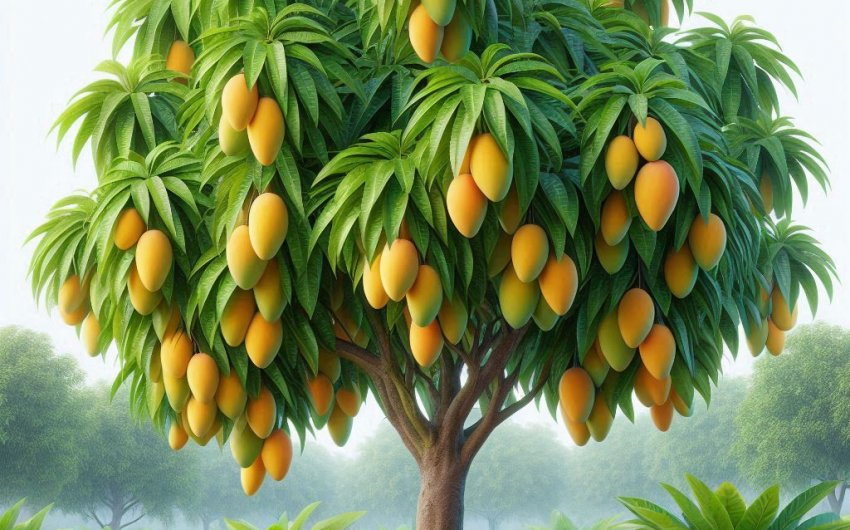
Mango trees, while generally robust, are susceptible to several common pests and diseases that can affect their health, growth, and fruit production. The most prevalent issues include fungal diseases like anthracnose and powdery mildew, and pests such as scale insects and mites.
What Are the Most Common Fungal Diseases Affecting Mango Trees?
Fungal diseases are arguably the most widespread and impactful problems for mango trees, especially in humid or rainy climates. They can affect leaves, flowers, and fruit, significantly reducing yield and fruit quality.
1. Anthracnose (Colletotrichum gloeosporioides)
- Description: This is the most serious and widespread fungal disease of mangoes globally. It's caused by a fungus that thrives in warm, wet, and humid conditions.
- Symptoms:
- Leaves: Small, irregular, dark brown to black spots that can merge into larger blotches, sometimes with a yellow halo. Severe infections cause leaf distortion or premature leaf drop.
- Flowers (Panicles): Black spots or streaks appear on the flower stalks and individual flowers, leading to blossom blight. This is a major cause of poor fruit set, as flowers turn black and die before fruit can form.
- Fruit: Small, black, sunken spots or lesions appear on the fruit skin. These lesions can enlarge and become covered with pinkish spore masses. Latent infections can be present in green fruit and only develop into full-blown post-harvest decay when the fruit ripens.
- Twigs/Stems: Dieback of young twigs.
- Conditions Favored: High humidity, frequent rainfall, temperatures between 75-85°F (24-30°C).
- Prevention & Treatment:
- Resistant Varieties: Choose anthracnose-resistant mango varieties (e.g., 'Tommy Atkins', 'Keitt', 'Carrie', 'Glenn').
- Sanitation: Remove and destroy infected leaves, twigs, and fallen fruit. Prune out dead or diseased branches.
- Air Circulation: Prune trees to maintain an open canopy, improving air circulation and allowing leaves to dry faster.
- Fungicides: Regular application of copper-based fungicides or other approved systemic fungicides can be necessary, especially during flowering and fruit development in humid regions. Start spraying before flowering. A common option is Copper Fungicide for Plants.
2. Powdery Mildew (Oidium mangiferae)
- Description: A fungal disease that creates a white, powdery coating on various plant parts. It's also prevalent in humid conditions but thrives in moderate temperatures.
- Symptoms:
- Flowers (Panicles): White, powdery coating on flower stalks and individual flowers. Infected flowers fail to open or turn brown and die, leading to significant yield loss.
- Young Leaves: White, powdery patches, often causing distortion or curling of new leaves.
- Young Fruit: Can affect young fruit, leading to stunted growth or premature drop.
- Conditions Favored: High humidity (especially at night), cool to moderate temperatures (60-75°F / 15-24°C), and lack of direct sunlight on affected parts.
- Prevention & Treatment:
- Air Circulation: Good pruning to open the canopy is crucial.
- Watering: Water at the base of the tree, avoiding overhead irrigation that keeps foliage wet.
- Resistant Varieties: Some varieties show more resistance than others.
- Fungicides: Apply wettable sulfur or other approved fungicides specifically for powdery mildew, particularly during the flowering stage. Sulfur Fungicide Dust is effective.
3. Root Rot (Phytophthora spp.)
- Description: A group of water mold pathogens that cause roots to rot. This is often linked directly to poor soil drainage.
- Symptoms: Above-ground symptoms include wilting (even when soil is wet), yellowing leaves, stunted growth, leaf drop, and dieback of branches. Below ground, roots will be soft, black or brown, and mushy.
- Conditions Favored: Waterlogged soil, heavy clay soils, overwatering.
- Prevention & Treatment:
- Excellent Drainage: Plant mango trees in well-draining soil (sandy loam) and never allow them to sit in standing water.
- Proper Watering: Water deeply but infrequently, allowing the soil to dry out between waterings.
- Mounding: In areas with heavy clay, plant trees on a raised mound to improve drainage around the root collar.
- Chemical Treatment: Fungicides may offer temporary relief but are not a long-term solution if drainage issues persist.
These fungal diseases highlight the importance of proper cultural practices and, in some cases, timely fungicide applications to maintain healthy mango trees.
What Are the Most Common Insect Pests Affecting Mango Trees?
While fungal diseases are often the most problematic, several insect pests can also cause significant damage to mango trees, affecting leaves, flowers, and fruit. Regular inspection and integrated pest management are key.
1. Mango Scale Insects (Various species, e.g., Green Scale, White Peach Scale)
- Description: Small, sap-sucking insects that attach themselves to stems, leaves, and sometimes fruit. They appear as raised bumps or waxy coverings, varying in color (green, brown, white).
- Symptoms: Yellowing and wilting of leaves, stunted growth, sticky honeydew (a sugary excretion) on leaves and surfaces below, which often leads to the growth of sooty mold (a black, powdery fungus that doesn't harm the plant directly but blocks sunlight). In severe infestations, branch dieback and reduced fruit production.
- Conditions Favored: Dense foliage, lack of natural predators.
- Prevention & Treatment:
- Pruning: Prune out heavily infested branches. Prune to open up the canopy for better air circulation and light penetration, which discourages scale.
- Manual Removal: For small infestations, scrape off scales with a soft brush, fingernail, or cotton swab dipped in rubbing alcohol.
- Horticultural Oil: Apply Horticultural Oil Spray (like neem oil or dormant oil) to smother the scales. Ensure complete coverage, especially on the undersides of leaves. Repeat applications are often needed, as oil is most effective against the mobile "crawler" stage.
- Beneficial Insects: Encourage natural predators like ladybugs and parasitic wasps.
2. Mealybugs (Various species)
- Description: Small, soft-bodied, oval insects covered in a white, cottony, waxy coating. They typically cluster in leaf axils, on young shoots, and on the undersides of leaves, sucking plant sap.
- Symptoms: Sticky honeydew leading to sooty mold. Yellowing, distorted, or wilting leaves. Stunted new growth. White, cottony masses on the plant.
- Conditions Favored: Warm, humid, sheltered areas.
- Prevention & Treatment:
- Strong Water Spray: Blast them off with a strong stream of water from a hose.
- Alcohol Swabs: Dab visible mealybugs with a cotton swab dipped in rubbing alcohol.
- Insecticidal Soap/Neem Oil: Apply thoroughly. Repeat applications every 5-7 days.
- Biological Control: Release beneficial insects like mealybug destroyers (ladybeetles).
3. Mites (e.g., Red Spider Mites, Broad Mites)
- Description: Extremely tiny arachnids, often invisible to the naked eye. They feed by sucking sap from plant cells.
- Symptoms:
- Stippling: Tiny yellow or silvery speckles (stippling) on leaves.
- Webbing: Fine, silken webs, especially on the undersides of leaves or between leaf axils, particularly with spider mites.
- Distorted Growth: Broad mites cause severe distortion, curling, and bronzing of new leaves and growing tips.
- Leaf Drop: Severely infested leaves may yellow and drop prematurely.
- Conditions Favored: Hot, dry, and dusty conditions.
- Prevention & Treatment:
- Hose Down: Regularly hose down plants, especially the undersides of leaves, to dislodge mites and increase humidity (which mites dislike).
- Increase Humidity: Maintain good humidity around your mango tree.
- Horticultural Oil/Neem Oil: Effective for suffocating mites. Ensure thorough coverage.
- Miticides: For severe infestations, a specific miticide may be necessary.
4. Aphids (Various species)
- Description: Small, pear-shaped insects that can be green, black, red, or yellow. They cluster on new, tender growth, sucking sap.
- Symptoms: Curled, distorted, or yellowing leaves on new growth. Sticky honeydew and sooty mold. Presence of ants, which "farm" aphids for their honeydew.
- Conditions Favored: New, soft plant growth.
- Prevention & Treatment:
- Strong Water Spray: Blast them off with water.
- Insecticidal Soap/Neem Oil: Apply thoroughly to affected areas.
- Beneficial Insects: Ladybugs and lacewings are voracious aphid predators.
Regular monitoring of your mango tree, especially new growth and the undersides of leaves, is the best way to catch these pests early before they cause significant damage.
What Are Some Less Common but Serious Diseases of Mango Trees?
While anthracnose and powdery mildew are widespread, mango trees can be affected by other, less common but potentially serious diseases that impact specific regions or manifest under particular conditions.
1. Bacterial Black Spot (Xanthomonas campestris pv. mangiferaeindicae)
- Description: A bacterial disease that affects leaves, stems, and fruit. It's often mistaken for anthracnose but has distinct characteristics.
- Symptoms:
- Leaves: Raised, angular, black lesions with a shiny, often greasy appearance. They can be surrounded by a yellowish halo. These lesions are different from the flat spots of anthracnose.
- Stems/Twigs: Elongated, black, cracked cankers on young stems, leading to dieback.
- Fruit: Raised, black, star-shaped or angular spots on the fruit skin. These spots can crack open, allowing secondary infections.
- Conditions Favored: Warm, wet, and windy conditions that spread the bacteria.
- Prevention & Treatment:
- Resistant Varieties: Choose resistant cultivars.
- Sanitation: Prune out and destroy infected branches. Remove fallen leaves and fruit.
- Wound Avoidance: Avoid wounding the tree, as bacteria can enter through cuts.
- Copper Sprays: Regular applications of copper-based bactericides can help manage the disease, but complete control is difficult once established.
2. Verticillium Wilt (Verticillium dahliae)
- Description: A soil-borne fungal disease that enters the roots and clogs the tree's vascular system, preventing water and nutrient transport.
- Symptoms: Sudden wilting and rapid death of individual branches or sections of the tree, usually starting from the bottom up. Leaves may yellow, curl, and drop. Cutting into an affected branch may reveal discoloration (streaking) in the wood.
- Conditions Favored: Infected soil, often where susceptible crops (like tomatoes, peppers, cotton) were previously grown.
- Prevention & Treatment:
- Avoid Planting in Infected Soil: Do not plant mangoes where Verticillium-susceptible crops have been previously grown and shown signs of wilt.
- Resistant Rootstock: Use resistant rootstock if available, though this is less common for mangoes than for some other fruit trees.
- No Cure: Once a tree is infected, there is generally no cure. Severely affected trees usually need to be removed and destroyed to prevent spread.
3. Stem End Rot (Various Fungi, often Botryodiplodia theobromae)
- Description: Primarily a post-harvest disease, but the infection can start on the tree. Fungi infect the stem end of the fruit.
- Symptoms: Rot begins at the stem end of the fruit as it ripens, turning the skin dark brown or black and the flesh soft and discolored. The rot spreads downwards.
- Conditions Favored: High humidity, prolonged wetness, and improper handling or storage of fruit.
- Prevention & Treatment:
- Proper Harvesting: Harvest fruit with a short stem (1-2 inches) attached to minimize injury to the fruit. Avoid pulling the fruit off, which creates a wound.
- Sanitation: Remove diseased and fallen fruit from the orchard floor.
- Post-Harvest Treatment: Commercial growers may use hot water dips or fungicides after harvest. For home growers, careful harvesting and rapid cooling are best.
These diseases highlight the importance of careful observation, good orchard hygiene, and selecting healthy planting material to reduce the risk to your mango trees.
What Are Some Physiological Disorders of Mango Trees?
Beyond pests and pathogens, mango trees can suffer from several physiological disorders. These are non-infectious problems caused by environmental stress, nutrient imbalances, or genetic predispositions, rather than living organisms.
1. Alternate Bearing (Biennial Bearing)
- Description: The tendency for a mango tree to produce a very heavy crop in one year, followed by a very light crop or no crop in the subsequent year.
- Symptoms: Large fruit set one year, minimal flowering or fruit the next.
- Cause: The tree puts too much energy into producing a massive crop, depleting its reserves and leaving insufficient energy for flower bud differentiation for the following season. Genetically predisposed in some varieties.
- Prevention & Treatment:
- Thinning Fruit: For varieties prone to alternate bearing, thinning fruit in a heavy crop year can help. Remove some small fruits shortly after fruit set to reduce the burden on the tree.
- Consistent Fertilization: Ensure consistent, balanced fertilization, particularly potassium, after harvest to help the tree rebuild its energy reserves.
- Pruning: Proper pruning after harvest can help balance vegetative growth and fruit production.
- Variety Selection: Choose "regular bearing" varieties (e.g., 'Tommy Atkins', 'Keitt', 'Glenn') if alternate bearing is a significant concern.
2. Internal Breakdown (Soft Nose / Jelly Seed)
- Description: A disorder where the flesh around the seed becomes soft, watery, discolored, or jelly-like, while the outside of the fruit may still appear firm and normal.
- Symptoms: Unpleasant texture and taste in the central part of the fruit when cut open.
- Cause: Complex, but often linked to calcium deficiency in the fruit, high nitrogen fertilization, erratic watering, high temperatures during fruit development, or nutrient imbalances in the soil.
- Prevention & Treatment:
- Balanced Nutrition: Ensure balanced fertilization. Avoid excessive nitrogen.
- Consistent Watering: Maintain consistent soil moisture during fruit development, avoiding extreme dry-wet cycles.
- Calcium: In some cases, foliar calcium sprays during fruit development might help, but this is less common for home growers.
3. Blossom Malformation (Floral Malformation)
- Description: A serious disorder where the mango flower panicles (flower clusters) become distorted, stunted, and appear dense, leafy, or clustered, producing very few or no viable flowers or fruit. It can also affect vegetative shoots.
- Symptoms: Stunted, compact, velvety, greenish floral panicles that do not develop normal flowers. Vegetative malformation causes stunted, swollen shoot tips with small, crowded leaves.
- Cause: Thought to be complex, involving a combination of genetic factors, mite infestation, and possibly fungal infection, but the exact cause is still debated.
- Prevention & Treatment:
- Pruning: Prune out all affected flower panicles and vegetative shoots immediately and destroy them to prevent spread. Sterilize pruning tools.
- Mite Control: If mites are suspected as a vector, apply appropriate miticides.
- Resistant Varieties: Some varieties show more resistance than others.
4. Gummosis
- Description: The oozing of clear or amber-colored gummy sap from the bark of the trunk or branches.
- Symptoms: Sap oozing, often from cracks or wounds in the bark. Can be accompanied by bark discoloration or cankers.
- Cause: Often a symptom of stress or injury rather than a specific disease. Can be caused by:
- Environmental Stress: Drought, waterlogging, sudden temperature changes.
- Physical Injury: Lawnmower blight, sun scald, pruning wounds.
- Disease: Can be associated with fungal infections like Phytophthora or bacterial cankers, or borers.
- Prevention & Treatment:
- Maintain Tree Health: Provide optimal watering, nutrition, and soil conditions to reduce stress.
- Prevent Injury: Protect the trunk from mechanical damage.
- Prune Carefully: Make clean pruning cuts and sterilize tools.
- Identify Underlying Cause: If gummosis is persistent, investigate for pests, diseases, or environmental issues.
Understanding these physiological disorders helps in providing better overall care for mango trees, addressing environmental factors, and choosing appropriate varieties to minimize problems.
How Can I Prevent Most Mango Tree Problems?
Preventing problems in mango trees is far more effective than trying to cure them. A strong, healthy tree with good cultural practices is your best defense against most common pests and diseases.
1. Choose the Right Variety
- Disease Resistance: Select mango varieties known to be resistant to common diseases in your area, especially anthracnose and powdery mildew. Some excellent resistant choices include 'Tommy Atkins', 'Keitt', 'Carrie', and 'Glenn'.
- Growth Habit: Consider the mature size and growth habit. A more compact variety ('Cogshall', 'Glenn', 'Ice Cream') may be easier to manage and prune, leading to better air circulation.
- Regular Bearers: If consistent fruit is important, choose varieties less prone to alternate bearing.
2. Provide Optimal Growing Conditions
- Sunlight: Mango trees need full sun (at least 6-8 hours of direct sunlight daily) for healthy growth and fruit production.
- Well-Draining Soil: Plant in a sandy loam that drains excellently. Amend heavy clay soils with organic matter and coarse sand to improve drainage. For containers, use a specialized Mango Potting Mix.
- Correct pH: Maintain a slightly acidic to neutral soil pH of 5.5 to 7.0. Test your soil and amend as needed.
- Proper Watering: Water deeply and infrequently. Allow the soil to dry out somewhat between waterings. Avoid overwatering, which leads to root rot. Consistently inconsistent watering can also stress the tree.
- Balanced Nutrition: Fertilize regularly during the growing season with a balanced fertilizer, increasing potassium during flowering and fruiting. Avoid excessive nitrogen, which can lead to lush, soft growth more susceptible to pests.
3. Implement Good Cultural Practices
- Pruning for Air Circulation: Regularly prune your mango tree to maintain an open canopy. This allows for better air circulation and light penetration, which helps foliage dry quickly, reducing fungal disease pressure. Remove crossing branches, dead wood, and suckers.
- Sanitation:
- Promptly remove and destroy any fallen, diseased leaves, fruit, or pruned branches. Do not compost diseased material.
- Keep the area around the tree free of weeds and debris, which can harbor pests and diseases.
- Tool Hygiene: Always clean and sterilize your pruning tools (with rubbing alcohol or a bleach solution) before and after pruning, especially when moving between different trees or after cutting diseased wood.
- Monitoring: Regularly inspect your tree for any early signs of pests or diseases. Check the undersides of leaves, new growth, and stems. Early detection allows for prompt and less invasive treatment. A Garden Inspection Kit with a hand lens can be useful.
- Avoid Wounding: Protect the trunk from mechanical damage from mowers or string trimmers, as wounds are entry points for pathogens.
4. Integrated Pest Management (IPM)
- Biological Control: Encourage natural predators (ladybugs, lacewings) by avoiding broad-spectrum pesticides that kill beneficial insects.
- Horticultural Oils/Neem Oil: Use these as a first line of defense against many soft-bodied pests. They are less harmful to beneficial insects than chemical sprays.
- Targeted Treatments: If a chemical pesticide is necessary, identify the specific pest and choose a targeted product. Follow all label instructions carefully.
By focusing on these preventative measures, you can cultivate a resilient, high-yielding mango tree that successfully overcomes most common pest and disease challenges, providing you with delicious fruit for many years.