
How Can I Encourage My Avocado Tree to Produce More Fruit?
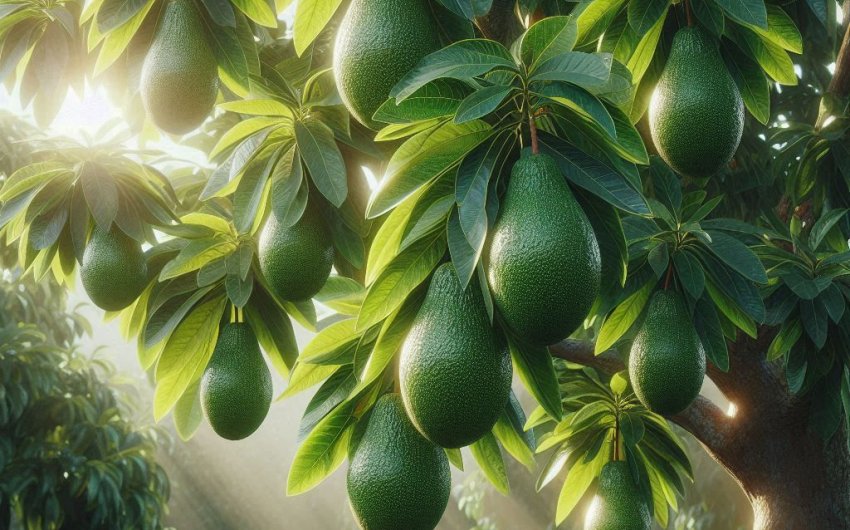
To encourage your avocado tree to produce more fruit, focus on providing optimal growing conditions including full sun, consistent and appropriate watering, and balanced fertilization. Crucially, ensure proper pollination by potentially planting both Type A and Type B avocado varieties and providing adequate space for mature trees.
Why Isn't My Avocado Tree Producing Fruit?
Many gardeners get excited about growing an avocado tree, often from a pit, but then wonder why it's not producing fruit. This is a common frustration, as avocado trees have specific needs that must be met for successful fruiting. Understanding these factors is the first step to a bountiful harvest.
- Maturity: Trees need time to mature.
- Pollination: Avocados have unique flowering habits.
- Environmental Conditions: Light, water, and temperature are vital.
- Nutrition: Proper feeding is crucial.
- Tree Health: Overall vigor impacts fruiting.
What Are the Key Factors for Avocado Fruit Production?
To encourage your avocado tree to produce more fruit, you need to address several critical areas of its care and environment.
1. Age and Maturity
- Grafted Trees: A tree grown from a grafted sapling will typically start producing fruit much faster, often within 3-5 years.
- Seed-Grown Trees: Trees grown from a pit can take significantly longer, anywhere from 5-13 years, or sometimes never produce fruit due to genetic variation.
- Patience is Key: The most common reason for no fruit is simply that the tree isn't old enough yet.
2. Pollination Challenges
This is perhaps the most complex factor in avocado fruiting. Avocado flowers have a unique, two-phase opening process called "synchronous dichogamy."
- Type A vs. Type B Varieties:
- Type A: Flowers open as female in the morning, close, then reopen as male in the afternoon of the next day. (e.g., 'Hass', 'Gwen', 'Pinkerton')
- Type B: Flowers open as female in the afternoon, close, then reopen as male in the morning of the next day. (e.g., 'Fuerte', 'Zutano', 'Bacon')
- Cross-Pollination is Best: While a single tree can sometimes produce fruit, having both a Type A and a Type B tree flowering simultaneously greatly increases the chances of successful cross-pollination and a much larger yield. The male phase of one type overlaps with the female phase of the other.
- Pollinators: Bees are the primary pollinators. Attracting bees to your garden is essential. Plant diverse flowering plants, avoid pesticides, and consider a Bee House for Garden.
- Hand Pollination (for indoor/single trees): If you only have one tree or it's indoors, you can try hand-pollination.
- Collect pollen from male-phase flowers (fluffy yellow anthers) with a small, soft paintbrush in the morning (for Type B) or afternoon (for Type A).
- Transfer pollen to female-phase flowers (sticky stigma in the center) when they are receptive. This requires careful timing.
3. Light Requirements
- Full Sun: Avocado trees need at least 6-8 hours of direct sunlight per day to produce fruit. Less light will result in poor growth and minimal or no fruit production.
- Indoor Trees: If growing indoors, ensure they receive maximum available light. Supplemental LED Grow Lights for Fruit Trees can be essential.
4. Watering
- Consistent Moisture: Avocado trees need consistent moisture, especially when flowering and fruiting. They are sensitive to both drought and overwatering.
- Deep Watering: Water deeply to encourage a strong root system.
- Well-Drained Soil: They absolutely hate "wet feet." Ensure excellent drainage to prevent root rot, which will severely impact fruit production.
- Monitor Soil: Check the soil moisture before watering. Allow the top few inches to dry out slightly between waterings. Use a Soil Moisture Meter for accuracy.
5. Nutrition
- Balanced Fertilization: Avocado trees benefit from a balanced fertilizer program, especially one tailored for fruit trees.
- NPK Ratio: Look for a fertilizer with a balanced N-P-K (Nitrogen-Phosphorus-Potassium) ratio, perhaps slightly higher in phosphorus and potassium for blooming and fruiting. Some experts recommend a lower nitrogen ratio to avoid excessive leafy growth at the expense of fruit.
- Micronutrients: Ensure the fertilizer contains micronutrients like zinc, boron, and iron, which are vital for flower and fruit development.
- Frequency: Fertilize 3-4 times a year, typically in early spring, late spring, mid-summer, and early fall. Adjust based on tree age and local conditions. An Avocado Tree Fertilizer is ideal.
6. Climate and Temperature
- Warm Climate: Avocado trees thrive in subtropical to tropical climates. Most varieties are sensitive to frost.
- Frost Protection: If you experience occasional frost, choose a cold-hardy variety and provide frost protection (e.g., blankets, Frost Protection Cloth) for young trees. Cold damage can prevent flowering and fruiting.
7. Soil Conditions
- Well-Drained: This is paramount. Avocado trees will suffer and likely die in heavy, waterlogged soils.
- Loamy/Sandy Loam: They prefer well-drained, slightly acidic to neutral soil (pH 6.0-7.0).
- Organic Matter: Incorporate plenty of organic matter (compost) to improve drainage and provide nutrients.
How to Prepare Your Avocado Tree for Fruiting?
Setting your avocado tree up for success long before flowering season is critical to encourage fruit production.
1. Choose the Right Variety
- Grafted is Best: Always buy a grafted tree from a reputable nursery if your goal is fruit production.
- Climate Suitability: Select a variety that is known to thrive in your specific climate zone and can handle any potential frost.
- Type A & Type B: If possible, plant one of each type (A and B) within 50 feet of each other to maximize cross-pollination.
| Avocado Type | Example Varieties | Female Opens | Male Opens |
|---|---|---|---|
| Type A | Hass, Gwen, Pinkerton | Morning | Afternoon (next day) |
| Type B | Fuerte, Zutano, Bacon | Afternoon | Morning (next day) |
2. Proper Planting
- Location: Select a spot with full sun, good drainage, and protection from strong winds if possible.
- Hole Preparation: Dig a hole that is wider than it is deep. Avocado trees have shallow, wide-spreading roots. The top of the root ball should be level with or slightly above the surrounding soil.
- Soil Amendment: If your soil is heavy clay, amend generously with coarse organic matter (e.g., Perlite for Soil, compost). Consider planting on a mound to improve drainage.
3. Pruning for Fruit
- Minimal Pruning: Avocado trees don't require heavy pruning. Excessive pruning can reduce fruit production as they fruit on new wood.
- Disease/Damage: Only prune dead, diseased, or damaged branches.
- Shape and Height: Lightly prune to maintain shape or manage height, but do so after harvesting or before flowering, not during. Avoid heading cuts that encourage dense, unproductive growth.
4. Provide Adequate Space
- Root Zone: Mature avocado trees need a large root zone. Ensure sufficient space from buildings, driveways, and other trees. For grafted trees, this can mean a 15-20 foot radius.
How Do You Care for an Established Avocado Tree to Maximize Fruit?
Once your avocado tree is mature enough to fruit, ongoing care becomes crucial to encourage more fruit.
1. Consistent Watering
- No Drought Stress: Water deeply and regularly, especially during dry periods, flowering, and fruit development. Drought stress can cause flower or fruit drop.
- No Waterlogging: Ensure drainage is excellent. Mulch can help retain moisture and prevent extreme soil temperature fluctuations.
2. Balanced Fertilization
- Seasonal Feeding: Follow a consistent feeding schedule as described above, using a fertilizer balanced for fruit trees.
- Micronutrients: Pay attention to micronutrient deficiencies. Yellowing between veins can indicate iron or zinc deficiency. Foliar sprays can provide quick relief.
3. Mulching
- Benefits: A 3-6 inch layer of organic mulch (wood chips, compost, or shredded leaves) around the tree (keeping it away from the trunk) helps:
- Retain soil moisture.
- Regulate soil temperature.
- Suppress weeds.
- Slowly add organic matter as it decomposes. A Garden Mulch is always beneficial.
4. Pest and Disease Management
- Integrated Pest Management (IPM): Monitor your tree regularly for pests (e.g., avocado lace bug, persea mite) and diseases (e.g., Phytophthora root rot).
- Organic Solutions: Prioritize organic or least-toxic solutions. For root rot, good drainage is key. Preventative sprays can help with some pests. Neem Oil for Fruit Trees is a versatile organic option.
- Healthy Tree Resilience: A well-cared-for tree is more resistant to pests and diseases.
5. Managing Fruit Drop
- Natural Drop: It's normal for avocado trees to drop a significant percentage of their flowers and young fruit. This is a natural thinning process.
- Stress-Related Drop: Excessive fruit drop can indicate stress from:
- Inconsistent watering (too dry or too wet).
- Nutrient deficiencies.
- Extreme temperatures (heat waves or cold snaps).
- Lack of sufficient pollination.
- Solutions: Address the underlying stress factors to minimize abnormal fruit drop.
Specific Strategies to Boost Avocado Fruit Production
Beyond general care, these strategies can directly help encourage your avocado tree to produce more fruit.
1. Ensure Pollination Synergy
- Plant A & B: As discussed, planting both Type A and Type B varieties is the most effective way to ensure optimal cross-pollination.
- Attract Bees: Plant bee-attracting flowers nearby. Avoid using pesticides, especially during flowering.
2. Proper Airflow
- Open Canopy: While minimal pruning is recommended, ensure good air circulation within the canopy. This helps with pollination and reduces disease risk. Remove any suckers from the base of the tree.
3. Soil Health Assessment
- Regular Soil Testing: Conduct a soil test every few years to monitor pH and nutrient levels. This provides precise information for fertilizer adjustments. A Soil Test Kit provides valuable insights.
4. Grafting (If Growing from Seed)
- Expedite Fruiting: If you've grown a tree from a pit and it's not fruiting after many years, grafting a scion from a known fruit-producing variety onto your rootstock can convert it into a fruiting tree much faster. This is an advanced technique.
5. Addressing Biennial Bearing
- Heavy Crop Year: Some avocado varieties exhibit biennial bearing, meaning they produce a very heavy crop one year and a light crop the next.
- Thinning (Debate): Some growers lightly thin a heavy crop in the "on" year to try and encourage a more consistent yield, though this is debated for avocados. Focus on consistent care to mitigate extreme swings.
Troubleshooting Specific Avocado Fruiting Issues
| Problem | Possible Causes | Solutions |
|---|---|---|
| Flowers, but no fruit | Poor pollination, lack of Type A/B synergy | Plant a pollinator partner (Type A/B), attract bees, hand-pollinate. |
| Temperature extremes during flowering | Protect from frost/heat. | |
| Insufficient light/nutrients | Ensure full sun, balanced fertilization. | |
| Young fruit drop | Natural thinning (common) | Often normal; if excessive, check watering, nutrients, climate stress. |
| Inconsistent watering | Establish consistent, deep watering. | |
| Nutrient imbalance (e.g., zinc deficiency) | Fertilize with trace minerals, consider foliar spray. | |
| Fruit not ripening | Harvested too early | Avocados ripen off the tree. Allow fruit to mature on tree, then pick and ripen indoors. |
| Overwatering/Root rot | Check drainage, soil moisture; address root rot if present. | |
| Small fruit | Overloaded tree | Ensure adequate water and nutrients. (Thinning is not common for avocados.) |
| Nutritional deficiencies | Consistent balanced fertilization. | |
| Insufficient sunlight | Ensure full sun exposure. |
The journey to encourage your avocado tree to produce more fruit is a test of patience, observation, and consistent care. By understanding the unique pollination biology of avocado flowers, providing ample sunlight, precise watering, balanced nutrition, and selecting the right varieties for your climate, you can significantly increase your chances of transforming your beloved tree into a productive source of delicious, homegrown avocados.