
How Can I Propagate a Pineapple Plant from a Grocery Store Pineapple?
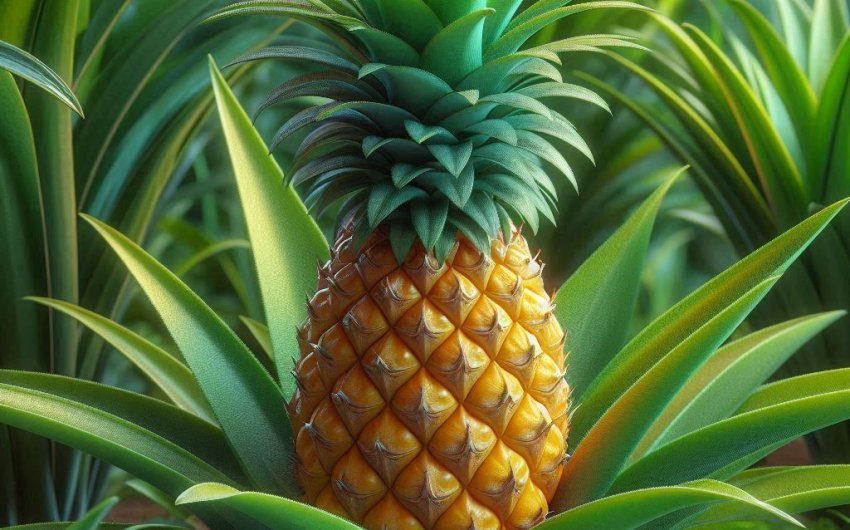
You can propagate a pineapple plant from a grocery store pineapple by twisting or cutting off the leafy crown, preparing it to expose the root nodes, and then rooting it in water or directly in soil. This simple process allows you to grow a unique tropical houseplant, and potentially even fruit, right from your kitchen scraps.
Why Propagate a Pineapple Plant from a Grocery Store Pineapple?
Propagating a pineapple plant from a grocery store pineapple is a popular and fun project for many reasons beyond just getting new plants.
- Cost-Effective: It's essentially free! You're using a part of the pineapple you'd normally discard.
- Educational Experience: It's a fantastic way to observe plant propagation firsthand, making it a great learning activity for all ages.
- Unique Houseplant: Pineapple plants have a striking, tropical appearance with spiky, architectural foliage, making them a unique and attractive addition to your indoor plant collection.
- Sense of Accomplishment: There's immense satisfaction in watching a discarded crown transform into a thriving plant.
- Potential for Fruit: While it requires patience and specific conditions, there's always the exciting possibility of growing your own edible pineapple.
- Sustainability: It's a small step towards reducing food waste and embracing a more sustainable gardening practice.
How Do You Select the Right Pineapple for Propagation?
Choosing the right grocery store pineapple is the first crucial step for successful propagation. Not all pineapples are created equal for this purpose.
- Choose a Ripe, Healthy Pineapple:
- Skin Color: Look for a pineapple with vibrant, golden-yellow skin, indicating ripeness. Avoid overly green or brown/mushy pineapples.
- Smell: A ripe pineapple will have a sweet, characteristic pineapple aroma at the base.
- Leaves: The crown (leafy top) should be green, firm, and healthy, not wilted, yellow, or brown. Avoid crowns with visible signs of disease, mold, or extensive insecticide residue.
- Pluck a Leaf: A good test for ripeness (and a healthy crown) is to try and pull a single leaf from the center of the crown. If it pulls out easily, the pineapple is perfectly ripe. If it's too difficult, it might be underripe. If it's mushy, it's overripe or rotting.
How Do You Prepare the Pineapple Crown for Propagation?
Properly preparing the pineapple crown is essential for successful rooting and preventing rot.
Method 1: Twisting Off the Crown
This is generally the preferred method as it often leaves the base cleaner and with more intact root primordia (tiny bumps that will become roots).
- Grip Firmly: Hold the pineapple fruit firmly with one hand.
- Twist the Crown: With the other hand, grip the leafy crown at its base and twist firmly. The crown should cleanly detach from the fruit with a small portion of the stem attached.
Method 2: Cutting Off the Crown
If twisting doesn't work easily, or if the pineapple is overripe, cutting is an alternative.
- Sharp Knife: Use a sharp, clean knife.
- Cut Below the Crown: Slice off the crown about 1/2 inch below the base of the leaves, ensuring some of the fruit's top is still attached.
- Remove Fruit Flesh: Carefully trim away all remaining fruit flesh from the base of the crown. Any fruit flesh left behind will rot, leading to fungal growth and failure to root. You want a clean, exposed stem base.
- Expose Root Nodes: After removing the fruit flesh, you'll see small, brown, circular bumps just above where the fruit was attached. These are the root primordia. Peel off a few of the lowest layers of leaves from the base of the crown (about 1-2 inches up the stem) to expose more of these nodes. This is crucial for rooting.
Drying/Curing the Crown (Crucial Step):
- Air Dry: Once the crown is prepared, allow it to air dry (cure) for 1-3 days. Place it upside down or on its side in a cool, dry, well-ventilated spot away from direct sunlight.
- Why Cure? This step allows the cut surface to callus over, forming a protective layer that prevents rot when the crown is placed in water or soil. Do not skip this step!
What Are the Main Methods to Root a Pineapple Crown?
There are two primary ways to root a pineapple crown: in water or directly in soil. Both methods can be successful.
Method 1: Water Rooting (Classic and Visible)
This method is popular because it allows you to observe the root development, which can be very satisfying.
Supplies You'll Need:
- Prepared pineapple crown
- Clear glass or jar
- Water (Filtered Water is often preferred if tap water is heavily chlorinated)
Steps:
- Position in Water: Suspend the pineapple crown over the glass or jar so that only the very bottom (where you exposed the root nodes) is submerged in about 1 inch of water. You can use toothpicks inserted into the side of the crown to help suspend it, or find a jar with a narrow enough rim.
- Choose a Location: Place the glass in a warm spot with bright, indirect light. A windowsill is typically ideal. Aim for temperatures around 70-80°F (21-27°C).
- Change Water Regularly: This is critical to prevent mold and bacterial growth. Change the water every 2-3 days, or whenever it appears cloudy.
- Patience for Rooting: Roots can take anywhere from 2-6 weeks to emerge, sometimes longer. Be patient!
- When to Pot: Once the roots are about 1-2 inches long, and you see new green growth emerging from the top of the crown, it's ready for planting in soil.
Method 2: Soil Rooting (Direct Planting)
This method avoids the stress of transplanting from water to soil and can sometimes lead to faster overall establishment.
Supplies You'll Need:
- Prepared pineapple crown
- 6-8 inch pot with drainage holes (Terracotta Pot with Drainage works well as it promotes drainage)
- Well-draining potting mix (Cactus & Succulent Potting Mix is ideal, or regular potting mix amended with perlite)
Steps:
- Prepare the Pot: Fill the pot with your well-draining potting mix.
- Plant the Crown: Dig a small hole in the center of the pot. Insert the prepared, cured pineapple crown into the soil so that the base of the leaves is just at soil level. Gently firm the soil around the base to provide support.
- Water Gently: Water thoroughly until water drains from the bottom.
- Choose a Location: Place the pot in a warm spot with bright, indirect light.
- Maintain Moisture: Keep the soil consistently moist but not soggy. Avoid letting it dry out completely in the initial rooting phase. You can mist the leaves daily to help prevent dehydration while roots are forming.
- Patience for Rooting: You won't see root growth, but new leaf growth from the center of the crown (and resistance when you gently tug on the crown) indicates successful rooting. This can take several weeks to a few months.
How Do You Care for Your Young Pineapple Plant?
Once your pineapple plant has successfully rooted, consistent and appropriate care will help it grow and thrive.
1. Light
- Full Sun: Pineapple plants are sun lovers! They need at least 6-8 hours of direct sunlight per day to thrive and eventually fruit.
- Location: Indoors, a south-facing window is ideal. Outdoors, place them in the sunniest spot on your patio or balcony.
- Rotation: Rotate the pot regularly to ensure even growth.
2. Watering
- Consistent Moisture: Pineapple plants prefer consistently moist soil, but they are also sensitive to overwatering and soggy conditions.
- Check Soil: Water when the top 1-2 inches of soil feel dry to the touch.
- Thorough Watering: Water deeply until water drains from the bottom of the pot. Discard any excess water from the saucer.
- Watering the Crown (Bromeliad Nature): Pineapples are bromeliads, meaning they can absorb some water through their leaves. You can water the central "cup" of the plant, but ensure it doesn't stay filled with stagnant water, especially indoors, as this can lead to rot. Most of their water absorption still comes from the roots.
3. Humidity
- Tropical Plants: Pineapples thrive in high humidity, mimicking their native environment.
- Increase Humidity (Indoors):
- Mist the leaves daily with a Fine Mist Spray Bottle.
- Place the pot on a pebble tray filled with water.
- Use a small Plant Humidifier nearby.
4. Fertilizing
- Moderate Feeders: Once the plant is established and actively growing (usually a few months after rooting), you can begin fertilizing.
- Type: Use a balanced liquid fertilizer, or one slightly higher in phosphorus and potassium for fruiting, diluted to half strength. An Organic Liquid Plant Food is a good choice.
- Frequency: Fertilize every 2-4 weeks during the active growing season (spring and summer). Reduce or stop in fall and winter.
- Foliar Feed: Pineapples can also absorb nutrients through their leaves. You can mist them with a diluted liquid fertilizer.
5. Repotting
- Frequency: Your pineapple plant will need repotting every 1-2 years as it grows and becomes root-bound.
- Pot Size: Gradually move up to larger pots, eventually aiming for a 10-15 gallon pot for a mature plant if you hope for fruit.
- Fresh Soil: Always use fresh, well-draining potting mix when repotting.
How Long Until a Pineapple Plant Produces Fruit?
This is the question on everyone's mind! Propagating a pineapple plant from a grocery store pineapple requires significant patience to reach the fruiting stage.
- Timeline: It typically takes 2-3 years for a pineapple plant grown from a crown to produce fruit, though it can sometimes take longer (up to 4 years) depending on conditions and variety.
- Maturity: The plant needs to reach a certain size and maturity before it's ready to fruit. The leaves should generally be about 2-3 feet long.
- Fruiting Induction (Optional but Recommended):
- Commercial growers use ethylene gas to induce fruiting. You can mimic this at home using an apple or banana, which naturally produce ethylene.
- Method: Place the mature pineapple plant (in its pot) in a clear plastic bag. Place a ripe apple or banana inside the bag with the plant. Seal the bag loosely.
- Duration: Leave the bag sealed for about 1 week. The ethylene released by the fruit will stimulate flowering.
- Timing: Do this during the active growing season (spring/summer) when temperatures are warm.
- Signs: After a few weeks, you should see a small red cone emerging from the center of the plant – this is the flower stalk!
What Are Common Problems When Growing Pineapple Plants?
While generally robust, you might encounter some issues when you propagate a pineapple plant from a grocery store pineapple.
- Rot at the Base:
- Cause: Insufficient curing (drying) before rooting, too much water in the initial rooting phase, or non-sterile cutting tools.
- Solution: Ensure proper curing. Change water regularly if water rooting. Use well-draining soil for soil rooting.
- No Roots/New Growth:
- Cause: Too cold, not enough light, unhealthy crown, or too much flesh left on the crown.
- Solution: Provide warmth (bottom heat can help), bright light, ensure the crown was properly cleaned and healthy. Patience is key.
- Yellowing Leaves:
- Cause: Often overwatering (soggy soil, root rot), but can also be underwatering, nutrient deficiency, or too much direct sunlight (scorching).
- Solution: Check soil moisture. Ensure good drainage. Adjust watering frequency.
- Brown Leaf Tips:
- Cause: Low humidity, inconsistent watering (especially drying out too much), or salt buildup from fertilizer.
- Solution: Increase humidity (mist, pebble tray). Water consistently. Flush soil occasionally by watering heavily until water drains.
- Leggy Growth:
- Cause: Insufficient light.
- Solution: Move to a brighter location.
- Pests (Mealybugs, Scale, Spider Mites):
- Cause: Often brought in from other plants, or thrive in stressed conditions.
- Solution: Inspect regularly. Use insecticidal soap, Neem Oil for Plants, or wipe off with rubbing alcohol swabs.
The Rewarding Journey of Growing a Pineapple Plant
Propagating a pineapple plant from a grocery store pineapple is a delightful and educational journey that can bring a touch of the tropics and a unique sense of accomplishment to your home. While it requires patience and consistent care to potentially harvest your own fruit, the architectural beauty of the plant itself makes the effort worthwhile. Enjoy the process of transforming a discarded crown into a thriving green companion!