
Common Pests and Diseases That Affect Pomegranate Trees
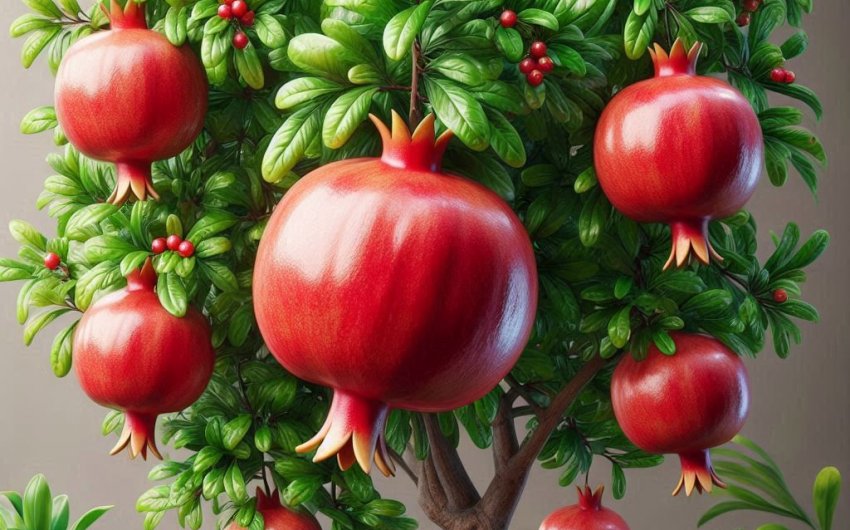
Pomegranate trees, while generally robust, can be affected by common pests like aphids, scale insects, and mealybugs, and diseases such as fruit rot, leaf spot, and powdery mildew. Recognizing the symptoms and implementing timely management strategies are key to maintaining healthy trees and bountiful harvests.
What Are Common Pests That Affect Pomegranate Trees?
Pomegranate trees are relatively resilient, but like all fruit-bearing plants, they can fall victim to various insect pests. Early identification and intervention are crucial to prevent widespread damage and protect your harvest.
1. Aphids
- Appearance: Tiny, soft-bodied insects, often green, black, or reddish, clustering on new growth, leaf undersides, and flower buds. They reproduce rapidly.
- Damage: Aphids suck sap from the plant, causing:
- Stunted or distorted new growth.
- Curled or yellowing leaves.
- Sticky "honeydew" secretion: This sugary substance coats leaves and fruit.
- Sooty mold: A black, powdery fungus that grows on honeydew, blocking sunlight and hindering photosynthesis.
- Management:
- Blast with water: For light infestations, a strong spray of water from a hose can dislodge them.
- Introduce beneficial insects: Ladybugs, lacewings, and hoverflies are natural predators.
- Insecticidal soap/Neem oil: Apply to affected areas, ensuring good coverage, especially on leaf undersides. Repeat applications are often necessary. Consider Garden Safe Insecticidal Soap Insect Killer.
2. Scale Insects
- Appearance: Small, immobile, often dome-shaped or flat bumps on stems, branches, and leaf undersides. They may be brown, black, white, or gray, resembling scabs.
- Damage: Scale insects also suck plant sap, leading to:
- Yellowing leaves and leaf drop.
- Stunted growth.
- Sticky honeydew and sooty mold.
- Branch dieback in severe cases.
- Management:
- Scrape off: For small infestations, carefully scrape off scale with a fingernail or soft brush.
- Pruning: Remove heavily infested branches.
- Horticultural oil: Apply dormant oil in winter or lightweight horticultural oil during the growing season. It smothers the insects.
- Systemic insecticides: For severe cases, consider systemic options, but be mindful of harvest intervals.
3. Mealybugs
- Appearance: Small, soft-bodied insects covered in a white, cottony, waxy coating, often found in leaf axils, on stems, and on fruit.
- Damage: Similar to aphids and scale, they feed on sap, causing:
- Yellowing, wilting, or distorted leaves.
- Stunted growth.
- Honeydew and sooty mold.
- Damaged or aborted fruit.
- Management:
- Dab with alcohol: For small clusters, dab directly with a cotton swab dipped in 70% isopropyl alcohol.
- Pruning: Remove heavily infested parts.
- Insecticidal soap/Neem oil: Thorough application is essential to penetrate their waxy coating. Repeat often.
4. Pomegranate Fruit Borer (Conopomorpha cramerella)
- Appearance: A small moth whose larvae burrow into the fruit.
- Damage: Larvae tunnel inside the developing fruit, feeding on the arils (flesh around seeds), causing the fruit to rot from the inside out and often drop prematurely. You may see small entry holes and frass (insect droppings) inside.
- Management:
- Bagging fruit: For small numbers of fruit, bagging individual fruits with paper bags when they are marble-sized can prevent infestation.
- Sanitation: Remove and destroy all infested and dropped fruit immediately. Do not compost.
- Trapping: Pheromone traps can monitor moth populations.
- Insecticides: If severe, apply appropriate insecticides targeting moth larvae, following label directions carefully, especially concerning harvest intervals.
Regular inspection of your pomegranate trees is the best defense against these common pests, allowing for quick action to protect your potential harvest.
What Are Common Diseases That Affect Pomegranate Trees?
While known for their resilience, pomegranate trees are still susceptible to several common diseases that can impact their health and fruit production. Identifying these diseases early is key to effective management and maintaining a productive tree.
1. Fruit Rot (Alternaria Fruit Spot)
- Cause: Primarily caused by the fungus Alternaria alternata. This is one of the most significant diseases affecting pomegranate fruit.
- Symptoms:
- Starts as small, irregular, dark spots on the fruit's rind.
- Lesions enlarge, sometimes developing concentric rings.
- Infected areas become soft and leathery, eventually causing the entire fruit to rot from the inside, often before external symptoms are severe.
- You might notice premature fruit cracking or splitting, followed by rot.
- Conditions: Favored by warm, humid weather and prolonged periods of fruit wetness. Spores are often spread by rain and wind.
- Management:
- Sanitation: Remove and destroy all infected and dropped fruit promptly. Prune out any mummified fruit left on the tree.
- Pruning for Airflow: Prune the tree to ensure good air circulation within the canopy, which helps fruit dry faster.
- Watering: Avoid overhead watering that keeps fruit wet. Use drip irrigation or water at the base of the tree.
- Fungicides: Apply preventative fungicides (e.g., copper-based fungicides) before fruit development or at the first sign of disease, especially in humid climates. Repeat applications may be necessary.
2. Leaf Spot Diseases (e.g., Cercospora Leaf Spot)
- Cause: Various fungi, including Cercospora punicae, cause leaf spots.
- Symptoms:
- Small, circular or irregular spots appear on leaves.
- Spots typically start as yellow and turn brown or black with a reddish margin.
- Severe infections can lead to premature defoliation, weakening the tree.
- Conditions: Favored by warm, wet, and humid conditions.
- Management:
- Sanitation: Rake up and destroy fallen infected leaves to reduce fungal inoculum.
- Pruning: Improve air circulation by thinning the canopy.
- Watering: Avoid overhead watering.
- Fungicides: Apply fungicides labeled for leaf spot if the disease is severe or persistent.
3. Powdery Mildew
- Cause: Caused by various powdery mildew fungi.
- Symptoms:
- Appears as a white, powdery growth on leaves, young stems, and sometimes fruit.
- Infected leaves may become distorted, curled, or yellow.
- Severe cases can lead to reduced photosynthesis, stunted growth, and poor fruit development.
- Conditions: Favored by warm, dry days and cool, humid nights, or high humidity in shaded areas.
- Management:
- Good Air Circulation: Prune to open up the tree canopy.
- Sunlight: Ensure the tree receives adequate sunlight.
- Horticultural oils: Apply neem oil or horticultural oil to affected areas.
- Fungicides: Sulphur-based fungicides or other specific powdery mildew fungicides can be effective. Consider Garden Safe Fungicide3 Concentrate.
4. Dieback (Botryosphaeria Canker)
- Cause: Fungi from the Botryosphaeria genus.
- Symptoms:
- Browning and death of individual branches or twigs, starting from the tip and moving downwards.
- Cankers (sunken, discolored lesions) may appear on affected branches.
- Leaves on affected branches wilt, turn brown, and remain attached.
- Conditions: Often enters through wounds (pruning cuts, insect damage, frost damage) or in stressed trees.
- Management:
- Pruning: Prune out affected branches promptly, cutting well into healthy wood. Sterilize pruning tools between cuts.
- Wound Care: Avoid wounding the tree. If pruning, ensure clean cuts.
- Tree Health: Maintain overall tree vigor through proper watering and fertilization to increase resistance.
Regular scouting and maintaining good cultural practices are the best defenses against these diseases, ensuring your pomegranate trees remain productive.
How Can I Prevent Pests and Diseases in Pomegranate Trees?
Prevention is the most effective strategy for managing pests and diseases that affect pomegranate trees. By adopting good cultural practices, you can significantly reduce the likelihood of outbreaks and maintain a healthy, productive orchard.
1. Proper Site Selection and Planting
- Sunlight: Plant pomegranate trees in a location that receives at least 6-8 hours of direct sunlight per day. Good sun exposure helps keep foliage dry and reduces humidity, which deters many fungal diseases.
- Drainage: Ensure the planting site has well-draining soil. Pomegranates do not tolerate consistently wet feet, which can lead to root rot. If your soil is heavy clay, amend it heavily with organic matter or consider planting in a raised bed.
- Air Circulation: Plant trees with adequate spacing to allow for good airflow around the canopy. This helps dry leaves and fruit, preventing fungal growth.
2. Smart Watering Practices
- Deep and Infrequent: Water deeply but infrequently, allowing the soil to dry out somewhat between waterings. This encourages deep root growth.
- Avoid Overhead Watering: Use drip irrigation or water at the base of the tree. Overhead watering wets foliage and fruit, creating ideal conditions for fungal diseases like fruit rot and leaf spot.
- Monitor Soil Moisture: Use a moisture meter or the finger test to determine when to water.
3. Balanced Fertilization
- Avoid Over-Fertilizing: While nutrients are essential, excessive nitrogen can promote lush, tender growth that is more susceptible to sap-sucking pests like aphids and mealybugs, and some fungal diseases.
- Soil Test: Conduct a soil test every few years to determine your soil's specific nutrient needs.
- Balanced Nutrients: Provide a balanced fertilizer based on your soil test results. For example, a slow-release granular fertilizer formulated for fruit trees.
4. Pruning for Health and Airflow
- Annual Pruning: Prune your pomegranate trees annually (dormant pruning in late winter/early spring) to:
- Remove dead, diseased, or crossing branches.
- Thin out dense growth to improve air circulation and light penetration throughout the canopy.
- Maintain an open structure that allows for faster drying of foliage and fruit.
- Sterilize Tools: Always use clean, sharp pruning tools. Sterilize them between cuts, especially if pruning diseased branches, to prevent disease spread.
5. Sanitation and Cleanliness
- Remove Fallen Debris: Promptly rake up and dispose of all fallen leaves, fruit, and plant debris from under the tree. This eliminates overwintering sites for pests and disease spores.
- Destroy Diseased Material: Do not compost diseased plant material. Bag it and send it to the landfill.
- Remove Mummified Fruit: Inspect the tree and remove any dried, shriveled, or rotten fruit left hanging, as these can harbor diseases.
6. Monitoring and Early Intervention
- Regular Inspections: Routinely inspect your pomegranate trees for any signs of pests (look on new growth and leaf undersides) or disease symptoms.
- Act Early: Address problems as soon as you spot them. Small infestations or early disease signs are much easier to manage than widespread outbreaks.
By consistently implementing these preventative measures, you build a robust and healthy pomegranate tree that is naturally more resistant to the common pests and diseases that affect pomegranate trees, leading to better long-term fruit production.
What Are Organic Treatments for Pests and Diseases on Pomegranate Trees?
For gardeners who prefer to avoid synthetic chemicals, several organic treatments can effectively manage pests and diseases that affect pomegranate trees. These methods often rely on natural compounds, biological controls, or cultural practices that are environmentally friendly.
Organic Pest Control
- Horticultural Oil (Neem Oil/Mineral Oil):
- Mechanism: These oils smother soft-bodied pests (aphids, scale crawlers, mealybugs, spider mites) by blocking their breathing pores. Neem oil also acts as an antifeedant and growth regulator.
- Application: Mix concentrate with water according to label directions. Spray thoroughly, ensuring complete coverage, especially on the undersides of leaves and in crevices where pests hide. Repeat applications every 7-10 days are often necessary.
- Timing: Apply during cooler parts of the day to avoid leaf burn (early morning or late evening).
- Consider Garden Safe Neem Oil Extract Concentrate.
- Insecticidal Soap:
- Mechanism: Potassium salts of fatty acids disrupt insect cell membranes, leading to dehydration. Effective against aphids, mealybugs, spider mites, and whiteflies.
- Application: Dilute with water as per label. Spray directly onto pests, as it only works on contact. Repeat applications are needed.
- Caution: Can sometimes cause leaf burn in hot sun.
- Strong Water Spray:
- Mechanism: Physically dislodges soft-bodied pests like aphids and spider mites from the plant.
- Application: Use a strong jet of water from a garden hose. Repeat daily until pests are gone. Best for light infestations.
- Beneficial Insects:
- Mechanism: Ladybugs, lacewings, hoverflies, and parasitic wasps are natural predators of many common pomegranate pests.
- Application: Encourage them by planting pollinator-friendly flowers and avoiding broad-spectrum pesticides. You can also purchase and release them into your garden.
- Hand Picking/Pruning:
- Mechanism: Directly remove larger pests or prune out heavily infested branches.
- Application: For caterpillars or larger beetles, hand-pick them off and drop them into soapy water. For severe scale or mealybug infestations on a branch, simply cut and dispose of the entire branch.
Organic Disease Management
- Copper-Based Fungicides:
- Mechanism: Copper compounds disrupt fungal cell processes. They act as broad-spectrum protectants against many fungal and bacterial diseases, including leaf spot and some fruit rots.
- Application: Mix and spray according to label. Often used as a dormant spray in winter or at specific points in the growing season for prevention.
- Caution: Can accumulate in the soil with overuse.
- Sulfur-Based Fungicides:
- Mechanism: Elemental sulfur inhibits fungal spore germination. Effective against powdery mildew.
- Application: Apply as a dust or wettable powder.
- Caution: Do not apply when temperatures are above 90°F (32°C), as it can cause leaf burn.
- Bacillus subtilis (Biological Fungicide):
- Mechanism: This beneficial bacterium colonizes plant surfaces and outcompetes or directly suppresses pathogenic fungi. Effective against various leaf spots and mildews.
- Application: Available as a wettable powder or liquid concentrate. Spray regularly as a preventative measure.
- Good Sanitation and Cultural Practices:
- As highlighted in prevention, these are the foundation of organic disease control. Removing diseased material, improving air circulation, and proper watering are vital.
General Organic Principles
- Integrated Approach: Combine several organic methods for best results.
- Regular Monitoring: Organic methods often require more frequent application than synthetic ones, so consistent scouting is key.
- Tolerance: Understand that organic gardening sometimes involves tolerating a small level of pest or disease presence rather than aiming for complete eradication.
By embracing these organic strategies, you can effectively manage the pests and diseases that affect pomegranate trees while maintaining a healthy, chemical-free garden environment.
What Are Chemical Treatments for Pests and Diseases on Pomegranate Trees?
When organic methods and cultural practices aren't sufficient, chemical treatments (fungicides and insecticides) can be used to control pests and diseases that affect pomegranate trees. It's crucial to use these products responsibly, following all label directions carefully to ensure effectiveness and minimize harm to beneficial insects, the environment, and human health.
Chemical Pest Control (Insecticides)
- Systemic Insecticides:
- Mechanism: These are absorbed by the plant and move throughout its tissues, making the plant toxic to sap-sucking insects (aphids, scale, mealybugs, whiteflies) that feed on it.
- Active Ingredients: Look for active ingredients like Imidacloprid or Dinotefuran.
- Application: Often applied as a soil drench or granular formulation around the base of the tree.
- Caution: Systemics can affect pollinators if applied during bloom time. Always check the Pre-Harvest Interval (PHI) on the label, which specifies the time that must pass between application and harvest.
- Contact Insecticides:
- Mechanism: Kill insects upon direct contact. Useful for visible, active infestations.
- Active Ingredients: Pyrethrins (natural, but can still harm beneficials), Permethrin, Bifenthrin.
- Application: Spray directly onto affected plant parts, ensuring good coverage.
- Caution: Short residual effect, meaning repeat applications are often needed. Can harm beneficial insects that come into contact with the spray.
- Targeted Insecticides:
- Some products are formulated for specific pests, like moth larvae (e.g., those for pomegranate fruit borer). Look for active ingredients appropriate for chewing insects.
Chemical Disease Control (Fungicides)
- Broad-Spectrum Fungicides:
- Mechanism: Provide protection against a wide range of fungal diseases (leaf spots, powdery mildew, some fruit rots).
- Active Ingredients: Myclobutanil, Propiconazole, Chlorothalonil, Azoxystrobin.
- Application: Applied as foliar sprays. Often used preventatively or at the first sign of disease.
- Caution: Can have varying pre-harvest intervals. Some are better for prevention, others for early curative action.
- Systemic Fungicides:
- Mechanism: Absorbed by the plant and move within its tissues to protect from fungal infection. Offer longer-lasting control.
- Active Ingredients: Many of the active ingredients listed under broad-spectrum fungicides can also be systemic.
- Application: Applied as foliar sprays or sometimes soil drenches.
- Caution: Fungi can develop resistance to systemic fungicides if used repeatedly. Rotation of active ingredients is crucial.
- Specific Fungicides for Powdery Mildew:
- Active Ingredients: In addition to broad-spectrum options, specific products targeting powdery mildew may contain ingredients like Propiconazole or Trifloxystrobin.
Key Considerations for Chemical Application
- Read the Label FIRST: This is paramount. The label is a legal document and provides crucial information:
- Target Pests/Diseases: Ensure the product is labeled for the specific problem you're trying to treat on pomegranate trees.
- Application Rates: How much product to mix per gallon of water.
- Application Method: Spray, drench, granular.
- Safety Precautions: Personal protective equipment (PPE) required (gloves, eye protection, mask).
- Pre-Harvest Interval (PHI): How long you must wait after applying before harvesting fruit. This is critical for edible crops.
- Reapplication Intervals: How often you can reapply the product.
- Environmental Warnings: Effects on pollinators, aquatic life, etc.
- Timing is Crucial:
- Preventative vs. Curative: Some fungicides are primarily preventative and work best when applied before symptoms appear.
- Life Cycle: Timing insecticide application to target vulnerable stages of the pest's life cycle (e.g., crawlers for scale).
- Rotate Chemicals: To prevent pests and diseases from developing resistance, rotate between products with different active ingredients or modes of action. Do not use the same chemical class repeatedly.
- Spot Treatment vs. Whole Tree: For localized infestations, consider spot treatment rather than spraying the entire tree, to minimize chemical use.
While chemical treatments offer powerful solutions for pests and diseases that affect pomegranate trees, they should be part of an integrated pest management (IPM) approach. Combining chemical use with strong cultural practices and regular monitoring offers the most sustainable and effective way to protect your trees.
How Does Overall Tree Health Impact Pest and Disease Resistance?
The overall health and vigor of your pomegranate tree are arguably the most significant factors in its ability to resist and recover from pests and diseases. A healthy tree is like a healthy person: better equipped to fend off illness.
The Mechanisms of Resistance
- Strong Cell Walls: Well-nourished trees develop robust cell walls that act as a physical barrier, making it harder for pathogens to penetrate and for sap-sucking insects to pierce.
- Robust Immune System: Just like animals, plants have defense mechanisms. Healthy trees can produce defensive chemicals (secondary metabolites) or launch quicker, more effective immune responses when attacked by pests or pathogens.
- Vigorous Growth for Recovery: Even if a healthy tree experiences an infestation or infection, its strong growth allows it to quickly "outgrow" the damage by producing new, healthy tissue, reducing the long-term impact on its yield and vigor.
- Balanced Nutrients: Trees with optimal nutrient levels (not deficient, not in excess) are stronger. For example, a nitrogen deficiency can make trees more susceptible to spider mites, while excessive nitrogen can lead to lush, tender growth that attracts aphids and some fungal diseases. Balanced phosphorus and potassium are essential for overall plant resilience.
- Stress Reduction: Trees under stress (from drought, nutrient imbalance, root damage, poor drainage, or extreme temperatures) are significantly more vulnerable. Stress diverts energy away from defense mechanisms towards survival.
Key Factors Contributing to Overall Tree Health
- Appropriate Site Selection:
- Sunlight: Full sun exposure (6-8+ hours daily) is essential for robust photosynthesis and energy production.
- Well-Drained Soil: Pomegranates abhor wet feet. Good drainage prevents root rot and allows roots to properly absorb nutrients and water.
- Air Circulation: Adequate spacing and an open canopy prevent stagnant, humid air around foliage, which is a breeding ground for many fungi.
- Proper Watering:
- Consistent, Deep Watering: Especially during establishment and dry periods. This encourages deep root growth and reduces drought stress.
- Avoid Overwatering: Prevents anaerobic conditions that harm roots.
- Avoid Overhead Watering: Reduces leaf wetness, a key factor for fungal diseases.
- Balanced Fertilization:
- Soil Testing: The only way to know your specific soil's nutrient profile and needs. Avoid guesswork.
- Timely Application: Fertilize during active growing periods.
- Right Formulation: Use a balanced fertilizer, perhaps one formulated for fruit trees, that provides essential macro and micronutrients.
- Strategic Pruning:
- Airflow and Light: Prune annually to open the canopy, allowing sunlight to penetrate and air to circulate. This creates a less hospitable environment for pests and diseases.
- Remove Unhealthy Growth: Promptly remove dead, diseased, or damaged branches, as these can be entry points for pathogens or harbor pests.
- Pest and Disease Monitoring:
- Early Detection: Regular inspection allows you to catch problems when they are small and easier to manage with less drastic intervention.
- Mulching:
- Moisture Retention and Temperature Regulation: A layer of organic mulch around the base of the tree helps conserve soil moisture, moderates soil temperature fluctuations, and suppresses weeds (which compete for nutrients and water).
- Nutrient Contribution: As organic mulch breaks down, it slowly adds organic matter and nutrients to the soil.
By providing optimal growing conditions and consistent care, you empower your pomegranate tree to build its natural defenses, making it inherently more resistant to the pests and diseases that affect pomegranate trees and ensuring a healthier, more productive plant for years to come.