
What Are Companion Plants for Vegetable Gardens?
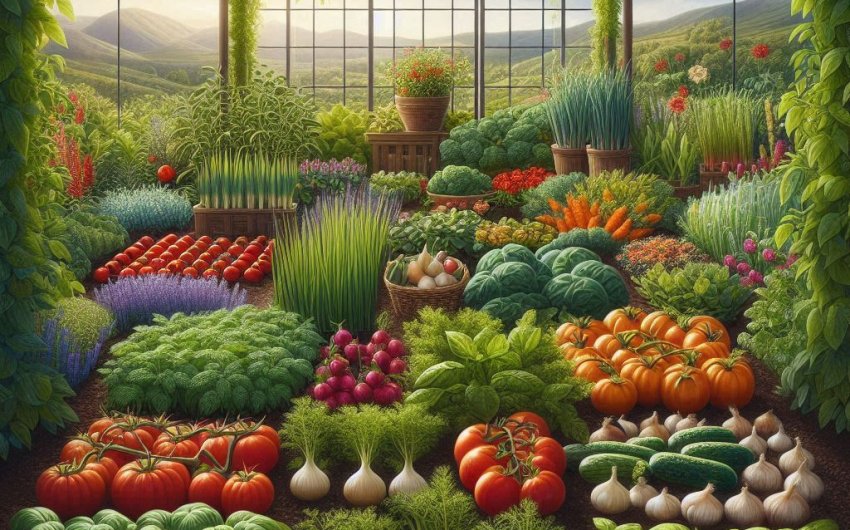
Creating a thriving vegetable garden is about more than just planting your favorite produce in neat rows. It's about building a miniature ecosystem where plants support each other, naturally enhancing growth and deterring common garden woes. This concept, known as companion planting, involves strategically placing different plant species near each other to leverage their beneficial interactions. From deterring pests and attracting beneficial insects to improving soil health and even boosting flavor, the right plant pairings can transform your garden into a more productive and resilient space. Let's delve into what are companion plants for vegetable gardens and explore specific pairings that can help your edible patch flourish.
What is Companion Planting and Why Does It Matter?
The idea of companion planting has been practiced for centuries by gardeners who observed nature's symbiotic relationships. It's about creating a harmonious environment where plants work together.
How Does Companion Planting Benefit a Vegetable Garden?
The advantages of companion planting extend far beyond just pest control, touching on various aspects of garden health.
- Pest Deterrence: Perhaps the most well-known benefit. Some plants release compounds (chemicals) that repel common garden pests, either through their scent or by acting as a trap crop. For example, the strong smell of marigolds can deter nematodes in the soil.
- Attracting Beneficial Insects: Certain flowers and herbs act as "nectar and pollen sources" for beneficial insects like ladybugs, lacewings, and predatory wasps. These helpful bugs then prey on or parasitize common garden pests, reducing the need for chemical interventions.
- Improving Soil Health: Some plants, particularly legumes (like beans and peas), have a special relationship with bacteria in the soil that allows them to "fix" nitrogen from the air and convert it into a usable form in the soil. This enriches the soil, making it more fertile for nitrogen-hungry plants nearby.
- Shade and Support: Taller, sun-loving plants can provide natural shade for shorter, more delicate plants that prefer a bit of shelter from intense afternoon sun. Strong, tall plants can also act as living trellises for climbing vines.
- Weed Suppression: Densely planted companions can create a living mulch, shading out weed seedlings and reducing their growth, saving you weeding time.
- Flavor Enhancement: While often anecdotal, some gardeners believe certain companion pairings can actually improve the taste of nearby vegetables. For example, basil is often said to make tomatoes taste better.
- Soil Aeration: Plants with deep taproots can help break up compacted soil, making it easier for other plants' roots to grow and for water and nutrients to penetrate.
- Improved Overall Plant Vigor: By creating a healthier, more balanced ecosystem, companion planting can lead to stronger, more resilient plants that are better able to withstand stress.
Essential Companion Plants and Their Superpowers
Certain plants are superstars in the companion planting world, offering multiple benefits to a wide range of vegetables. These are great starting points for any gardener.
Which Plants are Must-Haves for Companion Planting?
These versatile plants should be on every gardener's list.
- Marigolds (Tagetes spp.):
- Superpower: Pest deterrence (especially nematodes).
- Benefits: French marigolds (Tagetes patula) are particularly effective at repelling nematodes, tiny soil worms that can damage plant roots. Their strong scent also deters other pests like whiteflies and aphids. They attract beneficial insects.
- Good Companions For: Tomatoes, potatoes, roses, beans, strawberries, squash. Plant them generously throughout your garden beds. You can find French marigold seeds.
- Nasturtiums (Tropaeolum majus):
- Superpower: Trap cropping and beauty.
- Benefits: Nasturtiums are "sacrificial plants" or "trap crops." Aphids love them more than almost anything else. Plant them near susceptible plants (like brassicas or fruit trees), and aphids will flock to the nasturtiums, leaving your vegetables alone. You can then easily remove and destroy the infested nasturtiums. Their edible flowers and leaves also add a peppery kick to salads.
- Good Companions For: Brassicas (cabbage, broccoli, kale), tomatoes, fruit trees, radishes, cucumbers. Look for nasturtium seeds.
- Calendula (Pot Marigold) (Calendula officinalis):
- Superpower: Attracting beneficials and deterring nematodes.
- Benefits: Like marigolds, calendula helps deter nematodes in the soil. Its bright, cheerful flowers are excellent for attracting pollinators and beneficial insects, particularly hoverflies, which are natural predators of aphids. The petals are also edible and medicinal.
- Good Companions For: General garden use, especially near tomatoes, carrots, and asparagus. Find calendula seeds.
- Borage (Borago officinalis):
- Superpower: Attracting pollinators and improving soil.
- Benefits: Borage is a fantastic pollinator magnet, especially for bees, which are crucial for fruit set in many vegetables. It's also thought to deter tomato hornworms and cabbage worms. As it decomposes, it adds beneficial minerals back to the soil. Its leaves and flowers are edible.
- Good Companions For: Tomatoes, strawberries, squash, cucumbers, cabbage. Look for borage seeds.
- Comfrey (Symphytum officinale):
- Superpower: Dynamic accumulator and soil improver.
- Benefits: Comfrey has incredibly deep taproots that mine nutrients (especially potassium) from deep in the soil, making them available to other plants when its leaves decompose. It's often used as a "chop and drop" mulch or to make nutrient-rich compost tea. It also attracts pollinators.
- Good Companions For: Fruit trees, berries, and heavy feeders like tomatoes and squash (plant at a distance as it can spread aggressively). Find comfrey root cuttings.
- Legumes (Beans, Peas):
- Superpower: Nitrogen fixers.
- Benefits: Beans and peas (and other legumes like clover) form a symbiotic relationship with rhizobia bacteria in their root nodules. These bacteria take nitrogen from the air and convert it into a form plants can use, enriching the soil. This benefits nitrogen-hungry plants nearby.
- Good Companions For: Corn (the "three sisters" method), carrots, cucumbers, potatoes, leafy greens, brassicas.
- Allium Family (Onions, Garlic, Chives, Leeks):
- Superpower: Broad-spectrum pest deterrence.
- Benefits: The strong scent of alliums repels a wide range of pests, including aphids, carrot rust flies, slugs, and Japanese beetles. Garlic is particularly noted for deterring some fungal diseases.
- Good Companions For: Carrots, tomatoes, brassicas, roses, fruit trees, celery, beets. You can find garlic planting bulbs or chives seeds.
Specific Companion Plant Pairings for Common Vegetables
Let's get down to the nitty-gritty: how do specific vegetables benefit from their companion plants?
What Plants Pair Well with My Favorite Vegetables?
Here are some tried-and-true combinations to boost your harvest.
- Tomatoes:
- Good Companions:
- Basil: Enhances flavor, repels flies and hornworms. Plant basil directly next to your tomato plants.
- Marigolds (French): Deters nematodes and other soil pests.
- Borage: Deters tomato hornworms, attracts pollinators.
- Carrots: Loose soil around roots.
- Onions/Garlic: Repel aphids and spider mites.
- Lettuce/Spinach: Benefit from tomato shade in hot weather.
- Bad Companions:
- Brassicas (Cabbage, Broccoli): Can stunt growth.
- Corn: May attract corn earworms to tomatoes.
- Fennel: Inhibits growth of most plants.
- Good Companions:
- Cabbage & Other Brassicas (Broccoli, Kale, Kohlrabi, Brussels Sprouts):
- Good Companions:
- Dill: Attracts beneficial wasps that parasitize cabbage worms.
- Mint: Deters cabbage moths and flea beetles (plant in a pot to contain spread).
- Rosemary: Deters cabbage moths.
- Thyme: Deters cabbage worms.
- Nasturtiums: Trap crop for aphids.
- Onions/Garlic: Repel cabbage loopers and diamondback moths.
- Beans (Bush Beans): Nitrogen fixers.
- Bad Companions:
- Strawberries: Can stunt growth.
- Tomatoes: Can inhibit growth.
- Good Companions:
- Carrots:
- Good Companions:
- Rosemary: Deters carrot rust fly.
- Marigolds: Deters nematodes.
- Lettuce/Radishes: Loosen soil and act as a living mulch.
- Chives/Leeks: Repel carrot rust fly.
- Bad Companions:
- Dill: Can stunt carrot growth.
- Good Companions:
- Cucumbers:
- Good Companions:
- Nasturtiums: Trap crop for aphids.
- Radishes: Deter cucumber beetles.
- Marigolds: General pest deterrent.
- Beans/Peas: Nitrogen fixers.
- Borage: Attracts pollinators, said to improve growth and flavor.
- Corn: Provides a trellis (plant corn first).
- Bad Companions:
- Aromatic Herbs (e.g., strong mints): Can stunt growth.
- Good Companions:
- Peppers (Bell Peppers, Chili Peppers):
- Good Companions:
- Basil: May improve flavor, deters flies and mosquitoes.
- Carrots: Good for soil loosening.
- Onions/Garlic: General pest deterrents.
- Spinach/Lettuce: Provide ground cover and retain moisture.
- Bad Companions:
- Fennel: Can stunt growth.
- Good Companions:
- Potatoes:
- Good Companions:
- Beans (Bush Beans): Nitrogen fixers.
- Cabbage/Broccoli: May repel Colorado potato beetles.
- Marigolds: Deters nematodes.
- Nasturtiums: Trap crop for aphids.
- Bad Companions:
- Tomatoes: Both are members of the nightshade family and susceptible to the same blights and pests.
- Pumpkins/Squash: Can compete for nutrients.
- Good Companions:
- Squash/Pumpkins (Winter and Summer Squash):
- Good Companions:
- Nasturtiums: Trap crop for squash bugs and cucumber beetles.
- Marigolds: Deters nematodes.
- Borage: Attracts pollinators, deters squash vine borers.
- Corn: Provides a trellis (Three Sisters method).
- Radishes: May deter squash bugs.
- Bad Companions:
- Potatoes: Can compete for nutrients.
- Good Companions:
- Corn:
- Good Companions:
- Beans/Peas: Nitrogen fixers, climb the corn stalks.
- Squash/Pumpkins: Shade the ground, suppress weeds (Three Sisters method).
- Cucumbers: Can also climb corn stalks.
- Melons: Provide ground cover.
- Bad Companions:
- Tomatoes: Can share some pest issues.
- Good Companions:
Herbs as Companion Plants: More Than Just Flavor
Herbs are not just for the kitchen; many are powerful allies in the garden, providing strong scents and attracting beneficial insects.
Which Herbs Make Great Companions?
Their potent aromas and attractive flowers make herbs invaluable.
- Basil:
- Benefits: Repels flies and mosquitoes, deters tomato hornworms. Many gardeners believe it enhances the flavor of tomatoes.
- Good Companions For: Tomatoes, peppers, oregano, asparagus. Find sweet basil seeds.
- Mint:
- Benefits: Deters a wide range of pests, including cabbage moths, aphids, flea beetles, and rodents. (Warning: Mint is very aggressive; plant in a pot buried in the ground or in its own container to prevent it from taking over).
- Good Companions For: Cabbage, tomatoes, carrots. Look for mint plant starts.
- Rosemary:
- Benefits: Deters carrot rust flies, cabbage moths, bean beetles. Its woody scent can confuse pests.
- Good Companions For: Carrots, cabbage, beans, sage. You can find rosemary plants.
- Thyme:
- Benefits: Deters cabbage worms. Low-growing, can act as a living mulch.
- Good Companions For: Cabbage, broccoli, kale. Look for thyme seeds.
- Dill:
- Benefits: Attracts beneficial insects like ladybugs, predatory wasps, and hoverflies, which prey on aphids and other pests.
- Good Companions For: Cabbage, lettuce, onions, cucumbers.
- Bad Companions: Carrots (can stunt growth). Find dill seeds.
- Parsley:
- Benefits: Attracts beneficial insects (especially hoverflies) and can be a host plant for Swallowtail butterflies.
- Good Companions For: Asparagus, corn, tomatoes, roses.
- Sage:
- Benefits: Deters cabbage moths, carrot rust flies, flea beetles.
- Good Companions For: Cabbage, carrots, rosemary.
- Bad Companions: Cucumbers.
Flowers as Companion Plants: Beauty and Function
Don't relegate flowers to separate ornamental beds. Many flowering plants are fantastic working companions in the vegetable garden.
Which Flowers Support Vegetable Growth?
These blooms do more than just look pretty.
- Sweet Alyssum (Lobularia maritima):
- Benefits: Low-growing groundcover that smothers weeds. Its tiny white flowers attract a huge array of beneficial insects, especially parasitic wasps and hoverflies, which are excellent for aphid control.
- Good Companions For: Almost any vegetable, especially brassicas, lettuce, and around the base of taller plants. You can find sweet alyssum seeds.
- Cosmos (Cosmos bipinnatus):
- Benefits: Tall, cheerful flowers that attract bees, butterflies, and lacewings (which prey on aphids). They can also provide light shade for lower-growing plants.
- Good Companions For: General garden use, particularly behind shorter vegetables or near pollinator-dependent plants like squash. Look for cosmos seeds.
- Zinnias (Zinnia elegans):
- Benefits: Vibrant, long-lasting blooms that are pollinator magnets, drawing in bees and butterflies. They also attract lacewings and other beneficials.
- Good Companions For: General garden use, especially near fruit-bearing vegetables that need pollination. Find zinnia seeds.
- Sunflowers (Helianthus annuus):
- Benefits: Tall stalks can provide support for climbing beans or cucumbers. Their large blooms attract a wide range of pollinators. Can also act as a windbreak for more delicate plants.
- Good Companions For: Corn, pole beans, cucumbers, squash.
Understanding Incompatible Pairings: What to Avoid
Just as some plants are allies, others can be detrimental when planted together. Knowing what to avoid is as important as knowing what to pair.
What Plants Should Not Be Planted Together?
Some combinations can lead to stunted growth or increased pest problems.
- Fennel (Foeniculum vulgare):
- Why avoid: Fennel is notoriously allelopathic, meaning it releases substances into the soil that inhibit the growth of many other plants.
- Avoid with: Most vegetables, especially tomatoes, bush beans, kohlrabi, and caraway. Best to grow fennel in its own container or a secluded spot.
- Walnuts (Juglans spp.):
- Why avoid: Black walnut trees produce juglone, a toxic chemical that inhibits the growth of many plants.
- Avoid with: Tomatoes, potatoes, peppers, eggplant, blueberries, apples, and many other garden plants.
- Members of the Same Family:
- Why avoid: Planting too many members of the same plant family together can deplete specific nutrients from the soil faster and increase the risk of shared pests and diseases spreading rapidly.
- Examples: Avoid planting tomatoes near potatoes (both nightshades). Avoid planting different types of brassicas too close, or planting brassicas where they were grown the previous year.
- Extremely Aggressive Growers:
- Why avoid: Plants like some mint varieties or certain types of comfrey can quickly spread and outcompete less vigorous vegetables for resources.
- Solution: If you want to use these beneficial plants, consider growing them in containers or in a dedicated area with root barriers to contain their spread.
Designing Your Companion Plant Garden: Practical Tips
Integrating companion planting into your garden design doesn't have to be complicated. Start small and observe.
How Can I Plan My Companion Plant Layout?
Thoughtful placement enhances the benefits of companion planting.
- Interplanting: Don't just plant in separate rows. Interplant your companions directly within your vegetable beds. For example, scatter marigold seeds among your tomatoes, or plant basil between your pepper plants.
- Borders: Create borders of beneficial herbs or flowers around your entire vegetable garden or around specific beds to form a protective perimeter.
- Vertical Space: Utilize climbing companions on trellises, fences, or even up corn stalks to maximize space and provide shade or support.
- Consider Succession Planting: As some plants finish their cycle, replace them with a companion that will benefit the next crop or attract beneficials during a later season.
- Start Small: Don't try to implement every single companion planting rule at once. Choose a few combinations that appeal to you or address specific problems you've had (like aphids on certain plants).
- Observe and Learn: Pay attention to how your plants react to their companions. What works well in one garden might be less effective in another due to microclimate, soil, or specific pest pressures. Keep a garden journal to track your successes and failures.
- Diversity is Key: The more diverse your plant palette, the healthier your garden ecosystem will be. A mix of different flower shapes, colors, and bloom times will attract a wider range of beneficial insects.
- Don't Overcrowd: While companion planting encourages density, still ensure adequate air circulation between plants to prevent fungal diseases.
- Continuous Blooming: Choose companion flowers that have long blooming periods or re-bloom after deadheading to ensure a continuous supply of nectar and pollen for beneficial insects throughout the growing season.
Embracing the principles of companion planting can profoundly impact the health, vigor, and productivity of your vegetable garden. By strategically pairing your plants, you can create a more resilient, self-sustaining ecosystem that reduces reliance on chemical interventions, attracts helpful wildlife, and potentially even improves the flavor of your homegrown produce. It's a natural, holistic approach to gardening that rewards patience and observation with a more beautiful and bountiful harvest.