
How Often Should I Water My Vegetable Garden?
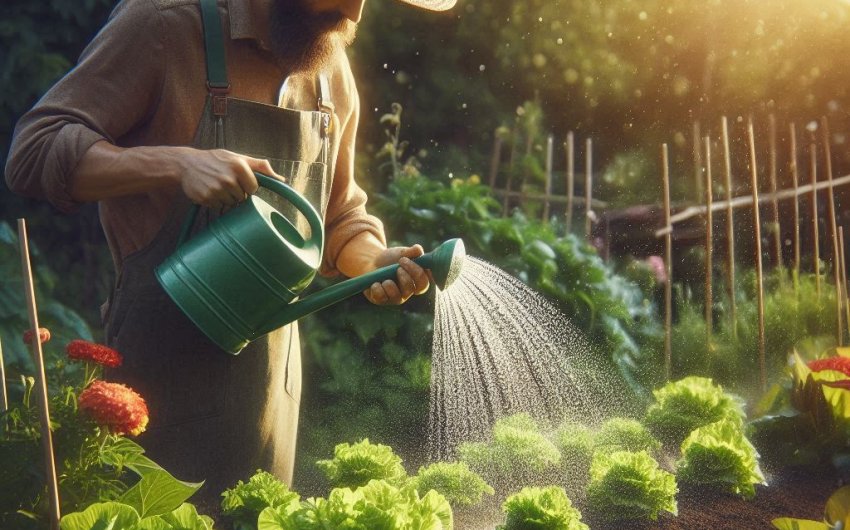
Determining the ideal frequency for watering a vegetable garden is a common challenge for both new and experienced growers. There's no single answer that fits every situation, as the proper watering schedule depends on a variety of interacting factors, including the type of plants, soil conditions, and prevailing weather patterns. Understanding these elements will help you develop an effective hydration strategy to ensure your crops thrive.
What Factors Influence How Often You Should Water Your Garden?
Several key elements play a crucial role in deciding how frequently your vegetable plants need water. Ignoring these factors can lead to either overwatering, which can suffocate roots, or underwatering, which causes wilting and stunted growth. Getting this balance right is essential for a productive harvest.
What Role Does Soil Type Play in Watering Needs?
The type of soil in your garden significantly impacts how often you need to water. Different soil structures hold water in different ways.
Sandy Soil: Drains Quickly, Needs More Frequent Watering
Sandy soil has large particles with large spaces between them. This means water drains very quickly through sandy soil, and it doesn't hold onto moisture for very long. If your garden has sandy soil, you'll generally need to water more frequently but with smaller amounts each time. Plants in sandy soil might need watering every day, especially during hot, dry weather. You'll notice sandy soil dries out quickly after rain or watering, so checking its moisture daily is a good practice. Adding organic matter like compost can help sandy soil retain more water, reducing the need for constant watering.
Clay Soil: Holds Water Well, Needs Less Frequent Watering
Clay soil has very small, tightly packed particles, meaning it holds onto water for a long time. Water drains very slowly through clay soil. While this can be good for water retention, it also means clay soil can become waterlogged easily, which can lead to root rot. If your garden has clay soil, you'll generally need to water less frequently but more deeply when you do. Allow the top few inches of clay soil to dry out before watering again. Overwatering clay soil is a common mistake that can harm plants. Improving drainage in clay soil by adding organic matter like peat moss or aged compost can help prevent waterlogging.
Loamy Soil: The Ideal Balance
Loamy soil is considered the ideal garden soil because it's a balanced mix of sand, silt, and clay particles. This combination allows loamy soil to drain well while still retaining enough moisture for plants. It's a "happy medium." If you have loamy soil, your watering schedule will likely be moderate – not too often, not too little. Loamy soil allows for deep watering, and you can usually wait a few days between waterings, depending on other factors like weather. This type of soil is usually forgiving, making it easier to maintain consistent moisture for your vegetables.
How Does Weather Affect Watering Frequency?
Weather conditions are perhaps the most immediate and noticeable factor influencing how often you should water your vegetable garden. What works one week might be completely wrong the next.
Hot and Sunny Weather: Increased Watering Needs
During periods of hot and sunny weather, especially combined with low humidity, plants lose water much faster through a process called transpiration. Transpiration is when plants release water vapor from their leaves. The warmer and sunnier it is, the more they transpire, and the more water they need. You'll likely need to water your garden more frequently, possibly even daily, during heatwaves. Early morning watering is best in hot weather as it allows the water to soak in before the sun gets too intense, reducing evaporation.
Cool and Cloudy Weather: Reduced Watering Needs
In contrast, cool and cloudy weather reduces the rate of transpiration, meaning plants use less water. The soil also holds moisture for longer because there's less evaporation from the sun. During these conditions, you will need to water less frequently. Overwatering during cool, cloudy periods can lead to problems like fungal diseases or root rot because the soil stays wet for too long. Always check the soil moisture before watering in cooler weather.
Rain: A Natural Source of Hydration
Rain is nature's way of watering your garden, and you should always take it into account. After a good rain, you may not need to water for several days, depending on the amount of rainfall and the soil type. However, a light drizzle might not penetrate deeply enough to reach plant roots. It's important to check the soil moisture after rain to see if your plants received enough water. A rain gauge, like a Stratus Precision Rain Gauge, can help you measure exactly how much water your garden received, informing your watering decisions.
How Do Plant Types and Their Growth Stages Impact Watering?
Not all vegetables have the same watering requirements. Their individual needs and their current stage of growth also play a significant role.
Water-Loving Vegetables vs. Drought-Tolerant Varieties
Some vegetables are inherently more water-loving than others. For instance, leafy greens like lettuce, spinach, and kale, as well as fruiting vegetables such as tomatoes, cucumbers, and peppers, generally require consistent moisture to produce well. They will show signs of stress, like wilting, more quickly if they don't get enough water. You'll often need to water these plants more regularly.
On the other hand, some vegetables are more drought-tolerant, meaning they can withstand drier conditions for longer periods. Examples include melons, gourds, and some root vegetables like carrots (once established). While they still need water, they can often go longer between waterings. Always research the specific watering needs of the vegetables you are growing.
Seedlings and Young Plants: High Watering Needs
Seedlings and young plants have very shallow root systems. This means they cannot reach deep into the soil for moisture, making them highly dependent on frequent, shallow watering. Their tiny roots can dry out very quickly. You'll typically need to water seedlings and young transplants daily, sometimes even twice a day, especially in warm weather. The goal is to keep the soil consistently moist but not soggy. A gentle mist or a watering can with a fine rose attachment, like a Bloem Easy Pour Watering Can, is best for these delicate plants to avoid disturbing their roots.
Established Plants: Deeper, Less Frequent Watering
Once plants are established and have developed a strong, deep root system, their watering needs change. They can access water from deeper in the soil, meaning they don't need to be watered as often. Instead, the focus shifts to deep, infrequent watering. This encourages their roots to grow even deeper, making them more resilient to dry spells. Aim to water deeply enough for the moisture to reach the entire root zone. This might mean letting the hose run slowly for a longer period or using a drip irrigation system.
Fruiting Stage: Critical for Consistent Moisture
For many vegetables, especially fruiting vegetables like tomatoes, peppers, squash, and beans, the fruiting stage is a critical period for consistent moisture. Inconsistent watering during this time can lead to problems like blossom end rot in tomatoes and squash (a condition caused by a calcium deficiency linked to inconsistent water uptake) or cracking in tomatoes. During flowering and fruit development, ensure your plants receive adequate and consistent water. This might mean increasing watering frequency slightly or ensuring very deep watering during dry periods.
How Can You Tell if Your Vegetable Garden Needs Water?
The best way to determine if your garden needs water isn't to follow a strict calendar schedule, but to observe your plants and your soil. These are your most reliable indicators.
The Finger Test: Your Go-To Method
The finger test is the simplest and most effective way to check soil moisture. Stick your finger about 2-3 inches deep into the soil near your plants.
- If the soil feels dry at this depth, it's time to water.
- If the soil feels moist, you can wait a bit longer.
For larger plants, go a little deeper, about 4-6 inches. This method gives you a direct reading of moisture levels where plant roots are actively taking up water. Do this test in a few different spots in your garden, as moisture levels can vary.
Observing Your Plants: Visual Cues of Thirst
Your plants will often give you visual cues when they are thirsty. Learning to recognize these signs can help you water before serious stress occurs.
Wilting Leaves: A Common Sign of Dehydration
The most common sign of a thirsty plant is wilting leaves. This is when the leaves look droopy or limp. Plants wilt because they are losing more water through transpiration than their roots can take up. However, it's important to note that some plants might temporarily wilt in the hottest part of a sunny day even when they have enough water; they recover in the evening. This is called midday wilt. If plants are still wilted in the morning or evening, then they are truly thirsty and need water.
Dull or Pale Foliage: Another Indicator
Besides wilting, thirsty plants might also have dull or pale foliage. Their leaves might lose their vibrant green color and appear lackluster. This is especially noticeable in vegetables like squash, cucumbers, or peppers. The plant's overall vigor might decrease, and growth can slow down.
Yellowing or Browning Leaves (Lower Leaves First): Severe Thirst
If thirst becomes severe and prolonged, the lower leaves of your vegetable plants might start to turn yellow or brown and eventually die off. This is the plant's way of conserving water, sacrificing older leaves to keep newer growth alive. While yellowing leaves can also indicate nutrient deficiencies, if combined with other signs of wilting and dry soil, it points to a lack of water.
Checking Soil Color and Texture: More Clues
The color and texture of the soil can also provide clues about its moisture content.
Lighter Soil Color: Usually Dry
Dry soil often appears lighter in color than moist soil. Darker, richer-looking soil usually means it's still holding water. This is a good visual indicator, but combine it with the finger test for accuracy.
Cracking or Hard Soil: Definitely Dry
If the soil surface looks cracked, hard, or pulled away from the base of the plant, it is definitely too dry and needs immediate watering. This is a sign of severe dehydration in the soil.
Soil That Crumbles Easily: Needs Water
When you pick up a handful of soil, dry soil will crumble easily through your fingers and feel very light. Moist soil, on the other hand, will hold its shape better and feel heavier. If it forms a ball but easily breaks apart when poked, it's usually at a good moisture level. If it's sticky and forms a tight ball that doesn't break, it's too wet.
What is the Best Time of Day and Method to Water Your Garden?
Just as important as how often you water is when and how you deliver that water. The right time and method can maximize water absorption by plants and minimize waste and problems.
Best Time: Early Morning
The best time of day to water your vegetable garden is in the early morning, typically between 6:00 AM and 9:00 AM. There are several reasons for this:
- Reduced Evaporation: The air is usually cooler and less windy in the morning, meaning less water will evaporate before it has a chance to soak into the soil and reach the plant roots.
- Time for Absorption: Watering in the morning gives the plants all day to absorb the water they need before the heat of the day sets in.
- Dry Foliage: Watering in the morning allows any moisture on the plant leaves to dry quickly in the sun, which helps prevent fungal diseases. If leaves stay wet overnight, it creates an ideal environment for diseases to thrive.
Second Best Time: Late Afternoon/Early Evening
If morning watering isn't possible, the late afternoon or early evening (before sunset) is the second-best option. The sun's intensity has usually decreased by this time, reducing evaporation compared to midday. However, the downside is that foliage might remain wet overnight, which can increase the risk of disease. If you water in the evening, try to water at the base of the plant and avoid getting the leaves wet.
Worst Time: Midday
Avoid watering in the midday sun, especially during hot weather. The majority of the water will evaporate almost immediately, never reaching the plant roots. This is incredibly inefficient and wasteful. Watering during midday also creates a sudden temperature drop in the soil that can stress some plants.
Watering Methods: Efficient Water Delivery
Choosing the right watering method can significantly impact water efficiency and plant health. The goal is always to get water directly to the plant's root zone, where it's needed most, rather than wetting the foliage unnecessarily.
Soaker Hoses: Efficient and Targeted Watering
Soaker hoses are one of the most efficient watering methods for vegetable gardens. These porous hoses weep water slowly and directly into the soil along their entire length. They deliver water precisely to the plant roots, minimizing evaporation and keeping foliage dry. This also saves water compared to overhead sprinklers. You can lay soaker hoses between rows of vegetables or in a grid pattern in raised beds. A Gilmour Flat Soaker Hose is a popular and effective choice for consistent moisture delivery. Once set up, they require little effort.
Drip Irrigation Systems: Precise and Automated
Drip irrigation systems are similar to soaker hoses but use a network of tubes and emitters to deliver small, precise amounts of water directly to the base of each plant. These systems are highly efficient, can be automated with a timer, and keep foliage dry, reducing disease risk. While the initial setup cost can be a bit higher than soaker hoses, the long-term water savings and convenience can make them worthwhile, especially for larger gardens. A Rain Bird Drip Irrigation Starter Kit can get you started with a basic system.
Watering Cans: For Smaller Areas and Seedlings
For small garden beds, containers, or newly planted seedlings, a watering can offers precise control. You can direct the water exactly to the base of each plant without wasting water or getting leaves wet. Using a watering can with a rose attachment provides a gentle shower that won't disturb delicate seedlings.
Hand Watering with a Hose: Deeper Penetration
When using a standard garden hose to hand water, attach a spray nozzle that allows for a gentle stream or shower. Avoid a strong, forceful jet, which can compact the soil or damage plants. Focus the water at the base of the plants, allowing it to soak in slowly and deeply. This encourages deeper root growth. While it's more time-consuming than automated systems, hand watering allows you to observe each plant closely. A Gilmour Heavy Duty Brass Twist Nozzle provides good control and durability.
Avoiding Overhead Sprinklers (Generally): Disease Risk
Generally, it's best to avoid overhead sprinklers for vegetable gardens, especially in the evening. While they are convenient, they wet the foliage, which can promote fungal diseases like powdery mildew, particularly if the leaves don't dry out quickly. They also lose a significant amount of water to evaporation. If you must use a sprinkler, do so in the early morning to allow leaves to dry.
What Are Some Smart Watering Strategies for Your Vegetable Garden?
Beyond understanding when and how to water, adopting smart strategies can optimize your watering efforts, conserve water, and lead to healthier, more productive plants.
Water Deeply and Infrequently: Encouraging Strong Roots
One of the most important principles for watering a vegetable garden is to water deeply and infrequently. Instead of light, daily sprinkles, aim for a thorough soaking that penetrates deep into the soil. This encourages plant roots to grow downwards, seeking out moisture in the lower soil layers. Plants with deep root systems are more resilient to dry spells and heat stress. A good deep watering might mean giving each plant or a section of the garden a steady flow of water for 20-30 minutes, allowing it to really soak in. The exact duration will depend on your soil type and how quickly water drains.
Mulch: Conserving Soil Moisture
Mulching is an incredibly effective and often overlooked strategy for conserving soil moisture. A layer of organic mulch, such as straw, shredded leaves, or wood chips, applied around your vegetable plants provides several benefits:
- Reduces Evaporation: Mulch acts as a barrier, significantly slowing down the evaporation of water from the soil surface due to sun and wind. This means your soil stays moist longer, and you'll need to water less often.
- Suppresses Weeds: Mulch also smothers weeds, which compete with your vegetable plants for water and nutrients.
- Regulates Soil Temperature: It helps keep soil temperatures more consistent, cooler in summer and warmer in winter.
- Improves Soil Health: As organic mulch breaks down, it adds valuable organic matter to your soil, improving its structure and water-holding capacity over time.
Apply a 2-4 inch layer of Gardens Alive! Organic Straw Mulch around your plants, keeping it a few inches away from the plant stems to prevent rot.
Group Plants with Similar Water Needs: Efficient Layout
When planning your vegetable garden, try to group plants with similar water needs together. This makes your watering efforts much more efficient. For example, put your water-loving leafy greens and tomatoes in one area, and your more drought-tolerant root vegetables in another. This way, you avoid overwatering plants that prefer drier conditions or underwatering those that need consistent moisture.
Consider Raised Beds and Containers: Different Watering Dynamics
Raised beds and containers have different watering dynamics than in-ground gardens. Because they are above ground and often contain specialized potting mixes that drain very well, they tend to dry out much faster. You will almost certainly need to water plants in raised beds and containers more frequently than those in the ground, especially during warm weather. Small containers dry out faster than large ones. Check these daily, or even twice daily during peak summer heat. Self-watering containers, like the Garden Patch Grow Box, can help reduce watering frequency for container plants.
Monitor Soil Moisture Regularly: The Golden Rule
Regardless of the schedule you think you have, the most crucial strategy is to monitor soil moisture regularly. The weather changes, plants grow, and their needs evolve. Make it a habit to check the soil with your finger or a moisture meter, like a XLUX Soil Moisture Meter, every day or every other day, especially when you're first learning your garden's rhythm. This active observation is the best way to prevent both under- and overwatering.
Implement a Rain Gauge: Measuring Natural Precipitation
As mentioned earlier, a rain gauge is an invaluable tool for smart watering. It takes the guesswork out of how much natural precipitation your garden has received. A light drizzle might seem like a lot but often only wets the very top layer of soil. A proper rain gauge will tell you if the rain was deep enough to count as a significant watering event. Knowing how much rain fell can save you from unnecessary watering.
Look for Signs of Overwatering Too: Prevention is Key
While most people worry about underwatering, overwatering is just as, if not more, damaging to vegetable plants. Signs of overwatering include:
- Yellowing leaves (especially younger leaves): Often with a general unhealthy appearance.
- Stunted growth: Plants don't grow well even though they look "wet."
- Wilting despite wet soil: Roots are suffocated and can't take up water.
- Root rot: A tell-tale sign if you pull up a plant and its roots are mushy or slimy.
- Algae or fungus growing on the soil surface: Indicates consistently soggy conditions.
If you see these signs, back off on watering and allow the soil to dry out. Ensure good drainage, and consider adding organic matter to heavy soils.
Collect Rainwater: Sustainable Hydration
For an incredibly sustainable and budget-friendly watering strategy, consider collecting rainwater in a rain barrel. Rainwater is free, contains no chlorine or other chemicals found in tap water, and is typically at ambient temperature, which is less shocking to plants than cold tap water. A Good Ideas Rain Wizard Rain Barrel can be hooked up to your gutter system and provide a ready supply of excellent quality water for your vegetable garden.
Determining how often you should water your vegetable garden is a dynamic process that involves understanding your soil, observing the weather, knowing your plants' needs, and applying smart watering strategies.