
What is the Ideal Layout for a Vegetable Garden?
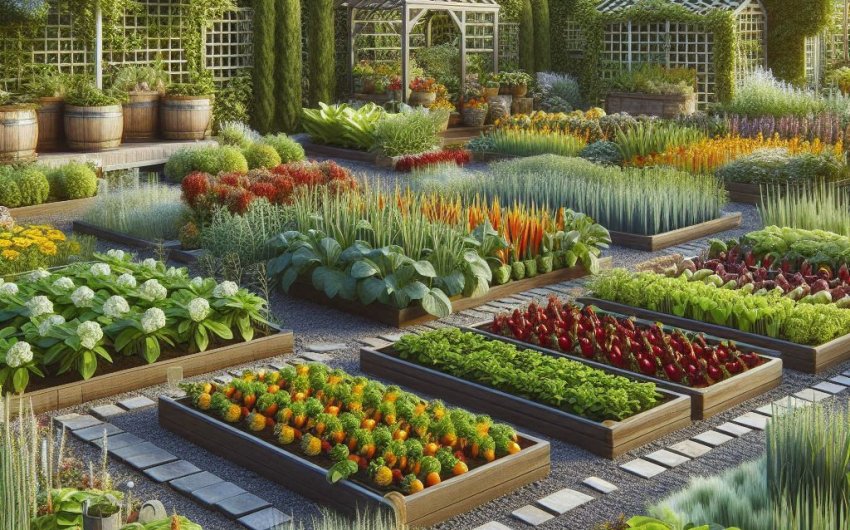
Designing the ideal layout for a vegetable garden is a foundational step towards a successful and abundant harvest. A well-planned garden maximizes productivity, simplifies maintenance, and ensures your plants receive everything they need to thrive. Beyond aesthetics, the right layout considers essential factors like sunlight, water access, and plant relationships, transforming a patch of soil into a highly efficient food-producing system. This comprehensive guide will walk you through various popular garden layouts, crucial planning considerations, and smart strategies to help you create a vegetable garden that perfectly suits your space, lifestyle, and gardening aspirations.
Why is a Well-Planned Vegetable Garden Layout So Important?
Investing time in planning the ideal layout for a vegetable garden might seem like an extra step, but it's arguably the most critical phase for long-term success. A thoughtful design pays dividends throughout the growing season and beyond.
Maximizing Productivity
- Optimal Resource Use: A good layout ensures every plant receives adequate sunlight, water, and nutrients. When plants aren't competing unnecessarily, they grow larger, healthier, and produce more.
- Space Efficiency: Especially important for small gardens, careful planning allows you to fit more plants into a given area without overcrowding, leading to a higher yield per square foot.
- Succession Planting: A clear layout makes it easier to plan for succession planting, where you plant new crops as old ones are harvested, ensuring a continuous supply of fresh vegetables throughout the season.
Simplifying Maintenance
- Easy Access: Well-defined pathways and bed sizes mean you can reach all plants without stepping on the soil (which causes compaction) or stretching uncomfortably. This makes weeding, harvesting, and pest inspection much easier.
- Efficient Watering: A logical layout allows for the efficient installation of irrigation systems like drip lines or soaker hoses, ensuring water is delivered precisely where needed with minimal waste.
- Pest and Disease Management: Spacing plants correctly and understanding companion planting can naturally deter pests and reduce the spread of diseases.
Enhancing Garden Health
- Sunlight Optimization: Plants vary in their light requirements. A good layout positions sun-lovers in full sun and provides some relief for those that prefer partial shade, preventing sunscald or leggy growth.
- Air Circulation: Proper spacing between plants promotes good airflow, which is crucial for preventing fungal diseases that thrive in stagnant, humid conditions.
- Soil Health: Clearly defined beds prevent soil compaction from foot traffic, maintaining healthy soil structure, which is essential for root growth and nutrient uptake.
In essence, the ideal layout for a vegetable garden transforms it from a haphazard collection of plants into an organized, productive, and enjoyable space, making your gardening journey smoother and more rewarding.
What Are the Essential Considerations Before Designing Any Garden Layout?
Before you even sketch out your first bed, there are fundamental factors unique to your specific location and gardening goals that must be carefully considered. These lay the groundwork for the ideal layout for a vegetable garden.
1. Sunlight Availability
This is the single most critical factor for most vegetables.
- Full Sun: Most fruiting vegetables (tomatoes, peppers, squash, cucumbers, corn, beans) require full sun, meaning at least 6-8 hours of direct sunlight per day, preferably midday sun.
- Partial Sun/Shade: Leafy greens (lettuce, spinach, kale), root vegetables (carrots, radishes, beets), and some herbs can tolerate or even prefer partial sun (4-6 hours), especially in hot climates where afternoon shade can prevent bolting or scorching.
- Sun Mapping: Observe your garden space throughout the day in different seasons. Note where the sun hits and for how long. Use a simple diagram or even an app to create a sun map of your potential garden area. Identify any existing shade sources (trees, fences, buildings) and how they shift.
2. Water Source and Drainage
Easy access to water is paramount for a vegetable garden.
- Proximity to Water: Locate your garden within easy reach of a hose spigot or rainwater barrel. Dragging heavy watering cans long distances is a chore you'll soon abandon.
- Water Pressure/Flow: Consider if your water pressure is sufficient for your chosen irrigation method (e.g., drip system).
- Drainage: Observe how water drains in the chosen spot.
- Poor Drainage: If water pools after rain, you'll need to improve drainage through raised beds or soil amendments. Soggy soil leads to root rot.
- Good Drainage: Water should drain away within a few hours.
3. Soil Quality
The foundation of a productive garden is healthy soil.
- Soil Test: Get a professional soil test to understand your soil's pH, nutrient levels, and texture. Your local extension office can usually provide this service.
- Soil Amendment: Be prepared to amend your soil with ample organic matter (compost, well-rotted manure). This improves drainage, water retention, and nutrient availability, regardless of your soil type (clay, sandy, or loam).
4. Accessibility and Pathways
- Easy Access to Beds: Plan pathways wide enough to comfortably walk, kneel, or use a wheelbarrow. Aim for at least 18-24 inches wide for main pathways.
- No Stepping on Beds: Ensure all parts of your garden beds are reachable without stepping on the cultivated soil. This prevents compaction, which is detrimental to root growth and soil health. This dictates bed width.
- Tool Storage: Consider proximity to tool storage and composting areas for convenience.
5. Wind and Air Circulation
- Windbreaks: In very windy areas, consider natural windbreaks (hedges, fences) on the prevailing wind side to protect tender plants.
- Airflow: Proper spacing between plants within beds promotes good air circulation, reducing humidity around foliage and minimizing fungal diseases. Avoid overcrowding.
By thoroughly evaluating these essential considerations, you'll gain the insights needed to create a practical, efficient, and truly ideal layout for a vegetable garden that maximizes your chances of success.
What Are Popular Layout Styles for Vegetable Gardens?
Once you've assessed your site, it's time to explore different layout styles. Each has its own advantages and suits different space constraints and gardening philosophies.
1. Row Gardening (Traditional)
This is the classic image of a vegetable garden, often seen in larger spaces.
- Description: Plants are grown in long, straight rows, typically running north-south to maximize sun exposure. Paths are usually wider between rows.
- Pros:
- Ease of Mechanization: Ideal for gardeners using tillers or other machinery.
- Simple to Plan: Straightforward for beginners to lay out.
- Good for Large Spaces: Can maximize yield in expansive areas.
- Cons:
- Inefficient for Small Spaces: Wastes space on pathways.
- Soil Compaction: Often requires stepping between rows, leading to compaction.
- Water Inefficiency: Can be less efficient for targeted watering methods.
- Best For: Large properties, farmers, or those who prefer traditional methods.
2. Raised Bed Gardening
A hugely popular and versatile option for many home gardeners.
- Description: Growing areas are enclosed by frames (wood, stone, metal) filled with amended soil, elevated above ground level. Beds are typically 3-4 feet wide, allowing access from both sides, with pathways between them.
- Pros:
- Excellent Drainage: Prevents waterlogging, crucial for many vegetables.
- Improved Soil Control: You fill them with your ideal soil mix, bypassing poor native soil.
- Reduced Weeds: Fewer weed seeds are introduced, and weeds that do appear are easier to pull.
- Easier Access: Less bending, and no soil compaction within beds.
- Extended Season: Soil warms faster in spring and stays warmer longer in fall.
- Cons:
- Initial Cost: Building materials can be an investment.
- Dries Out Faster: Requires more frequent watering than in-ground beds, especially in hot climates.
- Limited Depth: Roots of very deep-rooted plants might be restricted.
- Best For: Almost any gardener, especially those with poor soil, limited mobility, or smaller spaces. A cedar raised garden bed kit is a durable option.
3. Square Foot Gardening (Intensive Planting)
A method for maximizing yield in small spaces, often within raised beds.
- Description: A grid system is imposed on a bed (usually 4x4 feet), dividing it into 1-foot squares. Each square has a specific number of plants, depending on the plant's size.
- Pros:
- Highly Productive: Maximizes yield per square foot.
- Water Efficient: Plants are closer, creating canopy shading and reducing evaporation.
- Minimal Weeding: Very dense planting shades out weeds.
- Easy Planning: The grid simplifies planning and succession planting.
- Cons:
- Requires Precision: More attention to spacing.
- Higher Fertility Needs: Intensive planting can deplete soil nutrients faster.
- Limited for Large Vining Plants: While possible, vining plants need support and can quickly overwhelm squares.
- Best For: Small spaces, urban gardeners, beginners, or those wanting high yields from a small area.
4. Keyhole Gardens
- Description: A circular raised bed with a cut-out "keyhole" section that provides access to a central compost pile. Water and nutrients from the compost feed the surrounding plants.
- Pros:
- Water and Nutrient Efficient: Self-fertilizing and self-watering (from the compost).
- Easy Access: Compost access and reaching plants.
- Visually Appealing: Unique design.
- Cons:
- Circular Shape: Can be less space-efficient in rectangular areas.
- More Complex Build: Requires more effort to construct.
- Best For: Sustainable gardening, arid climates, or those seeking an innovative aesthetic.
5. Vertical Gardening
- Description: Growing plants upwards using trellises, arbors, vertical planters, stacked containers, or wall-mounted systems.
- Pros:
- Space Saving: Ideal for tiny yards, balconies, or patios.
- Accessibility: Easier harvesting at eye level.
- Reduced Pests/Diseases: Improved air circulation, keeps plants off the ground.
- Aesthetic Appeal: Can create living walls.
- Cons:
- Watering Frequency: Vertical systems tend to dry out quickly, requiring more frequent watering.
- Weight: Structures need to be sturdy.
- Cost: Initial setup can be more expensive.
- Best For: Urban gardeners, small spaces, or to add unique visual elements. A vertical garden planter can kickstart this.
Many gardeners combine elements of these styles, for instance, using raised beds with square foot gardening principles, or incorporating vertical elements within traditional beds. The ideal layout for a vegetable garden is often a hybrid that best fits your unique circumstances.
How Do I Plan and Sketch My Garden Layout?
Once you've chosen a layout style (or combination), it's time to put your ideas on paper. A detailed garden plan helps visualize your space and prevent common mistakes.
1. Measure and Scale Your Space
- Measure: Accurately measure the dimensions of your entire potential garden area. Note any fixed features like trees, fences, shed, or spigots.
- Draw to Scale: On graph paper or using a garden planning app, draw your garden space to scale. For example, 1 square on the graph paper could equal 1 foot in your garden. This is crucial for accurate planning.
2. Map Sunlight Patterns
- Overlay Sun Map: Transfer your sun map observations onto your scaled drawing. Mark areas that receive full sun, partial sun, and full shade. This will dictate where sun-loving and shade-tolerant plants go.
3. Design Bed Dimensions and Pathways
- Bed Width: If using raised beds or intensive planting, aim for beds no wider than 3-4 feet (maximum 5 feet), so you can reach the center from either side without stepping in the bed.
- Pathway Width: Ensure pathways are at least 18-24 inches wide for comfort and movement of tools.
- Orientation: Generally, orient long rows or beds from north to south. This allows plants on both sides to receive optimal morning and afternoon sun. If rows run east to west, place taller plants on the north side of the bed to avoid shading shorter plants.
4. Place Your Plants (Consider Height and Needs)
- Tall Plants to the North: Always place your tallest plants (e.g., staked tomatoes, corn, trellised beans, sunflowers) on the north side of your garden beds to prevent them from shading shorter plants to their south.
- Light Requirements: Group plants with similar sunlight needs.
- Vining Plants: Dedicate space for vining plants (cucumbers, squash, melons, vining beans) that can be trellised vertically to save space, or allow them to sprawl in open areas if you have room. A heavy-duty garden trellis can support these.
- Water Needs: Group plants with similar water needs for efficient irrigation. This is called hydrozoning.
5. Incorporate Succession Planting and Crop Rotation
- Succession Planting: Plan for how you will follow up early-season crops (like lettuce or radishes) with mid-season or late-season crops (like bush beans or carrots) in the same space. Note these plans on your layout.
- Crop Rotation: Make notes for next year's rotation. Don't plant the same family of vegetables in the same spot year after year. Rotate crops (e.g., nightshades, legumes, brassicas, root vegetables) to different beds to prevent nutrient depletion and disease buildup.
6. Add Supporting Elements
- Compost Bin: Place your compost bin in an accessible but out-of-the-way location.
- Tool Storage: Plan a convenient spot for your garden tools.
- Water Source: Mark your spigot or rainwater barrel.
- Seating/Work Area: If desired, plan a small area for a bench or a potting bench.
7. Draw and Redraw
Don't be afraid to sketch multiple versions! This iterative process helps refine your ideas. Using different colored pencils for different plant types or features can be helpful. A detailed sketch of the ideal layout for a vegetable garden acts as your blueprint for success.
How Do I Maximize Space and Productivity in My Layout?
Maximizing space and productivity is a primary goal for many gardeners, especially those with limited room. Strategic planning and smart planting techniques can yield impressive harvests even in compact areas.
1. Vertical Gardening
- Grow Up, Not Out: This is the ultimate space-saver. Utilize vertical structures for vining crops.
- Trellises: For cucumbers, pole beans, small squash varieties, peas, and even indeterminate tomatoes.
- Cages: For tomatoes.
- Arbors: For climbing beans, gourds.
- Vertical Planters/Stacking Pots: For strawberries, herbs, leafy greens. A stackable vertical garden can be great for patios.
- Benefits: Improves air circulation, keeps fruit off the ground (reducing rot), and makes harvesting easier.
2. Succession Planting
- Continuous Harvests: Don't let bare soil sit idle. As soon as an early-season crop (like lettuce, radishes, spinach) is harvested, replace it with another crop for a continuous yield.
- Examples: Follow spring lettuce with bush beans, or early peas with carrots.
- Staggered Planting: For crops like lettuce, radishes, or bush beans, plant small batches every 2-3 weeks instead of planting all at once. This ensures a steady supply rather than a glut, and allows you to fill space as it becomes available.
3. Interplanting (Companion Planting)
- Strategic Grouping: Planting different crops together in the same bed can make efficient use of space and even benefit each other.
- Fast and Slow: Plant fast-growing, shallow-rooted crops (like radishes or lettuce) between slower-growing, deeper-rooted plants (like broccoli or cabbage). The fast crop is harvested before the slower one needs the space.
- Pest Deterrence: Some plants can deter pests from others (e.g., marigolds or strong-smelling herbs to repel nematodes or aphids).
- Shade Providers: Plant tall crops (corn) to provide shade for shade-loving plants (lettuce) during hot afternoon sun.
- Examples: The "Three Sisters" method (corn, beans, squash) is a classic example of interplanting. Corn provides a stalk for beans to climb, beans fix nitrogen for the corn, and squash vines provide ground cover, suppressing weeds and retaining moisture.
4. Intensive Planting (Square Foot Gardening Principles)
- Closer Spacing: Instead of traditional rows, plant vegetables in a grid pattern or triangular pattern, spacing them closer together (but not so close as to hinder air circulation). This creates a living mulch, shading the soil and reducing evaporation and weeds.
- Measure Productivity: Focus on yield per square foot.
5. Dwarf and Compact Varieties
- Space-Saving Cultivars: When choosing seeds or plants, look for varieties specifically bred for compact growth or container suitability.
- Bush varieties: Instead of vining cucumbers, choose bush cucumbers.
- Dwarf tomatoes, mini bell peppers, patio eggplant.
- Container Gardening: Utilize pots and containers for small spaces or to extend your garden onto a patio or balcony. Choose appropriate grow bags or pots.
6. Edible Landscaping
- Integrate Food and Ornamentals: Don't limit your vegetable garden to a dedicated plot. Incorporate edible plants into your existing ornamental flower beds.
- Swiss chard: Beautiful colorful stems.
- Kale, lettuce: Attractive foliage.
- Herbs: Many herbs are beautiful and fragrant.
- Blueberry bushes, dwarf fruit trees: Can serve as attractive shrubs or small trees.
By creatively combining these techniques, you can design a vegetable garden layout that maximizes every inch of your space, leading to an incredibly productive and rewarding growing experience.
How Do I Plan for Crop Rotation in My Garden Layout?
Crop rotation is an indispensable strategy for long-term garden health and productivity, preventing pest and disease buildup and maintaining soil fertility. Incorporating it into your vegetable garden layout from the start is a smart move.
What is Crop Rotation and Why is it Important?
Crop rotation is the practice of growing a different type of crop in the same area of soil each season or year. It's crucial because:
- Prevents Disease Buildup: Many plant diseases are specific to a certain family of plants. If you grow the same crop in the same spot year after year, disease pathogens (fungi, bacteria, nematodes) can build up in the soil, leading to increased disease severity. Rotation "starves out" these pathogens.
- Manages Pests: Similarly, pests that feed on specific plant families (e.g., squash bugs on cucurbits) will multiply if their food source is constantly available. Rotation disrupts their life cycle.
- Balances Soil Nutrients: Different plant families have different nutrient requirements and can impact soil in various ways.
- Heavy Feeders: (e.g., corn, tomatoes, squash) deplete nitrogen and other nutrients.
- Light Feeders: (e.g., carrots, onions) have more modest needs.
- Nitrogen Fixers: (e.g., beans, peas - legumes) add nitrogen to the soil. Rotating these helps maintain overall soil fertility.
Grouping Plants for Rotation
To implement crop rotation effectively, group your vegetables by their botanical family. The goal is to avoid planting members of the same family in the same spot for at least 3-4 years.
| Plant Family | Common Vegetables | Typical Nutrient Needs | Common Pests/Diseases |
|---|---|---|---|
| Solanaceae | Tomatoes, Peppers, Eggplant, Potatoes | Heavy Feeders | Blight, Fusarium wilt, Verticillium wilt, Aphids |
| Cucurbitaceae | Squash, Pumpkins, Cucumbers, Melons | Heavy Feeders | Powdery mildew, Squash bugs, Cucumber beetles |
| Brassicaceae | Cabbage, Broccoli, Cauliflower, Kale, Radishes, Turnips | Moderate to Heavy Feeders | Cabbage worms, Clubroot, Flea beetles |
| Fabaceae (Legumes) | Beans (bush/pole), Peas | Nitrogen Fixers (light feeders) | Rust, Aphids, Bean beetles |
| Apiaceae | Carrots, Parsley, Celery, Dill | Light to Moderate Feeders | Carrot rust fly, Blight |
| Amaryllidaceae | Onions, Garlic, Leeks | Light to Moderate Feeders | Onion thrips, White rot |
| Asteraceae | Lettuce, Sunflower | Light to Moderate Feeders | Aphids, Downy mildew |
Implementing Crop Rotation in Your Layout
- Divide Your Garden: The easiest way to plan for rotation is to divide your garden space (or raised beds) into 3 or 4 distinct sections or zones.
- Assign Families: Each year, a different plant family (or group of families) will occupy a specific zone.
- Rotation Cycle: Over a 3-4 year period, each zone will host a different family.
- Year 1: Zone A - Legumes, Zone B - Heavy Feeders (Tomatoes/Squash), Zone C - Brassicas/Roots
- Year 2: Zone A - Brassicas/Roots, Zone B - Legumes, Zone C - Heavy Feeders
- Year 3: Zone A - Heavy Feeders, Zone B - Brassicas/Roots, Zone C - Legumes
- Year 4: Back to Year 1's assignments.
- Keep Records: Maintain a simple garden journal or map, noting what was planted where each year. This makes future planning easy.
- Perennials: Note that perennial plants (strawberries, asparagus, fruit trees) are an exception and do not fit into this rotation scheme. Plan their permanent locations carefully.
By integrating crop rotation into the ideal layout for a vegetable garden, you're not just optimizing for the current season, but building a foundation for sustainable, productive, and healthy gardening for years to come. Ultimately, the ideal layout for a vegetable garden is a dynamic blueprint that empowers you to grow efficiently, adapt to your environment, and enjoy the fruits (and vegetables) of your labor with greater ease and success. It's about combining intelligent design with smart gardening practices to create a thriving and productive food-producing oasis right in your own backyard.