
How Do I Start a Vegetable Garden for Beginners?
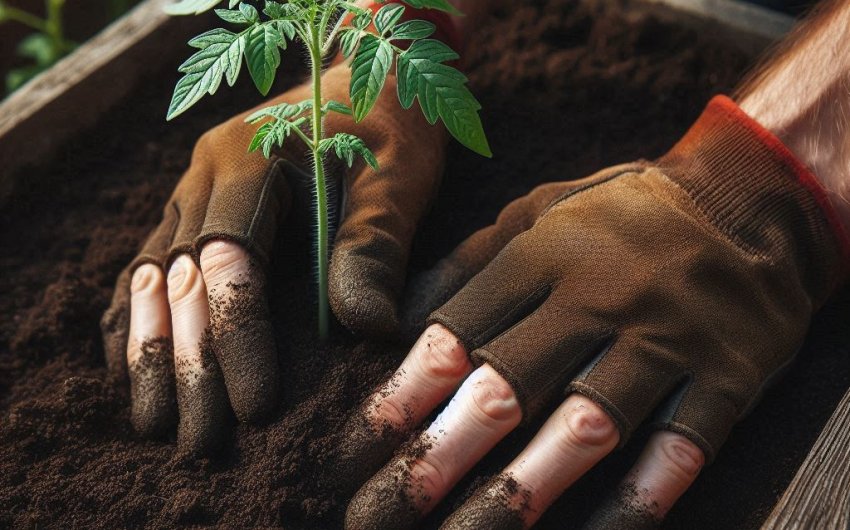
Embarking on the journey of growing your own food is a wonderfully rewarding experience, and this guide will show you how to start a vegetable garden for beginners. There's immense satisfaction in harvesting fresh produce from your backyard or patio, knowing exactly where your food comes from. This comprehensive guide will break down the process into simple, manageable steps, helping new gardeners cultivate a successful and bountiful harvest with confidence and ease.
Why should I start a vegetable garden?
The appeal of starting a vegetable garden goes far beyond just having fresh food. It's a holistic activity that can enrich your life in numerous ways, offering both practical benefits and personal satisfaction.
Here are some compelling reasons to dig in:
- Freshness and Flavor: This is often the primary motivator. Vegetables harvested directly from your garden often taste significantly better and are more vibrant than store-bought produce. They haven't traveled far, so they retain their peak flavor, texture, and nutritional value.
- Nutritional Value: Homegrown vegetables are typically richer in vitamins, minerals, and antioxidants, especially when harvested at their peak ripeness. You control the growing conditions, ensuring no harmful pesticides or chemicals are used, leading to cleaner, healthier food for you and your family.
- Cost Savings: While there's an initial investment in seeds, soil, and tools, growing your own vegetables can significantly reduce your grocery bill, especially for popular items like tomatoes, lettuce, and herbs.
- Food Security and Control: Knowing where your food comes from and having a direct hand in its production offers a sense of security and self-sufficiency. You're less reliant on external supply chains and market fluctuations.
- Stress Relief and Mindfulness: Gardening is a highly therapeutic activity. The act of working with soil, nurturing plants, and watching them grow can be incredibly calming, reducing stress and promoting mental well-being. It's a wonderful way to connect with nature and practice mindfulness.
- Physical Activity: Gardening provides moderate exercise. Digging, planting, weeding, and harvesting all contribute to physical fitness without feeling like a chore.
- Educational Opportunity: For families, a vegetable garden is a living classroom. Children learn about botany, ecosystems, where food comes from, patience, and responsibility. It encourages healthier eating habits from a young age.
- Environmental Benefits: Growing your own food reduces your carbon footprint by cutting down on transportation, packaging, and the use of chemical fertilizers and pesticides often associated with conventional farming. It promotes local food systems and biodiversity.
- Community Connection: Gardening can open doors to connecting with other gardeners, sharing tips, excess produce, and building a sense of community.
- Aesthetic Appeal: A well-designed vegetable garden, especially one with a mix of colorful produce and flowers, can be a beautiful and inviting addition to your yard or patio.
In essence, a vegetable garden is an investment in your health, your wallet, your environment, and your overall well-being. It's an accessible hobby for anyone, providing tangible rewards that you can literally taste and enjoy.
Where should I put my vegetable garden?
Choosing the right location for your vegetable garden is one of the most critical decisions you'll make as a beginner. The success of your plants largely depends on this factor. A well-chosen spot will provide the essential elements vegetables need to thrive.
Here are the key considerations for selecting the best location:
1. Sunlight
This is the absolute most important factor for almost all vegetables.
- Requirement: Most fruiting vegetables (like tomatoes, peppers, squash, cucumbers, beans) and many leafy greens need a minimum of 6-8 hours of direct sunlight per day. Root vegetables (carrots, radishes) and some leafy greens can tolerate slightly less, around 4-6 hours, but more sun almost always means better yields and healthier plants.
- Observation: Spend a day observing different spots in your yard. Note which areas get sun in the morning, midday, and afternoon. Use a notebook to draw a simple map and track the sunlight patterns throughout the day.
- Shade Issues: Avoid areas that are heavily shaded by large trees, fences, or buildings for most vegetables. Trees not only block light but also compete with your vegetables for water and nutrients with their extensive root systems.
2. Water Source
Vegetables need consistent watering, especially during dry spells.
- Proximity: Locate your garden within easy reach of a water source, whether it's a garden hose, a rain barrel, or a sprinkler system. Dragging hoses long distances or hand-carrying water buckets will quickly become a tiresome chore.
- Efficiency: Consider installing a soaker hose or drip irrigation system for more efficient and consistent watering, especially for raised beds or row gardens.
3. Soil Quality
While you can amend soil, starting with decent soil helps.
- Existing Soil: If planting directly in the ground, avoid areas with extremely rocky, compacted, or poorly draining soil.
- Soil Testing: It's highly recommended to get a soil test kit from your local extension office or a garden center. This will tell you your soil's pH and nutrient levels, guiding you on necessary amendments.
- Container Gardening/Raised Beds: If your ground soil is poor, or you have limited space, raised garden beds or large containers allow you to control the soil quality by filling them with high-quality potting mix or a blend of topsoil and compost.
4. Accessibility and Convenience
You'll be visiting your garden frequently for watering, weeding, and harvesting.
- Easy Access: Choose a spot that's easy to get to from your home. A garden that's out of sight can quickly become out of mind.
- Flat Ground: Relatively flat ground is easier to work with, prevents erosion, and ensures even water distribution. If you have a slope, consider terracing.
5. Protection
Consider protection from elements and pests.
- Wind: Strong winds can damage delicate young plants. If your chosen spot is windy, consider a fence, hedge, or temporary windbreak.
- Pests: Proximity to existing pest habitats (like dense weeds or wild areas) might increase pest pressure. Consider garden netting or fencing if deer or rabbits are a problem in your area.
Types of Garden Setups for Beginners:
- In-Ground Garden: The most traditional method, directly in your yard. Requires good existing soil or significant amendment.
- Raised Beds: Excellent for beginners. You build a frame (wood, stone, metal) and fill it with new soil. This allows for better drainage, warms up faster in spring, and reduces weeding. A good size for a beginner's raised bed is 4x8 feet or 4x4 feet. Corrugated metal raised beds are durable and popular.
- Container Garden: Perfect for small spaces, balconies, patios, or urban dwellers. Use large pots (fabric grow bags are great), troughs, or even vertical planters. Many vegetables can thrive in containers, including tomatoes, peppers, lettuce, and herbs. Ensure all containers have drainage holes.
By carefully evaluating these factors, you'll choose the best spot to maximize your chances of success and truly enjoy starting a vegetable garden.
What are the easiest vegetables for beginners to grow?
When you're just learning how to start a vegetable garden, choosing easy-to-grow vegetables is essential for building confidence and ensuring a rewarding first harvest. These varieties are generally more forgiving of common beginner mistakes and tend to produce reliably.
Here’s a list of some of the easiest vegetables for beginners:
1. Leafy Greens
These are fast-growing and provide continuous harvests.
- Lettuce:
- Types: Loose-leaf varieties (e.g., 'Black Seed Simpson', 'Salad Bowl') are easiest.
- Growing: Plant from seed or seedlings. Prefers cooler weather, so plant in spring and fall. Can tolerate some partial shade.
- Harvesting: "Cut-and-come-again" – snip outer leaves as needed, and the plant will continue to produce.
- Spinach:
- Growing: Similar to lettuce, prefers cool weather. Can bolt (go to seed) in hot temperatures.
- Harvesting: Pick outer leaves.
- Swiss Chard:
- Growing: More heat tolerant than lettuce or spinach. Produces beautiful colorful stalks ('Bright Lights' is popular).
- Harvesting: Harvest outer leaves as needed.
- Kale:
- Growing: Very hardy and cold-tolerant. Can be harvested even after light frosts.
- Harvesting: Pick outer leaves, leaving the center to grow.
2. Root Vegetables
These are simple once you have good soil.
- Radishes:
- Growing: Incredibly fast! Ready in as little as 3-4 weeks from seed. Needs loose, well-draining soil.
- Harvesting: Pull when roots are small and firm. Don't let them get too big, or they become woody and hot.
- Carrots:
- Growing: Needs loose, stone-free soil to grow straight. Plant directly from seed.
- Harvesting: Pull when roots are a good size.
- Bush Beans:
- Types: Green beans, wax beans.
- Growing: Easy from seed. Prefer full sun. Don't require staking (unlike pole beans).
- Harvesting: Pick pods regularly to encourage more production.
3. Fruiting Vegetables (Choose compact varieties for containers)
These require more sun but offer great rewards.
- Cherry Tomatoes:
- Types: Indeterminate (keep growing) and determinate (grow to a certain size). For beginners, a determinate bush variety like 'Patio' or 'Celebrity' is often easier, especially in containers.
- Growing: Need full sun, consistent water, and support (a tomato cage or stake).
- Harvesting: Pick when fully colored and firm.
- Zucchini (Summer Squash):
- Growing: Very prolific! One or two plants are often enough for a family. Needs full sun and consistent water.
- Harvesting: Pick small and often. If they get too big, they become seedy and less flavorful.
- Cucumbers (Bush Varieties):
- Growing: Look for "bush" or "compact" varieties that don't vine extensively, suitable for smaller spaces or containers.
- Harvesting: Pick regularly when they reach desired size.
4. Herbs
Technically not vegetables, but essential for any kitchen garden. (See "Mini Herb Garden" for more detail).
- Basil: Needs full sun, consistent moisture, very popular for cooking.
- Mint: Very easy but must be grown in its own container as it spreads aggressively.
- Chives: Perennial, comes back every year, mild oniony flavor.
- Parsley: A biennial (two-year life cycle), good for continuous harvest.
Here’s a quick table for easy beginner vegetables:
| Vegetable | Growth Type | Sun Needs | Key Characteristic |
|---|---|---|---|
| Lettuce | Leafy Green | Full to Partial | Fast, cut-and-come-again |
| Spinach | Leafy Green | Full to Partial | Fast, cool weather lover |
| Swiss Chard | Leafy Green | Full | Tolerates heat, colorful |
| Kale | Leafy Green | Full | Very hardy, cold-tolerant |
| Radishes | Root Vegetable | Full | Super fast (3-4 weeks) |
| Carrots | Root Vegetable | Full | Needs loose soil, direct sow |
| Bush Beans | Fruiting/Legume | Full | Productive, no staking |
| Cherry Tomatoes | Fruiting (Bush) | Full | Easy to grow in containers |
| Zucchini | Fruiting (Bush) | Full | Very prolific |
| Cucumbers | Fruiting (Bush) | Full | Productive, easy to train |
Start small with 3-5 of these easy options. As you gain experience, you can expand your vegetable garden to include more challenging plants.
What tools and supplies do I need for a beginner's vegetable garden?
You don't need a professional landscaper's shed full of equipment to start a vegetable garden. For beginners, a few essential tools and supplies will get you digging, planting, and harvesting effectively. Focus on quality basics that will last.
Here's a breakdown of what you'll need:
1. Basic Hand Tools
- Hand Trowel: An indispensable tool for digging small holes for planting, transplanting seedlings, and breaking up small clods of soil. Look for a sturdy one-piece design that won't bend easily.
- Hand Fork/Cultivator: Small, claw-like tool perfect for loosening soil, weeding in tight spaces, and mixing in amendments.
- Pruning Shears or Garden Scissors: Essential for harvesting vegetables (especially those with tough stems), pruning plants to encourage bushier growth, and deadheading. Clean, sharp cuts are better for plant health. Bypass pruners are good for cleaner cuts than anvil pruners.
- Weeding Tool: A hula hoe (stirrup hoe) or a simple garden hoe can be very effective for removing weeds with minimal effort, especially in raised beds or larger rows.
2. Watering Equipment
- Watering Can: A watering can with a fine rose attachment is perfect for gentle watering of seedlings and containers, preventing soil erosion.
- Garden Hose with Nozzle: For larger garden beds, a good quality garden hose and an adjustable spray nozzle are necessary. Choose a nozzle with a "shower" setting for gentle watering.
- Soaker Hose or Drip Irrigation (Optional but Recommended): For efficiency and consistency, especially in raised beds or ground beds. A soaker hose system delivers water directly to the soil, reducing evaporation and preventing wet foliage (which can lead to disease).
3. Soil and Amendments
- Potting Mix (for containers/raised beds): If you're doing container gardening or filling raised beds, you'll need a good quality, well-draining potting mix specifically designed for vegetables or general use. Avoid heavy garden soil in pots.
- Compost: Absolutely essential for enriching any garden soil, whether in-ground or raised beds. Compost improves soil structure, drainage, water retention, and provides nutrients. You can buy it bagged or start your own compost pile.
- Soil Amendments (based on soil test): If your soil test indicates deficiencies or pH issues, you might need specific amendments like lime (to raise pH) or sulfur (to lower pH).
4. Plant Supports
- Tomato Cages/Stakes: Essential for supporting vining plants like tomatoes and some cucumbers and peppers. A sturdy tomato cage will prevent plants from sprawling and breaking under the weight of their fruit.
- Trellis: For vining cucumbers, beans (pole beans), peas, or even small squash, a garden trellis saves space and keeps fruit off the ground.
5. Personal Protective Equipment (PPE)
- Garden Gloves: Protect your hands from dirt, thorns, and blisters. Look for durable, comfortable gardening gloves.
6. Seeds or Seedlings
- Vegetable Seeds: Choose varieties suitable for your climate and growing season. Look for reputable brands and consider open-pollinated or heirloom seeds if you want to save them for next year.
- Starter Plants (Seedlings): Purchased from a nursery or garden center, these give you a head start and are great for beginners for certain plants.
7. Optional but Helpful Items
- Wheelbarrow or Garden Cart: For moving soil, compost, or tools around your garden.
- Soil Test Kit: Highly recommended to understand your soil's current condition.
- Garden Journal: A notebook to record planting dates, harvest times, observations about plant growth, and pest issues. This helps you learn and improve each season.
- Mulch: Materials like straw, shredded leaves, or wood chips. Applied around plants, mulch helps retain soil moisture, suppress weeds, and regulate soil temperature.
By gathering these basic tools and supplies, you'll be well-equipped to successfully embark on starting a vegetable garden and enjoy the fruits (and vegetables!) of your labor.
How do I prepare the garden soil for planting?
Proper soil preparation is the bedrock of a successful vegetable garden. Healthy soil provides the necessary nutrients, water, and air for roots to thrive, directly impacting the health and productivity of your plants. This step is crucial for beginners, as good soil can compensate for minor watering or light inconsistencies.
1. Clear the Area
- Remove Weeds and Debris: Before doing anything else, clear the chosen garden spot of all existing weeds, grass, rocks, and any debris. For established grass, you can:
- Sheet Mulch/Lasagna Gardening: Lay down cardboard (remove tape/labels) directly over the grass, then layer with organic materials (compost, leaves, straw, newspaper). This smothers grass and weeds while building soil. It takes time (several months to a year) but is great for no-dig gardens.
- Solarization: Cover the area with clear plastic sheeting during the hottest months. The sun's heat bakes the soil, killing weeds, seeds, and some pathogens.
- Manual Removal: Dig up grass and weeds by hand or with a garden fork. For heavy grass, consider renting a sod cutter.
- Mark the Garden Boundary: Use string and stakes or a hose to outline the shape of your garden beds.
2. Improve Drainage (if needed)
- Poor Drainage Test: Dig a small hole (about 1 foot deep) and fill it with water. If the water drains within a few hours, your drainage is good. If it sits for more than 12-24 hours, you have poor drainage.
- Solutions for Poor Drainage:
- Add Organic Matter: Incorporate a generous amount of compost and other organic materials like well-rotted leaves or aged manure. This helps break up heavy clay soils and improves their structure.
- Raised Beds: If drainage is a major issue, building raised beds is an excellent solution, as you bring in new, well-draining soil.
3. Add Organic Matter (Always!)
This is the single most important step for improving almost any garden soil.
- Benefits: Organic matter improves soil structure (making clay less dense and sand more water-retentive), provides essential nutrients, feeds beneficial soil microorganisms, and enhances drainage and aeration.
- Sources: Use generous amounts of well-rotted compost, aged manure, or leaf mold.
- Application: Spread a layer of 2-4 inches of compost over the entire garden area.
4. Loosen and Amend the Soil
- Digging/Tilling (for in-ground beds):
- Shovel or Fork: Use a garden shovel or a broadfork to loosen the soil to a depth of at least 8-12 inches.
- Mix in Amendments: As you dig, incorporate the compost and any other necessary amendments (based on your soil test, like lime or bone meal).
- No-Till Option: Many gardeners now advocate for a "no-till" approach, especially for raised beds or established gardens, to preserve soil structure and microbial life. Instead of digging, they simply layer compost and organic matter on top of the soil surface. This is a great, less labor-intensive option once the initial bed is established.
- For Raised Beds: Fill your raised bed with a mixture of good quality raised bed mix, garden soil (if available and decent), and plenty of compost.
5. Test Soil pH and Nutrients (Recommended)
- Why it's important: Different vegetables prefer different pH levels (how acidic or alkaline the soil is) and require specific nutrients. A soil test will tell you what your soil needs.
- How to Test: Purchase a home soil test kit or, even better, send a soil sample to your local university extension office for a comprehensive analysis and recommendations.
- Adjustments: Based on the test results, you might need to adjust the pH:
- To raise pH (make less acidic): Add garden lime.
- To lower pH (make more acidic): Add elemental sulfur.
- Add specific fertilizers if nutrient deficiencies are indicated (e.g., bone meal for phosphorus, kelp meal for potassium).
By taking the time to properly prepare your soil, you are laying a strong foundation for a thriving vegetable garden and setting yourself up for a bountiful harvest.
How do I plan my vegetable garden layout?
A well-thought-out garden layout is crucial for maximizing space, promoting plant health, and making your vegetable garden enjoyable to work in. Even for beginners, a simple plan can prevent common pitfalls like overcrowding or poor sunlight distribution.
Here’s how to approach planning your garden layout:
1. Sketch it Out
- Measure and Draw: On a piece of graph paper, draw the shape and dimensions of your garden space (or raised bed). Use a scale, e.g., 1 square = 1 foot.
- Include Existing Features: Mark north, south, and any permanent features like fences, trees, sheds, or your house that might cast shade or limit access.
2. Consider Sunlight Patterns
- Sun Map: Refer to your earlier observations of sunlight. Draw the areas that get full sun (6-8+ hours), partial sun (4-6 hours), and shade.
- Place Sun-Loving Plants First: Dedicate the sunniest areas to vegetables that need the most light (e.g., tomatoes, peppers, squash, corn, cucumbers, beans).
- Taller Plants to the North: If possible, place taller plants (like staked tomatoes, pole beans on a trellis, or corn) on the north side of your garden bed. This prevents them from shading shorter plants to their south as the sun moves across the sky.
3. Determine Row vs. Block Planting
- Traditional Rows: This is common for larger in-ground gardens. Plants are grown in long, single rows with walkways between them. This can be efficient for large-scale watering and harvesting with tools.
- Intensive (Block) Planting: Popular for smaller gardens, raised beds, and maximizing space. Plants are arranged in a grid or block pattern, spaced closely enough so that their leaves touch at maturity, creating a living mulch that shades the soil and suppresses weeds. This approach increases yields per square foot.
4. Consider Plant Spacing and Mature Size
- Read Seed Packets/Plant Tags: Every seed packet or plant tag will provide crucial information about the plant's mature size, including its height and spread. It will also recommend ideal spacing.
- Don't Overcrowd: It's tempting to plant everything close together, but overcrowding leads to:
- Poor air circulation (increasing disease risk).
- Competition for light, water, and nutrients.
- Reduced yields and smaller produce.
- Difficulty harvesting and managing pests.
5. Group Compatible Plants (Companion Planting - Optional)
- Basic Companions: Some plants benefit from growing near each other, while others can hinder growth. While companion planting can be complex, a few basic pairings are good to know for beginners:
- Tomatoes: Benefit from basil (improves flavor), carrots, chives, marigolds (pest deterrent). Avoid planting with cabbage or broccoli.
- Beans: Do well with carrots, corn, cucumbers, potatoes. Avoid onions or garlic.
- Carrots: Good with lettuce, rosemary, chives.
- Marigolds: Planting marigolds around your garden can help deter nematodes and some pests.
6. Incorporate Pathways and Access
- Working Space: Ensure you have enough room to walk between rows or blocks without stepping on your garden beds. Pathways should be at least 18-24 inches wide.
- Accessibility: Plan for easy access to all parts of the garden for watering, weeding, and harvesting. In raised beds, a common width is 3-4 feet so you can reach the center from either side.
7. Plan for Successive Planting and Rotation
- Successive Planting: To ensure continuous harvests of fast-growing crops like lettuce, radishes, and bush beans, plant small batches every 2-3 weeks instead of planting all at once. This staggers your harvest.
- Crop Rotation: For future seasons, practice crop rotation. Don't plant the same vegetable (or family of vegetables) in the exact same spot year after year. This helps prevent nutrient depletion and the buildup of soil-borne diseases and pests specific to certain crops. For example, plant tomatoes (nightshade family) in a different spot next year.
By carefully planning your garden layout, you'll create an efficient, productive, and enjoyable space for your vegetable garden. This upfront effort will save you time and headaches later in the season.
How do I plant vegetables from seeds or seedlings?
Once your garden spot is chosen and the soil is prepared, it's time for the exciting part: planting! Whether you're starting with tiny seeds or robust seedlings, knowing the proper techniques will help your vegetables get off to a strong start in your vegetable garden.
Understanding Your Planting Zone and Timing
Before planting, know your USDA Plant Hardiness Zone (or local equivalent) and your area's average last frost date in spring and first frost date in fall. This information is crucial for determining when it's safe to plant certain vegetables outdoors.
- Warm-Season Vegetables: (Tomatoes, peppers, squash, beans, cucumbers) are sensitive to frost. Plant them outdoors only after all danger of frost has passed and soil temperatures have warmed up.
- Cool-Season Vegetables: (Lettuce, spinach, radishes, peas, kale) can tolerate cooler temperatures and light frosts. Plant them in early spring or late summer for a fall harvest.
Planting from Seeds Directly Outdoors (Direct Sowing)
Many vegetables do best when their seeds are planted directly into the garden soil.
- Prepare a Seedbed: Rake the soil smooth and remove any remaining debris.
- Read Seed Packet Instructions: This is your bible! It will tell you:
- Planting Depth: How deep to plant the seed.
- Spacing: How far apart to plant seeds and how far apart rows/plants should be at maturity.
- Germination Time: How long it takes for sprouts to appear.
- Sunlight Needs: Confirms light requirements.
- Create Furrows or Holes: Use a trowel, the edge of a hoe, or even your finger to make small furrows (shallow trenches) or individual holes at the recommended depth.
- Sow Seeds:
- Small Seeds (e.g., lettuce, carrots, radishes): These are tiny and difficult to space perfectly. Sprinkle them thinly along the furrow. You'll thin them out later.
- Larger Seeds (e.g., beans, peas, squash): Place individual seeds at the recommended spacing.
- Cover and Gently Firm: Lightly cover the seeds with the specified amount of soil. Gently pat the soil down with your hand or the back of your trowel to ensure good seed-to-soil contact.
- Water Gently: Water immediately and very gently using a watering can with a fine rose attachment to avoid washing away the seeds. Keep the soil consistently moist (but not soggy) until germination.
- Label: Use garden markers to label what you planted and the date.
- Thinning: Once seedlings emerge and have their second set of "true leaves" (the leaves that look like the adult plant), thin them according to the seed packet's final spacing recommendations. This means removing weaker seedlings to give stronger ones adequate space, light, and nutrients to grow.
Planting from Seedlings (Transplants)
Many warm-season vegetables, like tomatoes and peppers, are typically started indoors from seed and then transplanted outside as seedlings.
- Harden Off Seedlings: If you grew your own or bought them from a greenhouse, they need to be "hardened off." This is gradually acclimating them to outdoor conditions (sun, wind, temperature fluctuations) over 7-10 days before planting permanently. Start by placing them in a sheltered, shady spot for a few hours, gradually increasing their exposure to sun and wind.
- Prepare Planting Holes: Dig a hole for each seedling that is slightly wider and deeper than its root ball.
- Remove Seedling from Pot: Gently squeeze the sides of the nursery pot and carefully slide the seedling out, supporting the base of the plant. Avoid pulling on the stem. If roots are circling the bottom, gently loosen them.
- Place the Seedling: Place the seedling in the hole so that the top of its root ball is level with the surrounding garden soil. For tomatoes, you can plant them deeper, burying part of the stem, as they will root along the stem.
- Backfill and Firm: Fill the hole with soil, gently firming it around the roots to remove air pockets. Don't press too hard.
- Water Thoroughly: Water immediately and deeply to help settle the soil and reduce transplant shock.
- Label and Support: Label your plants. For vining plants like tomatoes and some cucumbers, install their support structures (cages, stakes, trellises) at planting time so you don't disturb roots later.
By following these planting instructions, your new vegetable garden will get the best possible start, paving the way for a successful and rewarding growing season.
How do I care for my vegetable garden during the growing season?
Consistent and mindful garden care throughout the growing season is what transforms newly planted seeds and seedlings into a bountiful harvest. For beginners, these ongoing tasks are manageable and will become second nature as you witness your vegetable garden thrive.
1. Watering Consistently
- Most Important: Water is critical for all vegetables, especially fruiting plants. Irregular watering can lead to problems like blossom end rot in tomatoes or split carrots.
- Deep and Infrequent: Aim for deep watering (moistening the soil 6-8 inches down) rather than shallow, frequent sprinkles. This encourages deeper, stronger root systems.
- When to Water: Water in the early morning if possible. This allows foliage to dry before evening, reducing the risk of fungal diseases.
- How Much: The amount needed varies based on weather, soil type, and plant size, but a good rule of thumb is 1-1.5 inches of water per week, either from rain or irrigation. Check soil moisture by sticking your finger 2-3 inches deep; if it feels dry, it's time to water.
- Watering Methods: Use a soaker hose or drip irrigation to deliver water directly to the roots, minimizing water waste and keeping leaves dry.
2. Weeding Regularly
- Why Weed: Weeds compete with your vegetables for water, nutrients, and sunlight. They can also harbor pests and diseases.
- Frequency: Weed frequently, ideally once a week or every few days, especially when weeds are small. They are much easier to remove when young.
- Technique: Pull weeds by hand, ensuring you get the entire root. For larger areas, use a garden hoe on dry soil. Avoid deep cultivation, which can disturb shallow vegetable roots.
- Mulching: Applying a 2-4 inch layer of mulch (like straw, shredded leaves, or wood chips) around your plants is one of the best ways to suppress weeds, retain soil moisture, and regulate soil temperature.
3. Fertilizing (as needed)
- Soil Test First: If you did a soil test, follow its recommendations.
- General Needs: Most vegetables benefit from some additional nutrients during their growth, especially fruiting plants.
- Type: Use an organic granular fertilizer mixed into the soil at planting, or a diluted liquid fertilizer (like fish emulsion or seaweed extract) applied every 2-4 weeks.
- When: Apply fertilizer during active growth periods, especially when plants start flowering and setting fruit. Avoid over-fertilizing, which can lead to excessive leafy growth at the expense of fruit.
4. Providing Support
- Staking, Caging, Trellising: Many vegetables, especially vining varieties, need support to grow upright. This keeps fruit off the ground (reducing rot and pest issues), improves air circulation, and saves space.
- Tomatoes: Use sturdy tomato cages or stakes. Install them when plants are small.
- Cucumbers, Pole Beans, Peas: Train them up a trellis or netting.
- Peppers: While bushier, larger pepper varieties can benefit from a small stake or cage to support heavy fruit.
5. Pruning and Pinching (for some plants)
- Tomatoes: For indeterminate (vining) tomatoes, "suckers" (small shoots that emerge in the crotch between the main stem and a leaf branch) can be pinched off to direct energy into fruit production and improve airflow. Determinate (bush) tomatoes generally don't need pruning.
- Basil: Pinch off the top sets of leaves just above a node to encourage bushier growth and prevent flowering, which can reduce flavor.
- Squash/Cucumbers: While not usually pruned extensively, removing yellowing or diseased leaves improves plant health.
6. Pest and Disease Management
- Daily Inspection: Spend a few minutes each day looking for signs of pests (chewed leaves, sticky residue, visible bugs) or diseases (spots, wilting, discoloration). Early detection is key.
- Hand-Picking: For larger pests like tomato hornworms or slugs, simply pick them off and dispose of them.
- Water Spray: A strong spray of water can dislodge aphids and spider mites.
- Organic Sprays: For persistent issues, use organic insecticidal soap or neem oil spray. Always follow label instructions and apply in the evening to avoid harming beneficial insects.
- Good Air Circulation: Space plants appropriately and remove lower yellowing leaves to improve airflow and reduce fungal disease risk.
By diligently following these basic care steps, you'll be well on your way to a thriving and productive vegetable garden that provides fresh, delicious produce throughout the season.
How and when do I harvest vegetables?
The ultimate reward for starting a vegetable garden is the harvest! Knowing how and when to pick your produce ensures the best flavor, quality, and often encourages your plants to produce even more. Harvesting correctly is a crucial part of your ongoing garden care.
General Harvesting Guidelines
- Timing is Key: Harvest vegetables at their peak ripeness and size, which varies greatly by crop. Don't wait too long, as overripe vegetables can become tough, seedy, or lose flavor. Also, leaving overripe vegetables on the plant can signal to the plant to stop producing.
- Morning is Best: The early morning, after the dew has dried but before the heat of the day sets in, is generally the best time to harvest. Vegetables are crispest and most flavorful.
- Use Clean Tools: Always use sharp, clean pruning shears or a knife. Tearing or ripping can damage the plant and create entry points for disease.
- Harvest Regularly: For many vegetables, regular harvesting encourages the plant to produce more fruit or leaves. If you don't pick, the plant thinks its job is done and slows down production.
Specific Harvesting Tips for Common Beginner Vegetables:
Leafy Greens (Lettuce, Spinach, Kale, Swiss Chard)
- When: Harvest when leaves are large enough to eat but still tender. Avoid waiting until they are old, tough, or bolting (sending up a flower stalk, which makes leaves bitter).
- How:
- "Cut-and-Come-Again": Snip the outer, larger leaves at the base of the plant, leaving the inner, smaller leaves to continue growing. This allows for continuous harvests over many weeks.
- Whole Head: For head-forming lettuce, cut the entire plant at the base.
- Frequency: You can often harvest leafy greens every few days to once a week.
Root Vegetables (Radishes, Carrots)
- When:
- Radishes: As soon as the root crown (the top part showing above ground) starts to swell and is about 1/2 to 1 inch wide. Pull them before they get too big, or they become pithy and hot.
- Carrots: When the tops of the roots reach the desired size, usually indicating maturity. Gently brush away a little soil near the crown to check their size.
- How: Grasp the leafy top firmly and pull gently. If the soil is hard, you may need to loosen it slightly with a trowel or fork.
- Frequency: Harvest as they reach maturity. You can plant in succession for continuous supply.
Bush Beans & Pole Beans
- When: When pods are firm, plump, and snap easily when bent. Pick before the beans inside become too large and bulge through the pod, as this indicates they are getting tough.
- How: Snap or cut the stem connecting the bean to the plant. Be careful not to damage the plant.
- Frequency: Harvest every 2-3 days once they start producing. Regular picking promotes more flowering and more beans.
Tomatoes (Cherry and Bush Varieties)
- When: When the fruits are fully colored (red, yellow, orange, etc., depending on variety) and feel slightly soft when gently squeezed. They should also detach easily from the stem.
- How: Gently twist or snip the stem just above the fruit. Don't pull roughly, as this can damage the plant.
- Frequency: Check daily during peak season.
Zucchini (Summer Squash)
- When: This is crucial! Harvest when they are young and tender, typically 6-8 inches long. Smaller is usually better for flavor and texture. Don't let them get "baseball bat" size unless you want a seedy, watery squash.
- How: Use a sharp knife or pruners to cut the stem, leaving a small piece of stem attached to the squash.
- Frequency: Check daily or every other day during peak production. These are incredibly prolific!
Cucumbers (Bush Varieties)
- When: When they reach the desired length (check your variety's description) and are firm. Pick before they start to yellow or swell excessively, as they can become bitter.
- How: Snip the stem just above the fruit.
- Frequency: Harvest every 1-2 days during warm weather. Regular harvesting promotes continued production.
A Note on Herbs
- Leaves: For herbs like basil, mint, oregano, parsley, and cilantro, harvest leaves as needed. Pinching off the tops encourages bushier growth.
- Flowering: For leafy herbs, pinch off any flower buds immediately, as flowering often reduces leaf production and can alter flavor.
Enjoying your homegrown produce from your vegetable garden is the most satisfying part of the gardening process. By harvesting correctly and consistently, you'll ensure your plants stay productive and provide you with delicious, fresh ingredients all season long.