
What Are the Best Vegetables to Grow in a Home Garden?
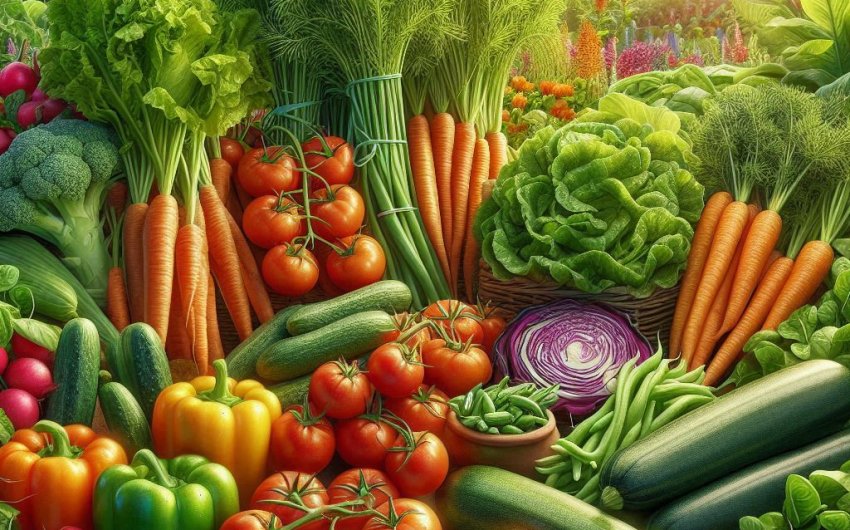
Discovering what are the best vegetables to grow in a home garden can transform your approach to fresh eating, offering unparalleled flavor and a rewarding connection to your food source. Opting for easy-to-grow varieties that yield bountiful harvests ensures a steady supply of nutritious produce right outside your door, making the endeavor both simple and satisfying. This guide will help you select top-performing vegetables suited for various garden conditions and skill levels, ensuring a successful and fruitful growing season.
What factors should I consider when choosing vegetables for my garden?
Choosing the right vegetables for your home garden goes beyond simply picking your favorites. Several important factors influence whether a particular plant will thrive in your specific environment and meet your gardening goals. Thinking about these points before you start planting can save you a lot of time and effort in the long run.
- Climate and Hardiness Zone: Your local climate plays a huge role. Some vegetables love cool weather, while others need long, hot summers to produce well. Knowing your USDA plant hardiness zone (or similar local climate zone) helps you understand the average frost dates, which dictates your growing season. Look for varieties that are well-suited to your region's typical temperatures and length of warm or cool periods.
- Sunlight Availability: Most vegetables, especially fruiting ones like tomatoes and peppers, need at least 6-8 hours of direct sunlight per day to flourish. If your garden receives less sun, you'll need to choose more shade-tolerant vegetables like leafy greens or root vegetables.
- Soil Type and Quality: Healthy soil is the foundation of a productive garden. Vegetables prefer well-draining soil rich in organic matter. If your soil is heavy clay, very sandy, or lacks nutrients, it will need to be amended. Testing your soil can give you insights into its pH and nutrient levels, guiding your amendments.
- Space Limitations: How much space do you actually have? If you're gardening in a small backyard, a balcony, or in containers, you'll want to select compact varieties or those that can be grown vertically. If you have ample space, vining plants or those that take up more room might be an option.
- Time Commitment: Some vegetables require more daily attention than others. Are you looking for low-maintenance plants, or do you enjoy spending significant time tending your garden? Consider your availability for watering, weeding, and pest control.
- Personal Preferences and Family Needs: What do you and your family actually enjoy eating? There's no point in growing a huge crop of something nobody will consume. Also, consider how much of each vegetable your household can realistically eat or preserve.
- Pest and Disease Resistance: Some vegetable varieties are naturally more resistant to common pests and diseases in your area. Choosing these can reduce the need for interventions and lead to healthier plants.
- Water Availability: Do you have an easy and consistent source of water for your garden? Some vegetables are thirstier than others, especially during hot, dry spells.
By carefully evaluating these factors, you can make informed decisions that lead to a more successful and satisfying home garden, ensuring you grow the best vegetables for your unique situation.
Which root vegetables are best for beginners and consistent yields?
Root vegetables are fantastic for home gardens because they offer a good yield in a relatively small space, and many are quite forgiving for new gardeners. They grow underground, so you often don't have to worry as much about surface pests, and their leaves can sometimes be eaten too!
Carrots
Carrots are a classic choice for a reason. They are very rewarding to harvest, especially when you pull up a long, straight one from your own soil. They need loose, well-draining soil to grow straight and long. If your soil is heavy or rocky, they might fork or be stunted. Carrots are a cool-season crop, meaning they prefer cooler temperatures in spring and fall.
- Sunlight: Full sun to partial shade (at least 6 hours of sun).
- Soil: Loose, well-draining, sandy loam, free of rocks. Amend heavy clay with compost.
- Watering: Consistent moisture; don't let the soil dry out, or they can become woody.
- Planting: Direct sow seeds about 1/4 inch deep. Thin seedlings to 2-4 inches apart for good growth.
- Popular Varieties:
- 'Danvers 126': Reliable, standard orange carrot, good for various soil types.
- 'Nantes': Sweet, cylindrical, tender, good for shallower soils or containers.
- 'Paris Market': Small, round carrots, perfect for heavy soils or containers.
- Harvesting: Typically 60-80 days after planting. Harvest when the tops are about 1/2 to 1 inch across.
Radishes
Radishes are perhaps the quickest reward for a new gardener. Some varieties can be ready to harvest in as little as three weeks! They are another cool-season crop that should be planted in early spring or fall. Their peppery bite adds a nice zing to salads.
- Sunlight: Full sun.
- Soil: Loose, well-draining soil.
- Watering: Keep consistently moist; inconsistent watering can make them woody or excessively spicy.
- Planting: Direct sow seeds 1/2 inch deep. Plant every 1-2 weeks for a continuous harvest.
- Popular Varieties:
- 'Cherry Belle': Bright red, round, crisp, and mild.
- 'French Breakfast': Elongated, red with a white tip, mild flavor.
- 'Daikon': Large, white, cylindrical, takes longer to mature but good for stir-fries.
- Harvesting: 3-4 weeks for most round varieties. Harvest promptly when roots reach desired size to prevent them from becoming woody.
Beets
Beets are a two-for-one vegetable: you can eat both the root and the leafy green tops (which are similar to Swiss chard). They are relatively easy to grow and perform well in cool weather. The roots come in various colors, from deep red to golden and even striped.
- Sunlight: Full sun to partial shade.
- Soil: Well-draining, loose soil, slightly acidic to neutral.
- Watering: Consistent moisture for tender roots.
- Planting: Direct sow seeds 1/2 inch deep. Thin seedlings to 3-4 inches apart.
- Popular Varieties:
- 'Detroit Dark Red': Classic, deep red, good flavor.
- 'Golden Globe': Golden-yellow, sweeter and milder.
- 'Chioggia': Candy-striped inside, mild flavor.
- Harvesting: Roots are ready in 50-70 days. Harvest when they are 1-3 inches in diameter. You can also harvest outer leaves earlier for greens.
Potatoes
Growing your own potatoes is incredibly satisfying, and they taste so much better than store-bought ones. They need full sun and well-draining soil. You plant "seed potatoes" (which are just potatoes specifically grown for planting) and then "hill" them, mounding soil around the growing stems to encourage more potato production.
- Sunlight: Full sun.
- Soil: Loose, well-draining, slightly acidic soil, rich in organic matter.
- Watering: Consistent and deep watering, especially when flowers appear.
- Planting: Plant seed potatoes with "eyes" (sprouts) pointing up, about 4-6 inches deep.
- Hilling: As plants grow, mound soil or straw around the stems to encourage more tubers.
- Popular Varieties:
- 'Yukon Gold': Yellow flesh, buttery, all-purpose.
- 'Russet Burbank': Classic baking potato.
- 'Red Norland': Red skin, white flesh, good for boiling or roasting.
- Harvesting:
- New potatoes: About 60-90 days after planting, harvest small tubers after flowering.
- Storage potatoes: 90-120 days. Harvest when foliage dies back. Cure them in a dark, cool place for better storage.
What leafy greens offer continuous harvests?
Leafy greens are a cornerstone of a productive home garden, especially for those looking for continuous harvests. Many types can be cut and will regrow, providing fresh salad greens, stir-fry ingredients, or cooking greens for weeks or even months. They often prefer cooler temperatures and can tolerate some shade, making them versatile.
Lettuce
Lettuce is a must-have for any home garden. It's incredibly easy to grow and comes in a huge variety of leaf shapes, colors, and textures, from crisp romaine to soft butterhead. Many varieties are perfect for "cut-and-come-again" harvesting.
- Sunlight: Partial shade (especially in warmer climates) to full sun.
- Soil: Moist, well-draining soil, rich in organic matter.
- Watering: Keep consistently moist, but avoid waterlogging. Inconsistent watering can make leaves bitter.
- Planting: Direct sow seeds thinly, or plant lettuce seedlings for quicker results. Plant every 2-3 weeks for a continuous supply.
- Popular Varieties:
- 'Black Seeded Simpson': Loose leaf, heat tolerant, quick growing.
- 'Romaine' varieties: Crisp, upright, good for salads.
- 'Buttercrunch': Soft, buttery texture, forms a loose head.
- Harvesting: Begin harvesting outer leaves as soon as they are large enough, or cut the whole head. For cut-and-come-again, snip leaves an inch or two above the crown, and they will regrow.
Spinach
Spinach is a super-nutritious green that thrives in cool weather. It's quick to mature and can be harvested in the spring and fall. In hot weather, it tends to "bolt" (go to seed), making the leaves bitter.
- Sunlight: Full sun in cool weather, partial shade in warmer spring/fall.
- Soil: Rich, moist, well-draining soil.
- Watering: Consistent moisture is essential.
- Planting: Direct sow seeds 1/2 inch deep. Plant early spring and late summer/early fall.
- Popular Varieties:
- 'Bloomsdale Long Standing': Crinkly, dark green leaves, slow to bolt.
- 'Tyee': Hybrid, good resistance to downy mildew.
- 'America': Great for cooking and fresh eating.
- Harvesting: Start harvesting outer leaves when plants have 5-6 leaves, or harvest the entire plant. About 30-45 days for baby spinach, 45-60 days for mature leaves.
Swiss Chard
Swiss Chard is an incredibly beautiful and productive leafy green. Its vibrant stems (red, yellow, white, or orange) add a splash of color to the garden, and its leaves are versatile for cooking. Unlike spinach, it's more heat tolerant and less prone to bolting, making it a good summer green.
- Sunlight: Full sun to partial shade.
- Soil: Rich, well-draining soil.
- Watering: Consistent moisture.
- Planting: Direct sow seeds 1/2 inch deep. Can also start indoors and transplant.
- Popular Varieties:
- 'Bright Lights': Mix of colorful stems (red, yellow, orange, white).
- 'Fordhook Giant': Large, dark green leaves with white stems.
- 'Rhubarb Chard': Deep red stems, green leaves, beautiful.
- Harvesting: Begin harvesting outer leaves when they are 6-8 inches tall, about 50-60 days after planting. Continues to produce throughout the season.
Kale
Kale is a nutritional powerhouse and extremely hardy. It can tolerate light frosts, which can even make its flavor sweeter. It's an excellent cool-season crop that can also handle some summer heat, though flavor may become slightly bitter.
- Sunlight: Full sun to partial shade.
- Soil: Fertile, well-draining soil.
- Watering: Keep consistently moist.
- Planting: Direct sow seeds or transplant seedlings. Plant in spring and late summer.
- Popular Varieties:
- 'Lacinato' (Dinosaur Kale): Dark green, textured leaves, excellent for chips or sautéing.
- 'Red Russian': Frilly, purple-tinged leaves, very cold tolerant.
- 'Vates Blue Curled': Standard curly kale, very productive.
- Harvesting: Harvest outer leaves when they reach desired size (about 50-75 days). It will continue to produce until a hard freeze.
What vining and sprawling vegetables produce abundant yields?
Vining and sprawling vegetables are champions of productivity, often yielding a large harvest from just a few plants. They do, however, require more space, either horizontally across the ground or vertically on a trellis or other support. If you have the room, these plants are incredibly rewarding and can fill your kitchen with fresh produce.
Cucumbers
Cucumbers are refreshing and surprisingly easy to grow, especially if you give them something to climb. They come in varieties for slicing, pickling, or even small snack sizes. They are warm-season plants and need consistent moisture.
- Sunlight: Full sun (at least 6-8 hours).
- Soil: Rich, well-draining soil with plenty of organic matter.
- Watering: Very thirsty plants, especially when fruiting. Deep, consistent watering is crucial to prevent bitter fruits.
- Planting: Direct sow seeds after all danger of frost has passed, or start indoors a few weeks before.
- Trellising: For best results and to save space, grow cucumbers on a cucumber trellis or cattle panel. This keeps fruits clean and improves air circulation.
- Popular Varieties:
- 'Marketmore 76': Slicing, good production, disease resistant.
- 'Bush Pickle': Compact, good for containers and pickling.
- 'Armenian' (Snake Cucumber): Long, mild, burpless.
- Harvesting: Typically 50-70 days after planting. Harvest frequently when fruits are young and tender; leaving them on the vine too long can slow production.
Pole Beans
Pole beans are a fantastic vertical crop, producing a continuous harvest of tender beans over a long season, unlike bush beans which produce all at once. They are warm-season plants and need a sturdy support structure.
- Sunlight: Full sun.
- Soil: Well-draining soil. Beans can fix their own nitrogen, so don't over-fertilize with nitrogen.
- Watering: Consistent moisture, especially when flowering and fruiting.
- Planting: Direct sow seeds after danger of frost. Plant at the base of a bean teepee, trellis, or fence.
- Popular Varieties:
- 'Kentucky Wonder': Classic, stringless, prolific, excellent flavor.
- 'Blue Lake': Tender, crisp, popular for fresh eating or canning.
- 'Romano' (Flat Beans): Wider, flatter pods, meaty texture.
- Harvesting: Begin harvesting 50-70 days after planting. Pick beans regularly (every 2-3 days) to encourage more production.
Zucchini and Summer Squash
Zucchini and summer squash are famous for their prolific production. Just one or two plants can often supply a family with more squash than they can eat! They are warm-season plants that grow quickly. While they can sprawl, some varieties are bush-type, making them suitable for smaller spaces or containers.
- Sunlight: Full sun.
- Soil: Rich, well-draining soil, heavily amended with organic matter.
- Watering: Consistent and deep watering, especially during flowering and fruiting.
- Planting: Direct sow seeds after all danger of frost.
- Space: Give them plenty of room, or choose bush varieties for containers or smaller beds.
- Popular Varieties:
- 'Black Beauty' (Zucchini): Standard, dark green zucchini, very reliable.
- 'Yellow Straightneck': Bright yellow, straight, classic summer squash.
- 'Costata Romanesco': Ribbed zucchini, excellent flavor and texture.
- Harvesting: About 45-60 days after planting. Harvest fruits when they are young and tender (6-8 inches for zucchini). Frequent harvesting encourages more production. If you let them get too big, they become seedy and less flavorful.
Winter Squash and Pumpkins
While they take up a lot of space and have a long growing season, winter squash and pumpkins are incredibly rewarding because they store well into the fall and winter, providing delicious food for months. They are warm-season plants and generally need a lot of room to sprawl.
- Sunlight: Full sun.
- Soil: Rich, well-draining soil. They are heavy feeders, so amend with lots of compost.
- Watering: Consistent moisture.
- Planting: Direct sow seeds after all danger of frost.
- Space: They need significant space to vine, or you can grow them on sturdy trellises or supports if you choose smaller fruiting varieties (like Pie Pumpkins or delicata squash) and provide slings for the fruit.
- Popular Varieties:
- 'Butternut' varieties: Sweet, nutty, excellent storage.
- 'Acorn' varieties: Small, deeply ribbed, good for baking.
- 'Delicata': Sweet, elongated, often called "sweet potato squash."
- 'Small Sugar' (Pumpkin): Good for pies and decorating.
- Harvesting: 80-120 days or more. Harvest when skins are hard and impenetrable (cannot be easily dented with a fingernail) and stems are dry. Cure them in a warm, sunny spot for a week or two for better storage.
Which fruiting vegetables are productive and satisfying to grow?
Fruiting vegetables are often the reason many people start a home garden. There's nothing quite like picking a ripe, warm tomato or a crisp pepper directly from your own plants. These plants typically need the most sun and warmth but offer incredibly satisfying yields.
Tomatoes
Tomatoes are the undisputed king of the home garden. The flavor of a homegrown tomato is unparalleled, making them a top choice despite requiring a bit more care. They are warm-season plants and come in hundreds of varieties, from tiny cherry tomatoes to large beefsteaks.
- Sunlight: Full sun (8+ hours is ideal).
- Soil: Rich, well-draining soil, slightly acidic. Amend with plenty of compost.
- Watering: Consistent, deep watering at the base of the plant. Inconsistent watering leads to cracking and blossom end rot.
- Planting: Start from seed indoors 6-8 weeks before last frost, or buy tomato seedlings. Bury the stem deeply when planting; tomatoes can root along the stem.
- Support: Crucial for most varieties. Use tomato cages, stakes, or a trellis system to keep plants upright and fruit off the ground.
- Pinching: For indeterminate tomatoes (vining types that grow continuously), pinch off "suckers" (small shoots that grow in the crotch of the main stem and leaf) to direct energy into fruit production. Determinate tomatoes (bushy types that grow to a certain size and produce fruit all at once) generally don't need pinching.
- Popular Varieties:
- Cherry/Grape: 'Sungold', 'Sweet Million', 'Cherokee Purple' (cherry heirlooms).
- Slicing: 'Celebrity' (disease resistant), 'Better Bush' (compact determinate), 'Early Girl'.
- Heirloom: 'Brandywine' (pink), 'Mortgage Lifter', 'Green Zebra'.
- Harvesting: 60-90 days after transplanting, depending on variety. Harvest when fully colored and slightly soft.
Bell Peppers and Chili Peppers
Peppers are beautiful, versatile, and highly productive plants that love heat. They come in an enormous range of flavors, from sweet bell peppers to fiery habaneros. They are warm-season crops and relatively low-maintenance once established.
- Sunlight: Full sun (at least 6 hours).
- Soil: Rich, well-draining soil, slightly acidic to neutral.
- Watering: Consistent moisture is important, especially when flowering and fruiting. Avoid overwatering.
- Planting: Start from seed indoors 8-10 weeks before last frost, or buy pepper seedlings.
- Support: Taller varieties may benefit from staking or small tomato cages to support heavy fruit loads.
- Popular Varieties:
- Bell Peppers: 'California Wonder' (classic green, turns red), 'Orange Blaze', 'Purple Beauty'.
- Chili Peppers: 'Jalapeño', 'Serrano', 'Cayenne', 'Poblano' (Ancho).
- Harvesting: 60-90 days after transplanting. You can harvest bell peppers when green, or let them ripen to red, yellow, or orange for sweeter flavor. Harvest chili peppers at your preferred heat level and color. Picking frequently encourages more production.
Green Beans (Bush and Pole)
While previously mentioned as vining, it's worth highlighting green beans (also known as snap beans) as productive fruiting vegetables. Both bush beans and pole beans are incredibly easy to grow and are excellent for beginners.
Bush Beans:
- Growth Habit: Compact, do not require support. Produce their crop all at once, good for canning or freezing large batches.
- Sunlight: Full sun.
- Soil: Well-draining soil.
- Watering: Consistent moisture, especially when flowering and podding.
- Planting: Direct sow seeds after all danger of frost. Successive planting every 2-3 weeks extends harvest.
- Popular Varieties: 'Blue Lake Bush', 'Contender', 'Provider'.
- Harvesting: About 50-60 days. Pick when pods are tender and snap easily.
Pole Beans: (Refer to "Vining and Sprawling Vegetables" section above for details on growth and care).
Eggplant
Eggplant is a beautiful and productive warm-season plant, related to tomatoes and peppers. Its shiny, deep purple fruits (though some varieties are white or striped) are a staple in many cuisines.
- Sunlight: Full sun (at least 6-8 hours).
- Soil: Rich, well-draining soil.
- Watering: Consistent moisture, similar to peppers.
- Planting: Start from seed indoors 8-10 weeks before last frost, or buy eggplant seedlings.
- Support: Taller plants with heavy fruit can benefit from staking or a small cage.
- Popular Varieties:
- 'Black Beauty': Classic, large, pear-shaped.
- 'Rosa Bianca': Beautiful, round, purple and white, mild flavor.
- 'Little Fingers': Small, slender, good for containers.
- Harvesting: 70-80 days after transplanting. Harvest when skin is glossy and fruit is firm, but before seeds harden.
What are the easiest herbs to grow alongside vegetables?
Growing herbs alongside your vegetables is a brilliant idea. Not only do they provide fresh flavors for your cooking, but many herbs also act as companion plants, deterring pests or attracting beneficial insects. They are generally easy to grow and can thrive in containers or in the ground, making them a versatile addition to any home garden.
Basil
Basil is a warm-weather annual herb, essential for Italian and many other cuisines. Its fragrant leaves are perfect for pesto, salads, and garnishes.
- Sunlight: Full sun (at least 6 hours).
- Soil: Well-draining, fertile soil.
- Watering: Consistent moisture.
- Planting: Sow seeds directly after danger of frost or plant basil seedlings when temperatures are consistently warm.
- Pinching: Pinch off flower buds as they appear to encourage more leaf production and prevent bitterness.
- Popular Varieties:
- 'Genovese': Classic large-leaf pesto basil.
- 'Sweet Basil': General purpose, widely available.
- 'Lemon Basil', 'Lime Basil': Citrusy flavors.
- Harvesting: Pinch off individual leaves or sprigs as needed. The more you harvest, the bushier the plant becomes.
Mint
Mint is incredibly easy to grow – so easy, in fact, that it can quickly take over a garden bed. Its refreshing scent and flavor are great for teas, desserts, and drinks.
- Sunlight: Full sun to partial shade.
- Soil: Adaptable, but prefers moist, well-draining soil.
- Watering: Tolerates some drought but prefers consistent moisture.
- Planting: Best grown from a small mint plant or by root division. Plant in a container (even if burying the container in the ground) to prevent rampant spread.
- Popular Varieties:
- 'Spearmint': Classic mint flavor, good for drinks.
- 'Peppermint': Stronger menthol flavor, good for tea.
- 'Chocolate Mint', 'Apple Mint': Specialty flavors.
- Harvesting: Snip off sprigs or leaves as needed throughout the growing season.
Chives
Chives are perennial herbs that look like slender green onions and have a delicate oniony-garlic flavor. They are very hardy and one of the first herbs to emerge in spring.
- Sunlight: Full sun to partial shade.
- Soil: Well-draining soil.
- Watering: Moderate, once established.
- Planting: Grow from seed, division, or small chive plants. They form clumps that can be divided every few years.
- Popular Varieties:
- 'Common Chives': Standard, delicate onion flavor.
- 'Garlic Chives': Flatter leaves, mild garlic flavor.
- Harvesting: Snip off leaves from the outer part of the clump with scissors, leaving about an inch of growth.
Rosemary
Rosemary is a fragrant, woody perennial herb that thrives in warm, sunny, and well-draining conditions. It's often used in Mediterranean cooking. In colder climates, it's often grown in containers and brought indoors for winter.
- Sunlight: Full sun.
- Soil: Well-draining, even sandy or rocky soil. Does not like wet feet.
- Watering: Drought-tolerant once established. Water sparingly.
- Planting: Best grown from a small rosemary plant or cuttings.
- Popular Varieties:
- 'Arp': Very cold-hardy variety.
- 'Tuscan Blue': Upright growth, good for hedging.
- Harvesting: Snip off sprigs or individual leaves as needed.
Thyme
Thyme is another wonderfully fragrant perennial herb, often used in savory dishes. It's very hardy, low-growing, and comes in many varieties, including creeping types that can be used as a groundcover.
- Sunlight: Full sun.
- Soil: Well-draining, even poor soil.
- Watering: Drought-tolerant once established.
- Planting: Grow from seeds, cuttings, or small thyme plants.
- Popular Varieties:
- 'Common Thyme': General culinary use.
- 'Lemon Thyme': Citrusy fragrance and flavor.
- 'Creeping Thyme': Groundcover varieties, often with small flowers.
- Harvesting: Snip off stems or leaves as needed.
These herbs, combined with your chosen vegetables, will create a vibrant and delicious tapestry in your garden.
How can companion planting boost my vegetable garden's success?
Companion planting is the practice of growing different plants together for mutual benefit. It's a natural way to improve your garden's health, boost yields, and reduce pest and disease problems, all while creating a more diverse and resilient ecosystem. This strategy leverages the unique properties of various plants to support their neighbors.
What are the benefits of companion planting?
- Pest Deterrence: Some plants release compounds or scents that repel common garden pests, protecting nearby susceptible vegetables. For example, the strong smell of marigolds is known to deter nematodes and other harmful insects.
- Attracting Beneficial Insects: Certain flowers and herbs produce nectar and pollen that attract helpful insects like pollinators (bees, butterflies) and predators (ladybugs, hoverflies, parasitic wasps) that prey on garden pests.
- Improved Growth and Flavor: Some plant combinations are believed to enhance the growth, vigor, or even the taste of their neighbors, though the scientific reasons are not always fully understood. Tomatoes and basil are a classic example, thought to improve each other's flavor.
- Weed Suppression: Taller plants can provide shade that suppresses weed growth around their shorter companions. Dense groundcovers can also naturally smother weeds.
- Soil Improvement: Legumes like beans and peas can "fix" nitrogen from the air into the soil, making it available to nearby plants that are heavy nitrogen feeders.
- Physical Support: Taller, sturdy plants can act as natural stakes or trellises for vining plants. A classic example is the "Three Sisters" method (corn, beans, squash), where corn provides support for beans, and squash shades the soil.
- Shade and Protection: Taller plants can provide welcome shade for heat-sensitive plants during the hottest parts of the day.
What are some effective companion planting combinations?
Here's a quick guide to some popular and effective companion planting pairs for your vegetable garden:
| Vegetable | Good Companions | Benefits | Avoid Growing Near |
|---|---|---|---|
| Tomatoes | Basil, Marigolds, Carrots, Onions, Borage, Nasturtiums | Basil is said to improve flavor. Marigolds deter nematodes. Borage deters tomato hornworms. Carrots loosen soil. | Broccoli, Cabbage (brassicas), Corn, Dill, Fennel |
| Peppers | Basil, Tomatoes, Carrots, Onions, Marigolds, Spinach | Basil enhances flavor. Marigolds deter pests. | Beans, Kale (some sources say), Apricot trees |
| Beans (Bush/Pole) | Corn, Squash, Carrots, Cabbage, Marigolds, Rosemary, Thyme | Beans fix nitrogen for corn and squash. Corn provides support for pole beans. Marigolds deter bean beetles. | Onions, Garlic, Chives (alliums), Kohlrabi, Fennel |
| Cucumbers | Corn, Beans, Radishes, Marigolds, Nasturtiums, Dill, Sunflowers | Corn provides shade. Beans fix nitrogen. Nasturtiums attract aphids away. | Aromatic herbs (strong scents may affect flavor), Potatoes |
| Carrots | Rosemary, Lettuce, Radishes, Marigolds, Sage, Leeks | Rosemary deters carrot rust fly. Lettuce and radishes loosen soil. | Dill, Fennel |
| Lettuce/Spinach | Radishes, Carrots, Marigolds, Onions, Dill, Mint | Radishes and carrots loosen soil. Dill and mint can deter slugs. | Fennel, Celery |
| Cabbage Family (Broccoli, Cabbage, Kale, Brussels Sprouts) | Dill, Rosemary, Thyme, Mint, Marigolds, Nasturtiums, Onions | Strong herbs deter cabbage moths. Nasturtiums attract aphids away. | Strawberries, Tomatoes, Pole Beans, Kohlrabi |
| Onions/Garlic/Chives (Alliums) | Carrots, Tomatoes, Peppers, Lettuce, Beets, Chamomile | Their strong scent deters many pests, including aphids and slugs. | Beans, Peas, Asparagus |
Tips for successful companion planting:
- Observe Your Garden: Pay attention to which combinations work best in your specific garden. What works for one gardener might not work for another due to local pest pressures, soil, or climate.
- Diversity is Key: A diverse garden with many different plant types (including flowers) is generally healthier and more resilient.
- Don't Overcrowd: Even with companion planting, ensure each plant has enough space, light, and nutrients to thrive.
- Consider Succession Planting: As one crop finishes, replace it with a suitable companion for the next crop.
By thoughtfully implementing companion planting, you can create a more harmonious and productive home garden, reducing the need for chemical interventions and celebrating the natural interactions between plants to grow the best vegetables.