
How Do I Create a Colorful Flower Garden Year-Round?
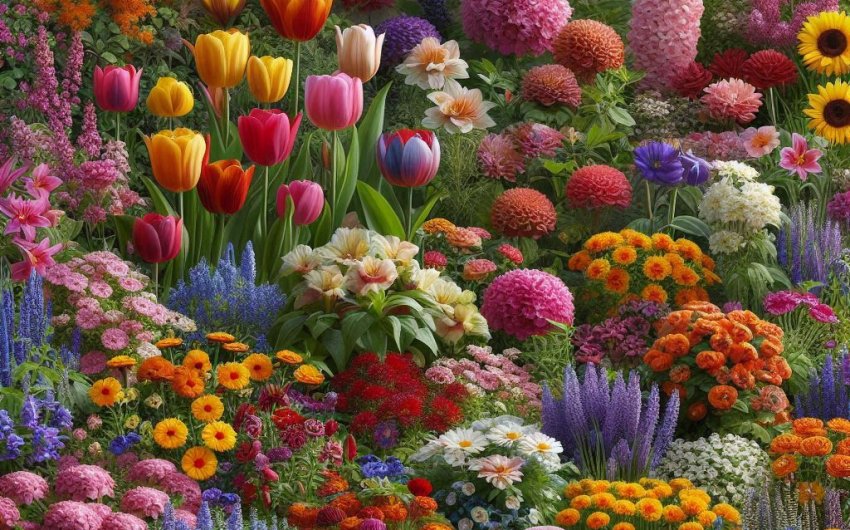
Designing a colorful flower garden year-round is a dream for many gardeners, extending the joy of blooms beyond just the warmer months. While it might seem challenging, with careful planning and plant selection, you can achieve continuous visual interest, ensuring there's always something vibrant to catch your eye, even in the depths of winter. The key is thinking beyond just flowers and embracing the full spectrum of plant attributes.
What is the Core Strategy for Year-Round Color?
Achieving a colorful garden every month of the year isn't about finding a magical plant that blooms non-stop. Instead, it's about a clever approach that layers different plant types and considers various forms of garden interest.
Why is Layering Bloom Times Essential?
The fundamental principle for continuous color is layering bloom times. This means intentionally choosing plants that flower at different points throughout the year, ensuring there are always some blossoms providing visual appeal.
Spring Awakens: Spring is often the easiest time to achieve an explosion of color. Think about early bloomers that pop up even before the last frost, followed by mid and late spring stars.
- Early Spring (Late Winter to Early Spring): Don't forget those brave souls that emerge when snow might still be on the ground. Snowdrops (Galanthus), Winter Aconite (Eranthis hyemalis), and hellebores (Lenten Rose) are true cold-weather heroes. Tiny but mighty, crocus bulbs also provide early cheer.
- Mid-Spring: This is prime time for most daffodils (Narcissus), hyacinths, and early to mid-season tulips. Adding primroses (Primula) and forget-me-nots (Myosotis) can create a lovely carpet of color.
- Late Spring: Late-blooming tulips, alliums, peonies, and early-blooming iris extend the vibrant display.
Summer's Abundance: Summer is when many gardens reach their peak, with a huge array of choices. Focus on plants with staggered bloom times throughout the summer months.
- Early Summer: Oriental poppies, delphiniums, roses, and early varieties of daylilies (Hemerocallis) get the season started.
- Mid-Summer: The garden explodes with coneflowers (Echinacea), rudbeckia ('Black-Eyed Susan'), phlox, monarda (bee balm), and continuous-blooming roses. This is where many annuals also hit their stride, offering non-stop color.
- Late Summer: Don't let your garden fizzle out! Late-season bloomers like sedum, garden mums, asters, and perennial hibiscus ensure the vibrancy continues as summer wanes.
Autumn's Last Hurrah: As temperatures drop, certain plants truly shine, providing rich, warm colors.
Advertisement- Mums and Asters: These are the quintessential fall flowers, offering a rainbow of purples, pinks, whites, yellows, and oranges. A hardy mum plant can provide color right up to hard frost.
- Ornamental Cabbage/Kale: While not flowers, their vibrant, often variegated leaves add beautiful color and texture, especially as temperatures cool.
- Sedum: Many sedum varieties (like 'Autumn Joy') develop deep, rich burgundy and bronze tones as the season progresses.
- Anemones (Japanese Anemone): These delicate yet hardy flowers bloom in late summer and fall, offering whites and pinks.
Winter's Quiet Beauty: Achieving floral color in winter requires careful selection, but it's entirely possible, especially with the right plant choices.
- Hellebores: As mentioned, many hellebore varieties bloom from late winter into early spring, even through snow.
- Winter Heath (Erica carnea) and Winter Jasmine (Jasminum nudiflorum) can provide unexpected color.
- Witch Hazel: Some varieties of witch hazel (Hamamelis) have fragrant, spidery yellow or orange blooms even in mid-winter.
- Camellias: In milder climates (zones 7+), some camellia varieties bloom in fall and winter with stunning pink, red, or white flowers.
By planning your garden around these staggered bloom times, you can create a seamless flow of color throughout the entire year. Keep a gardening journal or calendar to track what's blooming when in your specific garden.
Beyond Blooms: The Importance of Foliage and Structure
Relying solely on flowers for year-round color is a mistake. The real secret to a continuously interesting garden lies in incorporating plants that offer vibrant foliage, interesting bark, attractive berries, and strong structural forms.
Foliage for All Seasons:
- Evergreen Perennials: Plants like heuchera (coral bells) come in an amazing array of colors – purples, lime greens, bronzes, and variegated patterns – that persist year-round. Heuchera plants are tough and reliable.
- Ornamental Grasses: Many ornamental grasses provide texture and movement throughout the year. While their flowers are subtle, their seed heads and fall color (bronzes, golds, reds) are stunning. Some, like blue fescue (Festuca glauca), offer year-round blue foliage.
- Conifers: Dwarf and miniature conifers offer an incredible palette of greens, blues, golds, and even variegated patterns that remain consistent through winter. They provide crucial structure and evergreen color when deciduous plants are bare. A dwarf conifer selection can add year-round appeal.
- Colorful Shrubs: Many shrubs boast fantastic foliage. Think about Japanese maples with their fiery reds and oranges in fall (and often striking leaf color in spring), ninebark (Physocarpus) with dark purple or amber foliage, or barberry with vibrant reds and purples.
Berries for Winter Interest: Once flowers fade, berries often take center stage, providing vibrant pops of color that last well into winter, and also offering food for birds.
- Winterberry Holly: This deciduous holly drops its leaves to reveal stunning, bright red berries that cling to the bare branches all winter long. You typically need both male and female winterberry plants for fruit production.
- Beautyberry: Known for its clusters of iridescent purple berries in fall, beautyberry shrubs are a showstopper.
- Cotoneaster: Many varieties produce abundant red or orange berries that persist.
- Pyracantha (Firethorn): Features bright orange or red berries that provide a fiery display.
Interesting Bark and Stems: In winter, when foliage and flowers are absent, the structure and bark of plants become highly visible.
- Dogwood (Cornus sericea 'Red Twig'): Famous for its brilliant red stems that intensify in color in winter. A group of red twig dogwood makes a stunning winter display against snow.
- Birch Trees: Especially varieties like Paper Birch (Betula papyrifera) or River Birch (Betula nigra) with their peeling, exfoliating bark.
- Corkscrew Hazel: Its twisted, contorted branches offer unique architectural interest in winter.
Seed Heads for Texture: Don't always deadhead every flower. The dried seed heads of plants like sedum, coneflowers, ornamental grasses, and alliums can add wonderful texture, form, and even subtle color in late fall and winter, especially when dusted with snow or frost. They also provide food for birds.
By thoughtfully combining plants for their foliage, berries, bark, and structural elements alongside their bloom times, you can ensure your garden remains captivating and colorful through all four seasons, even when traditional flowers are dormant.
How Can I Incorporate Annuals, Perennials, Shrubs, and Trees?
A truly colorful year-round garden needs a diverse cast of characters: annuals for intense seasonal bursts, perennials for reliable returns, and shrubs and trees for foundational structure and multi-season interest.
Annuals (The Showstoppers):
- Role: Annuals complete their life cycle in one growing season, meaning they typically bloom continuously and profusely from spring until the first hard frost. They are your go-to for filling in gaps, providing instant and intense color, and experimenting with new palettes.
- Examples: Petunias, marigolds, zinnias, impatiens, coleus (for amazing foliage color), snapdragons, celosia, and geraniums are just a few. For fall and winter color in mild climates, pansies and violas are excellent.
- Strategy: Use annuals in containers that can be moved to highlight different areas, or intersperse them throughout your perennial beds to ensure a constant pop of color while your perennials are resting or coming into bloom. They are particularly important during summer's peak.
Perennials (The Reliable Foundation):
- Role: Perennials return year after year, forming the backbone of your garden. They have defined bloom times, which are crucial for layering to achieve continuous interest. While they might have a shorter individual bloom period than annuals, their reliability and often increasing vigor each year make them invaluable.
- Examples: Hostas (for diverse foliage), daylilies, coneflowers, phlox, peonies, iris, sedum, asters, hellebores, and heuchera.
- Strategy: Plant a diverse selection of perennials with staggered bloom times across spring, summer, and fall. Also, select perennials with attractive foliage or seed heads for interest outside their flowering period. Consider their mature size and shape to create a balanced bed.
Shrubs (The Structural Anchors):
- Role: Shrubs provide significant structure, height, and year-round interest. Many offer beautiful foliage (evergreen or deciduous with great fall color), interesting bark, or vibrant berries that last through winter. They are essential for grounding your garden design.
- Examples: Boxwood (evergreen structure), junipers (evergreen color and form), holly (evergreen foliage and berries, like winterberry holly), dogwood (colorful winter stems), hydrangeas (large, long-lasting summer blooms), roses (shrub varieties for extended bloom).
- Strategy: Place shrubs strategically for their mature size. Use evergreens for consistent winter greenery and structure. Choose deciduous shrubs that offer fall foliage color or winter berries/bark for multi-season appeal.
Trees (The Canopy and Backdrop):
- Role: Trees provide the highest layer of your garden, offering shade, a backdrop for smaller plants, and their own significant seasonal interest through flowers, foliage, bark, and fruit. Even a single well-chosen tree can add immense year-round beauty.
- Examples: Japanese maples (stunning fall and spring foliage), dogwood trees (spring flowers, fall color, winter berries), flowering cherries (spectacular spring blooms), birch trees (exfoliating winter bark), evergreen conifers (year-round structure and color).
- Strategy: Select trees appropriate for your climate and garden size. Consider their mature size, canopy shape, and multi-season interest. They will be the longest-term investment and have the biggest impact on the overall feel of your garden.
By blending these four plant categories, you create a dynamic, resilient, and continuously evolving garden that offers beauty and interest in every season.
How Do I Plan for Each Season's Colors?
Successful year-round color doesn't happen by accident; it's the result of thoughtful planning, starting with a clear vision for each season's palette and flow.
What is a Seasonal Color Palette?
Creating a seasonal color palette means deciding on the general hues and tones you want to emphasize in your garden during specific times of the year. This helps ensure a harmonious look and prevents a chaotic jumble of colors.
Thinking in Seasons: Instead of just "color," think "spring colors," "summer colors," "fall colors," and "winter interest."
- Spring: Often dominated by pastels – soft yellows, delicate pinks, pale blues, and lavenders from bulbs. You might want to introduce brighter accents as the season progresses.
- Summer: This is where you can go bold! Think hot reds, vibrant oranges, sunny yellows, electric blues, and fuchsias. Or, if you prefer a calmer vibe, stick to cool blues, whites, and purples.
- Fall: Earthy tones come to the forefront – russets, deep oranges, golden yellows, rich burgundies, and bronzes from foliage and late-season blooms.
- Winter: This season often relies on evergreen greens, silver foliage, bright red or yellow stems, and the deep, rich colors of winter berries. Any sparse blooms (like hellebores) will be a welcome splash of brighter color.
Consider Your Overall Garden Style: Your chosen color palettes should align with your garden's overall style.
- Cottage Garden: Can embrace a looser, more riotous mix of colors throughout the seasons.
- Modern/Minimalist: Might stick to a more restrained palette, perhaps focusing on varying shades of green, white, and subtle textures.
- Formal Garden: Often uses a more limited and traditional color scheme, perhaps focusing on white and pastels.
Harmony and Contrast:
- Harmonious Colors: Colors that are next to each other on the color wheel (e.g., blue and purple, yellow and orange) create a calm, blending effect.
- Contrasting Colors: Colors opposite each other on the color wheel (e.g., blue and orange, red and green) create excitement and draw the eye. Use these strategically for pops of drama.
- Repeat Colors: Repeating certain colors or shades throughout the garden, even across different seasons, helps create a cohesive and unified look. For example, a garden with a strong emphasis on blue might have blue spring bulbs, blue summer perennials, and blue-toned conifers in winter.
Using a Color Wheel: A simple garden color wheel can be an invaluable tool for understanding how colors interact and for planning your palettes effectively.
By consciously planning a seasonal color palette, you'll move beyond simply planting whatever looks good at the nursery and instead create a sophisticated, intentional display of color that delights throughout the entire year.
How Do I Use a Garden Planner or Journal?
A garden planner or journal is an indispensable tool for achieving a colorful garden year-round. It allows you to document your observations, plan future plantings, and learn from your successes and failures.
What to Include:
- Garden Map/Layout: Sketch your garden beds. Note existing plants, sunny/shady areas, and soil conditions.
- Plant Inventory: List all your plants, noting their botanical and common names, purchase date, mature size, and crucially, their approximate bloom times and any seasonal foliage/berry interest.
- Seasonal Bloom Calendar: Create a month-by-month calendar. As the seasons progress, mark down what's currently blooming, what's about to bloom, and what's fading. This is key for identifying gaps.
- Color Notes: For each plant, note its flower color, foliage color (especially seasonal changes), and berry color.
- Observations: Record details about plant performance: Did it thrive? Was it stressed? Did it get enough sun? What pests or diseases did it encounter?
- Ideas and Wishes: Jot down plants you'd like to try, design ideas, or areas you want to improve.
- Maintenance Schedule: Track when you fertilize, prune, or divide plants.
How it Helps with Year-Round Color:
- Identifies Gaps: By mapping out your existing plants' bloom times on a calendar, you'll quickly see the "gaps" – periods when your garden lacks color. This tells you exactly what kind of plants you need to seek out (e.g., a late fall bloomer, an early spring evergreen).
- Prevents Overlapping: It helps you ensure you don't have too many plants blooming at the exact same time, leading to a glut of color in one month and nothing in another.
- Optimizes Plant Placement: By understanding each plant's mature size and seasonal interest, you can place them thoughtfully to contribute to the year-round display. For example, placing a vibrant-stemmed dogwood where it can be seen from a window in winter.
- Learns from Experience: Over time, your garden journal becomes a personalized guide. You'll learn which plants truly perform well in your specific conditions and contribute to continuous interest.
- Seasonal Transitions: A journal helps you visualize how colors and textures transition from one season to the next, allowing you to plan for a seamless flow.
Tools:
- A simple gardening notebook or binder with graph paper.
- A digital spreadsheet or a garden planning app.
Making a garden journal a regular habit (even just a few minutes each week) is one of the most effective ways to refine your colorful year-round garden design.
What is Hardiness Zone and Microclimates?
Understanding your hardiness zone and paying attention to your garden's microclimates are fundamental to selecting plants that will survive and thrive year-round, ensuring your colorful garden lasts.
USDA Hardiness Zones:
- What it is: The USDA Plant Hardiness Zone Map divides North America into zones based on the average annual extreme minimum winter temperature. Each zone represents a (10^\circ\text{F}) range. For example, if you live in Zone 6b, your average extreme minimum winter temperature is between (-5^\circ\text{F}) and (0^\circ\text{F}).
- Why it Matters: This map is a crucial guide for determining which plants are likely to survive the winter in your area. A plant listed as "hardy to Zone 5" means it should typically survive winters in Zone 5 and warmer zones. Planting outside a plant's hardiness range (e.g., a Zone 7 plant in Zone 5) means it's unlikely to survive winter.
- Finding Your Zone: You can easily find your hardiness zone by entering your zip code on the USDA website or using a hardiness zone map specific to your region.
- Always Check: When buying plants, always check the plant tag or description for its recommended hardiness zone.
Microclimates:
- What it is: A microclimate is a small, localized area within your garden (or yard) that has slightly different climatic conditions (temperature, sun exposure, wind, moisture) than the surrounding larger area. These differences can be surprisingly significant.
- Common Microclimates:
- Warm Pockets: Areas next to a south-facing wall (which absorbs and radiates heat), near a large body of water, or sheltered from prevailing winds. These spots might be a half-zone warmer than your official hardiness zone, allowing you to grow slightly less hardy plants.
- Cool Pockets: Low-lying areas where cold air settles (frost pockets), shaded spots, or areas exposed to strong, cold winter winds. These areas might be a half-zone colder, limiting your plant choices.
- Sunny vs. Shady: Different parts of your garden will receive varying amounts of direct sunlight throughout the day and year, creating distinct microclimates for sun-loving versus shade-loving plants.
- Dry vs. Wet: Areas under eaves might be drier, while low spots might retain more moisture.
- Why it Matters for Year-Round Color:
- Expanding Your Palette: Understanding your warm microclimates allows you to push the boundaries of your hardiness zone and grow a wider range of plants that might otherwise not survive winter.
- Optimal Placement: Knowing your cool or shady spots helps you place plants that thrive in those conditions, ensuring they contribute to the garden's continuous interest instead of struggling.
- Protecting Tender Plants: You can intentionally plant borderline hardy plants in sheltered microclimates for a better chance of winter survival.
Observing Your Garden: Walk around your garden at different times of day and in different seasons. Feel the temperature variations, note where the sun hits, and observe where snow melts first or lingers longest. This will help you identify your unique microclimates.
By combining your knowledge of your hardiness zone with a keen eye for your garden's unique microclimates, you can make smarter plant choices that ensure your colorful garden persists beautifully throughout the entire year.
What Are Other Tips for a Vibrant Year-Round Garden?
Beyond the core strategies, there are additional techniques and considerations that can elevate your colorful year-round garden, adding layers of beauty and making maintenance easier.
How Does Hardscaping Affect Garden Color?
While plants are the living elements of a colorful garden, hardscaping refers to the non-living elements like paths, patios, fences, and decorative structures. These elements play a significant role in defining the garden's structure and can even contribute to its year-round color.
Foundation and Structure: Hardscaping provides the "bones" of your garden, giving it shape and definition, especially in winter when many plants are dormant. Well-placed paths, retaining walls, or pergolas provide year-round architectural interest that highlights the plants around them.
Material and Color Choice: The materials and colors of your hardscaping elements can subtly or dramatically influence the overall feel and color palette of your garden.
- Warm Tones: Terracotta pots, reddish brick patios, or natural wood fences can add warmth and complement plants with hot colors (reds, oranges, yellows) in summer and fall.
- Cool Tones: Gray stone, blue-toned pavers, or white gravel can create a calming, cool atmosphere, enhancing plants with blues, purples, and silvers.
- Neutral Tones: Cream or beige hardscaping provides a versatile backdrop that allows the plant colors to truly pop.
Year-Round Contribution:
- Pots and Containers: Empty or overwintered containers can look drab. Choose decorative garden planters made of attractive materials (glazed ceramic, concrete, metal) that add color and interest even when plants aren't in them. In winter, fill them with evergreen boughs, pinecones, or hardy winter annuals like pansies.
- Garden Art and Ornaments: Statues, birdbaths, gazing balls, or colorful garden stakes can provide permanent pops of color and visual interest, especially when floral displays are minimal.
- Fences and Walls: A brightly painted fence can provide a dramatic backdrop for plants, or a neutral wall can highlight plant textures. A trellis can offer vertical interest even without a plant growing on it in winter.
Creating Microclimates: As discussed, hardscaping can also create valuable microclimates. A sunny stone wall will radiate heat, benefiting plants nestled against it, while a paved patio might retain heat into the evening.
By carefully considering the color, texture, and placement of your hardscaping elements, you can ensure they contribute significantly to the beauty and year-round interest of your garden, rather than just being functional components.
Why Are Container Gardens Important for Seasonal Swaps?
Container gardens are a powerful tool for achieving year-round color because they offer unparalleled flexibility, allowing you to easily change and refresh your garden's look with the seasons.
Mobility and Flexibility: The biggest advantage is that containers are portable. You can:
- Rotate Displays: Bring in a container of spring bulbs, swap it out for summer annuals, replace with fall mums, and finally fill with evergreen boughs or winter pansies.
- Fill Gaps: Use containers to temporarily fill bare spots in your perennial beds after spring bulbs fade or while new plantings establish.
- Highlight Areas: Move colorful containers to entryways, patios, or areas you want to draw attention to.
- Overwinter Tender Plants: Bring frost-tender annuals or tropicals indoors for winter.
Instant Color and Impact: Containers provide immediate splashes of vibrant color. They are perfect for those times when a garden bed might be looking a bit sparse.
Seasonal Swaps Made Easy:
- Spring: Fill containers with spring-blooming bulbs (tulips, daffodils, hyacinths) that were "forced" (chilled) indoors, or with cheerful pansies, violas, and primroses.
- Summer: The possibilities are endless with annuals! Create stunning combinations of petunias, geraniums, coleus, calibrachoa, and more.
- Fall: Transition to garden mums, ornamental kale/cabbage, violas, and cool-season grasses.
- Winter: Plant hardy pansies, small evergreen shrubs, or create decorative arrangements with evergreen branches, pinecones, and bright berries in attractive winter-themed planters.
Space Saving: Ideal for small yards, balconies, or patios where in-ground planting space is limited. You can still have a vibrant display.
Controlling Conditions: You can easily control the soil type, moisture, and light exposure for container plants, which can be useful for specific plants.
Diverse Container Selection: The containers themselves can add to the garden's year-round color and style. Choose pots in complementary colors, interesting textures, or unique shapes. A stack of empty, colorful ceramic pots can add visual interest even before plants are added.
By embracing container gardening, you gain a powerful tool for maintaining continuous interest and vibrant color, adapting your garden's look with ease as the seasons turn.
What Role Does Garden Lighting Play in Year-Round Appeal?
While garden lighting doesn't directly contribute to the colors of your plants, it dramatically extends the period of enjoyment and emphasizes the beauty of your colorful garden after dusk, enhancing its year-round appeal.
Extending Enjoyment: Even a garden with beautiful plants and seasonal interest is largely unseen once the sun sets. Strategic garden lighting allows you to appreciate your colorful blooms, interesting foliage, and structural elements well into the evening.
Highlighting Features: Use lighting to draw attention to specific, colorful plants, garden art, or architectural features that contribute to your year-round scheme.
- Spotlights: Can illuminate a specimen tree with interesting bark, a vibrant evergreen shrub, or a cluster of colorful fall mums.
- Uplighting: Shines light upwards onto the canopy of trees or large shrubs, creating dramatic silhouettes and highlighting their form.
Creating Ambiance and Mood: Lighting transforms the garden's atmosphere. Warm-toned lights can create a cozy, inviting feel, while cooler lights might evoke a more sophisticated look. This ambiance contributes to the garden's year-round delight, even on cold winter evenings.
Safety and Navigation: Practicality aside, path lighting or step lights ensure your garden remains accessible and safe, encouraging you to step out and appreciate its beauty even when daylight is short. Solar path lights are an easy installation.
Winter Emphasis: Lighting becomes especially important in winter when the garden is often starker. Strategically placed lights can highlight the silhouettes of bare trees, the texture of evergreen foliage, or the glistening quality of snow and ice, creating a magical scene. Lights on a winterberry holly with its red berries can be truly enchanting.
Types of Lighting:
- Solar Lights: Easy to install, no wiring needed. Good for accent lighting. A set of solar garden spotlights can highlight key plants.
- Low-Voltage Lighting: Requires a transformer and wiring, but offers more control over brightness and beam spread. More durable and reliable for long-term use.
- String Lights: Can add a festive touch, especially in gathering areas or wrapped around trellises. Outdoor string lights can define a space.
When planning your garden lighting, consider where you want to draw the eye, what features you want to emphasize, and how you want the garden to feel after dark. Lighting turns your garden into a beautiful, living artwork that can be appreciated around the clock.
By combining careful plant selection with an understanding of bloom times, embracing foliage and structure, utilizing a garden journal, accounting for hardiness zones and microclimates, and incorporating hardscaping, containers, and lighting, you can truly create a colorful flower garden year-round that brings joy in every season.