
What Are Some Low-Maintenance Flowers for Busy Gardeners?
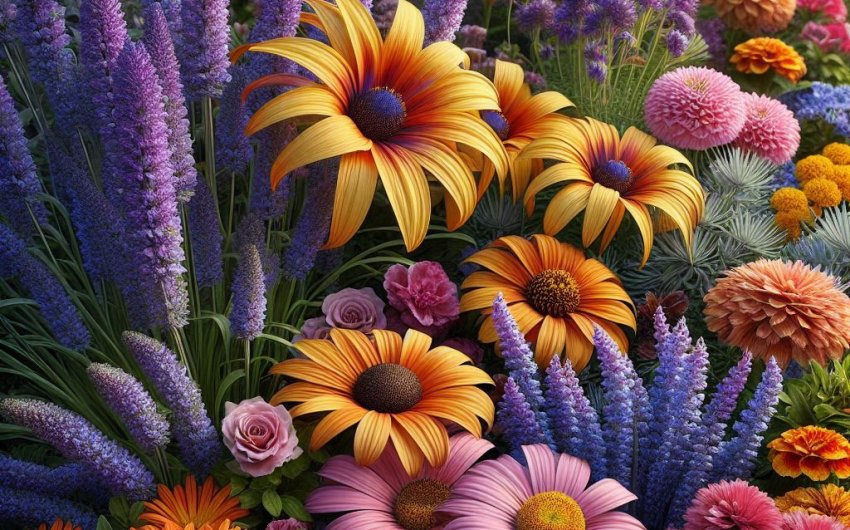
For many of us, the dream of a vibrant, blooming garden sparkles brightly. We envision swathes of color, buzzing with pollinators, and the sweet scent of blossoms wafting through the air. However, the reality of a busy schedule often clashes with the perceived demands of gardening. Time constraints, travel, or simply the desire for more relaxation can make the idea of nurturing delicate blooms seem daunting. The good news is, a stunning garden doesn't have to be a full-time job. There are countless resilient, beautiful flowers that practically take care of themselves, thriving with minimal fuss. These are the unsung heroes of the garden world, perfect for anyone who wants a burst of natural beauty without sacrificing precious free time. Let's explore some fantastic options that prove you can have a magnificent garden even if you're constantly on the go.
What Makes a Flower "Low-Maintenance" for Busy Gardeners?
When we talk about low-maintenance flowers, we're not just looking for pretty blooms. We're looking for specific qualities that reduce the amount of time and effort you need to spend on them. These traits make a plant a true ally for the busy gardener, allowing you to enjoy the beauty without the constant chores.
Minimal Watering Needs
A truly low-maintenance flower can handle periods of drought without wilting or dying. This is especially important for gardeners who travel or forget to water regularly.
- Drought tolerance: These plants have evolved mechanisms to survive with less water. This might include deep root systems, waxy leaves that reduce water loss, or the ability to store water in their tissues.
- Established plants: While all plants need consistent watering when they are first planted to establish their roots, a low-maintenance flower, once established, should only need watering during extended dry spells, not daily or every other day. This cuts down on one of the most time-consuming gardening tasks.
Resilient to Pests and Diseases
Nothing derails a busy gardener faster than having to battle constant pest infestations or plant diseases.
- Natural resistance: Low-maintenance flowers often have natural defenses against common garden pests and diseases. This means less spraying, less inspecting for bugs, and fewer sick plants to worry about.
- Hardiness: They are generally robust and less prone to the ailments that can plague more delicate varieties, allowing them to thrive with minimal intervention.
No Deadheading Required (or Minimal)
Deadheading is the process of removing spent flowers to encourage new blooms and keep the plant looking tidy. While it can be a meditative task for some, it's a chore for the busy gardener.
- Self-cleaning: Many low-maintenance flowers are "self-cleaning," meaning their spent blooms simply fall off neatly, or they produce so many flowers that deadheading is unnecessary for continuous bloom.
- Continuous bloomers: Some plants just keep blooming profusely without needing you to snip off old flowers, freeing up your time.
Thrives in a Range of Conditions
A truly adaptable plant doesn't demand specific soil pH, perfect sunlight, or constant coddling.
- Adaptability: It can tolerate a wider range of soil types (as long as there's good drainage), varying light conditions (within its general requirements, e.g., "full sun" but forgiving of some afternoon shade), and fluctuations in temperature.
- Minimal fertilization: These plants are often not heavy feeders, meaning they don't require frequent or specialized fertilizers. A single application of a slow-release granular fertilizer, like Osmocote Smart-Release Plant Food, at the beginning of the season might be all they need, or they might thrive perfectly well in decent soil without any extra feeding.
Perennial or Self-Seeding Annuals
The best low-maintenance flowers don't need to be replanted every single year.
- Perennials: These plants return year after year, saving you the time and effort of buying and planting new annuals each spring. Once established, they generally only need occasional division or pruning.
- Self-seeding annuals: These are annuals that reliably drop their seeds and sprout new plants the following spring. While technically annuals, their self-sufficient nature makes them behave like very easy-care perennials, continuously providing color without you having to lift a finger for replanting.
By focusing on these characteristics, busy gardeners can select flowers that truly earn their keep, providing abundant beauty with minimal effort, allowing more time for enjoying the garden rather than working in it.
What Are Some Excellent Low-Maintenance Perennial Flowers?
Perennial flowers are the backbone of any low-maintenance garden. Once planted, they return year after year, saving you countless hours of replanting. The key is to choose tough, adaptable varieties that thrive in your specific climate and conditions. Here are some fantastic choices that largely take care of themselves.
Coneflower (Echinacea)
Coneflowers are a superstar for the busy gardener.
- Appearance: They feature cheerful, daisy-like flowers with a prominent raised central cone, available in shades of purple, pink, white, yellow, and orange.
- Care: Once established, Echinacea is incredibly drought-tolerant and heat-tolerant. They thrive in full sun (6+ hours direct sun) and well-draining soil. They rarely need deadheading for continuous bloom, though removing spent blooms can sometimes encourage a few more.
- Benefits: They are highly attractive to bees and butterflies, making them excellent pollinator plants. They are also generally deer-resistant.
- Growing Tip: Plant them from seeds, like Outsidepride Echinacea Coneflower Seeds, or nursery starts in spring or fall.
Daylilies (Hemerocallis)
Daylilies are legendary for their toughness and beauty.
- Appearance: Known for their trumpet-shaped flowers in an astonishing array of colors (yellow, orange, red, pink, purple, and bi-colors). Each flower lasts only a day (hence the name), but a single plant produces many blooms over a long season.
- Care: Daylilies are incredibly adaptable, tolerating a wide range of soil conditions and performing well in full sun to partial shade. They are drought-tolerant once established and largely pest and disease-free. Deadheading is optional but can make the plant look tidier.
- Benefits: They are very long-lived and can form large clumps over time, requiring division only every few years.
- Growing Tip: Choose everblooming or re-blooming varieties for the longest show.
Sedum (Stonecrop)
If you're looking for ultra-low-maintenance, Sedum is your plant.
- Appearance: Available in various forms, from low-growing groundcovers to upright varieties like 'Autumn Joy' with sturdy stems and broccoli-like flower heads that change color from pink to rusty red in fall.
- Care: Sedums are incredibly drought-tolerant succulents that thrive on neglect. They need full sun and very well-draining soil. They practically never need watering once established and are highly pest-resistant.
- Benefits: They offer fantastic late-season color and architectural interest, especially 'Autumn Joy' which provides winter interest too. They are also attractive to pollinators in the fall.
- Growing Tip: Avoid rich soil and too much water, as this can make them leggy.
Hosta
While not known for their showy flowers, Hostas are beloved for their lush foliage and are incredibly easy to grow in the right conditions.
- Appearance: Primarily grown for their diverse leaves in shades of green, blue, yellow, and variegated patterns. They do produce spikes of white or lavender flowers in summer.
- Care: Hostas thrive in shade to part shade. They prefer consistent moisture but are fairly tolerant once established. They require very little attention beyond occasional slug control (if that's an issue in your garden). No deadheading required.
- Benefits: Perfect for brightening up shady spots where other flowers struggle. They are long-lived and add lush texture to the garden.
- Growing Tip: Protect from slugs and snails, especially in damp conditions. A Hosta Bare Root Plant can establish quickly.
Peonies
For a truly spectacular show with minimal effort, Peonies are hard to beat.
- Appearance: Known for their enormous, fragrant, ruffled blooms in spring, ranging from white, pink, red, to yellow.
- Care: Once established, peonies are incredibly long-lived (decades, even centuries!) and require very little care. They need full sun and well-draining soil. They are highly drought-tolerant and generally pest and disease-resistant. They do not need deadheading after flowering.
- Benefits: A true investment plant that provides stunning blooms year after year with almost no effort.
- Growing Tip: Plant the "eyes" (growth buds) of the tuber no more than 1-2 inches deep. Planting too deep can prevent flowering.
Lavender
Known for its beautiful purple spikes and calming fragrance, Lavender is also a surprisingly low-maintenance choice.
- Appearance: Spikes of fragrant purple flowers above silvery-green foliage.
- Care: Lavender absolutely thrives in full sun and very well-draining soil. It prefers poor to moderately fertile soil and is extremely drought-tolerant once established. It rarely suffers from pests or diseases. A light pruning after flowering helps maintain shape and encourage bushiness, but it's not strictly necessary for survival.
- Benefits: Attracts bees and butterflies, and its scent is delightful. Deer tend to avoid it.
- Growing Tip: Ensure excellent drainage; wet feet will kill it. A packet of Lavender Seeds can get you started.
Salvia (Perennial Varieties)
Many perennial Salvias (often called ornamental sages) are fantastic for sustained color with little fuss.
- Appearance: Spikes of vibrant flowers, most commonly blue, purple, pink, or red, held above aromatic foliage.
- Care: They generally need full sun and well-draining soil. Many varieties are very drought-tolerant once established. They are rarely bothered by pests and are deer and rabbit resistant. Deadheading can encourage more blooms but isn't always essential for a good show.
- Benefits: Long blooming season, attracting hummingbirds and pollinators.
- Growing Tip: Choose varieties hardy to your zone. Salvia nemorosa varieties like 'Caradonna' are particularly robust.
Choosing these perennial powerhouses means building a garden that gets more beautiful and easier to manage with each passing year, making them ideal for the busy gardener.
What Are Some Easy-Care Annual Flowers (or Self-Seeders)?
While perennials are the ultimate in low-maintenance, some annual flowers are so easy to grow and re-seed themselves so reliably that they almost act like perennials, giving you beautiful blooms year after year with minimal effort. These are perfect for filling in gaps, adding quick bursts of color, and providing a dynamic element to your garden without the hassle of replanting from scratch.
Cosmos
Cosmos are cheerful, airy annuals that epitomize easy-care beauty.
- Appearance: Daisy-like flowers with delicate, feathery foliage, available in a wide range of colors including white, pink, purple, orange, and yellow.
- Care: Extremely easy to grow from seed, cosmos prefer full sun and average to poor soil. They are remarkably drought-tolerant once established and rarely bothered by pests. They are also known for being self-seeding annuals, often popping up reliably in the same spot the following year without any intervention from you. While deadheading encourages more blooms, they will continue to flower without it.
- Benefits: Long blooming season, attracting butterflies and bees. Their airy nature allows them to mingle beautifully with other plants.
- Growing Tip: Don't over-fertilize, as this can lead to lush foliage but fewer flowers. Try a packet of Cosmos Sensation Mix Seeds.
Zinnia
Zinnias are vibrant, joyful annuals that bloom profusely and require little fuss.
- Appearance: Come in a stunning array of colors, sizes, and flower forms, from single daisies to large, dahlia-like blooms.
- Care: Zinnias love full sun and are very drought-tolerant once established. They thrive in heat and are generally resistant to most common garden pests. They don't strictly require deadheading for continuous bloom, as they produce so many flowers, but removing spent blooms can keep the plant looking tidy.
- Benefits: Excellent cut flowers, attracting butterflies (especially monarch butterflies). They offer continuous color from summer until frost.
- Growing Tip: Plant seeds directly in the garden after the last frost. They are prone to powdery mildew in humid conditions, so ensure good air circulation.
Marigold
These classic garden workhorses are known for their resilience and bright, warm colors.
- Appearance: Bold, often frilly flowers in shades of yellow, orange, and red. They range from compact varieties to taller ones.
- Care: Marigolds are incredibly tough. They prefer full sun but can tolerate some partial shade. They are drought-tolerant and rarely suffer from serious pest problems. In fact, some varieties are known to deter nematodes and other pests in the soil. They are also excellent self-seeders. No deadheading is truly necessary for them to keep blooming.
- Benefits: Long blooming period, vibrant color, and some varieties have a reputation for being good companion plants for vegetables.
- Growing Tip: Plant from seed directly after the last frost. The classic French Marigold Seeds are a reliable choice.
Nasturtium
Nasturtiums are unique for their edible flowers and leaves, and their easy-going nature.
- Appearance: Round, lily-pad-like leaves and vibrant, often peppery-tasting flowers in shades of orange, yellow, and red. They can be vining or bush types.
- Care: They prefer full sun to partial shade and thrive in average to poor soil; rich soil can lead to more foliage than flowers. They are fairly drought-tolerant once established. They happily self-seed, often popping up in unexpected places the following year. They don't require deadheading.
- Benefits: Edible flowers and leaves add a peppery kick to salads. Attract beneficial insects and can act as a trap crop for aphids (luring them away from other plants).
- Growing Tip: Soak seeds overnight before planting to aid germination.
Calendula (Pot Marigold)
A cheerful and useful annual that's incredibly easy to grow.
- Appearance: Bright orange or yellow daisy-like flowers.
- Care: Calendula prefers full sun to partial shade and can tolerate a wide range of soil conditions, as long as it drains well. It's relatively drought-tolerant and generally trouble-free. It's a prolific self-seeder, meaning you'll likely have new plants year after year. No deadheading needed for it to continue blooming.
- Benefits: Flowers are edible and have traditional medicinal uses. Attracts beneficial insects. Long blooming season.
- Growing Tip: Plant seeds directly in the garden in early spring or fall in mild climates.
Portulaca (Moss Rose)
For hot, sunny, and dry locations, Portulaca is an absolute champion.
- Appearance: Low-growing, succulent-like foliage covered in vibrant, colorful, often rose-like flowers.
- Care: Thrives in full, intense sun and extremely poor, dry, sandy soils where other plants struggle. It's incredibly drought-tolerant and heat-loving, virtually never needing water once established. It's also a good self-seeder. No deadheading needed.
- Benefits: Provides a carpet of brilliant color in the harshest conditions. Excellent for rock gardens, xeriscaping, or hot, sunny borders.
- Growing Tip: Don't plant in rich, moist soil, as it will rot.
These easy-care annuals and self-seeders provide beautiful, continuous blooms with minimal input from the gardener, allowing even the busiest individuals to enjoy a colorful and dynamic garden throughout the season.
What Are Some Low-Maintenance Flowering Shrubs for the Garden?
While we often focus on smaller flowers, flowering shrubs can provide enormous impact and a substantial amount of bloom with incredibly little effort. Many shrubs are naturally tough and long-lived, making them ideal candidates for the busy gardener who wants significant visual appeal without constant attention. Once established, most only need occasional pruning and rarely need extra watering.
Hydrangea
While some hydrangeas can be picky, many varieties are surprisingly low-maintenance, offering spectacular blooms.
- Appearance: Large, showy flower clusters in shades of white, pink, blue, or purple. Some varieties have classic mophead flowers, others delicate lacecaps, and some conical panicles.
- Care: Many varieties, especially Panicle Hydrangeas (Hydrangea paniculata, like 'Limelight' or 'Little Lime'), are incredibly hardy, drought-tolerant once established, and adaptable to different soil types. They bloom on new wood, so pruning is simple (in late winter/early spring) and doesn't sacrifice the current year's blooms. They tolerate full sun to partial shade.
- Benefits: Provide massive, long-lasting blooms from summer into fall. Many varieties change color as they age, adding extended interest.
- Growing Tip: Choose a variety appropriate for your climate and sun exposure. 'Limelight' is particularly robust and adaptable.
Spirea
Spirea is a workhorse shrub known for its graceful arching branches and abundant flowers.
- Appearance: Available in many sizes and forms, from low mounds to taller upright shrubs, with clusters of small white or pink flowers. Popular varieties include 'Little Princess' (pink), 'Goldflame' (foliage color), and 'Snowmound' (white).
- Care: Spirea are exceptionally hardy, drought-tolerant once established, and generally pest and disease-free. They prefer full sun but can tolerate light shade. Pruning is minimal, usually just to shape the plant or remove old wood after flowering.
- Benefits: Offers beautiful spring or summer blooms and many varieties also have attractive fall foliage color.
- Growing Tip: Select a size appropriate for your space, as they can vary greatly.
Potentilla (Shrubby Cinquefoil)
For continuous bloom in tough spots, Potentilla is a great choice.
- Appearance: Small, five-petaled flowers, typically yellow, but also white, pink, or orange, blooming profusely over a long period. Has fine, often silvery-green foliage.
- Care: Extremely hardy, drought-tolerant, and tolerant of a wide range of soils, including poor ones. It thrives in full sun and is virtually pest and disease-free. Requires very little pruning, maybe just a light trim to maintain shape.
- Benefits: One of the longest-blooming shrubs, providing color from late spring until frost. Great for low hedges, mass plantings, or tough spots.
- Growing Tip: Avoid overly rich soil or too much shade, which can reduce flowering.
Lilac (Syringa vulgaris)
A classic for its intoxicating fragrance and beautiful spring blooms, Lilacs are surprisingly low-maintenance once established.
- Appearance: Dense clusters of highly fragrant flowers, most commonly lavender-purple, but also white, pink, and magenta.
- Care: Lilacs are very hardy and adaptable, preferring full sun and well-draining soil. They are reasonably drought-tolerant once established. They require minimal pruning, primarily to remove suckers or thin out old, overgrown stems after flowering. They are generally resistant to most serious pests, though powdery mildew can occur in humid conditions.
- Benefits: Unbeatable fragrance and iconic spring beauty. Attracts butterflies.
- Growing Tip: Ensure they get enough sun for best flowering (at least 6 hours direct sun). A well-established Lilac Bush will provide joy for years.
Forsythia
For an early burst of unmistakable yellow, Forsythia is an easy-care harbinger of spring.
- Appearance: Dense branches covered in bright yellow, bell-shaped flowers before the leaves appear in early spring.
- Care: Extremely hardy and adaptable to a wide range of soils and conditions. It prefers full sun but can tolerate some partial shade. It is highly drought-tolerant once established and rarely bothered by pests or diseases. Pruning is minimal and best done after flowering to shape the plant or remove old wood.
- Benefits: Provides a spectacular splash of color in early spring when little else is blooming.
- Growing Tip: Avoid pruning in late summer or fall, as you'll cut off next year's flower buds.
Weigela
Known for its vibrant flowers and often attractive foliage, Weigela is a robust and easy-to-grow shrub.
- Appearance: Funnel-shaped flowers in shades of pink, red, or white, often in abundance, sometimes with variegated or dark purple foliage.
- Care: Weigela thrives in full sun to partial shade and prefers well-draining soil. It is relatively drought-tolerant once established and generally pest and disease-resistant. Minimal pruning is required to maintain shape or encourage more blooms, best done after the first flush of flowers.
- Benefits: Long blooming season, attracting hummingbirds. Many varieties offer attractive foliage that provides interest even when not in bloom.
- Growing Tip: Some varieties will re-bloom if lightly deadheaded after the first flush of flowers.
Incorporating these flowering shrubs into your landscape provides a sturdy, beautiful, and remarkably low-maintenance framework for your garden, allowing busy gardeners to enjoy an impressive display with very little ongoing effort.
What Are Some General Tips for a Low-Maintenance Flower Garden?
Beyond choosing the right plants, how you approach your gardening practices can significantly reduce your workload. Embracing smart strategies means less time toiling and more time enjoying your beautiful, low-maintenance flower garden.
Choose the Right Plant for the Right Place
This is arguably the most crucial tip for any successful and low-maintenance garden.
- Match plant needs to conditions: Don't try to force a sun-loving plant into deep shade, or a moisture-loving plant into dry, sandy soil. Research each plant's specific needs for sunlight, soil type, and drainage before purchasing.
- Understand your microclimate: Pay attention to the specific conditions in different parts of your yard – where is it sunny, shady, windy, or protected? Does water pool in certain areas or drain quickly? Matching plants to these conditions means they will thrive with minimal intervention from you. A healthy, happy plant is naturally more resistant to pests and diseases and requires less coddling.
Improve Your Soil Once
Investing time in soil preparation at the beginning pays off immensely in the long run.
- Well-draining soil: Most low-maintenance flowers (and most plants, in general) require well-draining soil. If your soil is heavy clay, amend it with plenty of organic matter like compost or aged manure to improve drainage and aeration. If your soil is very sandy, organic matter will help it retain some moisture and nutrients.
- Nutrient-rich: Good soil naturally holds onto nutrients, reducing the need for frequent fertilization.
- One-time effort: This isn't a task you need to do every year. Once your garden beds are properly prepared, they will support healthy plant growth for years to come. You can periodically top-dress with a fresh layer of Organic Compost to replenish nutrients.
Mulch, Mulch, Mulch!
Mulching is a superpower for the busy gardener.
- Weed suppression: A 2-4 inch layer of mulch (like wood chips, shredded bark, or straw) significantly suppresses weeds by blocking sunlight, meaning less time spent weeding. Weeds compete with your flowers for water and nutrients.
- Moisture retention: Mulch helps the soil retain moisture, reducing how often you need to water, especially for newly established plants and during dry spells.
- Temperature regulation: It insulates the soil, keeping it cooler in summer and warmer in winter, which is beneficial for root health.
- Soil improvement: Organic mulches break down over time, slowly adding organic matter and nutrients back into the soil.
- Apply consistently: Apply a fresh layer of mulch annually or as needed to maintain its thickness. A large bag of Pine Bark Mulch can cover a surprising amount of area.
Water Deeply and Infrequently (Once Established)
Once your plants are established (typically after their first growing season), adjust your watering habits.
- Deep watering: When you do water, water deeply. This encourages roots to grow deeper into the soil, making the plant more drought-tolerant and less reliant on surface moisture. Shallow, frequent watering encourages shallow root systems, making plants less resilient.
- Check soil moisture: Always check the soil moisture before watering. Stick your finger 2-3 inches deep into the soil. If it feels dry, then water. If it's still moist, wait. This prevents overwatering, which can lead to root rot.
Embrace Native Plants
Native plants are naturally low-maintenance because they are perfectly adapted to your local climate, soil, and ecological conditions.
- Local ecosystem: They have evolved to thrive with the rainfall and temperatures specific to your region.
- Pest resistance: They often have natural resistance to local pests and diseases, and they support local pollinators and wildlife.
- Reduced inputs: Once established, native plants generally require no supplemental watering, fertilizer, or pesticides. Research native plant nurseries in your area.
Group Plants with Similar Needs
When designing your garden, place plants with similar water, light, and soil requirements together.
- Efficient care: This makes watering and general care much more efficient. You won't accidentally overwater a drought-tolerant plant while trying to keep a moisture-lover happy.
Let Nature Do Some Work
Don't be afraid to let your garden be a little wild.
- Self-seeding: Allow self-seeding annuals to drop their seeds. This means new plants appear next year without your intervention.
- Beneficial insects: A diverse garden, even with a few "weeds" or unpruned areas, can support beneficial insects that help control pests naturally, reducing the need for chemical intervention.
- Leave spent perennial foliage: In fall, leave the dried stalks of some perennials, especially those with seed heads. They provide food for birds, winter interest, and often protection for the plant's crown. You can cut them back in early spring.
By adopting these general principles, you'll create a resilient, beautiful flower garden that requires minimal effort, perfectly suiting the lifestyle of a busy gardener.