
Can I Compost Dairy Products, Meat, and Bones?
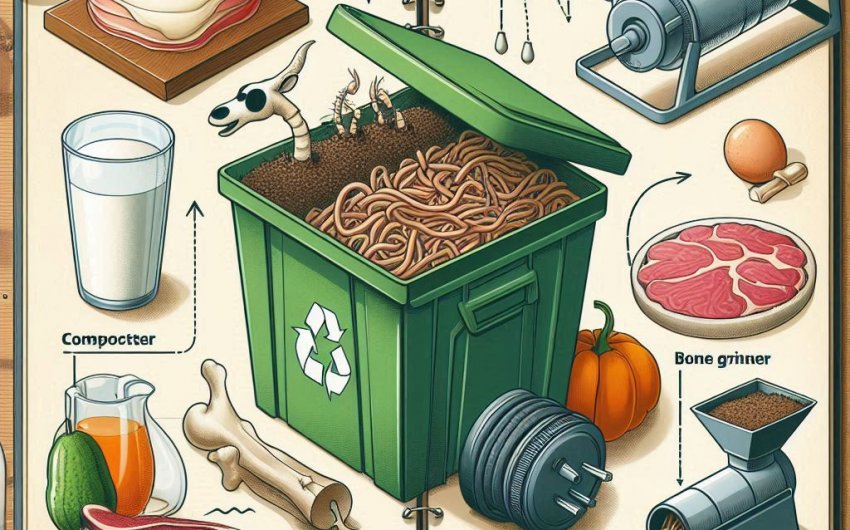
Composting is a fantastic way to turn kitchen and yard waste into rich, dark material for your garden. It helps your plants grow strong and healthy. Most people know you can compost things like fruit peels, vegetable scraps, and leaves. But what about trickier items like dairy products, meat, and bones? These are often listed as "do not compost" in many basic guides. Why is that? And is there ever a way to compost them safely? Let's dig into the details.
Why Are Dairy, Meat, and Bones Usually Not Recommended for Home Composting?
If you look at most starter guides for home composting, you'll quickly see a list of items to avoid. Meat, dairy, and bones are almost always on that list. There are very good reasons for this advice when it comes to a typical backyard compost pile.
Do They Attract Pests?
This is the biggest reason why these items are usually a no-go for standard compost piles.
- Rodents: Rats, mice, and other rodents are highly attracted to the smell of meat and dairy. Once they find your compost pile, they'll keep coming back. They can dig tunnels, make nests, and become a nuisance in your yard. Plus, rodents can carry diseases.
- Flies: Leftover meat and dairy can quickly attract all sorts of flies, including house flies and blowflies. These flies can lay eggs, and soon you'll have maggots in your compost. While maggots do help break down organic matter, most people don't want a swarm of flies or a pile full of maggots in their backyard.
- Other Animals: Depending on where you live, these food scraps could also attract raccoons, opossums, skunks, or even bears. These animals can make a huge mess, scattering your compost and possibly damaging your garden.
Do They Create Bad Smells?
Meat and dairy products spoil in a way that creates very strong, unpleasant odors. When they break down without enough air, they go "anaerobic." This means they rot without oxygen, producing a truly foul smell. This smell isn't just unpleasant for you; it's also what attracts those unwanted pests we just talked about. A well-managed compost pile should smell earthy, not rotten.
Do They Decompose Slowly?
Bones are very dense and break down extremely slowly. Even in ideal composting conditions, a chicken bone could take years to fully decompose. Large bones might never fully break down in a typical home compost bin. This means you'd end up with bone fragments in your finished compost, which isn't ideal for gardening. While meat and dairy decompose faster than bones, they still take longer than most plant-based materials, especially if the pile isn't hot enough.
Can They Spread Pathogens?
Meat and dairy products can contain harmful bacteria, like E. coli or Salmonella. While hot composting (which we'll discuss later) can kill these pathogens, most home compost piles don't consistently reach or maintain the high temperatures needed. If these pathogens survive in your compost, they could potentially contaminate your garden vegetables. This is a significant health concern, especially if you plan to use the compost on food crops.
For these reasons, most general composting advice suggests avoiding dairy, meat, and bones entirely for the average backyard compost pile. It keeps things simple, safe, and odor-free.
What is Hot Composting, and How Does It Handle These Materials?
So, if regular home composting isn't suitable, is there any way to compost dairy, meat, and bones? Yes, but it requires a more advanced method called hot composting. Hot composting is a technique that intentionally creates very high temperatures within the compost pile.
How Does Hot Composting Work?
Hot composting relies on a perfect mix of "greens" (nitrogen-rich materials) and "browns" (carbon-rich materials), enough moisture, and plenty of air. When these elements are balanced, microorganisms in the pile become super active. Their activity generates a lot of heat. A truly hot compost pile can reach temperatures between 130°F and 160°F (55°C to 70°C). This is hot enough to kill most weed seeds, harmful bacteria, and even break down tougher materials more quickly.
Why is Heat Important for Meat and Dairy?
The high temperatures in a hot compost pile are key to safely breaking down meat and dairy products.
- Pathogen Killing: The sustained high heat effectively kills most harmful bacteria and pathogens that might be present in meat and dairy. This makes the finished compost safe to use in your garden.
- Faster Decomposition: The intense microbial activity speeds up the breakdown of fats, proteins, and other compounds found in these materials. This reduces the time they sit in the pile and cause odors or attract pests.
- Odor Control: In a properly managed hot compost pile, meat and dairy break down so quickly and efficiently that they don't have time to putrefy (rot badly) and create foul odors. The heat and constant turning help maintain aerobic (oxygen-rich) conditions, which prevents stinky anaerobic decomposition.
What About Composting Bones in a Hot Pile?
Even in a hot compost pile, bones are still challenging. While the heat will help, they will still break down very, very slowly. Small, thin bones (like from fish or poultry) might eventually disappear, but larger or denser bones (like beef or pork bones) will likely remain largely intact, even after several months of hot composting. If you want to compost bones, you'll still need to be very patient or consider crushing them into smaller pieces before adding them.
Advanced Composting Methods for Meat, Dairy, and Bones
Beyond just having a hot pile, there are specific composting systems designed to handle these materials more effectively and safely.
Tumbler Composters: Are They Good for Meat and Dairy?
A compost tumbler is a sealed, rotating drum that sits off the ground.
- Advantages: Tumblers can often reach higher temperatures than open piles because they retain heat better. They are also sealed, which helps contain odors and deter pests like rodents. Turning them is easy, ensuring good aeration.
- Considerations: While a tumbler can handle small amounts of meat and dairy, it still needs a good carbon-to-nitrogen ratio to get hot. Large amounts could still cause problems if the balance isn't right. Small bones might eventually break down, but larger ones will likely remain. A good quality compost tumbler can be a significant investment but offers convenience.
Bokashi Composting: A Pre-Composting Solution
Bokashi composting is a unique two-step process that can handle all food scraps, including meat, dairy, and bones. It's not true composting in the traditional sense; it's more like a fermentation process.
- Fermentation: You add food scraps to a sealed Bokashi bin layered with special Bokashi bran. The bran contains beneficial microbes that ferment the food scraps in an anaerobic (oxygen-free) environment. This process pickles the food, preventing it from rotting and smelling bad.
- Burying/Composting: After 2-4 weeks in the bin, the fermented material is then buried directly in the garden soil or added to a regular compost pile. At this stage, the fermented food quickly breaks down in the soil or compost. The initial fermentation process makes the meat, dairy, and even small bones much easier for soil microbes to digest.
- Advantages: It handles all food waste, is largely odor-free during fermentation, and is very effective. It's a great solution for those who want to compost everything.
- Considerations: It's an extra step and requires specific Bokashi bran. You also need a place to bury the fermented material or a compost pile to finish the process.
Vermicomposting (Worm Composting): A Specific No-Go for Meat and Dairy
Vermicomposting uses worms (usually red wigglers) to break down food scraps. While worms are amazing at composting, meat, dairy, and bones are generally not recommended for a worm bin.
- Why not?
- Odor and Pests: Like regular compost, meat and dairy will smell bad and attract pests (flies, ants, rodents) to your worm bin.
- Worm Health: These items can disrupt the delicate balance of the worm bin and potentially harm the worms or make the bin unhealthy. Worms prefer a plant-based diet.
- Slow Breakdown: Bones are too hard for worms to break down.
- Verdict: Stick to fruit, vegetable scraps, and paper/cardboard for your worm bin.
Tips for Successfully Composting Meat, Dairy, and Bones (If You Dare!)
If you're committed to trying to compost these materials in a hot compost pile, here are some crucial tips to maximize your chances of success and minimize problems.
Always Bury Deep in the Pile
Never leave meat, dairy, or bones exposed on the surface of your compost pile.
- Why? Leaving them exposed guarantees pests will find them quickly.
- How? Dig a hole deep into the center of your compost pile. Place the scraps inside, then cover them with at least 12-18 inches (30-45 cm) of other compost materials (like leaves or grass clippings). This creates a barrier against pests and helps keep odors contained.
Cut into Small Pieces
The smaller the pieces, the faster they will decompose.
- Meat: Cut meat scraps into very small chunks.
- Bones: Crush bones as much as possible. A meat mallet or even a rock on a hard surface can help for smaller bones. For larger bones, consider simply not adding them.
Ensure a Good Carbon-to-Nitrogen Ratio
This is vital for hot composting.
- "Greens" (Nitrogen): These are wet, fresh materials like grass clippings, fresh food scraps (excluding large amounts of meat/dairy at first), and coffee grounds.
- "Browns" (Carbon): These are dry, woody materials like dry leaves, wood chips, shredded newspaper, and cardboard.
- The Ratio: Aim for about 2-3 parts "browns" to 1 part "greens" by volume. When adding meat and dairy, consider them as highly nitrogen-rich materials. Therefore, you need to add a lot of "browns" (like dry leaves or wood chips) along with them to help balance the pile and absorb moisture and odors. For example, if you add a pound of meat scraps, bury them deep with several layers of dry leaves.
Turn the Pile Regularly and Frequently
Frequent turning is essential for hot composting and for breaking down difficult materials.
- Why? Turning introduces air (oxygen) into the pile, which is crucial for aerobic decomposition. It also helps distribute heat evenly and brings cooler outer material into the hot center.
- How often? For a truly hot compost pile with meat and dairy, you should aim to turn it every few days, or at least once a week. This helps maintain the high temperatures and prevents anaerobic conditions that lead to bad smells. A good compost aerator tool can make this easier.
Maintain Proper Moisture Levels
Your compost pile should be damp, like a wrung-out sponge, not soaking wet or bone dry.
- Too Wet: If it's too wet, it can become anaerobic and stinky, slowing decomposition.
- Too Dry: If it's too dry, microbial activity slows down, and the pile won't heat up.
- Balance: Meat and dairy add moisture, so be sure to balance them with dry "brown" materials. If your pile seems too dry, add a little water as you turn it.
Only Use Small Amounts at a Time
Don't add huge amounts of meat or dairy all at once.
- Recommendation: Start with very small amounts and see how your pile reacts. A few scraps here and there are much easier for the pile to handle than a whole Thanksgiving turkey carcass.
- Mix in well: Always mix these items well with other materials, don't just dump them on top or in one large clump.
Consider a Secure Compost Bin
For composting meat, dairy, and bones, an open pile might not be the best choice.
- Enclosed Bins: A sturdy, enclosed compost bin can help deter larger pests. Some bins are designed to be rodent-proof. A compost tumbler is also a good secure option.
- Hardware Cloth: You can build a compost bin framed with strong hardware cloth (1/4-inch mesh or smaller) to keep out most rodents.
What Are the Alternatives if I Don't Want to Compost Them?
If trying to compost dairy, meat, and bones sounds like too much trouble or too risky for your home composting setup, don't worry! There are other responsible ways to dispose of them.
What About City Green Waste or Composting Programs?
Many cities and towns have dedicated programs for collecting food waste and green waste.
- Curbside Pickup: Some areas offer curbside pickup for food scraps, often in a separate bin. These programs typically use large-scale commercial composting facilities that can reach and maintain the very high temperatures needed to safely break down meat, dairy, and bones. They also have pest control measures in place.
- Drop-off Sites: If curbside pickup isn't available, your city might have designated drop-off sites for food waste.
- Check Local Rules: Always check with your local municipality or waste management company to see what their rules are for food waste and what materials they accept.
What About Freezing Scraps Until Collection Day?
If your city has a food waste collection program, but collection is only once a week or less often, you can freeze your meat and dairy scraps in a container until collection day.
- Why Freeze? Freezing prevents the scraps from rotting and smelling in your kitchen between collection days. This helps keep your kitchen tidy and odor-free.
- How? Keep a small container with a lid (like a leftover yogurt container or a dedicated kitchen compost bin for the freezer) in your freezer. Add scraps as they accumulate, then transfer the frozen block to your curbside bin on collection day.
Can I Dispose of Them in Regular Trash?
Yes, if you don't have access to composting programs or specialized composting methods, disposing of meat, dairy, and bones in your regular household trash is the standard and safest option to avoid problems with pests and odors in your yard.
- Best Practice: To minimize odors in your trash can, especially if you have to wait several days for trash pickup, double-bag these items in plastic bags before putting them in the main trash. You can also freeze them temporarily before tossing them.
What About Rendering or Using for Stock?
For bones, an alternative to discarding them is to make bone broth or stock. This extracts nutrients and flavors, and you can then dispose of the softened bones (which are less likely to attract pests and might break down slightly faster if composted afterward, though still slowly). This isn't strictly composting, but it's a way to get more use out of the material before disposal.
Ultimately, the decision of whether or not to compost dairy products, meat, and bones at home depends on your comfort level, the type of composting system you have, and your willingness to manage a potentially more demanding pile. For most home composters, it's simpler and safer to stick to plant-based materials and utilize municipal food waste programs if available for the trickier scraps.