
Grass to Gold: Maximizing Your Lawn Clippings in Compost
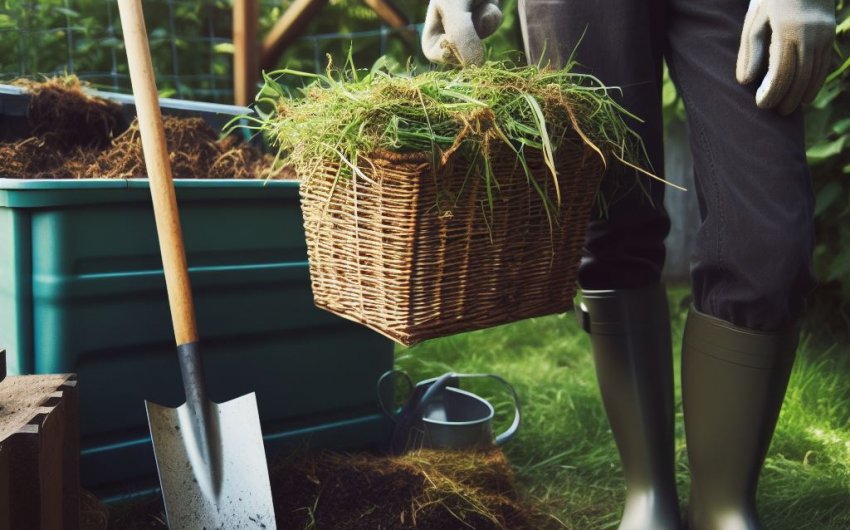
Maximizing your lawn clippings in compost is a highly effective way to transform a common yard waste into nutrient-rich "black gold" for your garden. By understanding how to properly balance their high nitrogen content with carbon-rich materials, you can create an active, healthy compost pile that breaks down efficiently and enriches your soil.
Why are lawn clippings considered "green gold" for compost?
Lawn clippings are an incredibly valuable ingredient for any compost pile, often considered "green gold" due to their rich nutritional profile and rapid decomposition. They represent a readily available, free, and renewable resource for home gardeners looking to enhance their soil and reduce waste.
What nutrients do lawn clippings provide to compost?
Lawn clippings are a prime example of a "green" material in composting, meaning they are rich in nitrogen. Nitrogen is a fundamental nutrient for the microorganisms that drive the decomposition process, acting as their "protein" source. Besides nitrogen, grass clippings also contain smaller amounts of other essential plant nutrients, such as potassium and phosphorus, along with various micronutrients, all of which will eventually be released into your finished compost.
Why do lawn clippings decompose quickly?
The high moisture content and relatively small size of individual grass blades make lawn clippings very easy for microorganisms to break down. Their tender structure means they decompose much faster than woody materials, helping to activate and heat up a compost pile quickly. This rapid decomposition is beneficial for jump-starting a new pile or re-energizing a slow one.
What are the environmental benefits of composting lawn clippings?
- Reduces landfill waste: Diverting lawn clippings from landfills significantly reduces the volume of organic waste, saving space and reducing transportation costs.
- Reduces methane emissions: When organic matter (like grass clippings) decomposes in oxygen-poor (anaerobic) conditions in a landfill, it produces methane, a potent greenhouse gas. Composting, when done aerobically, produces significantly less methane.
- Creates a valuable resource: Instead of waste, you get nutrient-rich compost that improves soil health, reducing the need for synthetic fertilizers.
What are the potential problems with adding too many lawn clippings to compost?
While lawn clippings are excellent compost material, their very properties (high nitrogen, high moisture, small particle size) can become problematic if added in excessive quantities or without proper balance. This often leads to unpleasant odors and sluggish decomposition.
Why do large amounts of grass clippings become smelly and slimy?
- Anaerobic conditions: When a large, dense layer of wet grass clippings is added to a compost pile, it compacts easily. This compaction squeezes out air (oxygen), leading to anaerobic decomposition (decomposition without oxygen).
- Foul odors: Anaerobic bacteria produce byproducts like ammonia and hydrogen sulfide, which cause the characteristic rotten egg or foul odor.
- Slime: The high moisture content combined with anaerobic conditions can also result in a slimy, putrid mess rather than crumbly compost.
Why do too many greens slow decomposition?
Paradoxically, too many "greens" (high nitrogen) without enough "browns" (high carbon) can actually slow down the composting process. The microorganisms need a balanced diet. If they only have nitrogen, they'll process it too quickly without enough carbon to build their cell structures, and the pile can become unbalanced and halt. It will also lead to the anaerobic issues described above, which is a much slower form of decomposition.
Can grass clippings introduce weeds or herbicides?
- Weed seeds: If your lawn contains weeds that have gone to seed, those seeds can survive the composting process, especially in a "cold" (low-temperature) pile. This can lead to spreading weeds in your garden when you use the finished compost.
- Herbicides: If your lawn has recently been treated with herbicides, especially "persistent" broadleaf weed killers, the residues can remain in the grass clippings and potentially harm sensitive garden plants when you use the compost. Always avoid composting grass clippings from recently treated lawns, or wait several weeks (check herbicide label for specific re-entry/compost instructions).
How do you properly balance lawn clippings in your compost pile?
The key to successfully composting lawn clippings is to balance their nitrogen-rich, moist nature with carbon-rich, dry materials. This creates the ideal environment for aerobic microorganisms to thrive and decompose efficiently.
What is the ideal "greens to browns" ratio for grass clippings?
Aim for a ratio of approximately 25-30 parts carbon (browns) to 1 part nitrogen (greens) by weight, or roughly two to three times more browns than greens by volume. When adding grass clippings, this usually means adding a much larger volume of dry, carbon-rich material.
- Grass clippings are greens.
- Dry leaves, shredded paper/cardboard, straw, wood chips are browns.
How do you layer lawn clippings with browns?
- Alternate layers: Avoid adding large, thick layers of only grass clippings. Instead, alternate thin layers (no more than 2-4 inches) of grass clippings with significantly thicker layers (6-12 inches) of dry, carbon-rich brown materials.
- Mix thoroughly: Ideally, mix the grass clippings and brown materials together before adding them to the pile, or thoroughly turn the pile after adding new layers. This ensures even distribution and prevents compaction.
- Build progressively: Don't dump a huge amount of grass clippings on top of an existing, dense pile. Incorporate them gradually.
What are good carbon-rich materials to pair with lawn clippings?
- Shredded autumn leaves: The absolute best partner for grass clippings, as they are often abundant at the same time and provide excellent carbon. Consider using a leaf shredder for smaller pieces.
- Straw or hay (weed-free): Excellent for aeration and carbon.
- Shredded newspaper or cardboard: Good carbon source, but may need to be moistened.
- Sawdust/Wood chips: Use in moderation as they decompose slowly.
What is the best way to add lawn clippings to your compost pile?
Beyond balancing, the physical preparation and method of adding lawn clippings can significantly impact how quickly and efficiently they break down.
Should you chop or shred lawn clippings before adding?
Yes, shredding or chopping lawn clippings into smaller pieces before adding them to the compost pile is highly beneficial.
- Increased surface area: Smaller pieces expose more surface area to microorganisms, speeding up decomposition.
- Better aeration: Prevents matting and compaction, allowing air to circulate more freely.
- Faster breakdown: Materials break down more quickly and uniformly.
Most lawnmowers do a decent job of shredding, but you can also run them over clippings a second time or use a dedicated garden shredder/chipper.
How should you manage the moisture of lawn clippings?
Lawn clippings are naturally high in moisture.
- Avoid adding wet clumps: Never add large, wet, compacted clumps of grass clippings to your compost pile. Spread them out to air dry for a few hours if very wet.
- Balance with dry browns: Always pair wet grass clippings with a generous amount of dry, carbon-rich materials to absorb excess moisture and prevent sogginess.
- Monitor overall pile moisture: The entire compost pile should feel like a wrung-out sponge – consistently moist but never soggy.
How do you maintain a compost pile with lawn clippings?
Active management of your compost pile, especially when incorporating a high volume of lawn clippings, is key to achieving nutrient-rich compost quickly and efficiently.
How often should you turn your compost pile with grass clippings?
Regular turning is crucial when you have a lot of grass clippings.
- Hot composting: If you're aiming for hot compost (130-160°F or 54-71°C), turn the pile every few days to once a week, especially when it begins to cool down after heating up. This re-aerates the pile, mixes materials, and ensures even decomposition. Use a compost thermometer to monitor temperatures.
- Cold composting: For a slower, more passive pile, turn it at least once a month. This still helps prevent anaerobic conditions.
Turning prevents compaction, introduces fresh oxygen, and prevents the "green slime" from forming. A compost aerator tool can make this easier.
How do you regulate temperature in a compost pile with grass?
Grass clippings can cause a compost pile to heat up very quickly due to their high nitrogen content.
- If too hot (over 160°F): This can kill beneficial microbes. Turn the pile to cool it down and introduce more browns.
- If too cold (below 130°F but active): Add more green materials, ensure proper moisture, and turn to re-energize the microbes.
- Balance is key: Proper greens-to-browns ratio, adequate moisture, and regular turning will naturally regulate the temperature within the ideal range.
What are the benefits of using finished compost made from lawn clippings?
The finished compost derived from lawn clippings is a powerful amendment that offers numerous advantages for soil and plant health, completing the "grass to gold" cycle.
How does this compost enrich garden soil?
Finished compost made from lawn clippings provides a stable source of humus, which is critical for healthy soil.
- Nutrient availability: It slowly releases the concentrated nitrogen, phosphorus, and potassium from the grass, along with trace minerals, into the soil in a form that plants can easily absorb.
- Improved structure: Enhances the structure of both sandy and clay soils, making them more resilient and workable.
- Microbial diversity: Reintroduces a vast array of beneficial microorganisms that suppress diseases and support nutrient cycling.
How does this compost enhance plant growth and vigor?
Using compost derived from lawn clippings directly supports vigorous plant growth:
- Stronger root systems: Improved soil structure and microbial activity encourage healthier, more extensive root growth.
- Increased disease resistance: Beneficial microbes can protect plants from soil-borne diseases.
- Better water retention: Helps plants access moisture more consistently, leading to less stress.
- Reduced need for synthetic fertilizers: Plants get a steady diet of natural nutrients.
What are common uses for this "black gold" in the garden?
- Soil amendment: Mix 1-3 inches of finished compost into new garden beds or vegetable plots before planting.
- Topdressing: Spread a 1/2 to 1-inch layer around established plants, shrubs, and trees.
- Potting mix: Incorporate 10-20% compost into your homemade potting mixes for containers.
- Seed starting: Fine, sieved compost can be a component of a nutrient-rich seed starting mix.
What if you can't compost all your lawn clippings?
Sometimes you have more lawn clippings than your compost pile can handle, or you might need alternatives for specific situations.
Can you leave lawn clippings on the lawn (grasscycling)?
Yes, grasscycling is a highly recommended practice where you leave short clippings on the lawn after mowing.
- Benefits: The clippings decompose quickly, returning nitrogen and organic matter to the soil, acting as a natural fertilizer and reducing the need for bagging.
- Method: Ensure you mow frequently enough so that clippings are no more than 1 inch long. Use a mulching mower blade for best results.
- Avoid: Don't grasscycle if clippings are thick, wet, or from a weed-infested or recently herbicided lawn.
Can lawn clippings be used as mulch directly?
Yes, lawn clippings can be used as a mulch directly in garden beds, but with some important caveats:
- Apply thin layers: Only apply a thin layer (1/2 to 1 inch) at a time.
- Allow to dry: Ideally, let clippings dry slightly before applying to prevent matting and odor.
- Avoid fresh, thick layers: These can become slimy, smelly, and anaerobic, or heat up and "burn" plants.
- Keep away from stems: Always leave space around plant stems.
- Check for herbicides/weeds: Do not use clippings from lawns recently treated with herbicides or from areas with mature weeds.
Maximizing your lawn clippings in compost is a cornerstone of sustainable and organic gardening. By understanding their unique composition and learning to balance them correctly with carbon-rich materials, you can efficiently transform this common yard waste into a rich, dark "black gold" that significantly enhances your soil's health, nurtures your plants, and minimizes your environmental impact.