
Tea Time for Plants: How to Make and Use Compost Tea
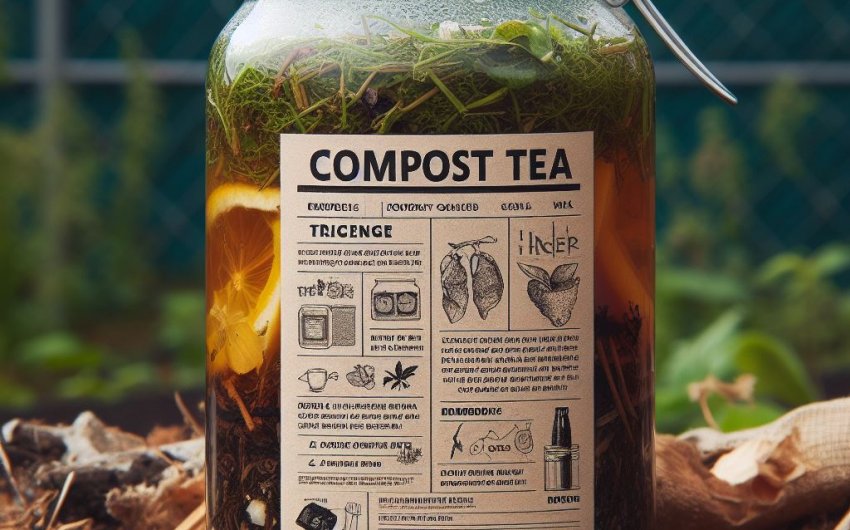
To make and use compost tea for your plants, you essentially brew finished compost in water, often with aeration and a food source, to extract and multiply beneficial microorganisms and water-soluble nutrients. This liquid concentrate can then be applied to plants as a gentle, natural fertilizer and a boost for soil and foliar health.
What exactly is compost tea, and how does it benefit plants?
Compost tea is a liquid extract made by steeping finished compost in water. The goal is to create a concentrated solution teeming with beneficial microorganisms (bacteria, fungi, protozoa, nematodes) and dissolved nutrients that were present in the compost. Unlike applying solid compost, which slowly releases its benefits, compost tea offers a more immediate boost, acting as a gentle liquid fertilizer and a microbial inoculant for both soil and plant foliage.
How does compost tea differ from "worm tea" or leachate?
It's important to distinguish between true compost tea and "worm tea" (also known as leachate).
- Compost Tea: Actively brewed by steeping finished compost in water, often with aeration and food sources, to multiply the microbial populations. It's a living solution designed to deliver high concentrations of beneficial microbes.
- Worm Tea / Leachate: This is the liquid that passively drains from the bottom of a worm bin. While it contains some nutrients and microbes, it can also be anaerobic and potentially harmful if not used or diluted correctly. It's not actively brewed to multiply microbes.
What are the main benefits of using compost tea?
- Boosts beneficial microorganisms: Inoculates soil and plant surfaces with a diverse range of beneficial bacteria and fungi, which can outcompete pathogens.
- Suppresses plant diseases: The beneficial microbes create a "protective shield" on plant surfaces, making it harder for disease-causing organisms to establish.
- Enhances nutrient availability: Helps convert nutrients in the soil into plant-available forms.
- Provides gentle nutrition: Offers a mild, slow-release liquid fertilizer that won't burn plants.
- Improves soil health: Adds organic matter and microbial diversity to the soil food web.
- Environmentally friendly: Reduces the need for synthetic fertilizers and pesticides.
What ingredients do you need to make effective compost tea?
Making effective compost tea requires more than just compost and water. You need high-quality inputs to ensure you're brewing a beneficial, microbe-rich solution, not just smelly, anaerobic water.
What kind of compost is best for brewing?
The quality of your compost tea directly depends on the quality of your compost. Use finished, mature, high-quality compost that:
- Is dark, crumbly, and earthy-smelling: Indicates stable decomposition.
- Contains a diverse range of materials: Suggests a rich microbial population.
- Has no visible pests or strong odors: Ensures you're not brewing problems.
Avoid using fresh, unfinished compost, as it can be anaerobic or contain pathogens that will multiply in the tea. High-quality organic compost or well-made worm castings (vermicompost) are excellent choices.
What kind of water should you use for compost tea?
Use unchlorinated water for brewing compost tea.
- Rainwater: Ideal, as it's naturally soft and free of chlorine.
- Dechlorinated tap water: Fill a bucket with tap water and let it sit out for 24-48 hours. The chlorine will dissipate into the air. Alternatively, use a carbon filter on your hose.
- Avoid: Chlorinated water will kill the beneficial microorganisms you're trying to multiply.
What are common microbial food sources for compost tea?
Adding a food source, or activator, helps to feed and multiply the beneficial microorganisms during the brewing process.
- Unsulphured molasses: A popular choice, providing carbohydrates (sugars) for bacteria. Use only unsulphured.
- Fish hydrolysate or liquid seaweed: Provide additional nutrients and growth stimulants. Organic fish emulsion and liquid seaweed are good choices.
- Humic acid/Fulvic acid: Can help enhance microbial activity.
Use these activators sparingly; too much can lead to anaerobic conditions.
How do you make actively aerated compost tea (AACT)?
Actively aerated compost tea (AACT) is considered the most beneficial type of compost tea because the constant aeration ensures that only beneficial aerobic (oxygen-loving) microorganisms multiply, preventing the growth of harmful anaerobic bacteria.
What equipment do you need for AACT?
- Brewing container: A clean, food-grade bucket (5-gallon is common).
- Air pump: An aquarium air pump (rated for the volume of your bucket) and an air stone or diffuser. A compost tea brewer kit often includes these.
- Compost tea bag: A fine-mesh bag (e.g., paint strainer bag, nylon stocking) to hold the compost.
- Unchlorinated water: As discussed above.
- Finished compost/worm castings: Your microbial source.
- Microbial food source: Molasses, fish hydrolysate, etc.
What are the steps for making AACT?
- Fill container with water: Fill your clean bucket with unchlorinated water, leaving a few inches from the top.
- Add compost: Place 1-2 cups of finished compost or worm castings into the mesh compost tea bag. Tie it securely.
- Suspend bag: Suspend the compost tea bag in the water, ensuring it's fully submerged but can move freely.
- Add activators: Add 1-2 tablespoons of unsulphured molasses (or other chosen food source) to the water.
- Add aeration: Place the air stone/diffuser at the bottom of the bucket and turn on the air pump. Ensure vigorous bubbling.
- Brew: Brew for 18-36 hours. The ideal brewing time depends on temperature and compost quality. Aim for clear water becoming slightly cloudy, with an earthy smell. Brew at room temperature (65-75°F or 18-24°C).
- Monitor: Check the smell; it should always smell earthy, never foul.
- Use immediately: AACT is a living solution. Use it within 4-6 hours of turning off the air pump for maximum microbial benefit.
How do you make passively steeped compost tea (non-aerated)?
Passively steeped compost tea (sometimes called compost "leachate" or "extract" in this context) is simpler to make as it doesn't require an air pump. However, it's generally considered less potent in terms of beneficial aerobic microbes and carries a higher risk of becoming anaerobic.
What equipment do you need for non-aerated tea?
- Brewing container: A clean bucket with a lid.
- Compost tea bag: A fine-mesh bag.
- Unchlorinated water: As discussed above.
- Finished compost/worm castings: Your microbial source.
What are the steps for making non-aerated compost tea?
- Fill container with water: Fill your clean bucket with unchlorinated water.
- Add compost: Place 1-2 cups of finished compost or worm castings into the mesh compost tea bag.
- Submerge bag: Suspend the compost tea bag in the water.
- Steep: Let it steep for 1-2 days, no more than 3 days. Shorter steeping times reduce the risk of it turning anaerobic.
- Monitor: Check frequently for foul odors. If it smells bad, discard it.
- Use immediately: Use the tea as soon as it's ready, or within a few hours.
Why is non-aerated tea potentially less beneficial?
Without aeration, the oxygen levels in the water quickly deplete, creating an anaerobic environment. This favors the growth of anaerobic microorganisms, some of which can be harmful to plants. While it still extracts some nutrients, its microbial benefits are generally lower than AACT.
How do you apply compost tea to your plants?
Compost tea is a versatile product that can be applied in several ways, benefiting both the soil and the plant foliage.
What are methods for applying compost tea to soil?
- Soil drench: Dilute the compost tea with water (e.g., 1:5 or 1:10 ratio, or even undiluted for AACT if desired, but dilution is usually recommended to make it go further) and pour it around the base of plants. This inoculates the soil with beneficial microbes and provides a root-level nutrient boost.
- Seed starting/Transplanting: Use diluted compost tea to moisten potting mix for seed starting or as a drench for newly transplanted seedlings to give them a healthy start and reduce transplant shock.
How do you use compost tea as a foliar spray?
- Foliar spray: For disease suppression and nutrient absorption, dilute the compost tea (e.g., 1:5 to 1:10 ratio) and spray it directly onto plant foliage, ensuring both the top and undersides of leaves are covered. Use a garden sprayer for even application.
- Timing: Apply in the early morning or late afternoon when temperatures are cooler and the stomata (pores) on the leaves are open, allowing for better absorption. Avoid spraying in direct sun, which can cause leaf burn.
- Frequency: Apply every 2-4 weeks during the growing season, or more frequently if dealing with disease pressure.
Can compost tea be used on all plants?
Yes, compost tea is generally safe and beneficial for all types of plants, including vegetables, fruits, flowers, herbs, trees, and houseplants. Its gentle nature makes it suitable for even delicate seedlings.
What are common compost tea problems and troubleshooting tips?
While making compost tea is straightforward, problems can arise. Recognizing these issues and knowing how to fix them ensures you produce a high-quality, beneficial product.
Why does my compost tea smell bad?
A foul, rotten, or strong ammonia-like smell indicates that your tea has gone anaerobic (lacking oxygen) and is no longer beneficial, possibly even harmful.
- Cause: Too long brewing time without aeration, insufficient aeration, too much microbial food, or using poor-quality compost.
- Fix: Discard the bad tea. For future batches, ensure constant, vigorous aeration (for AACT), reduce brewing time, use less food, and check compost quality.
Why isn't my AACT bubbling vigorously?
- Cause: Clogged air stone, kinked tubing, or a weak air pump.
- Fix: Check tubing for kinks. Clean or replace the air stone. Ensure the air pump is functioning correctly and is appropriately sized for your bucket.
Why do I see scum or foam on my compost tea?
A thin layer of foam or scum on top is often normal, especially with activators like molasses. However, excessive, thick, or oddly colored scum might indicate issues.
- Cause: Excess protein/food sources, or an imbalance in microbial populations.
- Fix: Reduce food source in next batch. Ensure good aeration.
Can compost tea attract pests?
If you use non-aerated tea that has turned anaerobic and smells bad, or if you use too many sugary activators and leave residue on leaves, it could theoretically attract pests like fruit flies.
- Fix: Use fresh, aerated tea. Rinse off leaves with plain water after a few hours if concerned about sugary residue. Maintain a clean brewing area.
Making and using compost tea is an incredibly rewarding practice for any gardener, offering a powerful, natural boost to plant health and soil vitality. By carefully selecting your compost, using unchlorinated water, providing proper aeration for actively aerated teas, and applying it correctly as a soil drench or foliar spray, you can provide your plants with their very own "tea time," fostering a thriving and resilient garden ecosystem.