
Composting with Worms: An Introduction to Vermicomposting
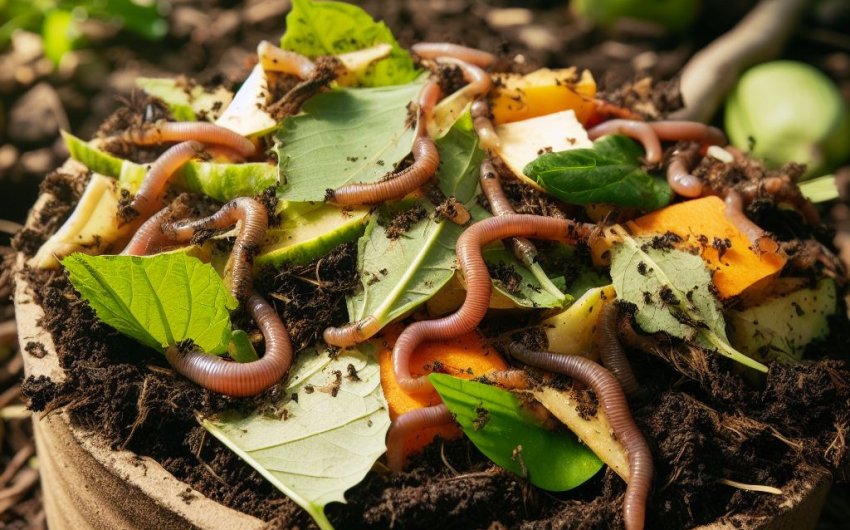
Composting with worms, known as vermicomposting, is an efficient and eco-friendly method of breaking down organic waste into a rich, nutrient-dense soil amendment using specific species of composting worms. It's an excellent way to reduce kitchen waste, create "black gold" for your garden, and can be done indoors year-round with minimal odor.
What exactly is vermicomposting, and how does it work?
Vermicomposting is a process that utilizes various species of earthworms, typically red wigglers (Eisenia fetida) or European nightcrawlers (Eisenia hortensis), to convert organic waste into a valuable material called vermicompost or worm castings. Unlike traditional composting, which relies on heat from microbial activity, vermicomposting is a "cold" process driven by the worms' consumption and digestion of organic matter. They ingest food scraps, bedding materials, and microorganisms, breaking them down into nutrient-rich excrement (castings) that significantly enhance soil health.
What are "worm castings" and why are they so valuable?
Worm castings are the nutrient-rich excrement produced by composting worms. They are often referred to as "black gold" by gardeners due to their exceptional benefits:
- High nutrient content: Castings contain a highly concentrated, readily available form of nutrients (nitrogen, phosphorus, potassium, calcium, magnesium, etc.) that plants can easily absorb.
- Improved soil structure: They add organic matter, improving soil aeration, water retention, and drainage.
- Beneficial microbes: Castings are packed with diverse microorganisms that help suppress plant diseases and promote healthy root growth.
- Hormones and enzymes: Contain plant growth hormones and enzymes that stimulate plant development.
- Odorless and non-burning: Unlike fresh manure or some synthetic fertilizers, castings are odorless and can be safely applied directly to plants without causing "fertilizer burn."
What types of worms are best for vermicomposting?
Not all worms are suitable for vermicomposting. The worms you dig up from your garden are generally not the best choice, as they are typically deep-burrowing "earthworms." Vermicomposting requires specific surface-dwelling species.
Why are "red wigglers" the go-to composting worm?
Red wigglers (Eisenia fetida) are by far the most popular and efficient composting worms. They are preferred for several reasons:
- Surface dwellers: They naturally live in the top few inches of decaying organic matter, making them ideal for bin composting.
- Voracious eaters: They have a rapid appetite and can consume half their body weight in food per day.
- Rapid reproduction: They multiply quickly, adapting to the size of their food supply and bin.
- Tolerant: They can tolerate a wide range of conditions (temperature, moisture) better than some other worm species.
- Commercially available: Easy to purchase from worm farms or online suppliers. You can buy red wiggler composting worms online.
Can other worms be used for vermicomposting?
Yes, other worms can be used, but red wigglers are often the most recommended for beginners:
- European Nightcrawlers (Eisenia hortensis): Larger than red wigglers, they consume a bit slower but can tolerate a wider temperature range and are also good fishing bait worms. They can process slightly larger pieces of food.
- African Nightcrawlers (Eudrilus eugeniae): Even larger and faster eaters, but require warmer temperatures and are more sensitive to cold.
Avoid common garden earthworms (Lumbricus terrestris), as they prefer mineral soil and burrow deeply, making them unsuitable for most vermicomposting bins.
What materials can you put in a worm bin?
A worm bin thrives on a specific diet of organic materials. The key is to provide a balanced mix of "greens" (food scraps) and "browns" (bedding), along with moderation and avoiding items that can harm the worms or cause odors.
What are ideal food scraps for worm composting?
- Fruit and vegetable scraps: Peels, cores, leftover bits. Chop into smaller pieces for faster decomposition.
- Coffee grounds and tea bags: Excellent sources of nitrogen; tea bags (without staples) are fine.
- Crushed eggshells: Provide grit for the worms' gizzard (essential for digestion) and add calcium.
- Starchy foods: Bread, pasta, rice (in moderation to avoid attracting pests or creating anaerobic conditions).
- Leaves: Small amounts of fresh or dried leaves.
What materials are best for worm bin bedding?
Bedding is crucial for worm bins, providing a home for the worms, retaining moisture, and serving as a carbon source.
- Shredded newspaper or cardboard: Plain, uncolored newspaper or corrugated cardboard (remove tape/labels) is excellent.
- Coconut coir: A natural fiber that retains moisture well and is lightweight. Available as coconut coir blocks.
- Leaves: Shredded dry leaves.
- Straw: Good for aeration and carbon.
Aim for bedding that is roughly 75% moist (like a wrung-out sponge).
What should you NEVER put in your worm bin?
- Meat, bones, fish, dairy products: Attract pests, create foul odors, and can contain harmful bacteria.
- Oils, grease, fats: Attract pests and can suffocate worms.
- Citrus peels in large quantities: High acidity can harm worms, though small amounts are usually fine.
- Onions and garlic: Can be irritating to worms in large quantities.
- Diseased plants: Can spread pathogens.
- Pet waste (dog/cat feces): Contains parasites harmful to humans.
- Anything treated with pesticides or chemicals: Will harm or kill your worms.
- Large quantities of one type of food: Aim for variety.
How do you set up a basic worm composting bin?
Setting up a worm composting bin is a simple process, suitable for beginners. You can use a dedicated worm bin or create one from common materials.
What kind of bin do you need for vermicomposting?
- Commercial worm bins: Designed specifically for vermicomposting, often multi-tiered for easy harvesting of castings. Many options for indoor worm composting bins are available.
- DIY bins: You can repurpose plastic storage totes (drill drainage holes in the bottom and aeration holes in the lid), wooden crates, or even old bathtubs.
- Size: A 10-gallon bin can typically handle the scraps from a 1-2 person household. A 20-gallon bin is good for a family of four.
What are the steps for setting up a worm bin?
- Prepare the bedding: Moisten your chosen bedding material (shredded newspaper, coco coir) until it's damp like a wrung-out sponge. Fill the bottom of the bin with 6-8 inches of this moist bedding.
- Add a handful of soil/grit: This introduces beneficial microorganisms and provides grit for the worms.
- Introduce the worms: Gently place your red wigglers on top of the bedding. They will burrow down to escape the light.
- Add initial food scraps: Bury a small amount of chopped fruit and vegetable scraps under the bedding in one corner. Don't add too much initially.
- Cover: Place the lid on the bin (ensure it has ventilation holes).
Where is the best location for a worm bin?
- Temperature: Worms thrive in temperatures between 55-77°F (13-25°C).
- Location: Indoors in a basement, garage, laundry room, under a sink, or even a quiet corner of a kitchen. Outdoors, in a shaded spot, if temperatures remain within the ideal range. Avoid direct sunlight or freezing temperatures.
How do you maintain a healthy worm bin?
Maintaining a healthy worm bin involves regularly feeding your worms, ensuring proper moisture, and occasionally aerating the bedding. It's a low-maintenance process once you get the hang of it.
How often should you feed your worms?
- Start small: Begin by feeding a small amount (e.g., a handful of scraps) every few days.
- Observe: Watch how quickly the worms consume the food. Adjust feeding frequency and amount based on consumption. A well-established bin can typically process half its weight in food per day.
- Rotate feeding spots: Bury food scraps in a different section of the bin each time to encourage worms to move around.
How do you maintain proper moisture and aeration in a worm bin?
- Moisture: The bin should be consistently moist, like a wrung-out sponge. If too dry, mist with pure water. If too wet, add more dry bedding.
- Aeration: Periodically fluff the bedding with a small hand rake or fork, especially if it seems compacted. This ensures oxygen flow for the worms and reduces odors. You can also add more bulky bedding material.
What are signs of a healthy worm bin?
- Earthy smell: The bin should smell fresh and earthy, like good soil.
- Active worms: You'll see worms actively burrowing and feeding when you disturb the bedding.
- Disappearing food: Food scraps break down quickly.
- Increasing castings: You'll notice a growing amount of dark, crumbly castings.
- No pests: A healthy bin, properly managed, should not have fruit flies, mold, or unpleasant odors.
How do you harvest worm castings and "worm tea"?
Harvesting worm castings is the rewarding culmination of vermicomposting. There are several methods, from simple to more involved, to separate the worms from their valuable product.
What are common methods for harvesting worm castings?
- Migration method (moving food): This is ideal for multi-tiered bins. Stop feeding the lower bin. Add fresh bedding and food to the top bin. Worms will naturally migrate upwards to the new food source. After a few weeks, the lower bin will be mostly castings, free of worms, and ready to harvest. For single bins, move all finished castings to one side, add fresh bedding and food to the other. Worms will move to the new food side, leaving castings on the old side.
- Light method (dump and sort): Dump the contents of the bin onto a tarp in small mounds under a bright light (or in direct sunlight). Worms dislike light and will burrow deeper into the mounds. Scrape off the top layers of castings, wait for worms to burrow, and repeat until you have mostly worms at the bottom.
- Screening method: Use a screen (e.g., 1/4 inch mesh) to separate the fine castings from larger, uncomposted material and worms. This yields a very fine, uniform product.
What is "worm tea" and how do you collect it?
Worm tea (or leachate) is the liquid that drains from the bottom of a worm bin. It's not truly a "tea" (which is brewed) but a byproduct of the composting process.
- Collection: Some bins have a spigot at the bottom to collect leachate.
- Use: While it contains some nutrients, its main value is as a source of beneficial microorganisms. Dilute it significantly (e.g., 1:10 with water) before using it to water plants, as it can be quite concentrated. Avoid using if it smells foul, as this indicates anaerobic conditions.
- Compost tea (brewed): True compost tea is made by aerating finished worm castings in water, often with a molasses solution, to actively multiply beneficial microbes. This is a more potent and stable product. You can buy worm casting tea bags for easy brewing.
How do you use worm castings in your garden?
Worm castings are a versatile and potent soil amendment that can be used in various ways to boost plant health and growth, both indoors and outdoors.
What are the best uses for worm castings?
- Soil amendment: Mix 10-20% worm castings into your garden soil or raised beds before planting.
- Top dressing: Sprinkle a thin layer (1/4 to 1/2 inch) of castings around established plants, gently working it into the topsoil. Water thoroughly.
- Potting mix: Mix 10-20% worm castings into your homemade or commercial potting mix for houseplants and containers.
- Seed starting: Use a small amount of sieved castings in your seed starting mix to give seedlings a gentle nutrient boost.
- Compost tea: Brew your own liquid plant food by steeping castings in water, as described above.
Are worm castings safe for all plants?
Yes, worm castings are generally safe for all plants, including delicate seedlings, sensitive houseplants, and edible crops. They are a natural, gentle, and non-burning source of nutrients and beneficial microbes.
What are common problems with vermicomposting and how to fix them?
Even with its relative ease, vermicomposting can sometimes encounter issues. Most problems are easily diagnosed and fixed by adjusting conditions or feeding practices.
Why does my worm bin smell bad?
A foul smell (like ammonia or rotten eggs) is the most common problem and usually indicates anaerobic conditions caused by:
- Too much food: Especially high-nitrogen items like fruit scraps, overwhelming the worms.
- Too much moisture: Soggy bedding.
- Not enough air: Compacted bedding.
- Forbidden foods: Meat, dairy, oils.
- Fix: Stop feeding for a few days. Aerate the bin thoroughly by fluffing the bedding. Add more dry, shredded paper or cardboard. Remove any obvious rotting, smelly food or forbidden items.
Why do I have fruit flies in my worm bin?
Fruit flies are attracted to exposed fruit and vegetable scraps.
- Fix: Bury all food scraps completely under a layer of bedding. Ensure the lid is tight. Reduce the amount of food you are adding.
Why are my worms trying to escape?
Worms trying to escape (crawling up the sides, trying to get out) indicates that conditions in the bin are not ideal. This could be due to:
- Too much food: Overfeeding can lead to foul odors and anaerobic conditions.
- Wrong food: Forbidden items.
- Too wet/too dry: Improper moisture.
- Too hot/too cold: Extreme temperatures.
- New bin syndrome: Sometimes new worms try to escape in the first few days.
- Fix: Check and correct moisture, aeration, and food levels. Remove any problematic food. Ensure the bin is in a stable temperature range.
Why is my worm bin full of mold?
While some mold (white, fuzzy) can be a normal part of decomposition, excessive or dark mold can indicate:
- Too much moisture: The bin is too wet.
- Too much food: Food is sitting too long before worms can eat it.
- Not enough worms: Population is too small for the food input.
- Fix: Reduce moisture by adding dry bedding. Reduce feeding. Aerate the bin.
Composting with worms, or vermicomposting, is an accessible and highly rewarding way to transform kitchen and garden waste into a premium soil amendment. By understanding the needs of your composting worms, setting up your bin correctly, and diligently maintaining the right balance of food, bedding, moisture, and air, you can effortlessly create nutrient-rich worm castings, significantly benefiting your garden and reducing your environmental footprint year-round.