
Create a Buzz: Best Wildlife-Friendly Garden Plants
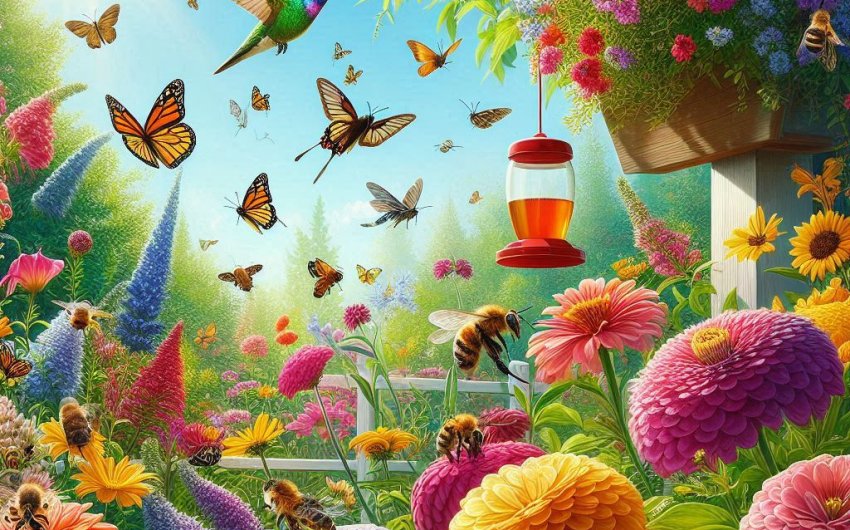
Designing a garden that not only looks beautiful but also supports local ecosystems is a truly rewarding endeavor. By carefully selecting your flora, you can transform your outdoor space into a haven for various creatures, from busy pollinators to chirping birds. Choosing wildlife-friendly garden plants is key to inviting nature right to your doorstep, providing essential food, shelter, and breeding sites.
Why Are Wildlife-Friendly Garden Plants Important?
Many gardeners focus solely on aesthetics, but the ecological impact of plant choices is immense. Understanding the broader picture of how your garden fits into the natural world highlights the importance of incorporating specific types of vegetation. These plants are not just decorative; they are vital resources for local fauna.
What is the Ecological Role of Wildlife-Friendly Plants?
Our natural landscapes are shrinking, leading to a reduction in habitat for many animal species. Gardens, regardless of their size, can act as crucial stepping stones or mini-refuges for wildlife. Wildlife-friendly garden plants provide nectar and pollen for pollinators like bees and butterflies, seeds and berries for birds, and cover for small mammals and beneficial insects. They help maintain biodiversity, which is essential for healthy ecosystems. For example, a single oak tree can support hundreds of insect species, which in turn become food for birds and other animals. By choosing plants that offer these resources, you contribute to the survival and flourishing of local wildlife populations, helping to counteract habitat loss and supporting the intricate web of life. It’s about creating a balanced environment where humans and nature can coexist.
What Types of Plants Attract Pollinators?
Pollinators, such as bees, butterflies, and hummingbirds, are vital for the reproduction of many plants, including those that produce our food. Designing your garden to attract these busy creatures is a cornerstone of creating a wildlife-friendly garden. Specific plant characteristics appeal to different types of pollinators.
Which Plants are Best for Bees, Butterflies, and Hummingbirds?
For Bees: Bees are attracted to single-petal flowers that offer easy access to nectar and pollen. They prefer blue, purple, yellow, and white flowers. Excellent choices include lavender (lavender plants), bee balm (Monarda, bee balm seeds), catmint (Nepeta, catmint plants), coneflowers (Echinacea, coneflower seeds), sunflowers (sunflower seeds), and clover (clover seeds). Plant in drifts or clusters to create a more attractive target for foraging bees.
For Butterflies: Butterflies need both nectar plants for adults and host plants for their caterpillars. They are drawn to bright colors like red, orange, yellow, pink, and purple, and prefer flowers with flat landing pads or clusters of small flowers. Top nectar plants include butterfly bush (Buddleia, butterfly bush plants), milkweed (Asclepias, crucial for Monarchs, milkweed seeds), phlox (phlox plants), zinnia (zinnia seeds), and cosmos (cosmos seeds). Remember to include host plants like fennel for Swallowtails or passionflower for Fritillaries to support their entire life cycle.
For Hummingbirds: Hummingbirds are attracted to tubular-shaped flowers, especially in red, orange, and pink, as these colors often signal high nectar content. They also love flowers that hang or droop, making it easier for them to feed while hovering. Excellent choices are bee balm (Monarda, bee balm plants), cardinal flower (Lobelia cardinalis, cardinal flower seeds), salvia (salvia plants), columbine (columbine seeds), and trumpet vine (trumpet vine plants). Ensure a continuous bloom period from spring to fall to provide a consistent food source.
Which Plants Provide Food for Birds?
Birds are a joyful addition to any garden, bringing vibrant colors and delightful songs. To truly make your garden a haven for feathered friends, you need to provide them with more than just water or a bird feeder. Integrating wildlife-friendly garden plants that offer natural food sources is essential.
What are the Best Seed and Berry Producing Plants for Birds?
Birds rely on a variety of food sources throughout the year, with seeds and berries being particularly important, especially during colder months or when insects are scarce. Excellent seed-producing plants include sunflowers (sunflower seeds), coneflowers (Echinacea, coneflower plants), asters (aster seeds), and various ornamental grasses. Don't deadhead these plants in the fall; leave the spent flower heads to allow birds to forage for seeds.
For berries, consider plants like serviceberry (Amelanchier, serviceberry trees), elderberry (Sambucus, elderberry bushes), viburnum (viburnum plants), holly (holly bushes), and dogwood (dogwood trees). Many of these also offer shelter. The berries provide vital energy, especially for migrating birds or during winter when other food sources are scarce. Plant a variety to ensure a continuous supply of food throughout different seasons. For a comprehensive bird-friendly approach, consider adding a bird bath as well.
How Can Native Plants Benefit Local Wildlife?
One of the most impactful choices you can make for a wildlife-friendly garden is to prioritize native plants. These species have evolved alongside local wildlife for centuries, creating a profound and often exclusive relationship. Opting for native flora simplifies maintenance while maximizing ecological benefit.
Why are Native Plants Best for Supporting Wildlife?
Native plants are indigenous to your specific region, meaning they are perfectly adapted to your local climate, soil, and rainfall patterns. This makes them inherently low-maintenance, requiring less water, fertilizer, and pest control once established. More importantly, native plants provide precisely the food and shelter that local wildlife has evolved to depend upon. Native insects, which are the base of the food web for many birds and other animals, often have very specific relationships with native plants, relying on them as their sole host for reproduction. For instance, the larvae of many moth and butterfly species can only feed on certain native plants. When non-native plants are introduced, these crucial food sources disappear, leading to a decline in insect populations, which then impacts the birds and other animals that feed on them. By choosing wildlife-friendly garden plants that are native to your area, you are directly supporting the entire local food chain and creating a resilient, thriving ecosystem in your backyard. Consult your local native plant society or extension office for a list of native plants for your region.
What Plants Offer Shelter and Nesting Sites for Wildlife?
Beyond food, wildlife needs safe places to rest, hide from predators, and raise their young. A truly wildlife-friendly garden provides a variety of structures and plant types that offer essential shelter throughout the year. Consider the different layers of your garden from ground cover to tall trees.
Which Plants Provide the Best Shelter and Nesting Habitats?
Dense shrubs, thickets, and evergreens are particularly valuable for providing cover from harsh weather and predators. Good choices include junipers (juniper bushes), holly (holly bushes), and cedars (cedar trees), which offer year-round protection. Layered plantings, with groundcovers, perennials, shrubs, and trees of varying heights, create multiple levels of habitat for different species.
For nesting, trees like oaks (oak tree saplings), maples (maple tree saplings), and pines (pine tree seedlings) offer ideal branches for bird nests. Thorny bushes, such as roses (Rosa, rose bushes) or raspberries (raspberry canes), can provide safe nesting sites for smaller birds, protecting them from larger predators. Even leaving brush piles or log piles in a quiet corner of the garden can offer shelter for amphibians, reptiles, and small mammals. By integrating a diversity of plant structures, you can cater to the varied needs of local wildlife, truly making your garden a safe and welcoming refuge. Consider adding a small brush pile in an unused corner.
How Can I Design My Garden for Continuous Wildlife Support?
A successful wildlife-friendly garden isn't just about planting a few pollinator favorites; it's about creating a sustained ecosystem that provides resources throughout the year. Thoughtful planning ensures that your garden offers food, water, and shelter in every season.
What are the Key Elements of Year-Round Wildlife Garden Design?
Layered Planting: Create a diverse habitat by incorporating plants of different heights. This includes groundcovers, perennials, shrubs, and trees. Each layer provides different niches for wildlife, from insects on the ground to birds nesting in branches.
Continuous Bloom/Resource: Ensure you have wildlife-friendly garden plants that bloom from early spring to late fall. This provides a constant supply of nectar and pollen for pollinators. Also, include plants that produce seeds and berries that persist into winter, offering crucial food sources during leaner months. For example, plant early spring bloomers like hellebores (hellebore plants) and crocus (crocus bulbs), summer favorites like lavender and coneflower, and late-season providers like asters (aster plants) and sedum (sedum plants).
Water Source: A reliable water source is vital for all wildlife. This could be a shallow bird bath, a small pond, or even a simple dish of water with pebbles for insects to safely drink from. Clean your bird bath regularly.
Deadwood and Brush Piles: Resist the urge to be too tidy. A log pile or brush pile in a corner of your garden provides essential shelter for amphibians, reptiles, and beneficial insects. Standing dead trees (if safe) can also be excellent habitats for cavity-nesting birds.
Reduced Chemical Use: Avoid pesticides and herbicides. These chemicals harm insects, which are crucial food sources for birds and other wildlife, and can also directly impact larger animals. Embrace organic gardening practices to keep your wildlife-friendly garden healthy and safe. An organic pest control spray can be used as a last resort.
Considerations for Winter: Leave some spent perennial stalks and seed heads standing through winter. These provide food for birds and shelter for overwintering insects. Don't be too quick to "clean up" your garden in the fall.
By integrating these elements, you create a dynamic and supportive environment that benefits wildlife throughout the entire year, turning your garden into a vibrant ecological hotspot.
What Are Some Common Misconceptions About Wildlife Gardens?
While the concept of a wildlife-friendly garden is gaining popularity, there are still several misunderstandings that can prevent gardeners from fully embracing this approach. Clearing up these myths can help more people create impactful habitats.
What are the Myths and Realities of Wildlife Gardening?
Myth 1: Wildlife gardens are messy and unkempt. Reality: While a truly wild space might be overgrown, a wildlife-friendly garden can be designed to be beautiful and aesthetically pleasing. It's about strategic choices, like leaving certain seed heads, having designated brush piles, or letting specific native plants naturalize, not about letting everything go wild. Thoughtful placement of wildlife-friendly garden plants and a clear understanding of the goals can result in a stunning and purposeful landscape.
Myth 2: You need a large garden to make a difference. Reality: Every patch of green, no matter how small, can contribute. Even a balcony with a few potted native plants and a small water dish can attract pollinators and provide a resting spot for birds. Connecting with neighbors to create a corridor of smaller wildlife-friendly spaces can have a collective impact.
Myth 3: Wildlife gardens attract unwanted pests. Reality: A balanced ecosystem, which is what a wildlife-friendly garden aims to create, actually helps control pests naturally. By attracting beneficial insects (like ladybugs and lacewings that eat aphids) and birds that feed on caterpillars, you can reduce pest outbreaks without resorting to harmful chemicals. It creates a natural pest control system.
Myth 4: All plants are equally good for wildlife. Reality: Not true. While all plants offer something, native plants provide the most specific and beneficial resources for local wildlife. Non-native ornamentals might look pretty, but they often lack the right nectar content or act as host plants for native insects, making them less valuable from an ecological standpoint.
Myth 5: Wildlife gardening means no pesticides ever. Reality: The goal is to avoid synthetic pesticides and herbicides entirely. However, if an extreme pest problem arises, organic, least-toxic options are available. The emphasis is on prevention through healthy plant choices and fostering natural predators, minimizing the need for interventions.
By understanding these realities, more gardeners can confidently transform their spaces into thriving havens for wildlife.
How Do I Maintain a Wildlife-Friendly Garden?
Maintaining a wildlife-friendly garden involves a shift in mindset from conventional gardening practices. It's often less about strict control and more about thoughtful neglect and observation. The goal is to support natural processes rather than constantly imposing human will.
What are the Best Practices for Maintaining a Wildlife Garden?
Reduce Mowing: If you have a lawn, consider reducing the frequency of mowing or designating a portion as a "no-mow" area. Taller grass provides shelter and can support a greater diversity of insects.
Leave the Leaves: Instead of raking and bagging leaves, consider leaving them in garden beds as natural mulch. They break down, enriching the soil, and provide crucial overwintering sites for many beneficial insects and butterflies. A leaf shredder can help manage large quantities.
Don't Deadhead Everything: While deadheading can encourage more blooms, leave some spent flowers on your wildlife-friendly garden plants to go to seed. These seeds are a vital food source for birds, especially in late fall and winter.
Avoid Fall Cleanup Extremes: Resist the urge for a "clean sweep" in the fall. Leaving perennial stalks, hollow stems, and brush piles provides crucial overwintering habitat for insects that beneficial insects and pollinators rely on. Wait until spring (when temperatures are consistently above 50°F / 10°C) to do major cleanup.
Minimal Pruning: Prune shrubs and trees only when necessary for plant health or safety. Dense growth provides better shelter and nesting sites. If you must prune, aim to do so when it least disrupts nesting cycles.
Embrace Some "Weeds": Some plants considered weeds, like dandelions or clover, can be important early nectar sources for pollinators. Consider tolerating them in certain areas.
Observe and Learn: Spend time observing your garden. What wildlife is visiting? Which plants are they using? This ongoing observation will inform your maintenance practices and help you fine-tune your wildlife-friendly garden to be even more effective.
By adopting these maintenance practices, you'll create a dynamic and self-sustaining ecosystem that benefits both nature and your peace of mind.
What is the Role of Diversity in a Wildlife-Friendly Garden?
Diversity is not just about having many different kinds of plants; it's about creating a complex tapestry of life that can support a wide array of creatures. It's a fundamental principle for any truly effective wildlife-friendly garden. The more varied your garden, the more resilient and attractive it will be to nature.
Why is Plant Diversity Crucial for Wildlife?
A diverse garden, encompassing a range of native plants, ensures that different species of wildlife can find the specific resources they need. For example, some butterflies rely on a single type of host plant for their caterpillars, while others need particular flower shapes or colors for nectar. Birds require different types of seeds and berries depending on the season and their dietary needs.
Diversity also creates a layered habitat, providing cover and nesting sites at various heights. Think of it as an apartment building for wildlife, with different "floors" offering distinct living spaces. A garden with just one or two types of plants, no matter how attractive, will only appeal to a limited number of species.
Furthermore, plant diversity contributes to ecosystem resilience. If one plant type succumbs to disease or extreme weather, other plants are still available to provide resources. This helps prevent large-scale collapses in the local food web. By choosing a wide range of wildlife-friendly garden plants—different heights, bloom times, berry/seed types, and host plants—you create a rich, stable, and welcoming environment for a maximum number of species, supporting the health of your local ecosystem. Consider creating a garden design book to plan your diverse space.
Can I Incorporate Food-Producing Plants in My Wildlife Garden?
Many gardeners wish to grow edibles for their own consumption while also supporting wildlife. The good news is that these two goals are not mutually exclusive. With careful planning, you can have a thriving vegetable or fruit garden that also serves as a valuable resource for local fauna. This integration creates a holistic wildlife-friendly garden.
How to Combine Edibles and Wildlife Support?
Many common food-producing plants can also be beneficial for wildlife. For example, berry bushes like raspberries, blueberries, and currants provide delicious fruit for humans and birds alike. Allowing some of your herbs, such as basil or dill, to flower will attract pollinators. Sunflowers produce seeds for you and for birds. Even leaving some of your brassicas (like kale or broccoli) to flower provides early nectar for bees.
When planting your edibles, consider interspersing them with other wildlife-friendly garden plants to create a more integrated habitat. For instance, plant calendula or borage near your vegetables to attract beneficial insects that prey on garden pests. Choose open-pollinated or heirloom vegetable varieties where possible, as their flowers are often more accessible to pollinators than highly hybridized versions.
Just like with ornamental plants, avoid synthetic pesticides and herbicides in your edible garden to ensure the food you grow is safe for you and the wildlife. Embrace companion planting and natural pest control methods. By sharing a portion of your harvest with wildlife and providing them with their own dedicated food sources and habitats within your edible garden, you can create a truly productive and ecologically rich space. A square foot gardening book can help with efficient planning.
What is the Concept of an "Edge Effect" in Wildlife Gardening?
When designing a wildlife-friendly garden, understanding the concept of an "edge effect" can significantly enhance its ecological value. This ecological principle refers to the increased diversity of species found at the boundary or transition zone between two different habitats. Applying this concept in your garden design can maximize its appeal to wildlife.
How Does the Edge Effect Apply to Garden Design?
In nature, edges are often bustling with life because they offer access to resources from both adjacent habitats. For example, the edge of a forest and a meadow provides shelter from the trees and foraging opportunities in the open grassland. In your garden, you can intentionally create these "edges" to attract more species.
Think about the transition points between different areas of your garden: where your lawn meets a flower bed, where a shrub border meets an open patio, or where tall trees transition to lower plantings. By creating irregular, undulating borders rather than straight lines, you increase the amount of "edge" habitat. Planting a diverse range of wildlife-friendly garden plants at these transition zones, such as a mix of tall shrubs, medium-height perennials, and groundcovers, will create a layered and complex environment.
These edges provide various microclimates, different types of food, and varying levels of cover, catering to a wider array of wildlife. Birds might forage at the edge of a shrub border, while insects seek shelter among the varied foliage. Maximizing the "edge effect" within your garden design is a sophisticated way to amplify the benefits of your wildlife-friendly garden and create an even more dynamic and thriving ecosystem.
Creating a wildlife-friendly garden by thoughtfully selecting your plants is a powerful way to connect with nature, support local ecosystems, and enjoy the beauty and vitality that biodiversity brings to your home.