
Grow Garlic at Home: Simple Tips for Success
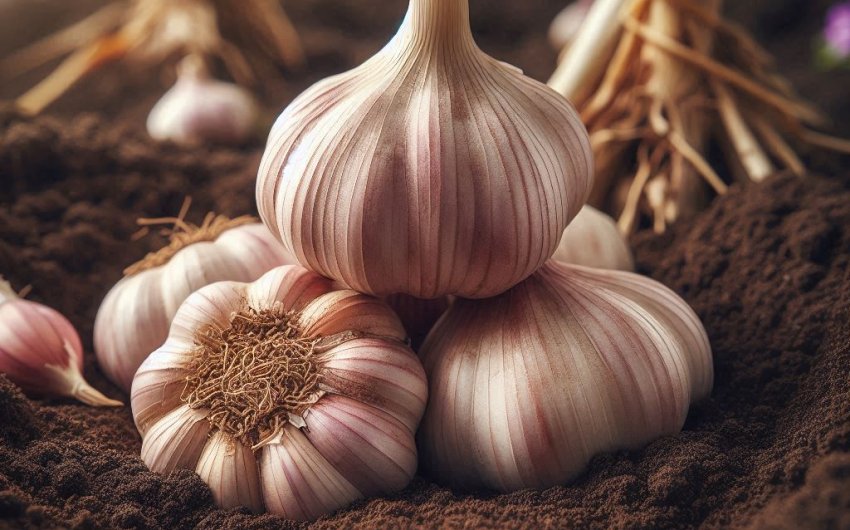
Cultivating your own garlic at home can be an incredibly rewarding experience, providing you with fresh, flavorful bulbs right from your garden. It’s a relatively low-maintenance crop, but understanding a few key principles can significantly boost your harvest. These tips for growing garlic at home will guide you through the process, ensuring a bountiful supply for your culinary adventures.
When Is the Best Time to Plant Garlic?
Timing is crucial when it comes to growing garlic. Unlike many vegetables planted in spring, garlic has a unique growing cycle that benefits from specific seasonal conditions. Planting at the right moment ensures your garlic bulbs have enough time to develop properly before the heat of summer.
What is the Optimal Planting Window?
For most climates, the ideal time to plant garlic is in the fall, typically from late September through November, before the ground freezes solid. This allows the cloves to establish a strong root system throughout the autumn and winter. The cold period, known as vernalization, is essential for the garlic plant to divide into individual cloves rather than producing a single round bulb (often called a "round"). In warmer climates where the ground doesn't freeze, you might plant a bit later in the fall or even in early winter. Some gardeners in very mild climates might also have success with a spring planting, but the bulbs are generally smaller. The fall planting ensures the garlic experiences a natural chilling period, which is vital for proper bulb formation. Think of it as giving your garlic a long, cool rest before it bursts into growth in the spring. Using a soil thermometer can help you determine if the soil temperature is consistently below 50°F (10°C) for fall planting.
What Kind of Garlic Should I Plant?
Not all garlic is created equal, and choosing the right type for your garden and climate is one of the most important tips for growing garlic at home. There are two main categories of garlic, each with its own characteristics and preferences.
What Are the Main Types of Garlic?
The two primary types of garlic are hardneck and softneck. Hardneck garlic is known for producing a rigid central stem (scape) and tends to have larger, fewer cloves per bulb. It's generally more cold-hardy and preferred in regions with harsh winters. Hardneck varieties often have a more complex, spicier flavor. They are also known for producing a delicious, edible flower stalk called a scape, which can be harvested and used in cooking. Some popular hardneck varieties include 'Rocambole' and 'Porcelain'. Softneck garlic, on the other hand, does not produce a scape and has a softer neck, making it ideal for braiding. It typically has more cloves per bulb, and the cloves are generally smaller. Softneck varieties are better suited for warmer climates and store longer than hardnecks. Examples of softneck garlic include 'Artichoke' and 'Silverskin' types. When selecting your garlic, always purchase certified seed garlic rather than planting cloves from the grocery store. Grocery store garlic may be treated to inhibit sprouting or carry diseases, which can lead to poor results when growing garlic. Reputable online seed companies or local nurseries are the best sources for garlic seed stock.
Where Should I Plant My Garlic?
The success of your garlic crop heavily depends on its environment. Providing the right location with optimal conditions is fundamental among the tips for growing garlic at home. Garlic needs specific light and soil requirements to thrive and produce large, healthy bulbs.
What are the Ideal Site Conditions for Garlic?
Garlic requires full sun, meaning at least 6-8 hours of direct sunlight per day. Choose a spot in your garden that isn't shaded by trees, buildings, or other tall plants. The soil is equally important. Garlic prefers well-draining, loose, and fertile soil with a pH between 6.0 and 7.0. Heavy clay soils that retain too much water can lead to rot, while sandy soils may not hold enough nutrients. If your soil is heavy, amend it generously with organic matter like compost or well-rotted manure to improve drainage and fertility. Raised beds are an excellent option for growing garlic if you have heavy clay soil, as they allow for better drainage and temperature control. Avoid planting garlic where other alliums (onions, leeks, chives) have grown recently to prevent the build-up of soil-borne diseases. A good garden soil test kit can help you determine your soil's pH and nutrient levels, allowing you to make necessary adjustments before planting.
How Do I Prepare the Soil for Garlic Planting?
Proper soil preparation is arguably the most critical of all tips for growing garlic at home. Garlic spends many months in the ground, and it needs a nutrient-rich, well-structured environment to develop those prized bulbs. Skimping on this step can lead to small or unhealthy harvests.
What are the Best Soil Preparation Techniques?
Start by clearing the planting area of any weeds and debris. Dig down at least 8-12 inches, loosening the soil thoroughly. This is where you'll want to incorporate plenty of organic matter. Compost is king for garlic – it improves soil structure, drainage, and fertility all at once. Add a generous 2-4 inch layer of well-rotted compost or aged manure and mix it thoroughly into the top 6-8 inches of soil. If your soil is particularly heavy, you might also consider adding some sand, though compost is generally more effective for long-term improvement. Before planting, ensure the soil is loose and crumbly, not compacted. A well-prepared bed makes it easier for the garlic roots to penetrate deeply and for the bulbs to expand. This also facilitates better aeration and water penetration, both vital for preventing rot and encouraging healthy growth. If your soil test indicated low phosphorus, consider adding a slow-release phosphorus source like bone meal during soil preparation.
What is the Correct Way to Plant Garlic Cloves?
Once your soil is prepared and you have chosen your garlic, the actual planting process is straightforward. However, a few specific techniques will ensure your garlic cloves establish well and grow into full, healthy bulbs. Paying attention to these details is essential among the tips for growing garlic at home.
How Should I Plant Garlic Cloves?
First, gently break apart the garlic bulb into individual cloves just before planting. Do not remove the papery skin from the cloves. Select the largest, healthiest-looking cloves for planting, as these tend to produce the biggest bulbs. Plant each clove with the pointed end facing up and the flat, basal plate (where the roots emerge) facing down. Plant them about 2-3 inches deep and 4-6 inches apart in rows that are 12-18 inches apart. The depth can vary slightly depending on your climate; deeper planting (up to 4 inches) can offer more protection in very cold regions. After planting, cover the cloves with soil and then apply a 2-4 inch layer of organic mulch, such as straw, shredded leaves, or wood chips. This mulch helps regulate soil temperature, suppress weeds, and conserve moisture throughout the winter and into spring. Water the bed thoroughly after planting. Using a dibber tool can help you create consistent planting holes.
How Do I Care for Garlic Throughout Its Growing Cycle?
Once planted, garlic is relatively low-maintenance, but consistent care will lead to a more robust harvest. Understanding the specific needs of your garlic from fall to summer is key among the tips for growing garlic at home. Proper watering, feeding, and weeding are vital for bulb development.
What are the Key Care Practices for Growing Garlic?
Watering: While garlic needs consistent moisture, it abhors soggy feet. Water regularly, especially during dry periods in spring and early summer when the bulbs are actively swelling. Aim for about an inch of water per week, including rainfall. Reduce watering as the harvest time approaches (typically a few weeks before), as this helps the bulbs cure and store better. Overwatering, especially in poorly draining soil, can lead to rot. A rain gauge can help you monitor rainfall.
Weeding: Weeds compete with garlic for water, nutrients, and sunlight, which can significantly reduce your yield. Keep the garlic bed free of weeds, especially when the plants are young. Hand-weeding is preferred over cultivating with tools, as garlic roots are shallow and can be easily damaged. The mulch layer you applied at planting will help suppress many weeds, but some will inevitably break through.
Fertilizing: Garlic is a heavy feeder. In early spring, once the green shoots emerge, apply a balanced organic fertilizer or a side dressing of compost or aged manure. A second application around late spring to early summer, when the plants are actively growing and forming bulbs, can also be beneficial. Avoid high-nitrogen fertilizers after early spring, as too much nitrogen can promote leafy growth at the expense of bulb development. A good quality organic vegetable fertilizer is recommended.
Scapes (for Hardneck Garlic): If you're growing hardneck garlic, you'll notice a curly flower stalk, called a scape, emerging in late spring or early summer. It's generally recommended to cut or snap off these scapes when they form a loop or curl, before they straighten out. This redirects the plant's energy from flower production into bulb development, resulting in larger, more flavorful cloves. Don't throw the scapes away – they are delicious and can be used in stir-fries, pestos, or roasted. Use a sharp pair of garden snips for easy removal.
When and How Do I Harvest Garlic?
The moment of truth for any garlic grower is the harvest. Knowing precisely when to dig up your precious bulbs and how to do it without damaging them is one of the most exciting tips for growing garlic at home. Harvesting at the right time ensures maximum size and best storage potential.
What are the Signs of Readiness and Proper Harvesting Techniques?
Garlic is typically ready for harvest in late spring to mid-summer, usually around June or July in many regions, about 8-9 months after fall planting. The key indicator is the foliage. When the bottom third to half of the leaves have turned yellow or brown and are starting to die back, but the top leaves are still green, your garlic is likely ready. Waiting too long can cause the wrappers around the bulbs to split, making them susceptible to diseases and reducing their storage life. Harvesting too early means smaller, less developed bulbs. To harvest, gently loosen the soil around the bulb with a garden fork or spade, being careful not to pierce or bruise the bulb. Pull the plant up by the stem. Avoid yanking, as this can break the stem from the bulb, making it difficult to cure. If the soil is very dry and hard, water it lightly a day before harvesting to make digging easier. Once harvested, resist the urge to wash the bulbs, as this can introduce moisture and encourage mold during curing.
How Do I Cure and Store Garlic?
Proper curing is absolutely essential for long-term storage of your harvested garlic. This step, though often overlooked, is as vital as any of the other tips for growing garlic at home. Curing strengthens the papery wrappers and extends the shelf life of your bulbs for many months.
What is the Curing Process and How Do I Store Cured Garlic?
Curing: After harvesting, cure your garlic bulbs in a warm, dry, well-ventilated area for 2-4 weeks. Ideal conditions include temperatures between 60-80°F (15-27°C) and relative humidity around 50-70%. You can hang the entire plants in bundles or spread them out on screens or racks. Good air circulation around each bulb is crucial. During this time, the outer wrappers will dry and tighten, and the necks will shrivel and seal, locking in flavor and preventing rot. Do not wash the bulbs during this process. The dirt and outer layers will protect the garlic as it cures. A mesh storage bag can be useful for hanging.
Storage: Once fully cured, trim the roots to about 1/2 inch and cut the stems, leaving about an inch or two above the bulb (for hardnecks) or leaving the full stem for braiding (for softnecks). Store cured garlic in a cool, dark, dry place with good air circulation. Ideal temperatures are typically between 45-60°F (7-15°C). Avoid storing garlic in the refrigerator, as the cold and humidity can encourage sprouting and mold. A mesh bag, an open basket, or even a paper bag in a pantry or cellar works well. Proper curing and storage can allow your homegrown garlic to last for 6-12 months, or even longer for some varieties.
What are Common Pests and Diseases of Garlic?
While garlic is generally resilient, it can still fall victim to certain pests and diseases. Being aware of these potential issues and knowing how to address them is an important part of the tips for growing garlic at home, ensuring your hard work isn't undone. Early detection and intervention are key.
How to Identify and Manage Garlic Pests and Diseases?
One common pest is the onion thrip, tiny insects that can cause silvering or streaking on leaves, leading to stunted growth. Good cultural practices, like proper watering and keeping the area weed-free, can help. In severe cases, organic insecticidal soaps can be used. Another potential issue is the stem and bulb nematode, microscopic worms that can cause swelling and distortion of the plant, and rotting of the bulb. This is often a soil-borne problem, and the best defense is to always use certified disease-free seed garlic and practice crop rotation. Do not plant garlic in the same spot for at least 3-4 years if nematodes are suspected.
Common diseases include white rot, a fungal disease that causes yellowing leaves and a white, cottony growth on the bulb, eventually leading to rot. This disease thrives in cool, moist conditions. Again, using certified disease-free seed and strict crop rotation are vital. Rust is another fungal disease, appearing as orange-brown spots on leaves. While it rarely kills the plant, severe infections can reduce bulb size. Ensuring good air circulation and avoiding overhead watering can help prevent it. In all cases, selecting resistant varieties when possible, maintaining good soil health, and practicing excellent garden hygiene are your best lines of defense for growing garlic. Always remove and destroy infected plant material to prevent spread. A hand trowel is useful for carefully removing affected plants.
Can I Grow Garlic in Containers?
For those with limited garden space or less-than-ideal soil, growing garlic at home in containers is a viable and rewarding option. While it requires a bit more attention to watering and feeding, container gardening opens up garlic cultivation to many more enthusiasts.
What are the Best Practices for Container Garlic?
Choose a container that is at least 8-12 inches deep and wide, with good drainage holes. A terracotta pot or a large fabric grow bag works well. Use a high-quality potting mix that is well-draining and rich in organic matter. Avoid using heavy garden soil, as it can compact and lead to waterlogging in containers. Plant individual cloves 2-3 inches deep and 4-6 inches apart, ensuring the pointed end is up. A larger container can accommodate multiple cloves.
Container-grown garlic will dry out faster than in-ground garlic, so pay close attention to watering. Water when the top inch of soil feels dry, ensuring the water drains out the bottom. During active growth in spring, you may need to water daily in hot weather. Fertilize regularly with a balanced liquid organic fertilizer, like diluted fish emulsion or seaweed extract, every 2-4 weeks during the growing season. The nutrients in containers leach out more quickly. Provide full sun and consider mulching the top of the container with a thin layer of fine wood chips or shredded leaves to help retain moisture. Harvest when the bottom leaves yellow, just like in-ground garlic. While bulbs might be slightly smaller than those grown in an ideal garden bed, container-grown garlic is still wonderfully flavorful and a great way to enjoy your own homegrown supply. A moisture meter can be helpful for container gardening.
What Are Some Common Garlic Growing Mistakes to Avoid?
Even with the best intentions, new garlic growers can sometimes make common mistakes that hinder their harvest. Being aware of these pitfalls is a crucial part of these tips for growing garlic at home, helping you sidestep issues before they arise and ensure a successful crop.
What Are the Key Mistakes to Avoid When Growing Garlic?
1. Planting Grocery Store Garlic: As mentioned, grocery store garlic is often treated to prevent sprouting and may not be a suitable variety for your climate or carry diseases. Always buy certified seed garlic from reputable suppliers.
2. Poor Soil Drainage: Garlic hates wet feet. Planting in heavy, compacted, or poorly draining soil is a recipe for rot. Ensure your soil is amended with plenty of organic matter or consider raised beds if drainage is an issue.
3. Not Enough Sun: Garlic needs at least 6-8 hours of direct sunlight. Planting in a shaded spot will result in small, underdeveloped bulbs.
4. Insufficient Mulch: Mulch is vital for regulating soil temperature, suppressing weeds, and conserving moisture, especially during winter and dry spells. Skimping on mulch can lead to more work and a smaller harvest.
5. Harvesting Too Early or Too Late: Timing the harvest is critical. Harvesting too soon means small bulbs; waiting too long can cause bulbs to split and store poorly. Watch the foliage for the classic signs of readiness.
6. Forgetting to Water During Bulb Swelling: While you reduce watering before harvest, inconsistent moisture during the spring and early summer when bulbs are actively sizing up can lead to smaller bulbs.
7. Not Removing Hardneck Scapes: If you're growing hardneck varieties, allowing the scapes to remain diverts energy away from bulb formation. Removing them encourages larger cloves.
8. Over-Fertilizing with Nitrogen in Spring/Summer: Too much nitrogen late in the season will promote lush green growth at the expense of bulb development. Focus on balanced nutrients or those higher in phosphorus and potassium as bulbs form.
By being mindful of these common errors, you can significantly improve your chances of a successful and abundant garlic harvest.
Why Should I Grow My Own Garlic?
Beyond the simple satisfaction of nurturing a plant from clove to bulb, cultivating your own garlic offers a host of benefits that make the effort worthwhile. Understanding these advantages can provide added motivation as you implement these tips for growing garlic at home.
What are the Benefits of Homegrown Garlic?
Superior Flavor: Homegrown garlic, especially unique heirloom varieties, often boasts a richer, more complex flavor profile than store-bought options. You can discover nuances in taste that simply aren't available in commercial settings.
Variety Selection: When you grow your own, you have access to a vast array of hardneck and softneck varieties, each with distinct flavors, sizes, and storage qualities. This allows you to choose what best suits your culinary preferences and local climate. You can try a garlic variety pack to discover your favorites.
Cost Savings: While the initial investment in seed garlic exists, a successful crop can provide you with garlic for many months, significantly reducing your grocery bill for this staple ingredient. Plus, you can save some of your best bulbs from each harvest to replant for the next season.
Pesticide-Free and Organic Control: By growing garlic at home, you control exactly what goes into your soil and onto your plants. You can ensure your garlic is grown without harmful pesticides or synthetic chemicals, offering a truly organic and healthy product for your family.
Gardening Satisfaction: There's immense satisfaction in preparing a meal with ingredients you've grown yourself. Garlic is a long-term crop, and seeing it emerge in spring after its winter rest, then harvesting and curing your own bulbs, is a deeply rewarding experience.
Educational for Kids: Growing garlic can be a fantastic educational project for children, teaching them about plant cycles, patience, and where food comes from.
In conclusion, following these tips for growing garlic at home will not only yield a delicious crop but also enrich your gardening experience with one of the most versatile and beloved ingredients.