
How Can I Create a Pollinator-Friendly Flower Garden in My Backyard?
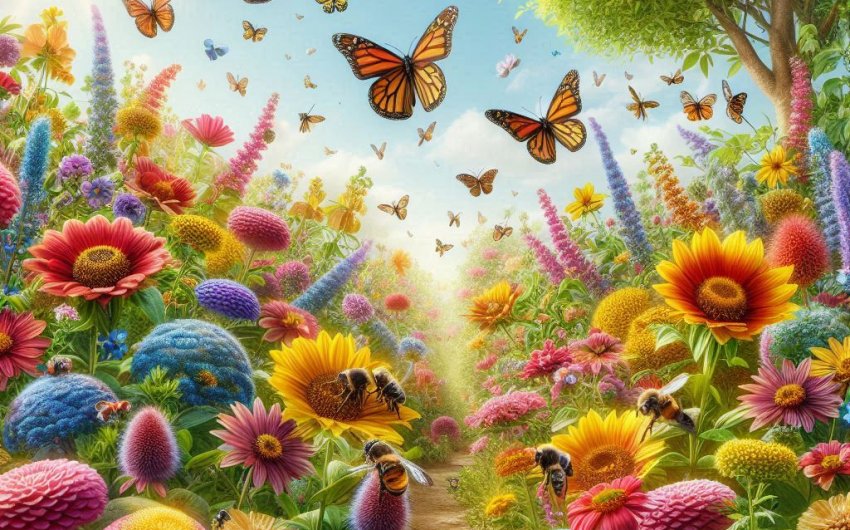
To create a pollinator-friendly flower garden in your backyard, focus on providing a continuous supply of diverse flowering plants, clean water sources, and safe nesting or resting areas. Selecting native plants and avoiding pesticides are key steps to attract and support essential pollinators like bees, butterflies, and hummingbirds.
Why is a Pollinator-Friendly Garden Important?
Pollinators play a vital role in our ecosystems and food supply, yet their populations are in decline due to habitat loss, pesticide use, and climate change. Creating a pollinator-friendly flower garden in your backyard directly helps support these crucial creatures.
The Critical Role of Pollinators
- Food Production: An estimated one-third of the food we eat, including fruits, vegetables, and nuts, relies on animal pollination. Without pollinators, our plates would be significantly emptier.
- Ecosystem Health: Pollinators are fundamental to the reproduction of many flowering plants, which in turn provide food and shelter for other wildlife. They are a cornerstone of biodiversity.
- Economic Impact: The economic value of pollination services is immense, contributing billions to agricultural industries worldwide.
- Conservation: Providing habitat in your backyard helps to compensate for natural habitat loss and creates vital stepping stones for pollinators to travel between larger natural areas.
- Beauty and Enjoyment: A garden buzzing with bees, fluttering with butterflies, and visited by hummingbirds is a beautiful and dynamic sight, offering endless enjoyment and educational opportunities for families.
By dedicating even a small part of your backyard to a pollinator-friendly flower garden, you contribute significantly to local ecosystems and global food security.
What Kinds of Plants Attract Different Pollinators?
Attracting a wide variety of pollinators means choosing a diverse range of plants. Different pollinators are attracted to different flower shapes, colors, and scent, as they have evolved alongside specific plant types.
Plants for Specific Pollinators
Bees (Honeybees, Bumblebees, Solitary Bees):
- Colors: Prefer blue, purple, violet, white, and yellow.
- Shapes: Open, bowl-shaped flowers, clusters of small flowers, tubular flowers, and flat-topped clusters that provide easy landing pads.
- Examples: Coneflower (Echinacea purpurea), Salvia, Bee Balm (Monarda fistulosa), Aster, Clover, Lavender, Sunflower, Zinnia.
- Key Needs: Need ample pollen and nectar. Many native bees are ground nesters, so undisturbed bare soil is helpful.
Butterflies:
Advertisement- Colors: Prefer bright colors like red, orange, yellow, pink, and purple.
- Shapes: Flat-topped clusters of flowers (for landing), short tubes, and flowers with nectar hidden deep inside.
- Examples: Butterfly Bush (Buddleia davidii), Milkweed (essential for Monarch caterpillars - Asclepias syriaca seeds), Zinnia, Coneflower, Phlox, Verbena, Joe Pye Weed (Eutrochium purpureum), Aster.
- Key Needs: Need nectar sources for adults and specific host plants for their caterpillars to feed on (e.g., parsley for Swallowtails, dill for Black Swallowtails).
Hummingbirds:
- Colors: Strongly attracted to red, orange, and bright pink.
- Shapes: Long, tubular flowers that match their beak shape, allowing them to access nectar.
- Examples: Bee Balm, Trumpet Vine (Campsis radicans), Cardinal Flower (Lobelia cardinalis), Fuchsia, Salvia, Honeysuckle, Petunia.
- Key Needs: Constant supply of nectar-rich flowers.
Moths:
- Colors: Often attracted to pale or white flowers.
- Shapes: Fragrant, tubular flowers that open at night.
- Examples: Nicotiana, Evening Primrose, Moonflower.
Flies and Beetles:
- Colors: Less color-specific, often attracted to duller colors, whites, and greens.
- Shapes: Flat, open flowers. Some flies mimic bees and are attracted to similar flowers.
- Examples: Goldenrod, Dill, Parsley, Astilbe.
To create a truly diverse and pollinator-friendly flower garden, aim for a mix of these characteristics, focusing on plants that thrive in your local climate.
How Do I Choose the Right Plants for My Pollinator Garden?
Choosing the right plants is fundamental to creating a successful pollinator-friendly flower garden. The best choices are those that are well-suited to your local environment and provide continuous resources for pollinators.
Key Considerations for Plant Selection
Prioritize Native Plants:
- Why Native? Native plants are uniquely adapted to your local climate, soil, and rainfall patterns. They have co-evolved with native pollinators, meaning they offer the specific nectar, pollen, and host plant resources these pollinators need.
- Where to Find: Consult local native plant societies, university extension offices, or reputable native plant nurseries for recommendations specific to your region. A great resource is the National Wildlife Federation's Native Plant Finder.
Ensure Continuous Bloom:
- Pollinators need food sources from early spring through late fall. Plan your garden so that there's always something in bloom throughout the growing season.
- Strategy: Select a mix of plants with different bloom times (e.g., early spring crocuses, mid-summer coneflowers, late-season asters).
Choose a Diversity of Flower Shapes and Colors:
- Different pollinators have different mouthparts and visual preferences. A variety of flower shapes (tubular, flat, bell-shaped, spiky) and colors will attract a broader range of species.
- Example: Include both open daisy-like flowers for generalists and tubular flowers for hummingbirds.
Plant in Clumps:
- Planting groups or "drifts" of the same flower species rather than single plants makes it easier for pollinators to find and forage efficiently. Large patches are more attractive than scattered individual plants.
Avoid Cultivars with "Double Flowers":
- Many ornamental varieties have been bred for extra petals (double flowers). While beautiful, these often make it difficult or impossible for pollinators to access nectar and pollen. Stick to single-flowered or open-faced varieties.
Consider Drought Tolerance:
- If you live in an area prone to dry spells, choose plants that can withstand periods without frequent watering. Many native plants are naturally drought-tolerant once established.
Select Pest-Resistant Varieties:
- Healthy plants are more beneficial. Opt for varieties known to resist common pests and diseases, reducing the need for chemical interventions.
Read Plant Tags Carefully:
- Pay attention to information on sun exposure, mature size, and watering needs. Choose plants appropriate for your garden's conditions.
By thoughtfully selecting plants based on these guidelines, you can create a vibrant, resilient, and highly attractive pollinator-friendly flower garden that actively supports local wildlife. Many beneficial pollinator flower seed mixes are available.
What is the Role of Water and Shelter in a Pollinator Garden?
Beyond just food, a truly pollinator-friendly flower garden provides essential resources like water and shelter. These elements are crucial for the survival, nesting, and overall well-being of bees, butterflies, and other beneficial insects.
Providing Water for Pollinators
- Shallow Water Source: Pollinators can drown in deep water. Provide a very shallow water source with landing spots.
- Bird Baths with Rocks: Place pebbles, small stones, or marbles in a bird bath so bees and butterflies have dry spots to land on while they drink.
- Damp Sand/Mud Puddles: Butterflies often "puddle" to extract salts and minerals from damp soil. Create a shallow dish filled with sand or compost, and keep it consistently moist.
- Location: Place water sources in a sheltered spot, out of direct, harsh sun, and away from heavy foot traffic.
- Cleanliness: Regularly clean water sources to prevent mosquito breeding and disease.
Offering Shelter and Nesting Sites
- Undisturbed Bare Soil: Many native bee species (about 70%) are ground-nesters. Leave patches of bare, unmulched soil in sunny, well-drained areas.
- Woody Stems and Hollow Stems: Other native bees are tunnel-nesters. Leave hollow stems of plants (like Bee Balm, Sunflower, Hydrangea) standing through winter for bees to nest in. You can also create or buy a Bee Hotel for Mason Bees.
- Leaf Litter: Resist the urge to clean up every fallen leaf. A layer of leaf litter provides important overwintering habitat for many beneficial insects, including some butterflies and moths.
- Brush Piles/Log Piles: A small, naturalistic brush or log pile in an out-of-the-way corner of your yard can offer shelter and nesting sites for a variety of insects and small wildlife.
- Native Grasses and Shrubs: These provide cover from predators, strong winds, and extreme weather, and can serve as resting spots.
- Avoid Excessive Mulching: While mulch is good for weed suppression and moisture retention, too much thick mulch can prevent ground-nesting bees from accessing the soil. Leave some areas unmulched, especially in sunny spots.
By incorporating water and diverse shelter options, you'll transform your backyard into a comprehensive pollinator-friendly flower garden, supporting the entire life cycle of these vital creatures.
How Can I Minimize Pesticide Use in My Pollinator Garden?
Minimizing or eliminating pesticide use is perhaps the most critical step in creating a truly pollinator-friendly flower garden. Pesticides, even those labeled "organic," can be harmful to pollinators.
Strategies for Pesticide-Free Gardening
Practice Integrated Pest Management (IPM):
- IPM is an ecological approach that focuses on prevention and uses chemical controls only as a last resort.
- Prevention: The first line of defense is choosing healthy, pest-resistant plants and providing them with optimal growing conditions. Healthy plants are less susceptible to pest damage.
- Monitoring: Regularly inspect your plants for signs of pests or disease. Early detection allows for less drastic intervention.
- Cultural Controls: Rotate crops, maintain good garden hygiene (removing diseased plant material), and ensure proper spacing for air circulation.
- Physical/Mechanical Controls: Hand-pick larger pests (like tomato hornworms), use strong sprays of water to dislodge aphids, or apply barriers like row covers for vulnerable plants.
Encourage Beneficial Insects:
- Many insects are natural predators of garden pests. A diverse pollinator-friendly flower garden will attract these beneficial bugs.
- Plants that Attract Beneficials: Yarrow, Dill, Fennel, Cilantro, Sweet Alyssum, Marigolds. These flowers provide nectar and pollen for predatory insects like ladybugs, lacewings, and parasitic wasps.
- Avoid Broad-Spectrum Pesticides: These chemicals kill both good bugs and bad bugs, disrupting the natural balance in your garden.
Use Organic or Non-Toxic Controls Only When Absolutely Necessary:
- If pest pressure becomes severe, start with the least toxic options.
- Insecticidal Soaps: Effective against soft-bodied insects like aphids and whiteflies. They work on contact and have low residual effects.
- Neem Oil: A botanical insecticide that can disrupt pest feeding and reproduction. It works systemically and on contact.
- Apply Safely: If you must use these, apply them in the evening when pollinators are less active, and always follow label instructions precisely. Avoid spraying open flowers.
Buy "Neonicotinoid-Free" Plants:
- Neonicotinoids are systemic pesticides that are particularly harmful to bees. They are absorbed by the plant and present in pollen and nectar, making the plant toxic to pollinators.
- Ask Your Nursery: When buying plants, ask if they have been treated with neonicotinoids. Many nurseries now offer "bee-friendly" or "neonic-free" options.
- Grow from Seed: Growing your own plants from untreated flower seeds is the best way to ensure they are free of systemic pesticides.
By adopting a proactive, nature-friendly approach to pest management, you'll create a safer and healthier environment for all the crucial inhabitants of your pollinator-friendly flower garden.
What Other Elements Enhance a Pollinator Garden?
Beyond flowers, water, and shelter, a truly effective pollinator-friendly flower garden benefits from a few additional thoughtful elements that contribute to a thriving ecosystem.
Enhancing Your Pollinator Paradise
- Reduce Lawn Size: Lawns offer very little benefit to pollinators. Consider converting portions of your lawn into flower beds, native plant meadows, or even a small patch of clover, which bees love. This creates more habitat and reduces the need for mowing and chemical inputs.
- Provide a Diversity of Bloom Shapes: As mentioned, different pollinators prefer different flower structures. Include single-petaled flowers, open-faced blooms, tubular flowers, and clustered flowers to cater to a wider range of visitors.
- Plant in Large Patches/Drifts: Rather than scattering individual plants, plant groups of the same species together. This makes it easier for pollinators to spot them and more efficient for them to forage for nectar and pollen, saving energy.
- Minimize Disturbing Nesting Sites: Avoid excessive tilling or mulching in areas where ground-nesting bees might reside. Leave some dead wood, hollow stems, or brush piles in undisturbed corners.
- Offer Basking Spots: Butterflies are cold-blooded and need sunlight to warm up. Provide flat, dark stones or a sunny patch of bare ground where they can bask.
- Avoid Hybrid and "Double" Flowers: These highly bred varieties often have reduced nectar/pollen or their elaborate petals block access to the reproductive parts that pollinators seek. Stick to single-flowered or heirloom varieties whenever possible.
- Consider a Sign: Place a small sign in your garden indicating that it is a pollinator-friendly habitat or "waystation." This can educate neighbors and raise awareness.
- Reduce Outdoor Lighting at Night: Artificial light pollution can disorient nocturnal pollinators like moths. Use motion-sensor lights or downward-facing lights when necessary.
- Embrace Imperfection: A truly natural and biodiverse garden is often a little wild. A few weeds (especially if they flower), some leaf litter, and an unmanicured patch can be valuable habitat.
By integrating these additional elements, your pollinator-friendly flower garden will become an even more vibrant and essential sanctuary for the vital insects and birds that enrich our environment.