
What Are the Best Perennial Flowers for Shady Gardens?
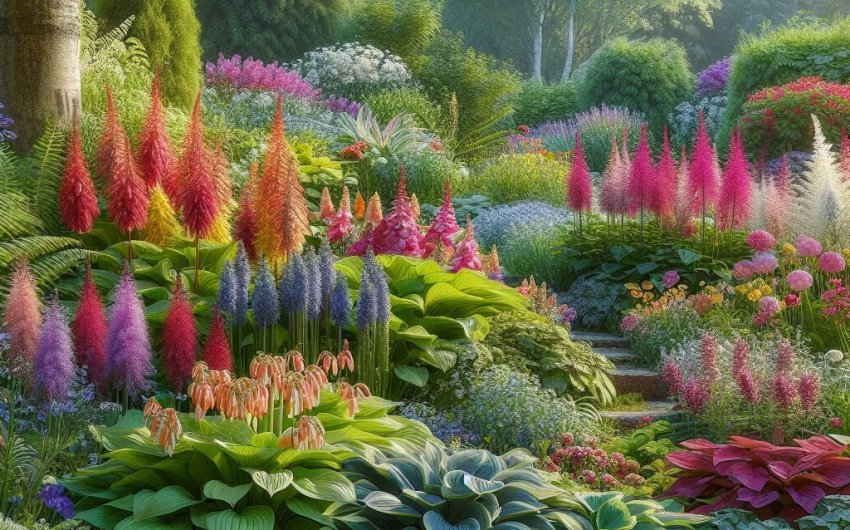
Shady garden spots, often seen as challenging, actually offer a unique opportunity to cultivate a serene and lush landscape vibrant with foliage and delicate blooms. Far from being barren, these areas can host some of the most beautiful and low-maintenance plants in your garden. Understanding what are the best perennial flowers for shady gardens is key to transforming dimly lit corners into thriving havens of natural beauty, providing year after year of reliable color and texture with minimal effort.
What Defines Different Types of Shade in a Garden?
Before diving into specific plants, it's crucial to understand that "shade" isn't a single condition. Different types of shade dictate what are the best perennial flowers for shady gardens. Accurately assessing the light levels in your garden is the first step towards plant success.
1. Full Shade
- Definition: Receives less than 3 hours of direct sunlight per day, often no direct sun at all. The area may still be bright, reflecting light from nearby walls or structures.
- Typical Locations: Under dense tree canopies, on the north side of a house or tall fence, or beneath a deck.
- Challenges: Limited energy for flowering, slower growth, higher humidity, potentially root competition from trees.
- Best Plants For: Plants primarily valued for their foliage, or those that bloom briefly with delicate flowers adapted to very low light levels.
2. Partial Shade (or Part Sun)
- Definition: Receives 3 to 6 hours of direct sunlight per day, or dappled/filtered sun throughout most of the day.
- Typical Locations: Under deciduous trees (sun in spring, dappled in summer), east-facing locations (morning sun), or west-facing locations (afternoon sun, which can be more intense).
- Challenges: Balancing light needs; afternoon sun can be too intense for some "part shade" plants.
- Best Plants For: A wide range of perennials that thrive with some sun but need protection from harsh afternoon rays. Many "part shade" plants will bloom more profusely with more light, as long as it's not scorching.
3. Dappled Shade
- Definition: Sunlight filters through tree leaves all day, creating shifting patterns of sun and shadow. It's like a constant indirect light.
- Typical Locations: Under mature, open-canopied trees.
- Challenges: None usually, this is often an ideal type of shade.
- Best Plants For: Many woodland plants thrive in this gentle light, offering consistent moisture and protection from harsh sun. Often considered a gardener's favorite kind of shade.
4. Deep/Dense Shade
- Definition: Receives virtually no direct sun, and very little reflected or indirect light. Often dark and dry, especially under dense evergreen trees or under structures.
- Typical Locations: Under dense evergreen trees like pines or spruces, or very close to solid structures that block all light.
- Challenges: Extremely difficult for most plants due to lack of light, often combined with dry soil (due to tree root competition) or very poor air circulation.
- Best Plants For: Very few plants thrive here. Mostly limited to dry-shade tolerant groundcovers or simply mulched areas. Focus on plants that tolerate dry shade if tree roots are a factor.
Why is Knowing the Type of Shade Important?
- Plant Survival: Planting a full-sun plant in deep shade, or a full-shade plant in direct, scorching sun, will lead to stress or death.
- Flowering Potential: Many plants listed as "partial shade" will produce more flowers with more light, up to their tolerance limit. A "full shade" plant might survive in brighter conditions but might get scorched or look stressed.
- Moisture Needs: Shady areas often retain more moisture, but under large trees, soil can be very dry due to root competition.
- Selecting the Best Perennials: Accurate assessment helps you choose the specific perennial flowers for shady gardens that will truly flourish in your unique conditions.
By understanding these distinctions, you can select perennials that are perfectly matched to your garden's light environment, ensuring healthy growth and vibrant blooms.
What Perennial Flowers Thrive in Partial Shade?
Partial shade (3-6 hours of direct sun, or dappled light) is a versatile light condition that supports a wide array of beautiful and reliable perennial flowers for shady gardens. These plants often produce more blooms in partial shade than in full shade but need protection from harsh afternoon sun.
1. Hosta (Hosta spp.)
While prized for foliage, many hosta varieties also produce lovely flowers.
- Appearance: Leaves come in a huge range of colors (greens, blues, golds, variegated) and textures (smooth, corrugated, glossy, matte). Flowers are typically bell-shaped, white, lavender, or purple, on tall scapes.
- Bloom Time: Mid-summer.
- USDA Zones: 3-9.
- Benefits: Incredibly low maintenance, deer and slug resistance varies by cultivar. Adds strong textural and color contrast.
- Pairings: Ferns, Astilbe, Bleeding Heart, Coral Bells.
- Consider: Hostas prefer consistent moisture. Slugs and snails can be a problem.
2. Astilbe (Astilbe spp.)
Known for their feathery, plume-like flowers.
- Appearance: Delicate, fern-like foliage. Flowers emerge in dense, fluffy plumes in shades of pink, red, white, or purple.
- Bloom Time: Late spring to late summer, depending on the variety.
- USDA Zones: 4-8.
- Benefits: Adds vertical interest and a soft, airy texture. Deer and rabbit resistant. Attracts pollinators.
- Pairings: Hostas, ferns, Ligularia, Heuchera.
- Consider: Needs consistently moist soil; dislikes drying out. Tolerates more sun if soil stays wet.
3. Bleeding Heart (Lamprocapnos spectabilis / Dicentra spectabilis)
A classic spring bloomer with heart-shaped flowers.
- Appearance: Arching stems bearing delicate, heart-shaped flowers, typically pink and white, or pure white. Feathery green foliage.
- Bloom Time: Mid to late spring.
- USDA Zones: 3-9.
- Benefits: Stunning spring display. Attracts hummingbirds. Relatively low maintenance.
- Pairings: Hostas, ferns, primroses.
- Consider: Can go dormant and disappear in mid-summer, especially in warmer climates. Plant something else nearby to fill the gap.
4. Coral Bells (Heuchera spp.)
Valued primarily for their colorful foliage, but also have airy flower spikes.
- Appearance: Mounds of ruffled, lobed leaves in an astonishing array of colors: lime green, amber, deep purple, peach, silver, red, and various variegations. Tiny bell-shaped flowers on slender stalks.
- Bloom Time: Late spring to early summer.
- USDA Zones: 4-9.
- Benefits: Provides year-round color (evergreen in many zones). Low maintenance, deer resistant. Adds texture and vibrancy.
- Pairings: Hostas, ferns, Astilbe, Hellebore.
- Consider: Good drainage is essential, especially in winter. Can sometimes "heave" out of the ground in winter, requiring replanting.
5. Lenten Rose (Hellebore - Helleborus orientalis)
A truly remarkable early bloomer.
- Appearance: Leathery, evergreen foliage. Nodding, cup-shaped flowers appear in late winter or early spring, often pushing through snow. Colors include white, pink, purple, green, often speckled or marbled.
- Bloom Time: Late winter to early spring.
- USDA Zones: 4-9.
- Benefits: Provides much-needed color when little else is blooming. Deer and rabbit resistant. Long-lived and low maintenance once established.
- Pairings: Snowdrops, daffodils, Epimedium, Hostas.
- Consider: Leaves can look ragged by winter's end; prune them back before flowers emerge.
6. Foamflower (Tiarella cordifolia)
A delicate native with airy white blooms.
- Appearance: Lobed, heart-shaped leaves, often with dark markings, forming a neat mound. Airy spikes of frothy white or pale pink flowers resemble foam.
- Bloom Time: Mid to late spring.
- USDA Zones: 3-8.
- Benefits: Excellent groundcover, native to woodlands. Attracts early pollinators. Low maintenance.
- Pairings: Ferns, Hostas, spring bulbs.
- Consider: Prefers consistently moist, organic-rich soil.
7. Ligularia (Ligularia spp.)
Bold foliage with vibrant flower spikes.
- Appearance: Large, often dramatic foliage (some varieties are dark purple or jagged). Tall spikes of yellow or orange daisy-like flowers.
- Bloom Time: Mid to late summer.
- USDA Zones: 4-8.
- Benefits: Provides bold texture and bright color in the shade. Attracts butterflies.
- Pairings: Hostas, ferns, Rodgersia.
- Consider: A "water hog" – needs consistently moist to wet soil. Wilts dramatically if allowed to dry out.
8. Columbine (Aquilegia spp.)
Graceful, nodding flowers.
- Appearance: Delicate, fern-like foliage. Unique, spurred flowers in a wide array of colors, often bi-colored.
- Bloom Time: Late spring to early summer.
- USDA Zones: 3-9 (some varieties).
- Benefits: Adds a whimsical, airy touch. Attracts hummingbirds. Self-seeds readily.
- Pairings: Hostas, Dicentra, bleeding heart.
- Consider: Can be short-lived but self-seeds. Leaf miners can be an issue.
These perennials offer a rich palette of colors, textures, and bloom times, making them excellent choices for creating vibrant and dynamic shady gardens.
What Perennial Flowers are Best for Full Shade?
Full shade (less than 3 hours of direct sunlight per day, often no direct sun) is a challenging but not impossible condition for flowering plants. The best perennial flowers for shady gardens in these areas often prioritize interesting foliage, with delicate or ephemeral blooms.
1. Woodland Phlox (Phlox divaricata)
A delightful native with fragrant flowers.
- Appearance: Loose, spreading clumps of green foliage. Clusters of fragrant, lavender, blue, or white flowers on slender stems.
- Bloom Time: Mid to late spring.
- USDA Zones: 3-8.
- Benefits: Provides a carpet of color and fragrance in early spring. Attracts pollinators. Native to woodlands.
- Pairings: Ferns, Hostas, Hellebores.
- Consider: Prefers consistently moist, well-drained, organic-rich soil. Can be slow to establish but spreads nicely.
2. Wild Ginger (Asarum canadense)
An excellent native groundcover.
- Appearance: Heart-shaped, velvety green leaves forming a dense groundcover. Unique, brownish-purple, jug-shaped flowers bloom at soil level, often hidden by foliage.
- Bloom Time: Early spring.
- USDA Zones: 4-8.
- Benefits: Lush, low-maintenance groundcover. Native, deer resistant.
- Pairings: Ferns, Hostas, bleeding heart.
- Consider: Spreads slowly by rhizomes. Prefers consistently moist, very organic-rich soil.
3. Foamflower (Tiarella cordifolia)
As mentioned for partial shade, but also performs well in full shade.
- Appearance: Lobed, heart-shaped leaves, often with dark markings, forming a neat mound. Airy spikes of frothy white or pale pink flowers.
- Bloom Time: Mid to late spring.
- USDA Zones: 3-8.
- Benefits: Excellent groundcover, native to woodlands. Attracts early pollinators. Low maintenance.
- Pairings: Ferns, Hostas, spring bulbs.
- Consider: Prefers consistently moist, organic-rich soil.
4. False Solomon's Seal (Maianthemum racemosum)
An elegant woodland native.
- Appearance: Arching stems with broad, alternate leaves. Clusters of tiny, fragrant white flowers at the end of the stem, followed by red berries in late summer.
- Bloom Time: Late spring to early summer.
- USDA Zones: 3-8.
- Benefits: Adds vertical elegance to the shade garden. Native, provides fall interest with berries.
- Pairings: Hostas, ferns, Trillium.
- Consider: Spreads slowly to form colonies. Prefers consistently moist, organic-rich soil.
5. Lungwort (Pulmonaria spp.)
Known for its distinctive speckled foliage and early spring blooms.
- Appearance: Oval to lance-shaped leaves, often heavily spotted or variegated with silver. Clusters of bell-shaped flowers in shades of pink, blue, or purple, often changing color as they age.
- Bloom Time: Early spring.
- USDA Zones: 3-8.
- Benefits: Provides early season color and long-lasting foliage interest. Deer and rabbit resistant.
- Pairings: Hellebores, spring bulbs, Hostas.
- Consider: Needs consistently moist soil. Can be prone to powdery mildew if stressed or in overly dry conditions.
6. Bishop's Hat (Epimedium spp.)
Tough and delicate at the same time.
- Appearance: Delicate, heart-shaped foliage, often with bronzy tints in spring and fall. Airy sprays of unique, spurred flowers resembling tiny bishop's hats, in shades of white, pink, yellow, or purple.
- Bloom Time: Early to mid-spring.
- USDA Zones: 4-9.
- Benefits: Excellent dry shade performer once established. Deer and rabbit resistant. Good groundcover.
- Pairings: Hellebores, spring bulbs, ferns.
- Consider: Tolerates dry shade once established, but prefers some moisture. Can be evergreen in milder climates.
7. Lady's Mantle (Alchemilla mollis)
More of a foliage plant with airy flowers.
- Appearance: Scalloped, soft, fan-like leaves that famously hold dewdrops like pearls. Clusters of frothy, chartreuse-yellow flowers.
- Bloom Time: Early to mid-summer.
- USDA Zones: 3-8.
- Benefits: Wonderful foliage texture and color. Excellent for edging or massing. Can self-seed.
- Pairings: Hostas, Astilbe, other shade plants.
- Consider: Best in consistently moist soil. Can self-seed vigorously, requiring deadheading if unwanted.
These perennials prove that even the darkest corners of your garden can be brought to life with vibrant foliage and charming blooms, showcasing the diverse appeal of perennial flowers for shady gardens.
What Perennial Flowers are Ideal for Dry Shade?
Dry shade, often found under mature trees, presents a particularly challenging environment due to lack of light and severe competition from tree roots for moisture. However, there are resilient perennial flowers for shady gardens that can not only survive but thrive in these tough spots.
1. Epimedium (Bishop's Hat / Barrenwort)
The undisputed champion of dry shade.
- Appearance: Delicate, heart-shaped foliage, often with bronzy tints in spring and fall. Airy sprays of unique, spurred flowers resembling tiny bishop's hats, in shades of white, pink, yellow, or purple.
- Bloom Time: Early to mid-spring.
- USDA Zones: 4-9.
- Benefits: Extremely tolerant of dry shade once established. Deer and rabbit resistant. Excellent long-term groundcover.
- Pairings: Hellebores, Spring Bulbs, Ferns (dry shade tolerant varieties).
- Consider: Can be evergreen in milder climates. Cut back old foliage in late winter for a fresh flush of growth and to better showcase spring flowers.
2. Hellebore (Lenten Rose - Helleborus orientalis)
As mentioned for partial shade, many varieties are also quite tolerant of dry shade once established.
- Appearance: Leathery, evergreen foliage. Nodding, cup-shaped flowers appear in late winter or early spring, often pushing through snow. Colors include white, pink, purple, green, often speckled or marbled.
- Bloom Time: Late winter to early spring.
- USDA Zones: 4-9.
- Benefits: Provides much-needed color when little else is blooming. Deer and rabbit resistant. Long-lived and low maintenance.
- Pairings: Snowdrops, daffodils, Epimedium.
- Consider: Mulch helps retain moisture during establishment. Remove older leaves in late winter.
3. Barrenwort (Vancouveria hexandra)
Similar to Epimedium, but native to western North America.
- Appearance: Delicate, fern-like, three-lobed leaves on slender stems. Clusters of tiny, white, ephemeral flowers.
- Bloom Time: Spring.
- USDA Zones: 5-9.
- Benefits: Forms a beautiful, fine-textured groundcover. Very tolerant of dry shade once established.
- Pairings: Bleeding Heart, Maidenhair Fern.
- Consider: Spreads slowly by rhizomes.
4. Geranium (Cranesbill Geranium - Geranium macrorrhizum 'Bigroot Geranium')
A robust and spreading groundcover.
- Appearance: Aromatic, deeply lobed foliage that often turns reddish in fall. Clusters of magenta, pink, or white flowers.
- Bloom Time: Late spring to early summer.
- USDA Zones: 3-8.
- Benefits: Extremely tough and adaptable. Tolerates dry shade, deer resistant. Spreads to form a dense groundcover, suppressing weeds.
- Pairings: Hostas (more dry-tolerant varieties), ferns.
- Consider: Can be a bit aggressive spreader, but easily managed.
5. Lungwort (Pulmonaria spp.)
Also surprisingly tolerant of drier conditions once established, especially if mulched.
- Appearance: Oval to lance-shaped leaves, often heavily spotted or variegated with silver. Clusters of bell-shaped flowers in shades of pink, blue, or purple.
- Bloom Time: Early spring.
- USDA Zones: 3-8.
- Benefits: Provides early season color and long-lasting foliage interest. Deer and rabbit resistant.
- Pairings: Hellebores, spring bulbs.
- Consider: Prefers some moisture during establishment. 'Trevi Fountain' is a good cultivar.
6. Bugleweed (Ajuga reptans)
A very tough, low-growing groundcover.
- Appearance: Low-growing rosettes of foliage in various colors (green, bronze, variegated). Short spikes of blue, purple, pink, or white flowers.
- Bloom Time: Mid to late spring.
- USDA Zones: 3-9.
- Benefits: Spreads quickly to form a dense mat, excellent for erosion control and weed suppression in dry shade.
- Pairings: Underneath larger shrubs or trees.
- Consider: Can be aggressive, so choose where to plant carefully. Powdery mildew can be an issue in humid conditions without good airflow.
Tips for Establishing Plants in Dry Shade:
- Improve Soil: Dig in plenty of compost or other organic matter before planting to improve water retention and provide nutrients.
- Water Deeply During Establishment: Even dry-shade tolerant plants need consistent, deep watering for their first 1-2 years to establish a strong root system.
- Mulch Heavily: A 2-4 inch (5-10 cm) layer of organic mulch (e.g., shredded bark, wood chips) helps conserve moisture, suppress weeds, and cool the soil. Keep mulch a few inches away from plant crowns.
- Choose Small Plants: Smaller plants (pints or quarts) establish more easily than large gallon-sized plants in dry shade, as their root systems can adapt better.
By choosing these resilient options and providing initial care, you can create thriving and beautiful shady gardens even in challenging dry areas.
What are the Best Perennial Flowers for Wet Shade?
Wet shade, characterized by consistently moist or even damp soil and low light, can also be a challenging environment. However, many plants revel in these conditions, providing lush foliage and vibrant blooms. Understanding what are the best perennial flowers for shady gardens where moisture is abundant can transform soggy spots into vibrant havens.
1. Astilbe (Astilbe spp.)
A versatile favorite, thrives in moist shade.
- Appearance: Delicate, fern-like foliage. Feathery, plume-like flowers in shades of pink, red, white, or purple.
- Bloom Time: Late spring to late summer, depending on variety.
- USDA Zones: 4-8.
- Benefits: Adds vertical interest and soft texture. Deer and rabbit resistant. Excellent for consistently moist or boggy areas.
- Pairings: Hostas, ferns, Ligularia.
- Consider: Wilts dramatically if soil dries out.
2. Ligularia (Ligularia spp. - 'The Rocket' or 'Britt-Marie Crawford')
Bold foliage and bright flowers for consistently wet areas.
- Appearance: Large, often dramatic foliage (some varieties are dark purple or jagged). Tall spikes of yellow or orange daisy-like flowers.
- Bloom Time: Mid to late summer.
- USDA Zones: 4-8.
- Benefits: Provides bold texture and bright color. Thrives in consistently wet soil, even boggy conditions. Attracts butterflies.
- Pairings: Astilbe, Rodgersia, Siberian Iris.
- Consider: Absolutely requires consistently moist to wet soil; wilts quickly if dry.
3. Rodgersia (Rodgersia spp.)
Dramatic architectural plants for bold statements.
- Appearance: Very large, textured, palmate (hand-shaped) leaves, often bronze-tinged in spring. Tall plumes of tiny white, pink, or red flowers.
- Bloom Time: Early to mid-summer.
- USDA Zones: 3-8.
- Benefits: Creates a strong architectural presence. Thrives in moist to wet soil. Adds dramatic foliage texture.
- Pairings: Ferns, Ligularia, Hostas.
- Consider: Needs consistent moisture and protection from strong winds that can damage large leaves.
4. Siberian Iris (Iris sibirica)
Elegant and adaptable, with beautiful blooms.
- Appearance: Upright, grass-like foliage. Elegant, beardless iris flowers in shades of blue, purple, white, or yellow.
- Bloom Time: Late spring to early summer.
- USDA Zones: 3-9.
- Benefits: Thrives in wet soil (even near pond edges). Low maintenance, long-lived, and deer resistant.
- Pairings: Ligularia, Rodgersia, Marsh Marigold.
- Consider: Can tolerate some dry spells once established but prefers consistent moisture.
5. Marsh Marigold (Caltha palustris)
A vibrant early spring bloomer for truly wet spots.
- Appearance: Round, glossy green leaves. Bright yellow, cup-shaped flowers.
- Bloom Time: Early spring.
- USDA Zones: 3-7.
- Benefits: Provides a burst of cheerful yellow in boggy areas or shallow water at pond edges. Native to wet woodlands.
- Pairings: Hostas, ferns, other moisture-loving plants.
- Consider: Requires consistently wet or even standing water conditions.
6. Japanese Painted Fern (Athyrium niponicum 'Pictum')
More about foliage, but its striking colors brighten wet shade.
- Appearance: Deciduous fern with fronds featuring stunning silvery-green and burgundy markings. Adds a luminous quality to dark areas.
- Bloom Time: No flowers.
- USDA Zones: 3-8.
- Benefits: Exceptional foliage color and texture. Spreads slowly. Deer resistant.
- Pairings: Hostas, Astilbe, Rodgersia.
- Consider: Needs consistently moist, well-drained soil. Avoid soggy, stagnant conditions.
7. Ostrich Fern (Matteuccia struthiopteris)
A tall, graceful fern that forms colonies.
- Appearance: Tall, upright, feathery fronds resembling ostrich plumes. Produces fertile, dark brown fronds later in the season.
- Bloom Time: No flowers.
- USDA Zones: 2-8.
- Benefits: Creates a lush, woodland feel. Spreads to form colonies, good for naturalizing. Tolerates wet conditions.
- Pairings: Other large shade perennials, at the back of a border.
- Consider: Can spread vigorously, so plant where it has room to colonize or use root barriers.
Tips for Gardening in Wet Shade:
- Improve Drainage (if too wet/soggy): While these plants tolerate wetness, stagnant, anaerobic conditions can still cause issues. If soil is truly boggy or water pools, consider creating a slightly raised bed or amending with coarse sand and organic matter to improve aeration.
- Plant Selection is Key: Choose plants specifically adapted to wet feet.
- Fungal Issues: Monitor for fungal diseases, as high humidity and damp conditions can promote them. Ensure good air circulation around plants.
- Mulch: Use a layer of organic mulch (e.g., shredded bark) to help moderate soil temperature and suppress weeds, while still allowing moisture to penetrate.
These moisture-loving perennials transform challenging damp areas into flourishing and vibrant shady gardens, demonstrating that every corner of your landscape can hold beauty.
How Do I Prepare Soil and Maintain Perennials in Shady Gardens?
Successfully growing perennial flowers for shady gardens isn't just about choosing the right plants; it's also about providing them with optimal soil conditions and consistent care. Proper preparation and maintenance are crucial for their long-term health and vibrant display.
1. Soil Preparation is Paramount
Shade garden soil often presents challenges.
- Existing Tree Roots: Under trees, soil is often riddled with roots that compete for water and nutrients.
- Compaction: Heavy foot traffic or existing structures can lead to compacted soil, reducing water penetration and aeration.
- Nutrient Depletion: Tree roots can aggressively draw nutrients from the topsoil, leaving little for understory plants.
Steps for Soil Preparation:
- Assess Existing Soil: Dig a small test hole.
- Texture: Is it heavy clay, quick-draining sand, or something in between?
- Moisture: Is it consistently moist, or dry and hard?
- Root Density: How dense are the tree roots?
- Incorporate Organic Matter: This is the most crucial step for almost any shade garden.
- Materials: Work in generous amounts of well-rotted compost, aged manure, leaf mold, or other organic matter.
- Benefits:
- Improves Drainage: For heavy clay soils, organic matter helps break up compaction, allowing water to drain better.
- Increases Water Retention: For sandy soils, organic matter acts like a sponge, holding onto moisture.
- Adds Nutrients: Provides a slow release of essential nutrients.
- Enhances Soil Structure: Creates a healthy, airy environment for roots.
- Method: Incorporate 4-6 inches (10-15 cm) of organic matter into the top 8-12 inches (20-30 cm) of soil. Be careful not to damage large tree roots; work around them gently.
- Address pH (if needed): Perform a soil test to determine pH. Most shade perennials prefer slightly acidic to neutral soil (pH 5.5-7.0). Adjust with lime (to raise pH) or elemental sulfur/peat moss (to lower pH) as needed.
- A Soil Test Kit is invaluable.
2. Watering for Shade Perennials
While shady areas lose less water to evaporation, plants still need consistent moisture, especially during establishment and dry spells.
- Deep and Infrequent (Generally): Water thoroughly and deeply when the soil starts to dry out, encouraging roots to grow deeper.
- Monitor Soil Moisture: Don't rely solely on a schedule. Stick your finger into the soil. If it feels dry, it's time to water.
- Adjust for Dry Shade: Plants in dry shade (under trees) will need more frequent supplemental watering during their first 1-2 years to establish their roots, even after heavy mulching.
- Adjust for Wet Shade: Ensure drainage is adequate even in wet shade. Avoid stagnant, waterlogged conditions that can cause root rot.
3. Fertilizing Shade Perennials
Shade perennials generally require less fertilizer than sun-loving plants.
- Organic Matter is Key: The best way to feed shade plants is through regular topdressing with compost or other organic matter. This provides a slow, steady supply of nutrients and enhances soil health.
- Light Application: If using a granular fertilizer, apply a balanced, slow-release formula (e.g., 5-10-5 or 10-10-10 NPK) in early spring at half the recommended rate for sun plants. Avoid high nitrogen, which can lead to lush but weak growth.
- Foliar Feed (Optional): Some gardeners use a diluted liquid feed (like compost tea) on foliage for a quick boost.
4. Mulching
Mulch is incredibly beneficial for shade gardens.
- Materials: Use 2-4 inches (5-10 cm) of organic mulch like shredded bark, wood chips, pine needles, or leaf mold.
- Benefits:
- Moisture Retention: Significantly reduces water evaporation from the soil, especially critical under trees.
- Weed Suppression: Blocks weed growth, reducing competition for water and nutrients.
- Temperature Moderation: Keeps soil temperatures more stable, protecting roots from extreme heat or cold.
- Soil Improvement: As organic mulch breaks down, it enriches the soil, mimicking a natural woodland floor.
- Aesthetic: Creates a neat, finished look and highlights the plants.
- Application: Apply annually, keeping it a few inches away from plant crowns to prevent rot.
5. Pruning and Deadheading
- Deadheading (Optional): Removing spent flowers (deadheading) can sometimes encourage reblooming or prevent unwanted self-seeding, though many shade perennials don't require it for continuous bloom.
- Foliage Maintenance: Remove any yellowing, brown, or diseased leaves promptly to improve appearance and reduce disease spread.
- Dividing: Many shade perennials (e.g., Hostas, Astilbe, Coral Bells, Ferns) benefit from division every 3-5 years to maintain vigor and prevent overcrowding. Divide in early spring or fall.
By prioritizing soil health and providing consistent, appropriate care, your perennial flowers for shady gardens will thrive, rewarding you with years of understated beauty.