
How Does Crop Rotation Impact Soil Fertility in My Garden?
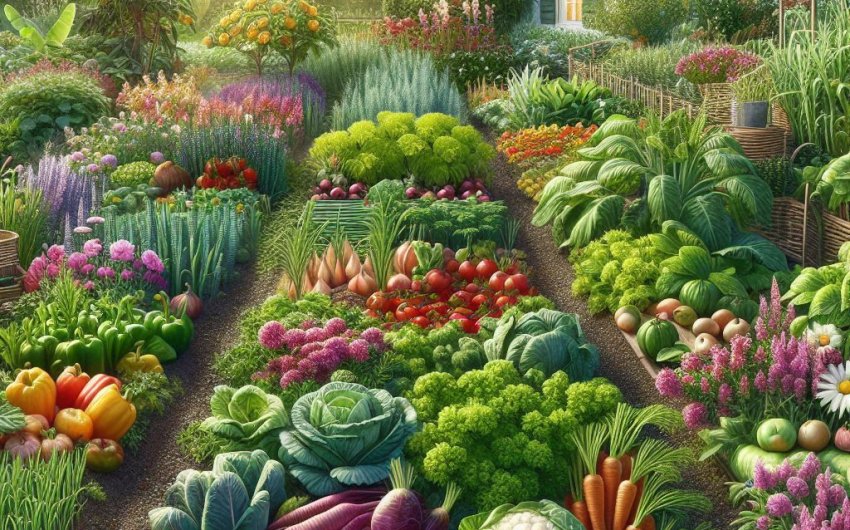
Maintaining robust soil health is foundational to a flourishing garden, and a key strategy in achieving this is thoughtful crop planning. Understanding how does crop rotation impact soil fertility in my garden is essential for any gardener looking to boost yields, manage pests, and enrich the earth sustainably year after year. This guide will delve into the profound effects of rotating your plants, illustrating how this age-old practice contributes significantly to a vibrant and productive ecosystem beneath your feet.
What is Crop Rotation and Why is it Important for Soil Health?
Crop rotation is the practice of planting different types of crops in different areas of your garden over successive seasons. Instead of growing the same vegetable in the same spot year after year, you move it to a new location. This ancient agricultural technique is a cornerstone of organic gardening and plays a vital role in maintaining and improving soil health, fertility, and overall garden productivity. It’s a natural, sustainable way to work with your soil rather than against it.
What are the Core Principles of Crop Rotation?
The effectiveness of crop rotation stems from understanding how different plant families interact with the soil and its inhabitants.
- Diverse Nutrient Uptake: Different plants have varying nutrient needs. Some are heavy feeders, depleting specific nutrients rapidly. Others are light feeders, while some (like legumes) actually enrich the soil with nitrogen. By rotating these types, you avoid exhausting the soil of particular nutrients in one area.
- Breaking Pest and Disease Cycles: Many garden pests and diseases are specific to certain plant families. If you plant the same crop in the same spot repeatedly, these pests and pathogens can build up in the soil, ready to attack the next generation. Rotating crops disrupts their life cycles, reducing their populations over time.
- Improving Soil Structure: Plants have different root systems. Some have deep taproots that break up compacted soil, while others have fibrous roots that create a fine network. Rotating these root types helps improve soil structure, aeration, and drainage throughout the root zone.
- Enhancing Soil Organic Matter: Incorporating cover crops or leaving plant residues to decompose after harvest contributes organic matter back to the soil, supporting beneficial microbial life and improving overall soil health.
- Promoting Beneficial Microbes: Diverse plant roots release different compounds into the soil, feeding a wider range of beneficial microorganisms. This creates a healthier, more balanced soil food web.
Why is Crop Rotation Particularly Relevant for Gardeners?
While large-scale farms have immense land to rotate, crop rotation is arguably even more critical for home gardeners with limited space.
- Intensive Planting: Home gardens often employ intensive planting methods (plants closer together) to maximize yield in a small area. This puts more strain on the soil's nutrient reserves and can accelerate pest/disease buildup if crops aren't rotated.
- Limited Space: With smaller plots, you can't just abandon a section of your garden. Rotation allows you to manage the same small space sustainably year after year.
- Building Soil Health: For many home gardeners, improving soil health is a continuous process. Crop rotation is a powerful, passive tool for achieving this without constantly needing to buy and amend soil.
- Reducing Chemical Use: By breaking pest and disease cycles naturally, crop rotation helps reduce or eliminate the need for chemical pesticides and fungicides, making your garden healthier and more environmentally friendly.
How Does Crop Rotation Directly Impact Soil Fertility?
The most profound effect of crop rotation is its influence on soil fertility. By strategically moving different plant families, gardeners can create a more balanced nutrient profile, enhance beneficial microbial activity, and prevent the depletion of specific elements. This ensures a healthier, more productive growing medium season after season.
Balancing Nutrient Levels in the Soil
Different plant families are like different eaters – some are very hungry, some are less so, and some even leave food behind!
- Heavy Feeders (Nutrient Demanding Crops): These plants require a lot of nutrients, especially nitrogen, phosphorus, and potassium, to produce abundant fruits or foliage.
- Examples: Tomatoes, corn, squash, pumpkins, cabbage, broccoli, peppers, potatoes.
- Impact on Soil: If planted repeatedly in the same spot, they rapidly deplete the soil of these vital nutrients, leaving it impoverished for subsequent crops.
- Rotation Strategy: Follow heavy feeders with light feeders or nitrogen fixers to allow the soil to replenish.
- Light Feeders (Less Demanding Crops): These plants have lower nutrient requirements and don't significantly deplete the soil.
- Examples: Carrots, radishes, parsnips, onions, most herbs.
- Impact on Soil: They use fewer nutrients, allowing the soil to recover somewhat.
- Rotation Strategy: Can follow heavy feeders.
- Nitrogen Fixers (Soil Builders / Legumes): These plants, primarily members of the legume family, have a symbiotic relationship with beneficial bacteria (Rhizobia) in their root nodules. These bacteria convert atmospheric nitrogen into a form that plants can use, effectively adding nitrogen to the soil.
- Examples: Beans (bush, pole), peas, clover, vetch, alfalfa.
- Impact on Soil: They enrich the soil with nitrogen, reducing the need for external nitrogen fertilizers for subsequent crops.
- Rotation Strategy: Always follow a heavy feeder or precede a heavy feeder with a legume crop to naturally replenish nitrogen.
- Root Crops: While they consume nutrients, their deep roots can access nutrients deeper in the soil and help break up compaction.
- Examples: Carrots, potatoes, beets, parsnips.
- Impact on Soil: Can help to naturally aerate deeper soil layers.
Enhancing Soil Organic Matter and Structure
The varying root systems and biomass of different plants contribute directly to the physical quality of your soil.
- Adding Organic Matter: When plant roots and residues are left in the soil after harvest (or when cover crops are tilled in), they decompose, adding valuable organic matter.
- Benefits: Organic matter improves soil structure (making clay less dense and sand more moisture-retentive), increases water holding capacity, enhances drainage, and feeds the soil food web.
- Root System Diversity:
- Deep Taproots: Plants like carrots, radishes, and parsnips penetrate compacted layers, creating channels for air and water.
- Fibrous Roots: Plants like corn and grasses create a dense network that binds soil particles together, preventing erosion and improving aggregation.
- Legumes: Their extensive root systems often contribute a significant amount of organic matter when left to decompose.
- Impact on Structure: Rotating plants with different root structures helps to improve and maintain soil tilth (loosening and aerating), preventing compaction and creating a more hospitable environment for future root growth.
Suppressing Soil-Borne Pests and Diseases
One of the most powerful impacts of crop rotation is its ability to naturally interrupt the life cycles of garden enemies.
- Host Specificity: Many soil-borne diseases (e.g., Fusarium wilt, Verticillium wilt) and pests (e.g., nematodes, cabbage maggots, potato beetles) are specific to certain plant families.
- Breaking the Cycle: If you plant a susceptible crop in the same spot every year, the pathogens and pests build up in the soil, waiting for their preferred host. By rotating to an unrelated plant family, you "starve" these specific pests and diseases, reducing their populations and allowing the soil's natural suppressive mechanisms to take over.
- Nematode Management: Certain crops (like marigolds) can act as biofumigants, suppressing harmful nematodes. Incorporating them into a rotation can be beneficial.
- Weed Suppression: Healthy, densely planted crops in a rotation can outcompete weeds. Certain cover crops are also excellent weed suppressors.
How Do You Plan a Crop Rotation Strategy for Your Garden?
Developing an effective crop rotation plan requires a little foresight but is straightforward. The key is to group plants by family and understand their impact on the soil. A three- or four-year rotation is most common for home gardens.
Grouping Plants by Family
The most crucial step in crop rotation is to group your vegetables into their botanical families, as members of the same family often share similar nutrient needs and are susceptible to the same pests and diseases.
- Solanaceae (Nightshades):
- Plants: Tomatoes, potatoes, peppers, eggplant.
- Characteristics: Heavy feeders, susceptible to blight, Fusarium, Verticillium wilt, potato beetles, tomato hornworms.
- Cucurbitaceae (Gourds/Squash):
- Plants: Squash (summer and winter), pumpkins, cucumbers, melons.
- Characteristics: Heavy feeders, sprawling habit, susceptible to powdery mildew, squash bugs, cucumber beetles, squash vine borers.
- Brassicaceae (Crucifers/Cabbage Family):
- Plants: Cabbage, broccoli, cauliflower, kale, collards, Brussels sprouts, radishes, mustard greens, arugula, turnips.
- Characteristics: Moderate to heavy feeders, susceptible to cabbage worms, flea beetles, clubroot disease.
- Fabaceae (Legumes):
- Plants: Beans (bush, pole), peas, clover, vetch.
- Characteristics: Nitrogen fixers (enrich soil), generally lighter feeders, susceptible to bean beetles, pea weevils.
- Alliaceae (Alliums/Onion Family):
- Plants: Onions, garlic, leeks, chives.
- Characteristics: Moderate feeders, can deter some pests, susceptible to onion maggots, white rot.
- Apiaceae (Umbellifers/Carrot Family):
- Plants: Carrots, parsnips, celery, dill, cilantro.
- Characteristics: Light to moderate feeders, deep-rooted, susceptible to carrot rust fly.
- Chenopodiaceae (Beet Family):
- Plants: Beets, Swiss chard, spinach.
- Characteristics: Moderate feeders, relatively shallow rooted.
- Poaceae (Grasses/Corn Family):
- Plants: Corn, some grains.
- Characteristics: Heavy feeders.
Designing a Rotation Plan (4-Year Cycle Example)
A common and effective rotation divides your garden into sections and rotates plant families through them over several years. A four-year cycle is ideal for most gardens.
- Year 1: Heavy Feeders/Fruiting Crops (e.g., Solanaceae, Cucurbitaceae)
- Focus: Plants that demand a lot of nutrients.
- Example Plot 1: Tomatoes, Peppers, Eggplant.
- Year 2: Legumes (Nitrogen Fixers)
- Focus: Plants that replenish nitrogen in the soil.
- Example Plot 1: Bush Beans, Pole Beans, Peas.
- Year 3: Root Crops / Light Feeders (e.g., Apiaceae, Chenopodiaceae, some Brassicaceae)
- Focus: Plants that are less demanding on nitrogen and often have deeper roots.
- Example Plot 1: Carrots, Beets, Radishes, Onions.
- Year 4: Leafy Greens / Brassicas (e.g., Brassicaceae, other leafy greens)
- Focus: Plants that consume moderate to heavy nitrogen but also help manage specific brassica pests/diseases.
- Example Plot 1: Cabbage, Broccoli, Lettuce, Kale.
- Moving Through Sections: If you have multiple garden beds or sections, each year you move the family type to the next section. Over four years, each section will have hosted a different plant family group.
Tips for Successful Crop Rotation
Making your rotation plan work effectively involves a few practical considerations.
- Sketch Your Garden: Draw a map of your garden beds. Label them and track what you plant in each section year after year. This visual aid is invaluable.
- Divide Your Garden: Even if you have one large bed, mentally (or physically with paths/markers) divide it into 3 or 4 distinct sections.
- Include Non-Edibles/Cover Crops: In your rotation, you can dedicate a section to growing cover crops (e.g., clover, vetch, buckwheat) to build soil fertility and organic matter, or even a section for a flower bed that benefits pollinators.
- Consider Perennials: Perennial crops (e.g., asparagus, rhubarb, fruit bushes) don't fit into a rotation cycle, so assign them a permanent bed outside your rotation system.
- Start Simple: Don't overcomplicate it initially. Even a simple 2- or 3-year rotation is better than none. You can always refine your plan over time.
- Read Seed Packets: Pay attention to the plant family information on seed packets and plant tags.
- Keep Records: A garden journal is perfect for tracking your rotation, pest issues, and yields.
How Does Crop Rotation Help with Pest and Disease Management?
Beyond nutrient balancing, one of the most powerful benefits of crop rotation is its role in natural pest and disease control. By disrupting the life cycles of garden enemies, you can significantly reduce their populations and maintain a healthier garden without relying heavily on chemical interventions.
Breaking Life Cycles of Soil-Borne Pests
Many common garden pests spend part of their life cycle in the soil, waiting for their preferred host plant.
- Specific Pests Targeted:
- Cabbage Maggots: Larvae that attack the roots of brassicas. If you plant cabbage in the same spot every year, the population of maggots will build up. Rotating brassicas breaks this cycle.
- Corn Rootworm: Larvae that feed on corn roots. Rotating corn to a different area starves the overwintering larvae.
- Wireworms: Larvae of click beetles that feed on roots and tubers of various crops. Rotation can reduce their numbers over time.
- Nematodes: Microscopic roundworms that can damage plant roots. Specific types attack specific plants. Rotating to non-host plants or cover crops like marigolds can help suppress them.
- Starving the Pests: When the pest's host plant is removed from an area for a season (or several seasons), the pest population in that soil dies off or significantly declines due to lack of food. When the susceptible crop returns years later, the pest pressure is much lower.
- Disrupting Overwintering: Many pests overwinter as eggs, larvae, or pupae in the soil or in plant debris. By removing plant residues and rotating crops, you disturb their winter homes and expose them to unfavorable conditions or predators.
Managing Soil-Borne Diseases
Fungal, bacterial, and viral pathogens can accumulate in the soil, ready to infect susceptible plants.
- Host-Specific Pathogens: Diseases like Fusarium wilt, Verticillium wilt, and clubroot (affecting brassicas) can persist in the soil for years.
- Reducing Inoculum: "Inoculum" refers to the amount of disease-causing organisms (spores, bacteria) present in the soil. By rotating crops, you reduce the inoculum for specific diseases. If a susceptible plant isn't available, the pathogen's numbers will decline, reducing the chance of infection when the host plant eventually returns.
- Fungal Spore Depletion: Many fungal spores can survive in soil, but they have a limited lifespan without a host. Rotation helps to "clean" the soil of these dormant spores.
- Viral Disease Prevention (Indirect): While viruses often spread via insects, managing the insect populations through rotation can indirectly help prevent viral diseases.
How Long to Rotate?
The effectiveness of crop rotation depends on how long specific pests and diseases can survive in the soil without their host plant.
- Minimum: A 3-year rotation is generally considered the minimum for basic pest and disease control.
- Ideal: A 4-year rotation is often recommended as it provides a longer break for pests and pathogens.
- Long-Lived Pathogens: Some very persistent diseases (e.g., clubroot can survive for up to 20 years!) might require even longer rotations or specific remedial actions. For home gardeners, if a specific disease is truly rampant and long-lived in one spot, consider growing that crop in containers for a few years.
What are the Practical Challenges and Tips for Crop Rotation?
While the benefits are clear, implementing crop rotation in a home garden can present a few practical challenges. However, with some planning and adaptability, these can be easily overcome.
Overcoming Common Challenges
- Small Garden Size:
- Challenge: Limited space makes strict rotation difficult.
- Solution: Even a 2- or 3-year rotation is better than none. Divide your garden into sections, even if they're small. Focus on rotating high-risk crops (heavy feeders, susceptible to specific diseases) more strictly.
- Perennial Crops:
- Challenge: Perennials like asparagus, rhubarb, strawberries, and fruit trees stay in the same spot for years and cannot be rotated.
- Solution: Designate permanent beds for perennials outside your main rotation plan. Ensure these beds have exceptionally rich, healthy soil from the start.
- Interplanting/Succession Planting:
- Challenge: When you grow multiple crops in the same bed (interplanting) or follow one crop immediately with another (succession planting), it can complicate rotation tracking.
- Solution: Focus on rotating the primary crop or the dominant family in a bed. Keep detailed records of everything you plant in each section. For succession, try to follow a heavy feeder with a legume or light feeder if possible, even within the same season.
- Difficulty Tracking:
- Challenge: Remembering what was planted where year after year can be tough.
- Solution: Create a garden map or use a simple diagram of your beds. Label each section and record what you planted there each season. A garden journal is invaluable for this.
- Specific Microclimates:
- Challenge: Certain areas of your garden might have unique microclimates (e.g., warmest spot, shadiest spot) that are ideal for specific crops. Rotating those crops means they might end up in less ideal conditions.
- Solution: Prioritize soil health and pest/disease prevention through rotation. For highly sensitive plants, you might consider having a dedicated, smaller "ideal spot" for them, but accept that it might be a higher-risk area for disease buildup. Or, consider growing them in containers which you can move.
Practical Tips for Effective Rotation
- Start with a Map: This is the single most important tool. Draw your garden beds and label them clearly.
- Family Grouping First: Always group plants by family, not just by what you like to eat.
- Observe Your Garden: Pay attention to which crops struggle with pests or diseases in specific areas. Use this information to inform your rotation.
- Embrace Cover Crops: When a bed is empty between rotations or seasons, plant a cover crop seed mix. They protect the soil, prevent weeds, and add organic matter.
- Keep Records: Note down what you planted, any pest or disease issues, and how the plants performed. This historical data is gold for refining your rotation strategy.
- Be Flexible: Gardening is about adaptability. Don't be afraid to adjust your plan if a specific pest or disease becomes an issue.
- Don't Overthink It (Initially): If you're new to rotation, start with a simple 3- or 4-group cycle. The exact number of beds isn't as important as the principle of moving plant families.
- Companion Planting Integration: While not a substitute for rotation, companion planting can work with rotation to further enhance pest deterrence and soil health.
- Consider Raised Beds: If you have multiple raised beds, they are naturally well-suited for crop rotation as they already divide your garden into manageable sections.
Implementing crop rotation is a cornerstone of responsible and productive gardening. By understanding how does crop rotation impact soil fertility in my garden, you not only contribute to a healthier environment but also ensure your soil remains a vibrant, nutrient-rich foundation, leading to bountiful harvests and a resilient garden for years to come.