
Creating Serene Boundaries: 10 Stunning Garden Border Ideas
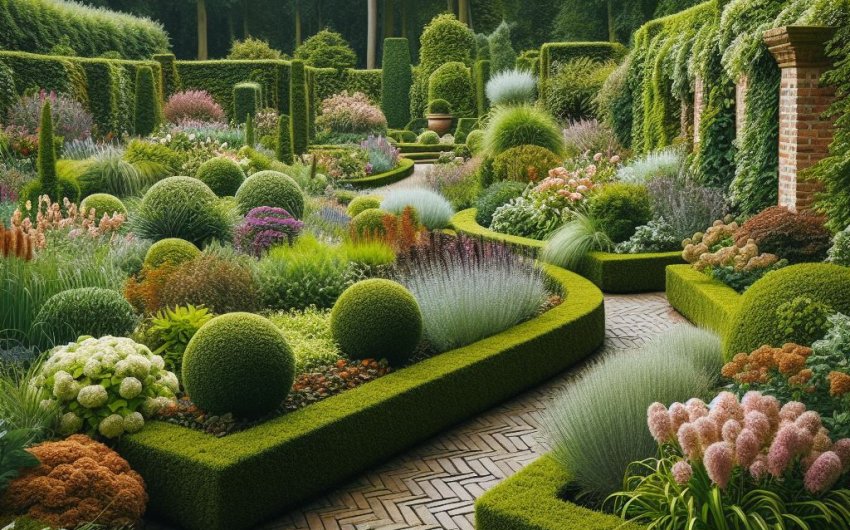
The perimeter of your garden, whether it defines a vibrant flower bed, frames a lush lawn, or encloses a tranquil seating area, plays a far more significant role than merely separating one space from another. These garden borders are the silent storytellers of your landscape, guiding the eye, defining pathways, and adding a crucial layer of polish and aesthetic appeal. A thoughtfully designed garden edge can transform a chaotic collection of plants into a cohesive masterpiece, creating a sense of order and serenity that elevates the entire outdoor experience. It's where functionality meets artistry, allowing you to sculpt your green space with intention.
From rustic and natural to sleek and contemporary, the possibilities for stunning garden border ideas are as diverse as the gardens themselves. Beyond their visual impact, borders serve practical purposes, helping to contain mulch, prevent grass encroachment, and even deter some pests. Mastering the art of creating serene boundaries is about choosing materials and plants that harmonize with your garden's style and your home's architecture, establishing clear transitions, and creating visual interest at every turn. Dive into the world of garden edging, and discover how these essential elements can define, refine, and truly perfect your outdoor sanctuary.
Why Are Garden Borders So Important for Design and Function?
Garden borders are fundamental to effective landscape design, providing both aesthetic appeal and practical benefits.
How Do Borders Define Space and Create Order?
- Clear Definition: The most obvious role. A garden border clearly separates one area from another (e.g., a flower bed from a lawn, a pathway from a planting area). This definition creates a sense of order and neatness in the garden, preventing it from looking messy or unkempt.
- Visual Structure: Even in informal garden styles (like cottage gardens), a defined edge provides essential visual structure that guides the eye and anchors the planting beds within the overall landscape. It's like framing a beautiful painting.
- Pathways: Borders are crucial for defining pathways, making them easy to navigate and keeping plant growth contained.
- Zoning: Helps create distinct "zones" or rooms within your garden for different purposes (e.g., a formal rose garden, a naturalistic perennial border, an edible garden). A clear path with defined garden border edging can separate these zones.
Do Borders Enhance Aesthetic Appeal?
Yes, a well-designed garden edge significantly elevates the beauty of your outdoor space.
- Visual Interest: The choice of material (stone, metal, brick) and the plants used for edging add texture, color, and form at eye level, creating visual interest.
- Clean Lines: A crisp, clean edge makes the entire garden look more professional and cared for.
- Contrast and Complement: Borders can provide a beautiful contrast to the plants within the bed or complement the architectural style of your home.
- Curb Appeal: A beautifully edged garden greatly enhances your home's curb appeal, making a strong first impression.
How Do Borders Help with Maintenance?
Garden borders are more than just pretty; they are highly functional.
- Contain Mulch/Soil: They help keep mulch, gravel, or soil neatly contained within the bed, preventing it from spilling onto lawns or pathways. This reduces cleanup.
- Prevent Grass Encroachment: A strong border acts as a barrier, preventing turfgrass stolons or rhizomes from creeping into your planting beds, saving you a lot of weeding time. A no-dig landscape edging can be easy to install.
- Clear Mowing Line: Provides a defined edge for easy mowing, allowing you to get a neat cut right up to the border without damaging plants.
- Pest Deterrence (Limited): Some materials can deter crawling pests like slugs and snails to a degree.
What Are 10 Stunning Garden Border Ideas?
From classic to contemporary, here are diverse ideas for creating beautiful and functional garden borders.
1. Classic Brick Edging: Timeless and Durable
- Description: Using bricks laid either flat, on edge (soldier course), or at an angle (sawtooth pattern) to create a traditional, neat border.
- Aesthetic: Adds a classic, formal, or cottage garden feel. Provides warm, earthy tones.
- Pros: Durable, readily available, relatively easy to install (can be dry-laid or mortared for permanence), creates a solid barrier.
- Cons: Can be heavy to work with. If dry-laid, shifting can occur over time. Cost varies.
- Tip: Dig a trench, lay a base of gravel or sand for stability. A reclaimed brick border can add character.
2. Sleek Metal Edging: Modern and Minimalist
- Description: Thin strips of metal (steel, aluminum, or galvanized steel) inserted vertically into the ground.
- Aesthetic: Creates a clean, crisp, modern, and minimalist look. Almost disappears into the landscape.
- Pros: Extremely durable and long-lasting. Very effective at preventing grass encroachment. Low profile. Easy to create curves.
- Cons: Can be more expensive than some options. Installation can be tricky to get perfectly straight or curved without kinks. Steel will rust over time (some prefer this patina).
- Tip: Use rubber mallet and a long piece of wood to tap into place. Look for steel landscape edging.
3. Natural Stone Edging: Organic and Rustic
- Description: Using irregularly shaped natural stones or flat flagstones laid along the edge of a bed.
- Aesthetic: Creates an organic, rustic, informal, or naturalistic feel. Blends beautifully into natural landscapes.
- Pros: Durable, attractive, no maintenance once installed. Provides texture.
- Cons: Heavy to lift and place. Can be expensive depending on stone type. Can be difficult to create a straight line or smooth curve. Grass might grow between stones if not well-fitted.
- Tip: Choose flatter stones for a more stable edge. Dig a shallow trench to seat the stones. A bag of river rock pebbles can complement.
4. Timber Log Edging: Simple and Earthy
- Description: Using treated lumber, cedar logs, or old railway sleepers (ties) laid horizontally along the border.
- Aesthetic: Creates a natural, rustic, or cabin-like feel. Adds a chunky, substantial look.
- Pros: Relatively easy to install. Affordable for basic treated lumber. Can create raised beds if stacked.
- Cons: Wood will eventually rot (even treated). Can be bulky. Railroad ties may have creosote, which is generally not recommended for edible gardens.
- Tip: Use landscape timbers and secure with rebar stakes hammered through pre-drilled holes.
5. Basketweave Willow Edging: Charming and Whimsical
- Description: Weaving flexible branches (like willow or hazel) through vertical stakes to create a living or natural fence-like border.
- Aesthetic: Adds a whimsical, cottage garden, or naturalistic charm. Looks soft and organic.
- Pros: Unique and attractive. Eco-friendly if branches are locally sourced.
- Cons: Requires annual maintenance (replacing branches). Can be labor-intensive to weave. May not be very durable or long-lasting.
- Tip: Use fresh, pliable branches. Drive sturdy stakes firmly into the ground first. Look for willow garden edging rolls for easier installation.
6. Low-Growing Perennial Edging: Soft and Living
- Description: Using compact, low-growing perennial plants to create a living border.
- Aesthetic: Creates a soft, informal, and natural look. Adds continuous color and texture. Blurs the line between border and bed.
- Pros: Beautiful, eco-friendly (attracts pollinators), contributes to garden's biodiversity. No hard materials needed.
- Cons: Requires plant care (watering, deadheading, occasional trimming). May not prevent grass encroachment completely.
- Examples: Lamb's Ear (silvery foliage), Sedum 'Autumn Joy' (low mound), Hardy Geraniums (Cranesbill), Creeping Phlox, Lavender, Dwarf Boxwood.
7. Concrete Paver or Block Edging: Sturdy and Versatile
- Description: Using interlocking concrete pavers, blocks, or segmented retaining wall blocks.
- Aesthetic: Can range from formal to contemporary depending on the block style. Provides a sturdy, defined edge.
- Pros: Very durable and long-lasting. Many colors and textures available. Relatively easy for DIY (especially interlocking blocks).
- Cons: Can be heavy. More expensive than basic wood. May require a gravel base for stability.
- Tip: Choose blocks that are designed for edging or low retaining walls. A concrete landscape block is a sturdy choice.
8. Gravel or River Rock Pathway Edging: Crisp and Practical
- Description: Creating a clean, defined line between a planting bed and a gravel or river rock pathway.
- Aesthetic: Creates a crisp, minimalist, or Japanese garden feel. Low maintenance.
- Pros: Excellent drainage. Easy to maintain. Looks very clean.
- Cons: Can be difficult to mow around if the gravel is too low. Requires an effective weed barrier underneath.
- Tip: Install a weed barrier fabric first. Use edging material (metal, plastic) on the other side of the gravel to contain it.
9. Flexible Plastic or Rubber Edging: Functional and Affordable
- Description: Using rolls of flexible plastic or recycled rubber material inserted into the ground.
- Aesthetic: Very low-profile, can almost disappear. Functional rather than highly decorative.
- Pros: Very affordable. Easy to install (no digging for some types). Excellent for creating curves. Effective at containing mulch and preventing grass encroachment.
- Cons: Can buckle or pop out over time if not installed correctly. May not be as aesthetically pleasing as other options.
- Tip: Choose thicker, UV-resistant rolls. Dig a narrow trench to secure it, or use stakes. A roll of no-dig landscape edging is easy to work with.
10. Gabion Edging: Modern and Industrial Chic
- Description: Wire mesh cages (gabions) filled with rocks, stones, or other durable materials.
- Aesthetic: Creates a bold, modern, industrial, or architectural statement. Very contemporary.
- Pros: Extremely durable and long-lasting. Excellent drainage. Unique visual appeal.
- Cons: Can be very heavy and labor-intensive to fill. Higher cost for the gabion baskets. May not fit all garden styles.
- Tip: Use a sturdy wire mesh. Fill with locally sourced rocks for cost savings. A gabion basket for landscaping can be found in various sizes.
How Do I Plan and Install My Garden Border?
Careful planning is crucial for a successful and long-lasting garden border.
What is the Importance of Planning and Design?
- Define Purpose: What is the primary purpose of your border? (Containment, aesthetics, pathway definition, raised bed?)
- Garden Style: Choose a material that complements your overall garden style (e.g., rustic, modern, formal, cottage).
- Home Architecture: Consider your home's exterior.
- Budget: Determine how much you're willing to spend on materials and labor.
- Maintenance: Think about how much ongoing maintenance the border will require.
- Drawing a Plan: Sketch out your desired border on paper. Measure the length to estimate materials. A garden design planner can help organize your ideas.
How Do I Prepare the Area for Installation?
- Clear the Space: Remove existing grass, weeds, and debris from the border area.
- Mark the Line: Use string, marking paint, or a garden hose to mark out the exact line of your border. For curves, the hose works well.
- Dig a Trench (if needed): For most rigid materials (brick, stone, concrete, some metals), you'll need to dig a shallow trench to seat the border material. The depth depends on the material, ensuring stability.
- Leveling: Use a spirit level to ensure your trench is level, especially for straight borders. For sloped areas, you may need to step the border.
- Base Material (Optional but Recommended): For heavier borders (brick, stone, concrete), lay a thin layer of compacted gravel or sand in the trench. This provides a stable, well-drained base.
What Tools Will I Need?
- Measuring Tape: For accurate measurements.
- String and Stakes/Marking Paint: For marking the border line.
- Shovel or Spade: For digging the trench. A flat head shovel is good for edges.
- Garden Hoe or Edger: For cutting a crisp edge between lawn and bed.
- Rubber Mallet: For tapping materials (bricks, pavers, metal edging) into place.
- Level: To ensure straight and level installation.
- Gloves: For protection.
- Wheelbarrow: For moving materials.
- Heavy-Duty Shears/Snips (for metal/plastic): If using flexible materials.
How Do I Maintain My Garden Border?
- Regular Edging: For borders between a lawn and garden bed, regularly maintain the crisp line using a spade edger or string trimmer turned on its side.
- Weed Control: Remove any weeds that sprout within the border or near it.
- Cleanliness: Keep the border clear of fallen leaves or debris to maintain its definition.
- Repair/Readjust: Periodically check for any shifting, settling, or damage to your border material and make repairs as needed.
- Pruning Living Edges: For perennial plant borders, prune and deadhead as needed to maintain a tidy shape and encourage continuous blooming. A small pair of pruning snips is handy.
What Are Some Creative Considerations for Garden Borders?
Think beyond just the materials to create truly personalized and stunning garden boundaries.
How Can I Add Lighting to My Borders?
- Pathway Lights: Install solar pathway lights along your border to illuminate the path and subtly highlight the plants, creating ambiance at night.
- Uplighting: For taller borders or feature plants within the bed, use small uplights to create dramatic shadows and highlight textures.
- Integrated Lighting: Some modern border materials or retaining wall blocks come with integrated LED lighting.
What About Combining Different Border Materials?
- Layering: Combine two or more materials for a unique look. For instance, a low metal edge to contain grass, with a living perennial border just inside it.
- Contrasting Textures: Mix smooth river rocks with rougher, rustic timbers.
- Transitional Zones: Use one material for a formal area and transition to a more natural material as the garden style changes.
How Can I Use Borders to Create Visual Interest?
- Vary Heights: Mix low, subtle borders with taller, more architectural ones to add dimension.
- Curves and Arcs: Use flexible materials or carefully placed rigid ones to create sweeping curves that draw the eye through the garden.
- Repeating Elements: Repeat a specific border material or plant type throughout your garden to create a cohesive and harmonious feel.
- Focal Points: Use a particularly striking border material or a decorative element within the border to create a small focal point. A garden gnome statue can add personality.
Can I Make My Borders Edible?
Yes, for a creative and functional twist!
- Herbs: Plant low-growing, spreading herbs like Thyme, Oregano, or Creeping Rosemary as a living border. These are beautiful, fragrant, and edible.
- Edible Flowers: Use low-growing edible flowers like Pansies, Violas, or Marigolds as a colorful and tasty border.
- Strawberries: Trailing strawberry varieties (especially alpine or ever-bearing types) can make a charming and productive edible border. A strawberry planter for edging might be an inspiration.
By carefully considering your choices and embracing creative flair, your garden borders can transcend simple functionality, becoming stunning design elements that define, enhance, and transform your outdoor sanctuary into a truly serene and beautiful space.