
What should I do if I find slugs on my cucumber plants?
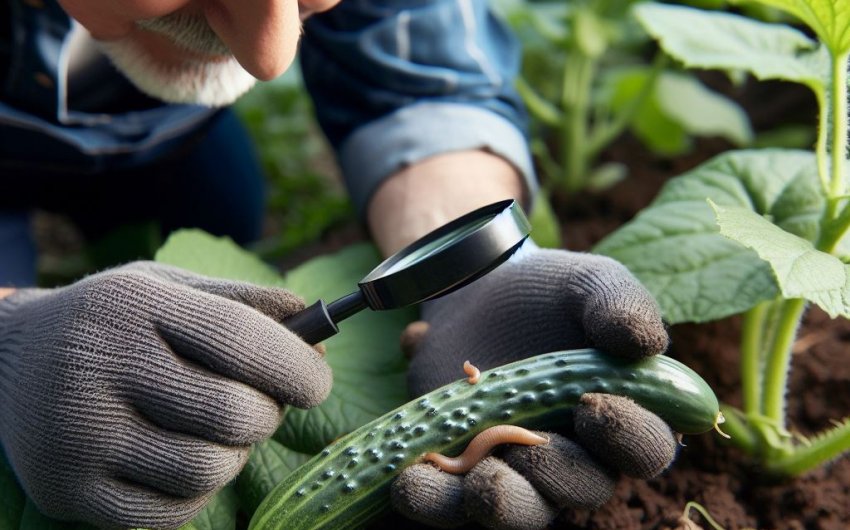
You walk out to your garden, excited to check on your thriving cucumber plants, only to find tell-tale slime trails glinting in the morning sun. A quick inspection reveals tiny holes in the leaves, maybe even bite marks on a developing cucumber. The culprit? Slugs. These slimy, nocturnal pests can wreak havoc on tender young plants and maturing vegetables, and your delicious cucumbers are unfortunately high on their menu.
Finding slugs on your precious plants can be frustrating, especially when you've put so much effort into nurturing them. But don't despair! There are many effective and eco-friendly ways to manage slugs without resorting to harsh chemicals that could harm your garden, pets, or the environment. It's all about understanding these creatures and using that knowledge to your advantage.
Why Are Slugs Attracted to Cucumber Plants?
Slugs are notorious garden pests, and they seem to have a particular fondness for cucumber plants. It's not just bad luck; there are specific reasons why your cucumbers might be a prime target for these slimy invaders. Understanding their preferences helps you develop more effective control strategies.
Think about what slugs need to thrive: moisture, shelter, and easy access to tender, delicious food. Cucumber plants often provide the perfect combination of these elements, making them an irresistible buffet.
Tender Leaves and Soft Fruits
One of the biggest reasons slugs love cucumber plants is their menu preferences. Slugs are essentially tiny, slow-moving eating machines, and they prefer soft, tender plant material that's easy to chew through.
- Young Cucumber Leaves: The new, unfurling leaves of cucumber plants are particularly appealing. They are delicate and haven't developed tough outer layers, making them easy for a slug's radula (a ribbon-like tongue with rows of tiny teeth) to scrape away. This is why you often see small, irregular holes or ragged edges on the lower leaves of your cucumber plants.
- Developing Cucumbers: As cucumbers begin to form and ripen, their skin is still quite soft, especially when they are young. Slugs will happily munch on these, leaving behind unsightly gouges or pits. This can ruin the fruit for harvest, even if the plant itself survives. The damage on the fruit is especially frustrating because it directly impacts your yield.
- Moisture Content: Cucumber plants are known for their high water content, both in their leaves and especially in their fruits. Slugs need a lot of moisture to survive and move around, and juicy plants like cucumbers provide both food and a source of hydration.
This preference for soft, moist, and tender growth makes cucumber plants a prime target for slugs, especially during periods of high humidity or after rainfall.
Moist and Shady Environment
Slugs are highly dependent on moisture for survival. They don't have a protective shell like snails, so their soft bodies are very prone to drying out. This means they are most active in moist conditions and seek out shady, damp spots during the day to avoid the sun's drying rays.
- Cucumber Plant Canopy: As cucumber plants grow, their large leaves often form a dense canopy close to the ground. This creates a naturally moist and shady environment underneath, which is exactly what slugs love. It's a perfect hiding spot for them during daylight hours.
- Mulch and Ground Cover: Many gardeners use mulch around cucumber plants to help retain soil moisture, suppress weeds, and keep the soil temperature even. While mulch is beneficial for plants, it also creates an ideal damp hiding place for slugs. The combination of the plant's shade and the mulch's moisture is a five-star hotel for these pests.
- Watering Practices: Frequent watering, especially overhead watering that keeps foliage wet, can also contribute to the moist conditions that slugs prefer.
The very conditions that help your cucumber plants thrive (lush growth, mulch, consistent moisture) inadvertently create a perfect habitat for slugs. This is why knowing how to manage these environmental factors is crucial for slug control.
Easy Access to the Ground
Unlike many other garden pests that might fly or jump, slugs are ground-dwellers. They move by secreting a layer of slime and gliding along surfaces. This means they need easy access to their food source from the ground level.
- Ground-Hugging Growth: Cucumber plants, especially bush varieties or vining types that aren't trellised, tend to spread out along the ground. This brings their tender leaves and developing fruits directly into the slug's natural foraging zone. There's no climbing involved, just a short, slimy commute from their damp hiding spots directly to your plants.
- Low-Lying Leaves: Even vining cucumbers that are trellised often have lower leaves that touch or are very close to the soil. These initial points of contact are easy targets for slugs emerging from the soil or from under nearby mulch.
- Ideal Habitat Underneath: The areas directly beneath and around cucumber plants – often damp from watering and shaded by leaves – provide ideal daytime hiding spots. From these concealed locations, slugs can easily emerge at night to feed on the accessible foliage and fruits.
Because slugs don't have to navigate complex vertical structures or sturdy stems to reach cucumber plants, the plants become highly vulnerable targets. This ease of access, combined with the ideal moisture and food, solidifies cucumber plants as a favored dining spot for slugs.
How to Get Rid of Slugs on Cucumber Plants (Non-Chemical Methods)?
Finding slugs on your cucumber plants doesn't mean you need to reach for harsh chemicals right away. There are many effective and eco-friendly methods to get rid of these pests, keeping your garden safe for beneficial insects, pets, and your family. These methods focus on physical removal, creating barriers, trapping, and encouraging natural predators.
The best approach often involves using a combination of these techniques to create an environment that's less welcoming to slugs and more protective of your plants. Let's explore some of the most popular and successful non-chemical slug control strategies.
Hand-Picking Slugs
This is the most direct and often surprisingly effective method, especially for smaller infestations or when you want immediate results. It's a bit gross for some, but it works!
- When to Do It: Slugs are primarily nocturnal, meaning they are most active at night. The best time to hand-pick them is in the evening, right after dark, or early in the morning before the sun gets too strong and they retreat to their hiding spots. A flashlight will be your best friend.
- How to Do It:
- Gather Supplies: You'll need a pair of gardening gloves to protect your hands and a container with a lid. Inside the container, put a small amount of salty water or soapy water (a few drops of dish soap in water) – this will humanely dispatch the slugs.
- Inspect Thoroughly: Carefully examine your cucumber plants, especially the undersides of leaves and around the base of the plant. Also, check nearby mulch, stones, or damp areas.
- Pick and Drop: Grab each slug (with gloves on!) and drop it into your container of salty or soapy water. The salt quickly dehydrates them, or the soap breaks down their protective slime layer.
- Consistency is Key: This method works best with consistent effort. Do it every night or every few nights for a week or two, and you'll notice a significant reduction in their numbers and plant damage.
While it's a bit hands-on, hand-picking slugs is a safe, chemical-free way to immediately reduce the slug population directly on your cucumber plants. It's a basic but powerful step in integrated pest management. You can find comfortable gardening gloves for women or gardening gloves for men online.
Beer Traps
Beer traps are a classic and surprisingly effective way to lure and drown slugs. They are attracted to the yeast and fermenting sugars in beer, viewing it as an irresistible treat.
- How to Set Up:
- Choose a Container: Use a shallow dish, jar lid, or a cut-off bottom of a plastic bottle. There are also specific slug beer traps designed for this purpose.
- Bury It: Dig a small hole near your cucumber plants so that the rim of the container is level with the soil surface. This allows slugs to easily crawl in.
- Fill with Beer: Pour in a small amount of inexpensive beer. Any type of regular beer will work; you don't need fancy craft brews.
- Placement: Place multiple traps around the affected area if you have a large infestation.
- Maintenance:
- Check Daily: Inspect your beer traps daily. You'll likely find deceased slugs and possibly snails.
- Empty and Refill: Discard the contents (you can compost the slugs if you want, as they are organic matter) and refill with fresh beer every day or two, or when the beer gets diluted by rain.
Beer traps are an excellent non-toxic way to capture and eliminate a significant number of slugs, especially at night when they are most active. They draw slugs away from your precious cucumber plants.
Creating Barriers
Slugs need a smooth, moist surface to glide across. By creating physical barriers around your cucumber plants, you can make it difficult, if not impossible, for them to reach your precious crops. This method works by deterring them rather than killing them.
Here are some effective barrier materials:
- Copper Tape: Slugs and snails get a mild electric shock (similar to static electricity) when they try to cross copper. Apply a strip of copper slug tape around the base of your raised garden beds or directly around individual cucumber plants (if they are not too spread out). Ensure the tape is clean and unbroken for it to be effective.
- Diatomaceous Earth (Food Grade): This is a fine powder made from the fossilized remains of diatoms (tiny aquatic organisms). It feels soft to us, but to slugs and other soft-bodied insects, it's like razor-sharp glass. It scratches their protective outer layer, causing them to dehydrate.
- Sprinkle a continuous ring of food-grade diatomaceous earth around the base of your cucumber plants.
- Important: It loses its effectiveness when wet, so you'll need to reapply after rain or heavy watering. You can find food grade diatomaceous earth for garden use.
- Crushed Eggshells: While not as sharp as diatomaceous earth, the jagged edges of crushed eggshells can be irritating and uncomfortable for slugs to crawl over.
- Crush eggshells very finely and sprinkle them in a wide band around your plants.
- Tip: Rinse and dry your eggshells thoroughly before crushing them.
- Sand or Ash: A thick, abrasive band of coarse sand or wood ash (from untreated wood) can also deter slugs, as they don't like crossing rough, drying surfaces. However, wood ash can affect soil pH, so use it sparingly and test your soil.
When creating barriers, ensure they are continuous and wide enough that slugs can't simply reach over or burrow under them. Reapply after rain or heavy watering if using materials that lose effectiveness when wet.
Encouraging Natural Predators
One of the best long-term, eco-friendly slug control strategies is to invite their natural enemies into your garden. If you create a welcoming habitat for these beneficial creatures, they'll do the work of keeping slug populations in check for you.
Here are some key natural predators of slugs and how to attract them:
- Birds: Many common garden birds, like thrushes, blackbirds, robins, and starlings, love to eat slugs.
- How to Attract: Provide fresh water (a bird bath like this solar powered bird bath), safe nesting sites (dense shrubs or trees), and avoid using pesticides that could harm their food sources or themselves.
- Frogs and Toads: These amphibians are voracious eaters of slugs and other garden pests.
- How to Attract: Create a small pond or a moist, shady area with rocks and logs where they can hide during the day. Avoid using chemicals in your garden, as their skin absorbs everything.
- Ground Beetles: These nocturnal beetles are fierce predators of slugs and their eggs.
- How to Attract: Provide ground cover like stones, logs, or mulch (but manage the slug problem first!). Avoid tilling your soil too much, as this can disturb their habitat.
- Hedgehogs (if common in your area): These adorable nocturnal creatures are slug-eating machines.
- How to Attract: Provide safe passage into your garden (no impenetrable fences), a source of water, and a quiet, undisturbed area for nesting (like a log pile or a hedgehog house).
- Ducks (specifically Indian Runner Ducks): If you have a larger property and can manage poultry, ducks are incredibly effective at slug control without damaging plants (unlike chickens).
- How to Use: Allow them to free-range in the garden for short periods, especially in the morning.
By fostering a diverse and healthy garden ecosystem, you create a natural balance that helps keep slug populations down, reducing your reliance on direct intervention.
Improve Garden Sanitation and Airflow
A clean and tidy garden is less appealing to slugs. They thrive in damp, cluttered environments where they can hide during the day. Improving garden sanitation and ensuring good airflow around your cucumber plants can significantly reduce their numbers.
- Remove Hiding Spots:
- Clear Debris: Regularly remove old leaves, fallen fruit, weeds, and other plant debris from around your cucumber plants and throughout the garden. These are perfect daytime hiding spots for slugs.
- Trim Low Leaves: For vining cucumber plants, consider carefully trimming some of the lowest leaves that touch the ground, especially if they are not actively photosynthesizing. This reduces ground contact and removes potential hiding spots.
- Manage Mulch: While mulch is beneficial, apply it in a thinner layer directly around the plant base (or pull it back slightly) to reduce excessive dampness. Consider coarser mulches like straw rather than fine wood chips directly at the plant crown, if slugs are a severe issue.
- Improve Airflow:
- Space Plants Properly: When planting, ensure your cucumber plants have enough space between them for good airflow. Overcrowding leads to stagnant, humid conditions that slugs love.
- Trellising: For vining cucumber plants, trellising them vertically is a game-changer. It lifts the leaves and fruits off the ground, greatly reducing slug access and improving airflow around the plant. This also makes the plants healthier and fruits cleaner. A sturdy cucumber trellis net or a heavy duty garden trellis can make a huge difference.
- Pruning: Regularly prune any dense, inner foliage of your cucumber plants (or other plants) that might be trapping excessive humidity.
A clean, open, and well-ventilated garden environment makes it harder for slugs to find the damp, sheltered conditions they need to survive, forcing them to move elsewhere.
Are There Any Organic Products for Slug Control?
While focusing on non-chemical methods is great, sometimes you might need a little extra help, especially with a persistent slug problem. Thankfully, there are several organic products available that are safe for your eco-friendly garden and won't harm beneficial insects, pets, or wildlife when used as directed. These products offer targeted control without resorting to harsh synthetic chemicals.
When choosing an organic slug control product, always read the label carefully to ensure it's certified for organic gardening and follow the application instructions precisely.
Iron Phosphate Baits
Iron phosphate baits are widely considered one of the safest and most effective organic slug control products. They are specifically designed to attract and eliminate slugs and snails without harming other garden creatures.
- How it Works: Iron phosphate is a naturally occurring compound. When slugs eat the bait containing iron phosphate, it interferes with their digestive system, causing them to stop feeding. They then crawl away to hide and eventually die within a few days. It's a targeted and relatively humane method.
- Safety:
- Safe for Pets and Wildlife: Unlike older, highly toxic metaldehyde baits, iron phosphate baits are generally safe for pets, birds, and other wildlife. If a pet accidentally ingests a small amount, it's unlikely to cause serious harm, though large quantities might lead to an upset stomach. Always choose products explicitly labeled as "pet and wildlife friendly."
- Organic Certified: Many iron phosphate baits are certified for organic gardening, meaning they meet strict standards for natural and sustainable use.
- How to Apply:
- Sprinkle Evenly: Sprinkle the pellets evenly around the base of your cucumber plants or in areas where you've seen slug activity.
- Avoid Piling: Do not pile the pellets, as this can make them more attractive to pets or create too high a concentration.
- Reapply After Rain: The pellets break down in moisture, so reapply after heavy rain or extensive irrigation.
- Brands to Look For: Popular and reliable organic slug baits include Sluggo Plus (which also targets earwigs and cutworms) or regular Sluggo.
Iron phosphate baits are an excellent choice for targeted slug control when other methods aren't enough, offering an organic and safe solution for your garden.
Nematodes (Biological Control)
For a more advanced and highly effective organic slug control method, especially in larger gardens or if you have persistent issues, consider using nematodes. These are microscopic, beneficial roundworms that naturally occur in soil and are parasitic to slugs (and some other pests).
- How it Works: The specific nematode species used for slug control is Phasmarhabditis hermaphrodita. When applied to the soil, these tiny worms seek out slugs (and snails). They enter the slug's body and release bacteria that cause an infection, leading to the slug's death within a few days. The nematodes then reproduce inside the dead slug, and the new generation emerges to find more hosts.
- Safety:
- Highly Specific: These nematodes are highly specific to slugs and snails. They are completely harmless to plants, humans, pets, birds, earthworms, and other beneficial insects. This makes them incredibly eco-friendly and safe.
- Organic Certified: Nematodes are a form of biological control and are widely approved for organic gardening.
- How to Apply:
- Timing: Apply when soil temperatures are above 5°C (41°F) and the soil is moist. Evening or overcast days are best.
- Mix and Water: The nematodes come as a powder or gel that you mix with water. Then, you simply water this solution into the soil around your cucumber plants and other affected areas using a watering can or sprayer.
- Keep Soil Moist: The soil must remain moist for at least a week after application for the nematodes to move effectively and find slugs.
- Storage: Nematodes are living organisms, so they have a limited shelf life and often need to be refrigerated until use. Use them soon after purchase.
- Availability: You typically buy slug control nematodes online or from specialized garden centers. You can find beneficial nematodes for slugs from various suppliers.
Nematodes offer a powerful, natural, and long-lasting solution for slug problems, working below the soil surface to tackle the source of the infestation without any chemical residues.
Diatomaceous Earth (Revisited)
While mentioned as a physical barrier, Diatomaceous Earth (DE) can also be considered an organic product for slug control due to its direct impact on their bodies.
- How it Works (as a product): When a slug crawls over food-grade diatomaceous earth, the microscopic, razor-sharp particles scratch its waxy outer layer, causing the slug to dehydrate and eventually die. It works by physical action, not chemical.
- Safety:
- Food-Grade Only: It's crucial to use food-grade diatomaceous earth for garden applications. Industrial-grade DE (used in pool filters) is calcined and can be harmful if inhaled.
- Safe for Mammals/Pets: Food-grade DE is harmless to mammals and pets because their digestive systems are different from insects. If ingested, it simply passes through.
- Impact on Beneficials: While safe for mammals, it can harm other soft-bodied insects like beneficial predatory beetles or earthworms if they crawl through large amounts. This is why it's best used as a targeted barrier around plants rather than broadcast widely.
- How to Apply:
- Dry Conditions: Diatomaceous earth is only effective when completely dry. Reapply a continuous, generous ring around your cucumber plants after rain or heavy watering.
- Use a Duster: A powder duster for gardens can help you apply it evenly and thinly.
- Targeted Use: Focus on the areas directly around the plants where slugs are entering.
Diatomaceous Earth is an effective and organic way to create a lethal barrier for slugs, provided you can keep it dry and use the correct food-grade type.
What Are Some Long-Term Prevention Strategies?
Dealing with slugs is often a continuous battle, but by implementing smart, long-term prevention strategies, you can significantly reduce their presence in your garden and protect your cucumber plants for seasons to come. These strategies focus on creating an environment that naturally discourages slugs rather than just reacting to infestations.
Think about making your garden less hospitable to slugs from the ground up. It’s about building a resilient ecosystem that makes it harder for them to thrive.
Improve Soil Drainage
Slugs absolutely love moist conditions. Soil that drains poorly and remains constantly wet creates an ideal environment for them to hide, reproduce, and move around easily. Improving your soil drainage can go a long way in making your garden less appealing to these pests.
- Why it Helps:
- Reduces Surface Moisture: Well-draining soil means less standing water on the surface and less overall dampness, forcing slugs to seek moisture elsewhere or dry out.
- Less Hiding Spots: Without consistently wet soil, the top layer of soil becomes less hospitable for slugs to burrow into for daytime refuge.
- Healthier Roots: Good drainage is also vital for the health of your cucumber plants themselves, preventing root rot and other fungal diseases.
- How to Improve Drainage:
- Add Organic Matter: Incorporate plenty of organic matter into your garden soil. Materials like compost (which you're making with that stale cereal!), aged manure, or well-rotted leaf mold can dramatically improve soil structure. In clay soils, it helps break up dense clumps, creating air pockets for water to move through. In sandy soils, it improves water retention while still allowing excess water to drain.
- Raised Beds: If you have very heavy clay soil that struggles with drainage, consider planting your cucumber plants in raised garden beds. These provide excellent drainage because the soil within them is typically lighter and more aerated, and they lift the plants above the wet ground. You can find many types of raised garden bed kits that are easy to assemble.
- Avoid Compaction: Don't walk on your garden beds, especially when the soil is wet, as this can compact the soil and reduce drainage.
By ensuring your soil drains well, you reduce the overall moisture level that slugs depend on, making your garden a less attractive home for them.
Strategic Watering
How and when you water your cucumber plants can have a big impact on slug activity. Remember, slugs are highly dependent on moisture and prefer to move and feed in damp conditions.
- Water in the Morning: Instead of watering in the evening, water your cucumber plants in the morning. This allows the foliage and top layer of soil to dry out before nightfall, when slugs become most active. If the ground surface is dry when they emerge, it makes it much harder and less appealing for them to move around.
- Water the Base of Plants (Drip Irrigation/Soaker Hoses): Avoid overhead watering, which wets the entire plant and the surrounding soil surface. Instead, direct water only to the base of the plants, where the roots need it.
- Drip irrigation systems are ideal as they deliver water slowly and directly to the root zone, keeping the foliage and the surrounding soil surface dry. A basic drip irrigation kit for gardens can be a good investment.
- Soaker hoses also work well, slowly weeping water into the soil without spraying leaves. You can find durable soaker hoses in various lengths.
- Water Deeply, Less Frequently: Instead of frequent, shallow watering, water less often but more deeply. This encourages the plant roots to grow deeper, making them more resilient, and allows the topsoil to dry out between waterings, creating a less inviting environment for slugs.
By being mindful of your watering practices, you can reduce the surface moisture that slugs rely on, making your garden a less welcoming place for them to roam.
Choose Slug-Resistant Varieties (When Possible)
While no cucumber plant is truly 100% slug-proof (they'll eat anything if they're hungry enough!), some varieties might be less appealing to slugs than others. This is a subtle prevention strategy that focuses on making your plants a less desirable meal.
- Rougher or Hairier Leaves: Slugs prefer tender, smooth leaves. Some cucumber varieties or other plants have rougher, tougher, or slightly hairy leaves that are less palatable to slugs. While this isn't a guarantee, it can make them a second choice for hungry slugs.
- Faster Growth: Strong, fast-growing plants can sometimes outgrow slug damage. If your cucumber plants establish quickly and put on vigorous growth, they might be able to withstand some nibbling better than weaker, slower-growing plants.
- Vertical Growth (Trellising): While not a slug-resistant variety per se, choosing vining cucumber varieties that can be trellised (rather than bush varieties) lifts the leaves and developing fruits off the ground. This significantly reduces slug access and makes your plants naturally less vulnerable to ground-dwelling pests. Always select a good cucumber trellis for vertical growth.
When selecting cucumber seeds or seedlings, do a little research into variety characteristics. While direct slug resistance isn't always listed, sometimes descriptions like "vigorous grower" or "hearty leaves" can be an indirect indicator. Combining this with trellising will give your cucumbers the best chance.