
Can mulching help reduce slug problems in cucumber beds?
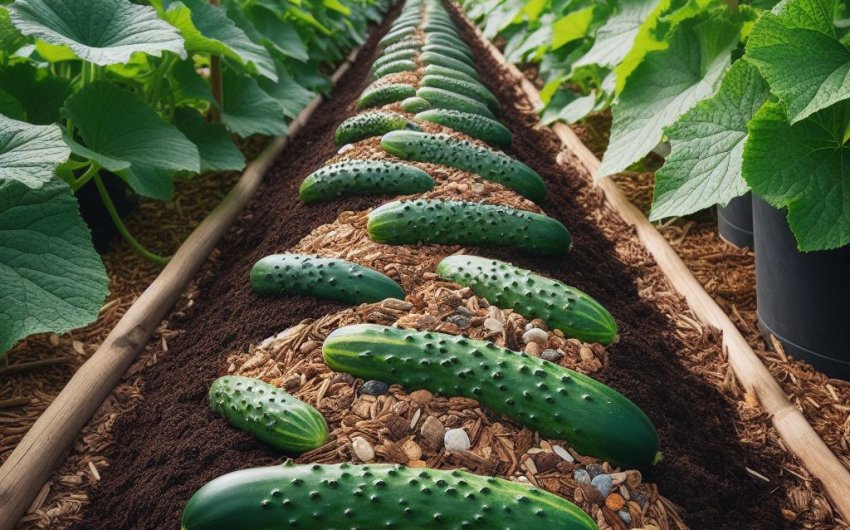
Why Are Slugs Such a Problem for Cucumber Plants?
If you've ever tried to grow fresh, crisp cucumbers in your garden, you might have run into a slimy, unwelcome guest: the slug. These soft-bodied creatures can quickly turn your dreams of a bountiful harvest into a nightmare of chewed leaves and damaged fruit. Slugs are notorious garden pests, especially for plants that grow low to the ground or have tender leaves, and cucumbers fit that description perfectly. Understanding why slugs love cucumber beds is the first step in finding ways to protect your precious plants. They are truly a gardener's bane when it comes to these vining vegetables.
What Attracts Slugs to Cucumber Beds?
Slugs have a few key needs that cucumber beds often provide perfectly:
- Moisture: Slugs are essentially sacs of water, and they need a very moist environment to survive. They lose water easily, so they are most active at night or on damp, cloudy days. Cucumber beds, especially those that are well-watered, offer the ideal humid conditions that slugs crave. The dense foliage of cucumber plants also creates a shady, moist microclimate underneath.
- Shade: During the day, slugs hide from the sun to prevent drying out. The large leaves and vining habit of cucumber plants provide plenty of shady spots for them to rest during daylight hours.
- Food Source: Slugs are not picky eaters, but they especially love tender, young plant growth and ripening fruits. Cucumber leaves are soft and easy for them to chew, and the developing cucumbers themselves, especially those touching the ground, are a tempting feast. They can munch through seedlings overnight or leave unsightly holes in maturing fruit.
- Shelter: Besides shade, the sprawling vines and thick foliage of cucumber plants offer excellent hiding places and shelter from predators. Any debris or decaying matter around the plants also provides good cover.
What Kind of Damage Do Slugs Do to Cucumbers?
The damage caused by slugs is usually quite distinctive:
- Irregular Holes in Leaves: Slugs chew irregular holes, often in the middle of leaves, rather than just on the edges. They tend to prefer younger, more tender leaves.
- Slime Trails: This is the tell-tale sign of slug activity. Silvery, shiny trails left on leaves, stems, soil, and even the developing fruit.
- Chewed Fruit: Slugs can chew holes or gouges directly into the developing or ripening cucumbers, making them unsightly and sometimes inedible. This is particularly frustrating after all your effort in growing them.
- Damaged Seedlings: Young cucumber seedlings are very vulnerable. A few slugs can completely devour a row of newly sprouted plants overnight, setting back your entire growing season.
Understanding these preferences and the damage they inflict is essential before exploring solutions like mulching to protect your cucumber plants.
What is Mulching and How Does It Work in a Garden?
Mulching is one of the oldest and most beneficial practices in gardening. It involves putting a layer of material on top of the soil around your plants. This layer isn't just for looks; it works wonders for your soil and plants, and it can play a surprising role in managing pests like slugs. Think of it as a protective blanket for your garden beds.
What Materials Can Be Used for Mulch?
Mulch comes in two main types: organic and inorganic. For cucumber beds and slug control, organic mulches are usually more relevant.
- Organic Mulches: These are materials that were once alive and will eventually break down, adding nutrients to your soil.
- Wood Chips: Shredded bark or wood chips are very popular. They are long-lasting and great for pathways or around perennial plants. For cucumber beds, finer chips or shredded bark are better. You can find Organic Cedar Mulch.
- Straw: Clean, weed-free straw (not hay, which often contains weed seeds) is excellent for vegetable gardens. It's light, easy to apply, and breaks down relatively quickly, adding organic matter.
- Shredded Leaves: Fallen leaves from deciduous trees are free and plentiful. Shredding them before applying helps them stay in place and break down faster.
- Compost: Finished compost itself can be used as a mulch, enriching the soil as it works.
- Grass Clippings: Fresh grass clippings should be applied in very thin layers (no more than an inch thick) to prevent matting and smelling.
- Inorganic Mulches: These materials do not break down and don't add nutrients to the soil. Examples include gravel, stones, black plastic sheeting, or landscape fabric. While useful in some contexts (like preventing weeds around permanent shrubs), they aren't typically used directly around moisture-loving plants like cucumbers for slug control.
How Does Mulching Benefit Your Garden?
Mulching offers a multitude of benefits for your cucumber beds and overall garden health:
- Weed Suppression: A good layer of mulch blocks sunlight from reaching weed seeds, preventing them from sprouting. This means less weeding for you!
- Moisture Retention: Mulch acts like a sponge, holding moisture in the soil and reducing evaporation. This means you'll need to water your cucumber plants less often, which is a big time-saver.
- Temperature Regulation: Mulch insulates the soil. It keeps the soil cooler in summer (protecting delicate roots) and warmer in winter (though not typically needed for cucumbers, which are warm-season plants).
- Soil Health Improvement: As organic mulches break down, they add valuable organic matter to the soil. This improves soil structure, aeration, drainage, and fertility over time.
- Erosion Control: Mulch protects the soil surface from the impact of heavy rain, preventing erosion and keeping valuable topsoil in place.
- Keeps Fruit Clean: For vining plants like cucumbers that grow on the ground, a layer of mulch keeps the developing fruit from direct contact with the soil, reducing rot and keeping them cleaner.
These benefits make mulching an indispensable tool for any gardener, and its role in slug control is an added bonus worth exploring.
Can Mulch Create a Better or Worse Environment for Slugs?
This is where the topic gets a bit tricky, and why the question of whether mulching helps with slugs isn't a simple yes or no. The type of mulch you use and how you apply it can either make your cucumber beds more inviting to slugs or less so. Understanding this nuance is key to using mulching as a tool for slug control.
How Mulch Can Be Problematic for Slugs (Indirectly)
Some types of mulch, or certain ways of using it, can actually deter slugs:
- Dry, Coarse Mulches (as a barrier): Slugs don't like to crawl over sharp, dry, or dusty surfaces. Materials like crushed eggshells, coarse sand, diatomaceous earth (DE), or even fresh wood ash (use very sparingly and avoid directly on plants as it raises soil pH) can act as a physical barrier.
- Limitation: These only work when dry. Once they get wet, they lose their abrasive quality and are less effective. So, for a moist cucumber bed, this might not be a long-term solution. A thin layer of Diatomaceous Earth Food Grade can be effective around the base of plants when dry.
- Increasing Diurnal Temperature Swings: Some mulches, like light-colored straw, might allow the soil surface to dry out more between waterings, creating a less consistently moist habitat for slugs during the day.
- Promoting Beneficial Predators: A healthy, mulched garden can attract natural predators of slugs, such as ground beetles, toads, and birds. However, this is a long-term effect of overall garden health, not a direct slug deterrent of the mulch itself.
How Mulch Can Be Problematic for Slugs (Directly)
Unfortunately, many common organic mulches, when applied incorrectly or chosen poorly for slug-prone areas, can create an ideal environment for slugs:
- Retaining Moisture: This is the primary reason. Slugs need constant moisture. Many mulches, particularly those that are finely shredded or applied too thickly, excel at retaining soil moisture. This creates the damp, cool, shady conditions that slugs absolutely love for hiding during the day and for easy travel at night.
- Providing Shelter: A thick, loose layer of mulch offers excellent hiding spots and daytime refuges for slugs. They can burrow down into the mulch layer to escape the sun and then emerge at night to feed.
- Decomposition as Food: As organic mulches begin to break down, they can also provide a supplemental food source for slugs, especially if there's decaying vegetation within the mulch.
The Bottom Line: It Depends on the Mulch and Application!
For cucumber beds, where moisture is already needed for the plants and slugs are a common problem, the choice and application of mulch become critical. If you use a very moisture-retentive mulch applied thickly right up to the stems of your cucumber plants, you are likely creating a slug haven. The key is to be strategic in your mulching approach.
What Types of Mulch Are Best for Reducing Slug Problems?
Since conventional mulches can sometimes make slug problems worse by creating a moist, shady haven, choosing the right type of mulch and applying it strategically is crucial for slug control in your cucumber beds. The goal is to provide the benefits of mulching without inadvertently inviting a slug party.
1. Straw (The Best Option for Cucumbers and Slugs)
- Why it's Good: Clean, weed-free straw (not hay, which can have weed seeds) is often considered one of the best mulches for cucumber beds, especially when dealing with slugs.
- Light and Airy: Straw is lighter and less dense than many other mulches. This means it allows for better air circulation and dries out more quickly on the surface between waterings. Slugs prefer consistently damp environments.
- Less Hiding Spots: Its loose, coarse structure makes it less appealing for slugs to burrow into compared to finely shredded mulches.
- Keeps Fruit Clean: It provides an excellent, clean bed for developing cucumbers to rest on, preventing ground rot and keeping them free from soil.
- How to Use: Apply a 3-4 inch layer of straw around your cucumber plants once they are established. Make sure to keep the straw a few inches away from the base of the plant stems to prevent excessive moisture directly at the crown. You can purchase Straw Mulch for Gardens.
2. Crushed Eggshells (Abrasive Barrier)
- Why it's Good: Slugs dislike crawling over sharp, abrasive surfaces because it can damage their soft bodies. Crushed eggshells provide this physical barrier.
- How to Use: Collect and thoroughly dry your eggshells. Crush them into small, sharp pieces (not powder). Create a ring of crushed eggshells about 1-2 inches wide around the base of each cucumber plant.
- Limitations: This method only works when the eggshells are dry. Once wet (from rain or watering), they lose their sharp edge and effectiveness. This means you might need to reapply after heavy rain. They also break down over time.
3. Diatomaceous Earth (DE) (Desiccant Barrier)
- Why it's Good: Diatomaceous earth is a fine, powdery substance made from the fossilized remains of diatoms (tiny aquatic organisms). On a microscopic level, it's very sharp and absorbent. When slugs crawl over it, it scratches their protective outer layer and absorbs their moisture, causing them to dehydrate.
- How to Use: Apply a thin, even layer of food-grade diatomaceous earth in a ring around your cucumber plants.
- Limitations: Like eggshells, DE only works when completely dry. As soon as it gets wet, it becomes ineffective. This makes it challenging for outdoor use in consistently moist areas or after watering. Reapplication after rain or overhead watering is necessary. Ensure you use food-grade DE if it's near edibles. You can buy Food Grade Diatomaceous Earth.
4. Copper Barriers (Repellent)
- Why it's Good: Slugs react with copper, creating a small electrical charge that deters them. They won't cross a copper barrier.
- How to Use: Create a collar of copper tape or wire around the base of your cucumber plants or around the entire cucumber bed. Make sure there are no gaps for slugs to cross.
- Limitations: Can be more expensive than other options. Only works if slugs cannot bridge the barrier (e.g., from an overhanging leaf). You can use Copper Slug Tape.
While these abrasive or repellent mulches can provide a barrier, straw remains the most practical and beneficial mulch for cucumber beds overall, offering a balance of soil benefits and conditions that are less hospitable for slugs compared to dense, fine mulches.
How Should I Apply Mulch to Reduce Slug Problems?
The way you apply mulch is just as important as the type of mulch you choose when trying to reduce slug problems in your cucumber beds. A strategic application can make a big difference in deterring these slimy pests while still providing all the wonderful benefits of mulching.
1. Prepare the Bed First
Before applying mulch, make sure your cucumber bed is ready.
- Weed: Remove any existing weeds, as these can provide extra hiding spots and food for slugs.
- Water: Water the bed thoroughly before mulching. This locks in the moisture and means you won't need to water again immediately after mulching.
- Clear Debris: Remove any leaves, old plant material, or garden debris that could offer shelter to slugs.
2. Choose the Right Timing
Apply mulch after your cucumber plants are established and have grown a bit. Applying mulch too early, when seedlings are very small, might make it harder for them to grow through, or if too moist, encourage dampening off. Wait until the plants are a few inches tall and healthy.
3. Apply a Moderate Layer
- Depth: For straw mulch in cucumber beds, aim for a layer about 3-4 inches thick. This depth is usually enough to suppress weeds and retain moisture without becoming overly dense and soggy.
- Avoid Excessive Thickness: Don't apply a super thick layer (e.g., 6 inches or more) unless you're trying to really insulate the soil, as this can create a very damp, dark environment that slugs love.
4. Keep Mulch Away from Plant Stems
This is a critical step for slug control.
- Create a "Dry Zone": Leave a bare ring of soil (1-2 inches wide) around the base of each cucumber plant's stem. Do not pile mulch directly against the stem.
- Why? Piling mulch against the stem traps moisture, which can encourage stem rot and provides a direct, moist bridge for slugs to crawl right onto your plant. A dry zone makes it harder for them to reach the plant's tender parts without crossing exposed, drier soil.
5. Monitor and Adjust
- Check Moisture: Regularly check the moisture level under the mulch. While mulch reduces watering frequency, your cucumber plants still need consistent moisture. Water thoroughly when needed.
- Observe Slug Activity: After mulching, keep an eye out for slug trails or damage. If you still see significant slug activity, you might need to try additional slug control methods.
- Rake or Disturb Occasionally: If your mulch (especially straw) becomes very matted or constantly damp, gently rake or disturb the top layer occasionally to allow it to dry out a bit. This makes it less hospitable for slugs.
6. Consider Vertical Growing (Trellising)
While not a mulching technique, growing your cucumbers vertically on a Garden Trellis for Cucumbers significantly reduces slug problems because the fruit and most of the foliage are lifted off the ground, away from the slugs' primary habitat. This means slugs have to work much harder to get to your plants, and any mulch applied to the bed below will primarily benefit the soil, not provide direct access to the plants.
By carefully applying mulch in your cucumber beds, you can enjoy the many benefits of mulching while minimizing the risk of creating a perfect habitat for unwanted slugs.
What Other Methods Can Help Reduce Slug Problems in Cucumber Beds?
While mulching strategically is a great step in slug control, it's rarely a standalone solution. For effective slug management in your cucumber beds, it's best to use a combination of methods. Think of it as an integrated pest management approach, tackling the problem from several angles to protect your delicious harvest.
1. Handpicking (Manual Removal)
- How It Works: This is the most direct method. Slugs are largely nocturnal. Go out into your cucumber beds after dark with a flashlight. They'll be out feeding.
- Tips: Wear gloves. Pick them off the plants and the surrounding soil. Drop them into a bucket of soapy water (they'll drown), or simply crush them.
- Effectiveness: Very effective for small to moderate infestations if done consistently. It can be time-consuming for large gardens. You'll likely need to do this every night for a week or two to make a dent.
2. Beer Traps
- How It Works: Slugs are attracted to the yeast in beer.
- Tips: Bury shallow containers (like tuna cans or plastic yogurt cups) in the soil so the rim is level with the soil surface. Pour a small amount of stale beer into each container. Slugs will crawl in, fall into the beer, and drown.
- Effectiveness: Can be effective, but needs regular emptying and refilling. Place several traps per cucumber bed.
3. Iron Phosphate Bait
- How It Works: This is an organic and pet-safe slug bait. Slugs are attracted to the bait, eat it, and then stop feeding and die within a few days. It's safe for use around pets, wildlife, and edible plants, unlike older metaldehyde baits.
- Tips: Sprinkle the pellets around your cucumber plants or the affected areas, especially in the evening.
- Effectiveness: Very effective and easy to use. Reapply after heavy rain. Look for brands like Sluggo Slug and Snail Bait.
4. Encouraging Natural Predators
- How It Works: Create a garden environment that attracts animals that prey on slugs.
- Tips: Attract birds (with bird baths or feeders), frogs and toads (with small ponds or shady, damp spots like rock piles), ground beetles (by avoiding broad-spectrum pesticides), and even beneficial nematodes (microscopic worms that attack slugs).
- Effectiveness: A long-term, ecological approach that contributes to overall garden balance. You can buy Beneficial Nematodes for Slugs.
5. Improving Garden Hygiene
- How It Works: Removing potential hiding spots and food sources reduces slug populations.
- Tips: Keep your cucumber beds and surrounding areas free of excessive weeds, plant debris, old leaves, and clutter. Clear out any fallen cucumbers or decaying plant matter promptly.
- Effectiveness: Simple, ongoing maintenance that contributes significantly to overall pest control.
6. Adjusting Watering Times
- How It Works: Since slugs love moisture and are active at night, adjust your watering schedule to make your garden less hospitable during their peak activity.
- Tips: Water your cucumber plants in the morning. This allows the foliage and top layer of soil to dry out by evening when slugs become active, making the environment less appealing for them to crawl around.
- Effectiveness: A subtle but helpful change.
By combining careful mulching with these other effective strategies, you can significantly reduce slug problems in your cucumber beds and enjoy a healthier, more productive harvest.
Does Growing Cucumbers Vertically Help with Slug Control?
Yes, absolutely! While it doesn't directly involve mulching, growing cucumbers vertically is one of the most effective strategies for significantly reducing slug problems in your garden. It fundamentally changes the environment for the cucumber plants, making it far less hospitable for these ground-dwelling pests. This method is a game-changer for many gardeners struggling with slugs.
Why Vertical Growing Deters Slugs
- Lifts Plants Off the Ground: This is the main reason. Slugs live and thrive in moist, cool conditions at soil level. When your cucumber plants are vining upwards on a trellis or cage, their leaves, stems, and especially the developing fruit are lifted away from the ground where slugs primarily reside. This cuts off their easy access to their preferred feeding grounds.
- Improves Air Circulation: Vertical growth greatly improves air circulation around the cucumber plants. This helps the foliage dry out more quickly after watering or rain, creating a less humid environment. Slugs dislike dry conditions because they easily dehydrate.
- Reduces Hiding Spots: With the vines growing upwards, there's less dense foliage sprawling on the soil surface to provide slugs with shady, moist hiding spots during the day.
- Keeps Fruit Clean and Visible: Cucumbers grown vertically hang freely, keeping them clean and away from the soil where slugs might chew on them. It also makes it much easier to spot any stray slugs that do make it onto the plant.
How to Grow Cucumbers Vertically
- Choose Vining Varieties: Most cucumber varieties are vining (as opposed to bush varieties). Look for those specifically labeled "vining" or "trellising."
- Provide Strong Support: Cucumber vines can become heavy, especially when laden with fruit. You need a sturdy support structure.
- Trellis: A-frame trellises, vertical mesh trellises, or even cattle panels make excellent support. A Heavy Duty Garden Trellis can last for many seasons.
- Cages: Sturdy, tall tomato cages can work for some vining varieties, but ensure they are robust enough.
- Strings: You can run strong twine or string vertically from an overhead support for the vines to climb.
- Train the Vines: As the cucumber vines grow, gently guide them to climb the trellis or support. They have tendrils that will naturally grasp, but a little guidance helps them get started.
- Plant Spacing: When growing vertically, you can plant cucumbers closer together than if they were sprawling on the ground, maximizing your space.
Combining Vertical Growing with Mulching
You can still use mulch in cucumber beds where plants are growing vertically.
- Benefits: The mulch will still provide all its benefits to the soil: weed suppression, moisture retention, and temperature regulation.
- Slug Impact: Since the plants are off the ground, the mulch layer around the base will primarily benefit the soil and roots, without offering easy access or ideal hiding spots on the plant itself for the slugs.
- Best Mulch for Vertical Growth: Straw mulch remains an excellent choice here. It's light, allows good air exchange, and is easy to work around the base of your trellised plants.
By implementing vertical growing techniques for your cucumbers, you create a fundamentally less appealing environment for slugs, making it one of the most effective long-term solutions for preventing damage to your harvest.