
What time of day are slugs most active in cucumber gardens?
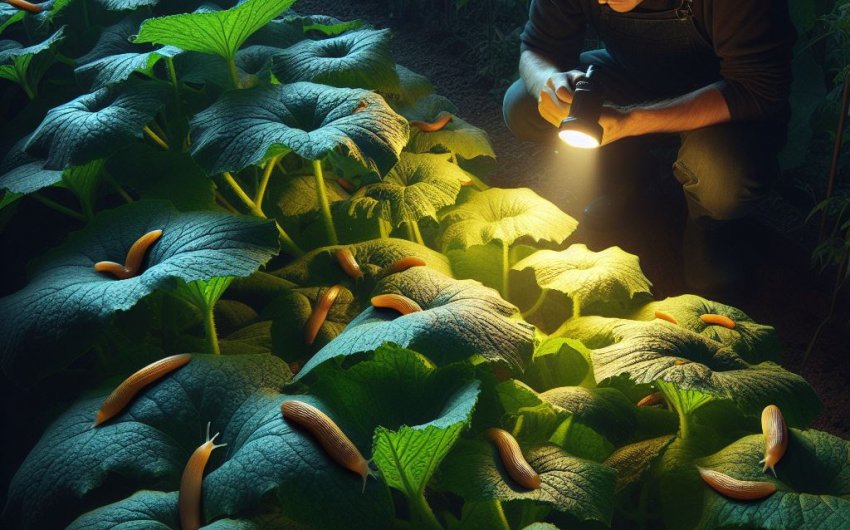
You head out to your garden, excited to check on your thriving cucumber plants. You expect to see lush green leaves and growing fruits. Instead, you're met with a disheartening sight: irregular holes chewed into the leaves, tiny seedlings mysteriously disappearing, and sometimes, even damage on the young cucumbers themselves. The culprits behind this nighttime destruction are often slugs.
These slimy, soft-bodied mollusks can wreak havoc in a garden, especially on tender plants like cucumbers. What makes them so frustrating is their stealthy nature; you rarely see them during the day. So, if you're battling these elusive pests, knowing what time of day are slugs most active in cucumber gardens is the key to effective control. Understanding their daily habits allows you to launch targeted attacks when they're out and about, ready to feed.
This guide will demystify the nocturnal world of slugs in your cucumber patch. We'll pinpoint their peak activity times, explain why they prefer these hours, and provide actionable strategies to manage them. Get ready to outsmart these slimy garden invaders and protect your precious cucumber harvest!
Understanding Slugs: Why They Love Your Cucumber Garden
Before we dive into their daily schedules, let's understand why slugs find your cucumber garden so irresistible. Knowing their preferences helps you anticipate their movements and vulnerabilities.
1. Their Preferred Habitat: Moist, Shady, and Cool
Slugs are incredibly sensitive to their environment, particularly moisture and temperature.
- Moisture is Life: Slugs are largely made of water (about 80%), and they lose moisture rapidly through their soft skin. They need a consistently moist environment to survive and move around easily. Dry conditions will quickly dehydrate and kill them.
- Shade and Shelter: During the day, slugs retreat to cool, dark, and damp places to hide from the sun and heat. They'll hide under leaves, mulch, rocks, fallen logs, garden debris, or even in cracks in the soil.
- Temperature Preference: They prefer cooler temperatures, generally thriving between 50-70°F (10-21°C).
2. Their Diet: Tender Plants are a Feast
Slugs are generalist feeders, meaning they'll eat a wide variety of plant material. However, they have a particular fondness for soft, tender foliage, which makes cucumber plants a prime target.
- Cucumber Leaves: Young cucumber leaves, seedlings, and the delicate growing tips are especially appealing to slugs. They chew irregular holes with smooth edges.
- Young Cucumbers: As cucumbers begin to form, slugs can also rasp on the skin of the young fruits, leaving shallow, unsightly gouges or holes that can make the fruit unmarketable or prone to rot.
- Decaying Organic Matter: While they love fresh plants, slugs also feed on decaying plant matter, fungi, and algae.
3. The Damage They Cause: More Than Just Unsightly Holes
The damage from slugs in cucumber gardens can be significant:
- Defoliation: In severe infestations, slugs can completely defoliate young seedlings, killing them overnight.
- Stunted Growth: Continuous damage to leaves reduces the plant's ability to photosynthesize, leading to stunted growth and reduced yields.
- Fruit Damage: Damage to the cucumber fruits themselves can make them unappealing or cause them to rot prematurely, leading to lost harvest.
- Disease Spread (Potentially): While less common, slugs can potentially spread plant diseases if they move from an infected plant to a healthy one.
4. The Tell-Tale Sign: Slime Trails
The most unmistakable sign of slug activity is their silvery, iridescent slime trail. They leave this mucus behind as they move.
- Where to Find Them: Look for these trails on leaves, stems, soil surfaces, raised bed edges, and even garden paths. They are often most visible in the early morning after dew.
Understanding these aspects of slug behavior and their impact helps set the stage for identifying what time of day are slugs most active in cucumber gardens and how to effectively combat them to protect your precious harvest.
What Time of Day Are Slugs Most Active in Cucumber Gardens? (The Answer!)
If you're seeing slug damage but rarely spot the culprits, it's because these nocturnal nuisances operate on a very specific schedule designed to keep them safe and moist. So, what time of day are slugs most active in cucumber gardens?
The Peak Activity Period: Nighttime and Early Morning
Slugs are primarily nocturnal creatures. Their activity revolves around avoiding direct sunlight and dry conditions.
- Nighttime Feeding (Peak Activity):
- As dusk falls and temperatures drop, and humidity levels rise, slugs emerge from their daytime hiding spots.
- Their skin is sensitive to drying out, so the cool, moist air of the night provides the perfect conditions for them to move around freely and feed.
- They will actively travel across your garden beds, seeking out tender young plants and leaves. This is when the majority of feeding damage occurs.
- Early Morning Retreat:
- Their activity often continues into the early morning hours, particularly if there's dew on the plants or the air is still cool and damp.
- As the sun begins to rise and temperatures increase, they will retreat back to their moist, shady hiding spots (under mulch, rocks, pots, dense foliage, etc.) before the day gets too hot and dry.
- Daytime (Inactive, Unless Overcast/Rainy):
- You will rarely see slugs active during the middle of a sunny day. They are in hiding, conserving moisture.
- Exception: On very overcast, cool, or rainy days, slugs might remain active for longer periods during daylight hours, as the conditions remain favorable for them. Heavy rainfall can bring them out even during the day.
Why This Schedule Matters for Control
Knowing what time of day slugs are most active is crucial for effective control strategies:
- Targeted Inspections: This is when you should conduct your inspections for live slugs. If you go out with a flashlight about 1-2 hours after sunset, you'll likely catch them in the act of feeding.
- Effective Trapping: Traps (like beer traps or slug baits) are most effective when placed in the evening, ready for the slugs' prime feeding time.
- Hand-Picking: This is the best time for hand-picking, as you can physically remove them when they're visible and active.
- Barrier Application: Applying physical barriers like diatomaceous earth is best done when the ground is dry, which typically means in the evening after dew has evaporated, or in the morning after the dew has evaporated, so it doesn't get wet immediately.
In summary, if you want to catch slugs in your cucumber garden, set your alarm for just after sunset or just before dawn. That's when these sneaky, slimy pests are doing their damage, and that's when you'll have the most success in outsmarting them.
Identifying Slug Damage and Presence in Cucumber Gardens
Even if you rarely see the actual culprits, slugs leave behind tell-tale signs in your cucumber garden. Learning to identify this damage and other indicators of their presence is crucial for early detection and effective management.
1. Irregular Holes with Smooth Edges
- Appearance: This is the most classic sign of slug (or snail) damage. You'll see holes chewed into the leaves of your cucumber plants.
- Characteristics: The holes are typically irregular in shape and have smooth, clean edges. This distinguishes them from caterpillar damage, which often leaves ragged or serrated edges, or beetle damage, which might be more uniform.
- Favorite Targets: Young, tender leaves, seedlings, and new growth are particularly vulnerable. A few slugs can wipe out a row of young cucumber seedlings overnight.
2. Damage to Young Cucumbers
- Appearance: As the cucumber fruits begin to form, slugs can crawl onto them and rasp or chew shallow holes, gouges, or depressions into the skin.
- Impact: This damage is unsightly, can introduce rot or fungal diseases, and makes the fruits unmarketable.
3. The Tell-Tale Slime Trails
This is the most definitive evidence of slug (or snail) activity.
- Appearance: Silvery, iridescent, and often dried mucus trails. They look like a shiny, narrow ribbon of dried slime.
- Where to Find Them: Look for these trails on the leaves (top and bottom), stems, soil surface, on the edges of raised beds, on garden paths, and even on nearby rocks or wooden structures.
- When to Look: They are often most visible in the early morning dew or after a light rain, before the sun dries them out.
4. Mysterious Disappearance of Seedlings
- Appearance: You plant a row of cucumber seeds, they sprout beautifully, and then suddenly, entire young seedlings vanish overnight, seemingly eaten down to the ground.
- Why it Happens: Slugs are notorious for devouring young, tender seedlings in a single night. This is often accompanied by tiny slime trails nearby.
5. Chewed Edges on Leaves
- Appearance: Instead of holes in the middle, you might see slugs feeding from the edges of leaves, leaving a scalloped or notched appearance.
6. Presence of Frass (Less Common for Slugs)
- While more common with caterpillars, slugs do produce tiny, dark droppings (frass). If you see these along with slime trails and damage, it further confirms slug presence.
By actively looking for these signs, particularly the irregular holes and the unmistakable slime trails (especially during their peak activity times at night or early morning), you can accurately confirm a slug problem in your cucumber garden and begin to implement effective control strategies.
Non-Toxic Control Strategies for Slugs in Cucumber Gardens
Dealing with slugs in cucumber gardens requires consistency and a multi-pronged approach. Fortunately, many effective control strategies are entirely non-toxic and environmentally friendly, protecting your plants without harming beneficial insects, pets, or humans.
1. Hand-Picking (The Most Effective Method)
- How it Works: Simply pick them off the plants. This is the most direct and satisfying way to reduce slug populations.
- When to Do It: Go out at night (about 1-2 hours after sunset) with a flashlight, or in the early morning while dew is still present. This is when slugs are most active.
- Tools: Wear gardening gloves. You can pick them up directly or use tongs/chopsticks.
- Disposal: Drop them into a bucket of soapy water (they will drown), or relocate them far away from your garden (e.g., a wooded area). Do not just toss them into your compost pile or they might crawl back.
- Frequency: Repeat nightly for a week to significantly reduce populations, then regularly as needed.
2. Trap Cropping and Lure Traps
- Trap Cropping: Plant highly attractive plants that slugs prefer even more than cucumbers nearby. Slugs will flock to these plants, and you can then easily hand-pick them from the trap crop.
- Good Trap Crops: Marigolds (French marigolds especially), lettuce, cabbage.
- Beer Traps: Slugs are notoriously attracted to beer.
- How it Works: Bury shallow dishes (like tuna cans or plastic yogurt cups) so their rims are level with the soil surface near your cucumber plants. Fill with cheap beer.
- Mechanism: Slugs are lured by the yeast, crawl in, and drown.
- Placement: Place them in the evening.
- Maintenance: Check and empty daily, refilling as needed.
- Overturned Citrus Rinds: Place grapefruit or orange rinds upside down (after eating the fruit) near plants. Slugs will hide underneath during the day. In the morning, simply collect the rinds (and the slugs hiding beneath) and dispose of them.
- Wet Newspaper/Cardboard: Lay down wet newspaper or cardboard in the evening. Slugs will hide underneath. Collect and dispose of in the morning.
3. Physical Barriers
Create barriers that slugs don't want to cross.
- Copper Tape: Copper tape creates a mild electric shock when slugs crawl over it.
- Application: Apply 1-inch wide copper tape for slugs around the rims of raised beds or individual pots. Ensure a continuous barrier.
- Effectiveness: Works best for pots or raised beds where slugs can't get over the barrier.
- Diatomaceous Earth (DE): A natural powder made from fossilized diatoms.
- How it Works: The microscopic, sharp edges of DE dehydrate and cut slugs as they crawl over it.
- Application: Sprinkle a continuous line of food-grade diatomaceous earth around susceptible plants or the perimeter of your garden.
- Important: DE is only effective when dry. Reapply after rain or heavy dew.
- Crushed Eggshells: A rough barrier of crushed eggshells can deter slugs as they don't like crawling over sharp edges. Less effective than DE or copper, but free!
4. Improve Garden Hygiene and Habitat Reduction
Make your garden less appealing to slugs.
- Remove Hiding Places: Clear away excess mulch, fallen leaves, garden debris, loose rocks, and rotting wood from around your cucumber plants. This removes their daytime hiding spots.
- Space Plants Properly: Ensure good air circulation between plants. Overcrowded plants create damp, shady conditions that slugs love.
- Morning Watering: Water your cucumbers in the morning rather than the evening. This allows the foliage and topsoil to dry completely before slugs become active at night. Use a soaker hose or drip irrigation to deliver water directly to the roots and keep foliage dry.
- Vertical Growing: Train your cucumbers to grow vertically on a cucumber trellis or stakes. This lifts the tender leaves and fruits off the ground, making them less accessible to slugs.
By combining these non-toxic control strategies, especially timed with their peak activity periods, you can effectively protect your cucumber garden from slug damage and enjoy a bountiful harvest.
Organic Pesticides and Natural Predators for Slug Control
While cultural practices and physical barriers are often enough for slug control in cucumber gardens, sometimes you need a little extra help. There are effective organic pesticides and natural predators that can be part of your integrated control strategies for slugs.
1. Organic Slug Baits (Safe and Effective)
This is one of the most popular and effective organic solutions for slugs.
- Active Ingredient: Iron Phosphate: Look for slug baits where the active ingredient is iron phosphate. Brands like Sluggo, Escar-Go!, and Corry's Slug & Snail Killer often use this.
- How it Works: Slugs are attracted to the bait, ingest the iron phosphate, and then stop feeding and die within a few days.
- Safety: Iron phosphate baits are considered safe for pets, wildlife (birds, beneficial insects), and humans when used as directed. They break down into iron and phosphate, which are natural soil nutrients.
- Application: Sprinkle the bait pellets on the soil surface around your cucumber plants, especially in the evening before slugs become active. Apply according to package directions.
- Important: Avoid traditional slug baits that contain metaldehyde, as these are highly toxic to pets and wildlife. Always read the label carefully! Make sure you're getting an iron phosphate slug bait.
2. Attracting Natural Predators
Encouraging the presence of slug predators can provide long-term, natural control.
- Birds: Birds like robins, thrushes, and starlings love to eat slugs.
- How to Attract: Provide a bird bath and natural habitats (shrubs, trees) in your garden.
- Frogs and Toads: These amphibians are voracious slug eaters.
- How to Attract: Create a moist, shady habitat for them, like a small pond (even a sunken pot) or a log pile.
- Ground Beetles: Some species of ground beetles (especially carabid beetles) are important slug predators.
- How to Attract: Provide ground cover, logs, and stones where they can hide during the day. Avoid broad-spectrum pesticides that could harm them.
- Garter Snakes: These non-venomous snakes also consume slugs.
- Ducks: Certain breeds of ducks (like Khaki Campbells or Indian Runner ducks) are excellent at slug control in larger gardens. They are often used as "pest patrol." (Requires research into duck care and local ordinances.)
3. Neem Oil (Less Direct, More Deterrent)
While neem oil is primarily used for insect pests, it can have a mild deterrent or anti-feeding effect on slugs.
- How it Works: It contains azadirachtin, which can disrupt pest feeding and growth. It won't kill slugs immediately on contact.
- Application: Mix and spray neem oil spray on plant foliage according to package directions. Slugs may avoid plants sprayed with neem.
- Frequency: Apply every 7-10 days, especially during periods of high slug activity.
- Caution: Always test on a small portion of the plant first. Avoid spraying in direct sun.
4. Iron Phosphate Pellet Traps (Combined Approach)
Some products combine the iron phosphate bait with a physical trap.
- How it Works: Lures slugs into a container where they encounter the bait.
- Benefit: Can help contain the bait, making it less accessible to other creatures, though iron phosphate is generally very safe.
Combining these organic pesticide options (especially iron phosphate baits) with strategies that attract natural predators can create a comprehensive and sustainable approach to managing slugs in your cucumber garden, ensuring your plants thrive and produce a healthy harvest.
Long-Term Slug Prevention and a Healthy Cucumber Garden
Successfully managing slugs in your cucumber garden isn't just about quick fixes; it's about adopting long-term strategies that create a less hospitable environment for these pests. A healthy, well-maintained garden is naturally more resilient to problems, and this applies to slugs too.
1. Optimize Your Watering Schedule
This is a recurring theme because it's so important for slug control.
- Morning Watering: Always water your cucumber plants in the morning. This allows the foliage and the top layer of soil to dry out completely before evening, when slugs become active. Watering in the evening or at night creates exactly the moist conditions slugs love.
- Water at the Base: Use a soaker hose, drip irrigation, or a watering can to deliver water directly to the soil around the base of your cucumber plants. This minimizes wetting the leaves and the overall soil surface, making it less appealing for slugs to move around. A soaker hose system is highly efficient.
2. Improve Air Circulation
- Proper Spacing: When planting cucumbers, give them adequate space according to their mature size. Overcrowding creates dense, shady, and humid pockets that slugs love.
- Pruning: As your cucumber plants grow, you can prune some of the lower, older leaves that are close to the ground. This improves airflow, reduces hidden spots, and allows the soil surface to dry more quickly.
3. Maintain Garden Cleanliness
- Remove Debris: Regularly clear away fallen leaves, plant debris, weeds, and any old mulching material that can provide daytime hiding spots for slugs.
- Elevate Pots: If using containers for cucumbers, ensure they are not sitting directly on damp ground or surfaces where slugs can easily crawl underneath.
4. Mulch Wisely (and Choose the Right Kind)
Mulch is usually beneficial, but for slugs, it needs to be managed carefully.
- Type of Mulch: Fine, moist organic mulches (like straw, shredded leaves, grass clippings) can provide excellent hiding spots for slugs. If you have a severe slug problem, you might want to use a coarser, drier mulch or avoid it directly around the plant base.
- Application: If using mulch, keep it pulled back a few inches from the base of your cucumber plants. This creates a dry "no-go" zone for slugs around the stem.
- "Dry" Mulches: Some gardeners use dryer, coarser mulches like wood chips (pulled back from stems) or even sand/gravel directly around the plant base to deter slugs.
5. Rotate Crops
- Why: While not a direct slug deterrent, crop rotation is a fundamental principle of good garden health. It helps manage soil-borne diseases and can reduce pest pressure over time by breaking their life cycles.
6. Boost Soil Health
- Compost: Amending your soil with rich organic compost improves soil structure and promotes a healthy soil ecosystem. While compost itself is organic matter, a well-drained, vibrant soil environment encourages beneficial microbes and organisms that contribute to overall plant health, making them more resilient.
7. Vertical Growing (Highly Recommended for Cucumbers)
- Get Them Off the Ground: Training your cucumbers to grow vertically on a trellis, cage, or stakes is one of the most effective long-term solutions for slugs.
- Benefits:
- Reduced Access: Lifts tender leaves and developing fruits off the ground, making them less accessible to slugs.
- Improved Airflow: Better air circulation around the plants helps dry foliage more quickly.
- Cleaner Fruits: Keeps cucumbers off the soil, preventing rot and direct slug damage.
- Tools: Install a sturdy cucumber trellis or use vertical netting.
By integrating these long-term preventative measures into your regular cucumber garden care, you can create a thriving environment that naturally deters slugs, ensuring a healthy and abundant harvest with minimal damage. It's all about making your garden less like a slug hotel and more like a vibrant, pest-free paradise.