
Creating a Tranquil Retreat: How to Design Your Backyard Oasis
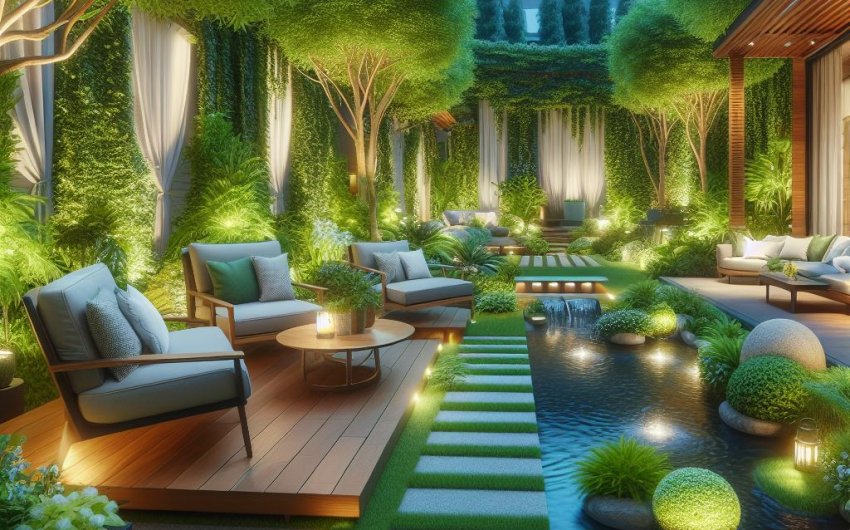
To embark on creating a tranquil retreat and successfully design your backyard oasis, begin by defining your vision for relaxation and carefully assessing your space, privacy needs, and preferred elements of serenity. This guide provides essential design principles and practical tips for transforming your outdoor area into a peaceful and rejuvenating sanctuary.
Why is a Backyard Oasis So Important for Well-being?
A backyard oasis is incredibly important for well-being because it provides a dedicated, accessible space for relaxation, stress reduction, and connection with nature, which are crucial for mental and physical health. It transforms your outdoor area into a personal sanctuary for creating a tranquil retreat.
How Does Outdoor Space Impact Mental and Physical Health?
Outdoor space profoundly impacts mental and physical health, offering numerous therapeutic benefits that contribute to overall well-being. A thoughtfully designed backyard oasis leverages these advantages to create a restorative environment.
- Stress Reduction: Spending time in nature, even a small garden, has been shown to lower cortisol levels (the stress hormone), reduce anxiety, and promote feelings of calm. The visual presence of greenery and natural elements is inherently soothing.
- Mood Enhancement: Exposure to natural light, especially sunlight (which aids in Vitamin D production), can improve mood and combat symptoms of depression. The vibrant colors and fragrances of plants are natural mood boosters.
- Physical Activity: Gardening, even light maintenance in an oasis, encourages gentle physical activity, which is beneficial for cardiovascular health, strength, and flexibility.
- Improved Focus and Cognitive Function: Engaging with nature can improve attention span and cognitive function, helping to reduce mental fatigue.
- Connection to Nature: A backyard oasis provides a vital connection to the natural world, which is increasingly important in urbanized lives. This connection fosters a sense of peace and groundedness.
- Better Sleep: Regular exposure to natural light cycles and physical activity can contribute to healthier sleep patterns.
- Social Connection: A beautiful outdoor space can serve as a welcoming area for connecting with family and friends, fostering social well-being.
By intentionally creating a tranquil retreat, you are investing directly in your mental and physical health.
What are the Key Elements of a Tranquil Retreat?
The key elements of a tranquil retreat are those design components and sensory experiences that evoke peace, relaxation, and a sense of escape from daily stresses. These elements are fundamental to designing your backyard oasis.
- Privacy: A sense of seclusion and protection from outside views and noise is crucial for feeling truly relaxed.
- Soothing Sounds: The gentle murmur of water, soft rustling of leaves, or peaceful birdsong contributes greatly to serenity.
- Comfortable Seating: Inviting and ergonomic seating that encourages lingering and relaxation.
- Sensory Plantings: Plants chosen for their calming colors, pleasant fragrances, and interesting textures.
- Natural Materials: Use of wood, stone, and other natural elements that blend harmoniously with the landscape.
- Soft Lighting: Gentle, ambient lighting that creates a cozy, inviting atmosphere in the evening.
- Personal Touches: Elements that reflect your personality and bring you joy and peace.
- Reduced Clutter: A clean, organized space free from distractions.
- Connection to Nature: Elements that foster a connection with plants, water, and wildlife.
These elements combine to create a harmonious and calming atmosphere, essential for a backyard oasis.
How Can Designing Your Backyard Oasis Reduce Stress?
Designing your backyard oasis can significantly reduce stress by creating a dedicated sanctuary where you can escape daily pressures, connect with nature, and engage in calming activities. It’s a purposeful investment in your mental well-being.
- Sense of Escape: Even a small, thoughtfully designed space can make you feel miles away from urban hustle, providing a mental break.
- Nature Immersion: The presence of plants, the sounds of water, and the visits of birds offer a direct, sensory connection to the natural world, which is inherently calming.
- Dedicated Relaxation Zone: Having a specific area designated for unwinding encourages you to take breaks and prioritize self-care.
- Sensory Soothing: Gentle fragrances from flowers, the sound of a small water feature, and soft textures of plants engage your senses in a positive, calming way.
- Mindfulness: Tending to plants, observing nature, or simply sitting quietly in a beautiful garden encourages mindfulness and present-moment awareness, reducing rumination and anxiety.
- Reduced Clutter and Visual Noise: A well-designed oasis often involves decluttering, creating a visually serene space free from distractions.
- Personal Space: It provides a private outdoor room where you can relax without feeling observed, fostering a sense of security and peace.
By intentionally shaping your outdoor space, you create a powerful tool for stress reduction and personal rejuvenation.
What Are the Foundational Design Principles for a Tranquil Retreat?
To successfully design your backyard oasis and create creating a tranquil retreat, applying foundational design principles is essential. These guidelines provide structure and harmony, ensuring your space is both beautiful and functional.
How Do You Define Your Vision and Purpose?
Defining your vision and purpose is the crucial first step in creating a tranquil retreat, as it establishes the core aesthetic, functional goals, and emotional impact you want your backyard oasis to achieve. Without a clear vision, the design can become disjointed.
- Reflect on "Tranquility": What does "tranquil" mean to you?
- Is it a quiet reading nook? A space for meditation? An area for gentle yoga? A calming dining spot?
- Consider the feeling you want to evoke: peaceful, serene, energizing, meditative, cozy?
- Identify Your Needs:
- Activities: What activities will you do here? (Reading, dining, relaxing, gardening, entertaining small groups?)
- Desired Elements: What elements do you envision? (Water feature, fire pit, specific plants, a cozy bench, a hammock?)
- Aesthetic Preferences: Do you prefer a lush, tropical feel, a minimalist zen garden, a classic cottage garden, or a modern look?
- Gather Inspiration:
- Visuals: Collect images from magazines, Pinterest, or online garden design ideas. Pay attention to colors, textures, materials, and overall mood.
- Visit Gardens: Explore local botanical gardens, nurseries, or public parks that have elements you admire.
- Create a Mood Board: Compile your collected images, colors, and material ideas into a physical or digital mood board. This visual reference will help keep your design cohesive.
- Prioritize: You may not be able to incorporate everything. Prioritize the elements that are most essential to your vision of tranquility.
A clear vision provides the roadmap for designing your backyard oasis, ensuring the final result truly meets your needs for a tranquil retreat.
How Do You Assess Your Current Space and Site Conditions?
Assessing your current space and site conditions is a non-negotiable step when designing your backyard oasis, providing critical information about existing limitations, opportunities, and environmental factors. This practical analysis ensures your design is realistic and successful.
- Measure and Map:
- Draw a Sketch: Create a simple sketch of your backyard, including existing features (house, fence lines, shed, trees, hardscaping).
- Measure Dimensions: Accurately measure the dimensions of the area you want to transform.
- Observe Sun Exposure:
- Track Sunlight: Observe how sunlight moves across your yard throughout the day and across seasons (spring, summer, fall). Note areas of full sun (6+ hours), partial sun (4-6 hours), and full shade (less than 4 hours).
- Impact: This dictates plant selection and placement of seating areas.
- Evaluate Drainage:
- Water Test: After a heavy rain or by watering a section, observe how quickly water drains. Poor drainage can lead to soggy areas and root rot.
- Solution: Identify areas that might need improved drainage (e.g., adding raised beds or amending soil).
- Analyze Soil Type:
- Simple Test: Dig a small hole and feel the soil. Is it sandy, silty, or heavy clay?
- Soil Test (Recommended): Consider a garden soil test kit for accurate pH and nutrient levels, guiding soil amendments.
- Note Existing Features:
- Assets: Identify existing trees, shrubs, pathways, or structures that can be incorporated into the design.
- Liabilities: Note any undesirable elements (e.g., old shed, unsightly fence, noisy AC unit) that need to be screened or removed.
- Consider Utilities: Mark the location of buried utility lines (call 811 before digging).
A thorough site assessment helps you make informed design decisions for your backyard oasis.
What Role Does Privacy and Screening Play?
Privacy and screening play a paramount role in creating a tranquil retreat, as a sense of seclusion is fundamental to feeling relaxed and undisturbed in your backyard oasis. It's about creating your own hidden haven.
- Visual Screening:
- Purpose: Blocks unwanted views (e.g., nosy neighbors, busy streets, unattractive utility boxes).
- Methods:
- Living Walls: Plant tall shrubs, hedges, climbing vines on trellises or pergolas. Fast-growing evergreens provide year-round privacy. A climbing plant trellis can offer quick coverage.
- Fencing: Install solid fencing (wood, composite) or enhance existing fences with extensions or plantings.
- Screens/Panels: Decorative privacy screens made from wood, metal, or bamboo.
- Container Plants: Tall, dense container plants can create movable screens for specific areas.
- Sound Mitigation:
- Purpose: Reduces unwanted noise (traffic, neighbors).
- Methods:
- Water Features: The gentle sound of a bubbling fountain or waterfall can effectively mask or camouflage other sounds.
- Dense Plantings: Thick hedges and layered plantings can absorb some sound.
- Wind Chimes: While not for sound reduction, gentle, melodious wind chimes can add a pleasant auditory element.
- Creating "Rooms": Use screening elements to define separate "rooms" within your backyard oasis, each offering a different level of intimacy or function.
Prioritizing privacy ensures your backyard oasis is truly a secluded and peaceful escape.
What Are Essential Elements for a Sensory Oasis?
To truly achieve creating a tranquil retreat, focusing on essential elements for a sensory oasis engages all five senses, transforming your backyard into a deeply immersive and calming experience. These details enhance relaxation and enjoyment.
How Do You Incorporate Soothing Sounds?
Incorporating soothing sounds is vital for creating a tranquil retreat, as auditory elements profoundly impact our sense of calm and can effectively mask unwanted noise in your backyard oasis.
- Water Features: The most classic and effective method.
- Bubbling Fountains: A small bubbling fountain provides a gentle, consistent gurgle that is highly relaxing and can effectively mask distant sounds.
- Cascading Waterfalls: For a more dramatic effect, a tiered waterfall.
- Bird Baths with Drippers: A bird bath with a dripper kit adds the sound of dripping water and attracts birds.
- Placement: Place water features close to seating areas so their sounds are easily heard.
- Wind Chimes:
- Choose Wisely: Select wind chimes that produce soft, melodious tones rather than clanging or discordant sounds. Bamboo or carefully tuned metal chimes are good choices.
- Placement: Hang where they will catch gentle breezes without being overly loud or intrusive.
- Attract Birds:
- Bird Feeders/Baths: Regularly maintained bird feeders and fresh water in a bird bath will attract birds, whose natural songs contribute to the serene soundscape.
- Native Plants: Planting native shrubs and trees provides food and shelter, encouraging more bird visits.
- Rustling Leaves: Choose plants with leaves that rustle softly in the breeze (e.g., bamboo, aspen, certain ornamental grasses).
- Soft Music (Optional): If you desire, incorporate discreet outdoor speakers for calming, ambient music.
Thoughtfully integrating these auditory elements transforms your backyard into a truly serene oasis.
What are the Best Fragrant Plants for a Backyard Oasis?
Fragrant plants are essential for creating a sensory backyard oasis, as aroma profoundly impacts mood and can evoke feelings of peace, joy, or relaxation. Incorporating pleasant scents adds another layer to your tranquil retreat.
- Classic Fragrant Flowers:
- Roses (Rosa spp.): Choose highly fragrant varieties (e.g., David Austin English Roses) for their rich, complex scents.
- Lavender (Lavandula angustifolia): Calming, herbaceous, and attracts bees. Plant near paths or seating where it can be brushed.
- Jasmine (Jasminum spp.): Intense, sweet evening fragrance from vining varieties.
- Gardenia (Gardenia jasminoides): Rich, heady perfume from beautiful white blooms.
- Honeysuckle (Lonicera periclymenum): Sweet, delicate scent from climbing vines.
- Lilac (Syringa vulgaris): Classic spring fragrance.
- Sweet Peas (Lathyrus odoratus): Delicate, beautiful, and intensely fragrant.
- Fragrant Herbs (Plant near paths/seating):
- Rosemary (Rosmarinus officinalis): Pungent, stimulating aroma.
- Thyme (Thymus vulgaris): Earthy, herbaceous when brushed.
- Mint (Mentha spp.): Refreshing, invigorating.
- Lemon Balm (Melissa officinalis): Citrusy, calming.
- Night-Scented Flowers:
- Nicotiana (Nicotiana alata): Fragrant tobacco flower, releases scent in the evening.
- Moonflower (Ipomoea alba): Large, white, trumpet-shaped flowers open and release a strong fragrance at night.
Strategic placement of these fragrant plants ensures your backyard oasis is a delight to the nose, truly enhancing its tranquil appeal.
How Do Visual and Tactile Elements Create a Restorative Space?
Visual and tactile elements are fundamental for creating a restorative space in your backyard oasis, engaging the senses of sight and touch to promote calm, beauty, and a deeper connection to the garden environment.
- Visual Harmony:
- Color Palette: Opt for calming colors – soft blues, greens, whites, purples, and pastels. These are inherently soothing. Use pops of brighter color for accents.
- Varied Textures: Combine plants with different leaf shapes and textures (e.g., delicate ferns, bold hosta leaves, feathery grasses, smooth pebbles).
- Focal Points: Create one or two subtle focal points – a graceful statue, a beautiful water feature, a blooming rose bush – that draw the eye without overwhelming.
- Natural Materials: Use wood, stone, and other natural materials in hardscaping that blend seamlessly.
- Soft Lighting: Gentle, ambient lighting (e.g., solar path lights, fairy lights) for evening ambiance.
- Tactile Elements:
- Soft Foliage: Include plants with soft, inviting foliage (e.g., Lamb's Ear, certain ornamental grasses) that encourage touch.
- Smooth Stones/Pebbles: Incorporate smooth river stones or pebbles in pathways or around water features for a pleasant underfoot texture.
- Comfortable Seating: Choose garden furniture with soft cushions, throws, or natural textures (e.g., woven rattan, smooth wood) that invite relaxation and physical comfort.
- Running Water: The sensation of cool water (if you have a pond or stream) can be very tactile.
By consciously engaging sight and touch, you transform your backyard into a truly immersive and restorative retreat.
What Are Practical Elements for Designing Your Oasis?
To truly design your backyard oasis and achieve creating a tranquil retreat, incorporating practical elements that enhance comfort, privacy, and functionality is essential. These features make your space usable and enjoyable.
How Do You Create Comfortable Seating and Relaxation Zones?
Creating comfortable seating and dedicated relaxation zones is paramount for a tranquil retreat, as these spaces invite you to linger, unwind, and fully enjoy your backyard oasis. Comfort is key to true serenity.
- Choose the Right Furniture:
- Comfort First: Prioritize comfort over pure aesthetics. Opt for ergonomic designs, deep cushions, and supportive backrests.
- Material: Choose weather-resistant materials like teak, cedar, rattan, aluminum, or composite. A weather-resistant outdoor seating set can be a great investment.
- Style: Select furniture that complements your garden's aesthetic.
- Variety of Seating Options: Offer different seating choices to suit various moods and activities.
- Cozy Nook: A single comfortable armchair or a small bench tucked into a secluded corner for quiet contemplation.
- Lounge Area: A larger outdoor sofa, daybed, or chaise lounges for extended relaxation.
- Dining Space: A small table and chairs for intimate outdoor meals.
- Hammock: A garden hammock offers ultimate relaxation.
- Strategic Placement:
- Privacy: Place seating in areas that feel private and sheltered, away from direct views of neighbors or busy areas.
- Views: Position seating to enjoy the best views of your garden, a water feature, or a sunrise/sunset.
- Shade: Ensure seating areas have adequate shade (pergola, umbrella, trees) during sunny parts of the day.
- Enhance Comfort:
- Cushions and Throws: Add soft, weather-resistant outdoor cushions and throws for extra comfort and warmth on cooler evenings.
- Outdoor Rugs: Define the space and add softness underfoot with an outdoor rug.
- Side Tables: Provide small tables for drinks, books, or snacks.
By creating inviting and comfortable seating, your backyard oasis truly becomes a haven for relaxation.
How Do You Integrate Subtle Lighting for Evening Ambiance?
Integrating subtle lighting for evening ambiance is key to creating a tranquil retreat that can be enjoyed after sunset, transforming your backyard oasis into a magical and inviting space. The right lighting sets a calming mood.
- Layered Lighting Approach: Combine different types of lighting to create depth and interest.
- Path Lighting: Use solar path lights or low-voltage landscape lights along pathways for safety and to define routes.
- Accent Lighting:
- Uplighting: Place small spotlights at the base of trees or shrubs to highlight their form and create dramatic shadows.
- Downlighting: Position lights overhead (e.g., from a pergola, tree branches) to create a gentle, moonlit effect.
- Fairy Lights/String Lights: Drape outdoor string lights or fairy lights through trees, arbors, or along fences for a magical, festive glow.
- Feature Lighting: Use subtle lighting to highlight a water feature, a piece of art, or a focal plant.
- Warm Color Temperature: Opt for warm-toned LED lights (around 2700K-3000K) to create a cozy and inviting atmosphere.
- Dimming Capabilities (Optional): If using electric lights, consider dimmers to adjust intensity for different moods.
- Safety First: Ensure all outdoor lighting is rated for outdoor use and properly installed to prevent electrical hazards.
- Solar Powered Options: Solar-powered garden lights are a convenient and eco-friendly choice.
Subtle, well-placed lighting transforms your backyard oasis into a captivating space that can be enjoyed long after the sun sets.
What is the Role of Easy Maintenance in a Tranquil Retreat?
The role of easy maintenance is paramount in a tranquil retreat, as a low-stress garden truly fosters relaxation and enjoyment, rather than becoming another source of chores. An efficient design allows you to spend more time relaxing and less time working.
- Reduced Labor: A low-maintenance design means less time spent on weeding, watering, and intricate pruning, freeing up your time for enjoyment.
- Peace of Mind: Knowing your garden won't demand constant attention reduces mental stress and allows for spontaneous relaxation.
- Consistent Beauty: An easy-to-maintain garden tends to look good consistently, even with minimal effort, ensuring its tranquil appeal.
- Strategies for Easy Maintenance:
- Choose the Right Plants: Select low-maintenance plants suited to your climate and conditions that don't require constant fuss (e.g., native plants, hardy perennials, drought-tolerant varieties).
- Mulching: A thick layer of organic mulch (wood chips, shredded leaves) suppresses weeds, conserves moisture, and reduces watering.
- Efficient Irrigation: Install drip irrigation or soaker hoses with timers to automate watering.
- Hardscaping: Incorporate pathways, patios, and raised beds that reduce planting areas and simplify care.
- Container Gardening (Strategic): Use self-watering pots or group containers to simplify watering.
- Composting: Utilize compost to build healthy soil, reducing the need for constant fertilizing and improving plant resilience.
- Right-Sized Garden: Design a garden that fits your available time and energy. Don't overcommit.
- Weed Barriers: Use landscape fabric under gravel paths or heavy mulch.
An easy-to-maintain design ensures your backyard oasis remains a source of joy and relaxation, truly a tranquil retreat.
What Are Final Touches and Considerations for Your Backyard Oasis?
To complete the journey of creating a tranquil retreat and design your backyard oasis, final touches and thoughtful considerations add polish, personalize the space, and ensure its long-term enjoyment. These details make your oasis truly yours.
How Do You Add Personal Touches and Decorative Elements?
Adding personal touches and decorative elements transforms your backyard oasis into a truly unique and meaningful tranquil retreat, reflecting your personality and enhancing its charm. These details make the space feel truly yours.
- Art and Sculptures: Incorporate garden art and sculptures that resonate with your aesthetic – a graceful statue, a quirky gnome, a colorful ceramic piece.
- Wind Chimes (Melodious): Choose wind chimes with gentle, harmonious tones to add soothing sounds.
- Antique/Repurposed Items: Integrate vintage finds (an old watering can, a rustic birdcage, an antique bench) to add character and a sense of history.
- Decorative Planters: Use unique, handmade, or brightly colored decorative planters that stand out.
- Textile Accents: Add outdoor throw pillows, blankets, or an outdoor rug to seating areas for comfort and color.
- Mirrors: A strategically placed outdoor mirror can create an illusion of more space and reflect greenery.
- Scented Candles/Lanterns: For evening ambiance, use citronella candles (for mosquito deterrence) or lanterns that cast a soft glow.
- Books/Journals: Keep a weather-resistant basket with books or a nature journal near your seating area.
- Plant Labels: Use decorative plant labels that add charm.
Personal touches imbue your oasis with character, making it a true reflection of your style.
What is the Importance of Planning for Seasonal Changes?
The importance of planning for seasonal changes is paramount for maintaining year-round beauty in your backyard oasis, ensuring your tranquil retreat remains vibrant and engaging throughout all four seasons. A dynamic garden offers continuous interest.
- Spring Awakening: Incorporate spring-flowering bulbs (tulips, daffodils, crocus) and early blooming perennials (hellebores, primroses) for the first burst of color.
- Summer Lushness: This is your peak bloom time. Focus on heat-loving annuals and perennials that provide continuous color and fragrance (e.g., roses, lavender, hydrangeas, zinnias).
- Fall Colors and Textures: Select plants that offer beautiful fall foliage (e.g., Japanese maples, oakleaf hydrangeas), late-season blooms (asters, sedum), and interesting seed heads (ornamental grasses, coneflowers).
- Winter Structure and Evergreens: Include evergreen shrubs and conifers for year-round green. Emphasize plants with interesting bark (dogwood, birch) or winter berries (holly) for color. Leave some spent seed heads on plants for winter interest and bird food.
- Hardscaping and Features: Pathways, benches, arbors, and water features provide year-round structure and focal points, becoming more prominent when plants are dormant.
- Container Plants: Use container plants that can be moved indoors for winter or swapped out seasonally.
By designing with seasonal shifts in mind, your backyard oasis truly becomes a source of continuous seasonal splendor.
How Do You Maintain Long-Term Tranquility and Enjoyment?
To maintain long-term tranquility and enjoyment in your backyard oasis, consistent, low-stress maintenance and a focus on proactive care are essential. This ensures your creating a tranquil retreat remains a source of peace, not a chore.
- Embrace Low-Maintenance Design: Stick to your initial low-maintenance plant choices and design elements. Don't add plants that require excessive fuss if your time is limited.
- Regular, Simple Maintenance:
- Weeding: Regularly hand-weed to prevent weeds from taking over. Mulching helps immensely.
- Watering: Utilize automated drip irrigation or water deeply only when needed (using a soil moisture meter).
- Pruning/Deadheading: Perform simple deadheading and light pruning to encourage more blooms and maintain plant shape, rather than letting things get out of hand.
- Cleanup: Periodically clear fallen leaves and debris, especially from paths and seating areas.
- Proactive Pest and Disease Management: A healthy garden is more resistant. Use organic pest control methods and maintain good air circulation.
- Annual Refresh: Top-dress beds with fresh organic compost in spring to replenish nutrients and build soil health.
- Delegate or Hire: If your garden grows larger than your available time, consider hiring help for heavier tasks or delegating to family members.
- Take Time to Enjoy: Remember the ultimate purpose of your oasis is relaxation. Schedule time to simply sit, observe, and enjoy your tranquil retreat without feeling obligated to work.
By integrating these strategies, your backyard oasis will remain a continuous source of peace and enjoyment, truly a tranquil retreat. By embracing strategic design, sensory elements, and practical maintenance, you can transform your outdoor space into a personal sanctuary, truly creating a tranquil retreat and designing your backyard oasis that nurtures your well-being year after year.