
Which Perennial Flowers Are Best for Cutting Gardens?
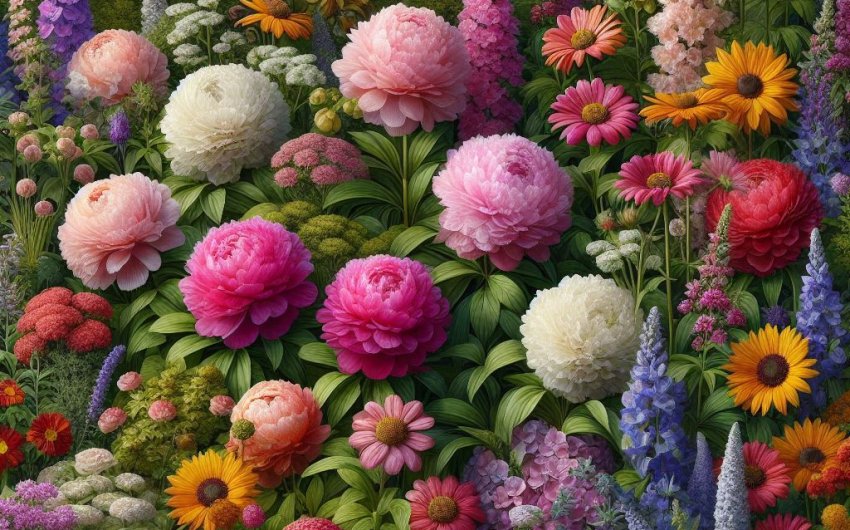
Cultivating a cutting garden allows you to enjoy fresh, vibrant blooms indoors, transforming your home with the beauty of nature. When designing such a garden, selecting the right perennial flowers is key to a continuous supply of blossoms, year after year. These reliable plants offer not only stunning beauty but also strong stems and impressive vase life, making them ideal candidates for creating your own floral arrangements.
What Makes a Perennial Flower Good for Cutting?
Not every beautiful perennial flower is suitable for a cutting garden. The best choices possess a specific set of characteristics that ensure they look great in a vase and provide a steady supply of blooms for your enjoyment. Understanding these qualities will guide your selection process.
Strong Stems and Long Vase Life
For a flower to be excellent for cutting, it needs a strong stem that can support the bloom without flopping over, especially when arranged in a vase. Thin or flimsy stems will quickly droop, ruining the arrangement's integrity. Equally important is a long vase life. This refers to how long a cut flower remains fresh and vibrant after being harvested and placed in water. Ideally, you want flowers that will look good for at least 5-7 days, if not longer.
Consider the following factors for stem strength and vase life:
- Stem Rigidity: Look for varieties known for their robust, upright stems. Some flowers might have beautiful blooms but weak necks.
- Water Uptake: Flowers that readily absorb water through their stems tend to have a longer vase life.
- Petal Durability: Petals that are firm and resistant to bruising or wilting will last longer.
- Lack of Dropping: Avoid flowers that shed petals quickly, as this creates a mess and shortens their display time.
Prolific Blooming and Reblooming Characteristics
A successful cutting garden relies on an abundance of flowers. Therefore, selecting perennials that are prolific bloomers is essential. This means plants that produce many flowers over a growing season. Even better are those with reblooming characteristics, meaning they will produce new flushes of flowers after initial blooms fade or are cut.
- Continuous Production: Some perennials bloom almost continuously from spring to fall.
- Deadheading Encouragement: Many perennials will produce more flowers if spent blooms are removed (a process called deadheading), signaling the plant to create more seeds, and thus more flowers.
- Successive Blooms: Look for plants that send up new flower stalks throughout the season, rather than just having one big flush and then being done.
Visual Appeal for Arrangements
While personal preference plays a huge role, certain visual qualities make a perennial flower particularly appealing for floral arrangements.
- Variety in Form and Texture: A good cutting garden offers a mix of flower shapes (round, spiky, feathery) and textures (smooth, ruffled, delicate). This allows for diverse and interesting arrangements.
- Color Range: A wide spectrum of colors, or at least harmonious color palettes, allows for endless creativity in your bouquets.
- Foliage: Don't forget the foliage! Sturdy, attractive leaves that can be used as "greens" in an arrangement are a bonus. Plants like Hosta leaves or Heuchera foliage can add beautiful texture and color.
- Scent: While not a necessity, a pleasant fragrance adds another dimension to your indoor arrangements. Lavender, Peonies, and some varieties of Phlox offer delightful scents.
By focusing on these key traits—strong stems, long vase life, prolific blooming, and versatile visual appeal—you can assemble a perennial cutting garden that continuously supplies you with beautiful blooms for your home.
Which Early Summer Perennials Are Best for Cutting?
As spring turns into summer, a new wave of perennial flowers emerges, offering a fresh array of colors and forms for your cutting garden. These early summer beauties are typically robust and provide a generous supply of blooms after the initial spring flush has passed.
Peonies (Paeonia)
Peonies are classic early summer bloomers, prized for their large, lush, and often fragrant flowers. They are truly showstoppers in any arrangement.
- Bloom Time: Late spring to early summer, depending on the variety and climate.
- Vase Life: 5-7 days, sometimes longer if cut at the right stage.
- Cutting Tip: Cut peonies when the buds are soft like a marshmallow but not yet fully open ("marshmallow stage"). If cut too early, they may not open. Remove most of the foliage from the stem below the waterline. Peonies are very heavy feeders, so a balanced perennial fertilizer can help them produce more blooms.
- Recommended Varieties: 'Sarah Bernhardt' (pale pink, fragrant), 'Duchesse de Nemours' (white, fragrant), 'Karl Rosenfield' (deep red).
- Why they're great for cutting: Their size, beauty, and often strong fragrance make them a magnificent centerpiece flower.
Delphinium (Delphinium)
Delphiniums add a striking vertical element to bouquets with their tall, spiky flower stalks. They come in stunning shades of blue, purple, pink, and white.
- Bloom Time: Early to mid-summer, with potential for rebloom if deadheaded.
- Vase Life: 5-7 days.
- Cutting Tip: Cut spikes when about one-third to one-half of the flowers are open. Delphiniums are heavy feeders; side-dressing with bone meal in spring can promote strong stems.
- Recommended Varieties: Pacific Giant series (tall, sturdy), New Millennium series (disease resistant, strong stems).
- Why they're great for cutting: Their height and vibrant colors make them excellent "line flowers" that provide structure and drama to arrangements.
Iris (Iris germanica, Bearded Iris)
Bearded Iris are a joy with their intricate and colorful blooms, available in almost every color imaginable.
- Bloom Time: Late spring to early summer.
- Vase Life: 3-5 days, but new buds on the stem will continue to open.
- Cutting Tip: Cut when the first bud on the stalk is just beginning to unfurl. Remove all leaves from the lower part of the stem.
- Recommended Varieties: Choose based on color preference, as most modern bearded irises have good stem strength.
- Why they're great for cutting: Their unique shapes and vast color palette add artistic flair to arrangements.
Lupine (Lupinus)
Lupines offer dense, colorful spires that resemble Delphiniums but with a different texture.
- Bloom Time: Late spring to early summer.
- Vase Life: 5-7 days.
- Cutting Tip: Cut when the bottom third of the flowers on the spike are open.
- Recommended Varieties: Russell Hybrids (known for their vibrant, multi-colored spires).
- Why they're great for cutting: Like Delphiniums, they provide strong vertical lines and rich color.
Oriental Poppy (Papaver orientale)
While short-lived in the vase, the dramatic, silken blooms of the Oriental Poppy are unforgettable.
- Bloom Time: Early summer.
- Vase Life: 2-3 days.
- Cutting Tip: Cut poppies in the late afternoon when the buds are just beginning to show color and the petals are still crinkled. Briefly sear the cut stem ends with a flame or dip in boiling water for 10-20 seconds to prevent sap from leaching, which can shorten vase life.
- Recommended Varieties: 'Pizzicato' (large, ruffled blooms), 'Prinzessin Victoria Louise' (salmon pink).
- Why they're great for cutting: Their intense colors and unique texture make them a striking, albeit fleeting, addition.
These early summer perennials offer a rich tapestry of colors and forms, ensuring your cutting garden remains productive and beautiful as the season progresses.
Which Mid-Summer Perennials Are Best for Cutting?
As summer hits its stride, your cutting garden should be bursting with a diverse array of perennial flowers. Mid-summer offers a broad selection of long-lasting, heat-tolerant blooms perfect for continuous harvesting.
Coneflower (Echinacea purpurea)
Coneflowers are highly popular for their daisy-like blooms with prominent central cones. They are incredibly tough, drought-tolerant, and attractive to pollinators.
- Bloom Time: Mid-summer through fall, with continuous blooming if deadheaded.
- Vase Life: 7-10 days, often longer.
- Cutting Tip: Cut when flowers are fully open. Remove lower leaves. The sturdy stems make them very reliable. You can find Coneflower seeds in a wide variety of colors.
- Recommended Varieties: 'Magnus' (classic purple), 'White Swan' (white), 'Green Jewel' (greenish-yellow), Sombrero series (compact, vibrant colors).
- Why they're great for cutting: Their strong stems, long vase life, and wide range of colors make them a cutting garden staple.
Phlox (Phlox paniculata, Garden Phlox)
Garden Phlox produces large, fragrant clusters of flowers on tall stems, offering a classic cottage garden feel.
- Bloom Time: Mid-summer to late summer, with rebloom if deadheaded.
- Vase Life: 5-7 days.
- Cutting Tip: Cut when about two-thirds of the florets on the flower head are open. Remove all leaves below the waterline.
- Recommended Varieties: 'David' (pure white, highly fragrant), 'Bright Eyes' (pink with red eye), 'Starfire' (bright red).
- Why they're great for cutting: Their large, fragrant flower heads add bulk and a lovely scent to arrangements.
Shasta Daisy (Leucanthemum x superbum)
Shasta Daisies are quintessential summer flowers, known for their cheerful white petals and yellow centers.
- Bloom Time: Early summer to mid-summer, with prolific rebloom if deadheaded.
- Vase Life: 7-10 days.
- Cutting Tip: Cut when flowers are fully open. Remove lower leaves.
- Recommended Varieties: 'Becky' (classic, vigorous), 'Snowcap' (compact, abundant blooms).
- Why they're great for cutting: They are simple, classic, and versatile "filler" flowers that brighten any bouquet.
Lavender (Lavandula)
While often grown for fragrance, the long, slender spikes of Lavender make excellent additions to fresh or dried arrangements.
- Bloom Time: Mid-summer (English Lavender) to late summer (French/Spanish Lavender).
- Vase Life: 5-7 days fresh; dries beautifully.
- Cutting Tip: Cut stems when about half of the tiny flowers on the spike have opened. For drying, cut just as the flowers are opening. A pair of sharp pruning shears is essential for clean cuts.
- Recommended Varieties: 'Munstead' or 'Hidcote' (English Lavender for strongest fragrance).
- Why they're great for cutting: Their unique form, soothing color, and intoxicating fragrance are invaluable.
Yarrow (Achillea millefolium)
Yarrow offers flat-topped clusters of tiny flowers on sturdy stems, providing an interesting texture and a range of vibrant colors.
- Bloom Time: Mid-summer through early fall.
- Vase Life: 7-10 days; dries very well.
- Cutting Tip: Cut stems when the flower heads are fully open.
- Recommended Varieties: 'Paprika' (red with yellow eye), 'Moonshine' (bright yellow), 'Summer Pastels' (mix of soft shades).
- Why they're great for cutting: Their unique flat shape makes them excellent "filler" or "texture" flowers, and they dry wonderfully.
These mid-summer perennials will ensure your cutting garden remains a bountiful source of blooms, providing continuous beauty for your home throughout the warmest months.
Which Late Summer to Fall Perennials Are Best for Cutting?
As the days shorten and a hint of crispness enters the air, your cutting garden doesn't have to slow down. Many perennial flowers come into their own in late summer and fall, extending your fresh flower season well into autumn. These plants are often robust and able to withstand cooler temperatures.
Sedum (Hylotelephium spectabile, 'Autumn Joy')
Often known by its cultivar 'Autumn Joy', Sedum provides sturdy, broccoli-like flower heads that gradually change color from pale green to deep rosy red.
- Bloom Time: Late summer through fall.
- Vase Life: 10-14 days, and also dries beautifully.
- Cutting Tip: Cut stems when the flower heads are fully formed and showing significant color, or even after they've turned rust-colored for dried arrangements.
- Recommended Varieties: 'Autumn Joy' (classic), 'Carl' (similar, often more compact), 'Matrona' (darker stems).
- Why they're great for cutting: Their long vase life, unique flat heads, and amazing color transformation make them perfect for autumnal arrangements. They also act as great "filler" or structural elements.
Aster (Symphyotrichum novae-angliae, New England Aster)
Asters are quintessential fall bloomers, offering a burst of daisy-like flowers in shades of purple, pink, and white.
- Bloom Time: Late summer to fall.
- Vase Life: 5-7 days.
- Cutting Tip: Cut stems when half to two-thirds of the flowers on the spray are open. Remove any yellowed lower leaves.
- Recommended Varieties: 'Purple Dome' (compact, abundant purple blooms), 'Alma Pötschke' (bright rose-pink).
- Why they're great for cutting: They provide a profusion of small, vibrant flowers perfect for adding a natural, wildflower feel to fall arrangements.
Anemone (Anemone x hybrida, Japanese Anemone)
Japanese Anemones provide delicate, yet sturdy, single or semi-double flowers on tall, graceful stems. They are a true highlight of the late-season garden.
- Bloom Time: Late summer to fall.
- Vase Life: 5-7 days.
- Cutting Tip: Cut when flowers are fully open or just beginning to open.
- Recommended Varieties: 'Honorine Jobert' (pure white), 'Königin Charlotte' (pink).
- Why they're great for cutting: Their elegant, airy appearance and late bloom time make them valuable for sophisticated fall bouquets.
Goldenrod (Solidago)
While sometimes considered a weed, cultivated varieties of Goldenrod offer vibrant yellow, feathery plumes that are excellent for adding bulk and brightness to fall arrangements.
- Bloom Time: Late summer to fall.
- Vase Life: 7-10 days.
- Cutting Tip: Cut stems when flowers are fully open.
- Recommended Varieties: 'Fireworks' (arching, bright yellow sprays), 'Solar Cascade' (compact, broad sprays). Choose sterile varieties to avoid spreading.
- Why they're great for cutting: Their bright color and textural plumes are fantastic for filling out autumn bouquets.
Russian Sage (Perovskia atriplicifolia)
Russian Sage offers airy spikes of silvery foliage and lavender-blue flowers, providing a delicate yet long-lasting element.
- Bloom Time: Mid-summer to fall.
- Vase Life: 7-10 days. Dries well.
- Cutting Tip: Cut stems when flowers are fully open. The stems can be woody, so use sharp floral snips.
- Recommended Varieties: 'Blue Spire', 'Little Spire' (more compact).
- Why they're great for cutting: Their delicate blue color, airy texture, and silvery foliage add a unique element, and they pair beautifully with other fall colors.
These late-season perennials will ensure your cutting garden continues to provide a bounty of blooms, allowing you to enjoy fresh, homegrown arrangements well into the autumn months.
What Are Some Key Considerations for a Perennial Cutting Garden?
Beyond choosing the right perennial flowers, successful cutting garden design and maintenance involve several crucial factors. Paying attention to these elements will maximize your harvest and ensure the long-term health and productivity of your plants.
Site Selection and Soil Preparation
The foundation of a healthy cutting garden lies in its location and the quality of its soil.
- Sunlight: Most flowering perennials need at least 6-8 hours of full sun per day to produce abundant blooms. Choose a spot that receives ample sunlight throughout the growing season.
- Drainage: Well-drained soil is critical for perennials to prevent root rot. If your soil is heavy clay, amend it generously with organic matter like compost or aged manure to improve drainage.
- Soil Fertility: Perennials are long-term residents, so rich, fertile soil is key. Before planting, conduct a soil test to determine pH and nutrient levels. Amend as recommended. A balanced slow-release fertilizer can be incorporated at planting time.
Spacing and Support for Tall Blooms
Proper spacing and providing support are vital for encouraging strong stems and healthy air circulation.
- Spacing: Plant perennials according to their mature size, ensuring enough space between them for airflow and growth. Overcrowding can lead to fungal diseases and weaker stems.
- Support: Many tall perennials, especially those grown for cutting like Delphiniums, Peonies, or tall Phlox, benefit from staking or caging. This prevents them from flopping over, especially after heavy rains or winds, and keeps stems straight for arrangements.
- Individual Stakes: Use bamboo or metal stakes with twine for single, tall stems.
- Peony Cages: Circular metal cages placed early in the season can support bushy plants.
- Grow-Through Supports: Gridded supports placed early allow plants to grow up through them naturally. You can find various garden stakes and supports to help keep your blooms upright.
Cutting Techniques and Timing
The way you harvest your flowers impacts their vase life and the plant's future productivity.
- Sharp Tools: Always use clean, sharp garden shears or floral snips to make clean cuts. This prevents damage to the plant and allows for better water uptake by the cut stem.
- Timing:
- Early Morning: The best time to cut flowers is usually in the early morning after dew has dried but before the heat of the day. Stems are turgid (full of water) at this time.
- Stage of Opening: Cut flowers when they are at the ideal stage of opening for their type (e.g., peony buds soft like marshmallows, coneflowers fully open).
- Cutting Location: Cut stems long, just above a leaf node or a strong side shoot. This encourages the plant to produce more blooms and keeps the overall plant tidy. Avoid stripping the plant bare; leave enough foliage for photosynthesis.
- Immediate Hydration: Plunge cut stems immediately into a bucket of clean water, preferably with a floral preservative. Bring the bucket with you into the garden.
Deadheading and Fertilizing for Continuous Blooms
Proper maintenance ensures your perennials keep producing.
- Deadheading: Regularly remove spent blooms. For many perennials, this directs the plant's energy into producing more flowers rather than seeds, promoting rebloom.
- Fertilizing: Feed your perennials with a balanced perennial flower food in spring as new growth emerges and possibly again mid-season, especially for heavy feeders or prolific bloomers. Follow product instructions carefully.
- Watering: Consistent watering is crucial, especially during dry spells, to support continuous flower production.
By diligently applying these considerations, your perennial cutting garden will not only thrive but also consistently supply you with an abundance of beautiful flowers for all your indoor arrangements, season after season.
How Do You Design a Functional and Beautiful Perennial Cutting Garden?
Designing a perennial cutting garden involves more than just selecting beautiful flowers; it requires thoughtful planning to create a space that is both productive for harvesting and aesthetically pleasing to the eye. A well-designed cutting garden integrates functionality with beauty.
Consider Layout and Accessibility
The layout of your cutting garden should prioritize ease of access for harvesting and maintenance.
- Row Planting: For a highly productive and efficient cutting garden, planting in straight rows or raised beds allows for easy access to all plants without stepping into the beds. This is often preferred if your primary goal is maximizing flower production.
- Pathways: Incorporate clear, wide pathways (at least 18-24 inches) between beds or rows. This ensures you can move freely with buckets and tools without damaging plants. Materials like wood chips, gravel, or pavers work well.
- Bed Width: Limit the width of your beds to ensure you can comfortably reach the center from either side (typically no more than 4 feet wide).
- Location: While a cutting garden is primarily for harvest, consider its visibility. If it's in a prominent spot, you might want to blend aesthetics with production. If hidden, efficiency can be the sole focus.
Layering for Continuous Bloom and Visual Appeal
Even in a utilitarian cutting garden, layering plants based on height and bloom time can create continuous visual interest and a succession of flowers for cutting.
- Succession Planting: Plan your perennial choices to ensure a continuous bloom season from early spring through fall. For example, plant early-summer Peonies alongside mid-summer Phlox and late-summer Sedum.
- Height Progression: Generally, place taller plants at the back or center of beds, with medium-height plants in the middle, and shorter varieties at the front edges. This ensures all plants receive adequate sunlight and creates a pleasing visual flow.
- Foliage and Texture: Don't just think about flowers. Incorporate perennials with attractive foliage (like hostas, Heucheras, or ornamental grasses) and varied textures to add depth and interest, even when not in bloom.
Color Palette and Design Cohesion
Even if your primary goal is cutting, thinking about a color palette can make your cutting garden a more enjoyable place to work and provides pre-planned color harmonies for your bouquets.
- Monochromatic Schemes: Choose flowers predominantly in shades of one color (e.g., all blues and purples) for a serene look.
- Complementary Colors: Plant colors opposite each other on the color wheel (e.g., yellow and purple) for vibrant contrast.
- Harmonious Colors: Select colors next to each other on the color wheel (e.g., pink, red, and orange) for a soothing transition.
- Mixing for Surprise: If you prefer a more "wild" or spontaneous look, simply plant a diverse range of colors. You can always arrange them into desired palettes indoors.
- Include "Filler" and "Foliage" Plants: Beyond the star blooms, incorporate perennials that provide essential filler (like Baby's Breath alternatives or Salvia) and attractive foliage (like dusty miller or various ornamental grasses) to round out your bouquets.
Incorporating Tools and Amenities
Think about the practical needs of harvesting when designing your garden.
- Water Source: Place your cutting garden relatively close to a water source or install a dedicated spigot.
- Compost Bin: A small compost bin nearby is convenient for depositing deadheaded blooms and other garden waste.
- Tool Storage: Consider a small shed or dedicated spot for storing your garden pruners, buckets, and other cutting garden essentials.
- Working Space: If space allows, a small potting bench or table nearby can be useful for conditioning flowers and making preliminary arrangements.
By carefully planning your layout, layering your plants, considering your color palette, and incorporating essential amenities, you can design a perennial cutting garden that is both a productive source of fresh blooms and a beautiful, inspiring space in its own right.
Table: Perennial Cutting Garden Planning Checklist
Use this checklist to ensure you cover all essential design and plant selection aspects for your perennial cutting garden.
| Category | Consideration | Action/Notes |
|---|---|---|
| Site Selection | Sunlight (6-8+ hours/day) | Choose sunny location |
| Good Drainage | Amend soil if clay; consider raised beds | |
| Proximity to Water Source | Ensure easy access for irrigation | |
| Soil Preparation | Soil Test | Test pH and nutrient levels, amend as recommended |
| Organic Matter | Incorporate generous amounts of compost | |
| Initial Fertilization | Add slow-release granular fertilizer if needed | |
| Layout & Structure | Pathways | Plan for wide, accessible paths (18-24 inches) |
| Bed Width | Limit to 4 feet wide for easy reach | |
| Row or Bed Design | Choose straight rows for efficiency or curved beds for aesthetics | |
| Support Systems | Plan for staking, caging, or grow-through supports for tall plants | |
| Plant Selection | Diverse Bloom Times | Select early, mid, and late season bloomers for continuous harvest |
| Strong Stems & Long Vase Life | Prioritize these characteristics | |
| Prolific & Reblooming Varieties | Choose plants that produce many flowers | |
| Variety in Form & Texture | Include spikes, rounds, airy forms, etc. | |
| Color Palette | Plan for desired color harmonies in bouquets | |
| Filler & Foliage Plants | Include plants for greens and supporting elements | |
| Maintenance | Watering Plan | Ensure consistent moisture, especially during dry spells |
| Deadheading Schedule | Plan for regular removal of spent blooms | |
| Fertilization Schedule | Plan for periodic feeding based on plant needs | |
| Pest & Disease Monitoring | Regular checks for healthy plants | |
| Tool Storage & Prep Area | Consider a convenient spot for tools and flower conditioning |
This comprehensive approach to designing and maintaining your perennial cutting garden will allow you to enjoy a steady, bountiful supply of fresh flowers. From the delicate beauty of Peonies in early summer to the robust charm of Sedum in the fall, selecting the right perennial flowers will transform your garden into a continuous source of joy for your home.