
Beardtongue Beauty: Delicate Charms for Your Garden
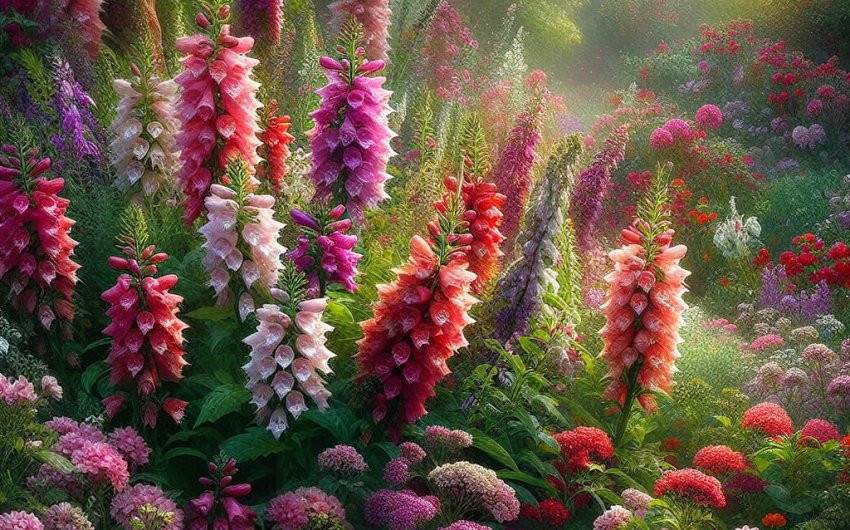
Beardtongue (Penstemon species) brings delicate charms to your garden with its elegant spires of tubular flowers in a breathtaking array of colors, from vibrant blues and purples to soft pinks and fiery reds. These North American native perennials are highly attractive to pollinators and offer stunning, low-maintenance beauty, especially in sunny, well-drained locations.
What is Beardtongue? Understanding This North American Native
Beardtongue is the common name for over 250 species within the genus Penstemon, making it the largest genus of flowering plants endemic to North America. These diverse perennials are highly valued by gardeners for their showy blooms, adaptability, and ecological benefits, truly showcasing their "delicate charms."
Distinctive Features: The "Tongue" and the Tube
- Tubular Flowers: The most defining characteristic of Beardtongue is its unique, tubular, two-lipped flowers. These trumpet-shaped blooms are perfectly designed to attract and accommodate pollinators.
- A "Hairy Tongue": Inside the flower tube, there's a prominent sterile stamen (staminode) that is often covered with small hairs. This "hairy tongue" gives the plant its common name, Beardtongue.
- Color Range: The color palette of Penstemon is incredibly diverse, spanning almost the entire rainbow. You can find species with vibrant true blues, deep purples, lavender, soft pinks, vivid reds, oranges, and pristine whites.
- Bloom Time: Most species bloom in late spring to mid-summer, providing a crucial burst of color after spring ephemerals fade and before peak summer blooms. Some varieties can have extended bloom periods with deadheading.
- Stature: Beardtongue plants vary greatly in height, from low-growing alpine species (a few inches tall) to towering prairie natives (4-5 feet or 1.2-1.5 m tall), offering options for various garden layers.
- Foliage: Foliage is typically lance-shaped to oval, often semi-evergreen or evergreen in milder climates, providing year-round interest. Some varieties have attractive reddish or purple-tinged foliage.
Ecological Value: Pollinator Paradise
Beardtongue is a powerhouse for supporting native wildlife and a cornerstone of pollinator gardens.
- Hummingbird Magnet: The tubular flowers are perfectly shaped to attract hummingbirds, which are primary pollinators for many Penstemon species. You'll often see them darting from bloom to bloom.
- Bee Friendly: Various bee species, including bumblebees and specialized native bees, also frequent Beardtongue for its nectar and pollen.
- Ecological Keystone: As native plants, they are integral to local food webs and ecosystems, providing vital resources for native fauna.
- Deer and Rabbit Resistant: Generally considered resistant to browsing by deer and rabbits, a welcome trait for many gardeners.
Growing Conditions: Sun and Drainage are Key
- Sun Needs: Most Beardtongue species thrive in full sun (at least 6 hours of direct sunlight per day). Some may tolerate light afternoon shade in hot climates.
- Soil: They are highly adaptable to various soil types but require excellent drainage. They do not tolerate wet feet, especially in winter. Lean, sandy, or gravelly soils are often preferred.
Table: Key Characteristics of Beardtongue
| Characteristic | Description | Garden Advantage |
|---|---|---|
| Tubular Flowers | Wide color range, prominent sterile stamen ("tongue") | Unique form, attracts hummingbirds |
| Color Variety | Blues, purples, pinks, reds, oranges, white | Diverse palette, versatile design |
| Bloom Time | Late spring to mid-summer | Bridges seasonal gaps, prolonged beauty |
| Native Status | Endemic to North America | Hardy, adapted, supports native wildlife |
| Pollinator Magnet | Essential for hummingbirds & bees | Vital for biodiversity, vibrant garden life |
| Sun & Drainage Lover | Thrives in full sun, well-drained soil | Low maintenance, resilient in tough spots |
What Are the Best Beardtongue Varieties for Different Garden Needs?
With over 250 species and countless cultivars, the world of Beardtongue offers an astonishing array of options. Choosing the best Beardtongue varieties allows you to bring specific delicate charms to your garden based on color, height, and hardiness.
Tall and Dramatic Varieties (for Borders and Backdrops)
These species make a bold statement with their impressive spires of flowers.
- Penstemon digitalis (Foxglove Beardtongue):
- Features: One of the most common and adaptable species, widely available. Grows 3-5 feet (90-150 cm) tall. Features airy, branched spikes of white to pale pink flowers, often with a purplish flush on the foliage. 'Husker Red' is a very popular cultivar with striking maroon foliage and white flowers.
- Ideal For: Perennial borders, native plant gardens, naturalized areas, woodland edges (tolerates more shade than others).
- Hardiness: USDA Zones 3-8. A Penstemon digitalis 'Husker Red' Plant offers dramatic contrast.
- Penstemon barbatus (Scarlet Beardtongue):
- Features: Known for its brilliant, fiery red or coral-pink tubular flowers on tall, slender spikes, often reaching 3-4 feet (90-120 cm). A hummingbird favorite.
- Ideal For: Hot, sunny, well-drained spots, dry meadows, attracting hummingbirds.
- Hardiness: USDA Zones 4-9.
- Penstemon strictus (Rocky Mountain Penstemon):
- Features: Produces deep violet-blue to purple flowers on sturdy spikes, 2-3 feet (60-90 cm) tall. Very reliable and cold hardy.
- Ideal For: Dry, sunny conditions, rock gardens, native plant landscapes.
- Hardiness: USDA Zones 3-8.
Mid-Sized and Versatile Varieties (for Mixed Beds)
These options provide significant charm without reaching towering heights, suitable for various garden layers.
- Penstemon grandiflorus (Large-Flowered Beardtongue):
- Features: Impressive, large lavender to purple flowers on 2-3 feet (60-90 cm) tall stalks. Native to prairies.
- Ideal For: Prairie plantings, well-drained sunny borders.
- Hardiness: USDA Zones 3-8.
- Penstemon cobaea (Cobaea Penstemon):
- Features: Large, showy white to pale lavender-pink flowers with prominent markings. Grows 1.5-3 feet (45-90 cm) tall.
- Ideal For: Rock gardens, borders.
- Hardiness: USDA Zones 4-8.
Low-Growing and Alpine Varieties (for Rock Gardens and Edges)
For those seeking compact charm, these are excellent choices.
- Penstemon pinifolius (Pineleaf Penstemon):
- Features: Delicate, pine-needle-like foliage. Low-growing, usually 6-12 inches (15-30 cm) tall. Produces abundant small, bright red-orange or yellow flowers.
- Ideal For: Rock gardens, dry stream beds, front of borders.
- Hardiness: USDA Zones 4-9.
- Penstemon x mexicali 'Red Rocks':
- Features: A popular hybrid known for its long blooming period (summer into fall) with bright reddish-pink flowers. Grows 1.5-2 feet (45-60 cm) tall.
- Ideal For: Continuous color, hot dry spots.
- Hardiness: USDA Zones 5-9. A Penstemon Red Rocks Plant is a versatile choice.
Table: Beardtongue Varieties and Their Attributes
| Variety | Species | Height (Avg.) | Flower Color | Key Feature |
|---|---|---|---|---|
| Foxglove Beardtongue | P. digitalis | 3-5 ft (90-150 cm) | White, Pale Pink | Airy spikes, maroon foliage ('Husker Red') |
| Scarlet Beardtongue | P. barbatus | 3-4 ft (90-120 cm) | Fiery Red, Coral-Pink | Hummingbird magnet, slender spikes |
| Rocky Mountain Penstemon | P. strictus | 2-3 ft (60-90 cm) | Deep Violet-Blue | Very reliable, cold hardy |
| Large-Flowered Beardtongue | P. grandiflorus | 2-3 ft (60-90 cm) | Lavender-Purple | Impressive large blooms |
| Pineleaf Penstemon | P. pinifolius | 6-12 inches (15-30 cm) | Red-Orange, Yellow | Pine-needle foliage, low-growing |
| 'Red Rocks' | P. x mexicali | 1.5-2 ft (45-60 cm) | Reddish-Pink | Long blooming period, heat tolerant |
How Do You Plant and Grow Beardtongue?
Planting and growing Beardtongue successfully centers on providing the well-drained soil it craves and ample sunlight. Once established, these delicate charms for your garden are surprisingly resilient.
Site Selection: Sun and Drainage are Critical
- Sunlight: Most Beardtongue species thrive in full sun (at least 6 hours of direct sunlight per day). This ensures strong, sturdy stems and abundant blooms. In very hot climates, a spot with light afternoon shade can be beneficial, but too much shade will lead to leggy growth and sparse flowering.
- Soil: This is the most crucial factor for Beardtongue health. They require excellent drainage.
- Ideal: Lean, average to poor soil, sandy, gravelly, or rocky. They are adapted to conditions where water drains quickly.
- Avoid: Heavy clay soils that retain too much moisture, as this will almost certainly lead to root rot, especially in winter. If you have clay soil, amend it generously with coarse sand, grit, and compost to improve drainage, or consider planting in raised beds or rockeries.
- pH: Tolerant of a wide range of soil pH, from slightly acidic to slightly alkaline (pH 6.0-8.0).
Planting Process (from seeds, cuttings, or nursery plants)
- From Seeds:
- Timing: Sow seeds indoors 8-10 weeks before the last frost, or directly outdoors in fall. Some species require a period of cold stratification (exposure to cold, moist conditions) to germinate.
- Sow Lightly: Small seeds should be pressed lightly onto the soil surface, as many need light to germinate.
- Germination: Can be slow and erratic.
- From Cuttings:
- Timing: Take 4-6 inch (10-15 cm) cuttings from non-flowering stems in late spring or early summer.
- Preparation: Remove lower leaves. Dip the cut end in rooting hormone (optional).
- Plant: Insert into a pot with moist sand or a gritty potting mix. Keep moist and humid. Roots usually form in 4-8 weeks.
- From Nursery Plants:
- Timing: Plant in spring after the last frost or in early fall.
- Prepare the Hole: Dig a hole roughly the same depth as the nursery pot and twice as wide.
- Remove from Pot: Gently remove the plant. Tease apart any circling roots.
- Position the Plant: Place the plant in the hole so that the top of the root ball is level with the surrounding soil. Avoid burying the crown too deeply.
- Backfill: Backfill the hole with soil, gently firming it around the plant.
- Water Thoroughly: Water immediately and deeply after planting to settle the soil around the roots.
Spacing: Allow for Airflow
- Mature Size: Space Beardtongue plants according to their mature size, typically 1-3 feet (30-90 cm) apart, depending on the variety. This allows for good air circulation around the plants.
- Airflow: Adequate spacing helps prevent powdery mildew or other fungal issues, especially in humid conditions.
Watering: Drought-Tolerant Once Established
- Establishment: For the first growing season, water regularly and deeply to help the plant establish a robust root system. Keep the soil consistently moist (but never soggy).
- Established Plants: Once established, most Beardtongue species are notably drought-tolerant. They thrive on natural rainfall in many climates and require minimal supplemental watering. Overwatering is more detrimental than underwatering.
- Mulch (Optional): A light layer of gravel mulch or pine needles around the base of the plant can help suppress weeds and keep the crown dry, reflecting its preference for rocky, lean conditions. Avoid dense, moisture-retaining mulches.
Table: Beardtongue Planting Checklist
| Item/Step | Recommendation | Reason |
|---|---|---|
| Sunlight | Full sun (6-8+ hours direct sun) | Optimal blooming and vigor |
| Soil | Very well-draining, lean, sandy/gravelly | Prevents root rot, mimics native habitat |
| Planting Method | Nursery plants easiest; seeds/cuttings also work | Best chance of success |
| Planting Depth | Top of root ball even with soil surface | Promotes healthy growth, avoids crown rot |
| Spacing | 1-3 feet (30-90 cm) depending on variety | Allows for mature size, good air circulation |
| Initial Watering | Consistent moisture for first growing season | Essential for root establishment |
How Do You Care for Established Beardtongue?
Once established, Beardtongue is a low-maintenance perennial that continues to offer its delicate charms to your garden with minimal ongoing care. Its resilience makes it a rewarding choice for various garden settings.
Watering: Embrace Dry Conditions
- Drought Tolerance: Established Beardtongue species are highly drought-tolerant. They typically thrive on natural rainfall and rarely need supplemental watering, unless there are extended periods of extreme heat and drought.
- Avoid Overwatering: This is the most critical care point. Overwatering, especially in heavy soils or during cool, wet periods, is the leading cause of crown and root rot, which quickly kills these plants. Allow the soil to dry out completely between waterings.
- Good Drainage is Your Friend: The best way to prevent overwatering issues is to ensure you planted in very well-draining soil from the start.
Fertilizing: Less is More
- Lean Feeder: Beardtongue prefers lean to average soil and does not require rich, heavily fertilized conditions. Excessive fertilizer, especially nitrogen, can lead to floppy, leggy growth and fewer flowers.
- Compost (Optional): A very light top-dressing of finished compost (1/2 inch or 1.25 cm) once a year in early spring can provide a gentle nutrient boost without overdoing it.
- No Synthetic Fertilizers: For best long-term health and vigor, avoid synthetic chemical fertilizers.
Pruning and Maintenance: Encouraging Rebloom and Tidiness
- Deadheading: To encourage a longer bloom period and potentially a sporadic second flush of flowers, deadhead spent bloom stalks by cutting them back to a leaf or side shoot. This also prevents excessive self-seeding (though some self-seeding can be desirable for naturalizing).
- Post-Bloom Cutback: After the main flush of bloom is completely finished, you can cut back the entire plant by about one-third to one-half. This helps to rejuvenate the plant, encourage denser basal foliage, and may promote a tidier form.
- Winter Cutback: In late fall or early spring (before new growth emerges), cut back all the dead stems to the ground. This tidies up the plant and makes way for fresh new growth.
- Division (Rarely Needed): Most Beardtongue species are relatively long-lived and do not require frequent division. If a clump becomes too large, less vigorous, or starts to die out in the center, you can divide it in early spring or fall.
Pest and Disease Management: Trouble-Free
- Resilience: Beardtongue is remarkably resistant to most common garden pests and diseases due to its native hardiness and preference for well-drained conditions.
- Main Problem: Crown and Root Rot: As mentioned, this is almost exclusively due to poor drainage or overwatering.
- Occasional Issues: Very rarely, powdery mildew may appear in very humid, crowded conditions without good airflow. Ensure proper spacing.
- Deer and Rabbit Resistance: A significant advantage for many gardeners, as these browsers generally leave Beardtongue alone.
Table: Care for Established Beardtongue
| Aspect | Recommendation | Impact |
|---|---|---|
| Watering | Minimal; allow soil to dry completely | Prevents rot, promotes hardiness |
| Fertilizing | Little to none; light compost top-dressing (optional) | Promotes healthy growth without legginess |
| Pruning | Deadhead for rebloom; cut back after main bloom; winter cutback | Extends bloom, maintains tidy form |
| Pests/Disease | Generally resistant; focus on good cultural practices | Low maintenance, healthy plants |
What Creative Uses Can Beardtongue Bring to Your Garden Design?
The diverse forms, vibrant colors, and pollinator-attracting qualities of Beardtongue make it an incredibly versatile plant for adding delicate charms and dynamic beauty to a variety of garden styles.
Pollinator and Wildlife Gardens: A Hummingbird Hotspot
- Hummingbird Magnet: The tubular flowers are perfectly designed for hummingbirds, making Beardtongue an essential plant for any pollinator garden. Plant it in visible areas where you can enjoy the show.
- Bee Attractor: Various native bees and bumblebees are also highly attracted to its blooms, contributing to a buzzing, vibrant garden ecosystem.
- Native Plant Design: Integrate Beardtongue with other native perennials and grasses to create a robust and ecologically sound garden that supports local wildlife.
Sunny Perennial Borders: Adding Height and Color
- Vertical Interest: Taller varieties like P. digitalis provide strong vertical accents in perennial borders, creating a dynamic backdrop for shorter plants.
- Color Range: The wide array of flower colors allows you to incorporate Beardtongue into almost any color scheme, from cool blues and purples to fiery reds and oranges.
- Succession Planting: Pair with early spring bloomers and later summer/fall flowers to ensure continuous color in your border.
Rock Gardens and Xeriscapes
- Natural Fit: Beardtongue's preference for lean, well-draining soil, full sun, and rocky environments makes it an ideal plant for rock gardens and xeriscapes (water-wise landscapes).
- Drought Tolerance: Its ability to thrive in dry conditions is a major asset in these settings.
- Low-Growing Varieties: Species like P. pinifolius are perfect for crevices and filling in between stones.
Cottage and Informal Gardens
- Softening Effect: The delicate appearance and airy flower spikes of Beardtongue fit perfectly into the romantic, informal aesthetic of a cottage garden.
- Interplanting: Mix Beardtongue freely with other perennials, annuals, and herbs for a lush, abundant look.
Containers (for Dwarf Varieties)
- Patio Accent: Compact cultivars can be grown in containers, bringing their charm and pollinator appeal to patios, decks, or urban balconies.
- Ensure Drainage: Use a very well-draining potting mix in pots with ample drainage holes.
By cultivating the beauty of Beardtongue and understanding its diverse applications, you can infuse your garden with delicate charms, attract essential pollinators, and create a resilient, vibrant, and incredibly rewarding outdoor space.