
Peony Perfection: Timeless Beauty in Your Garden
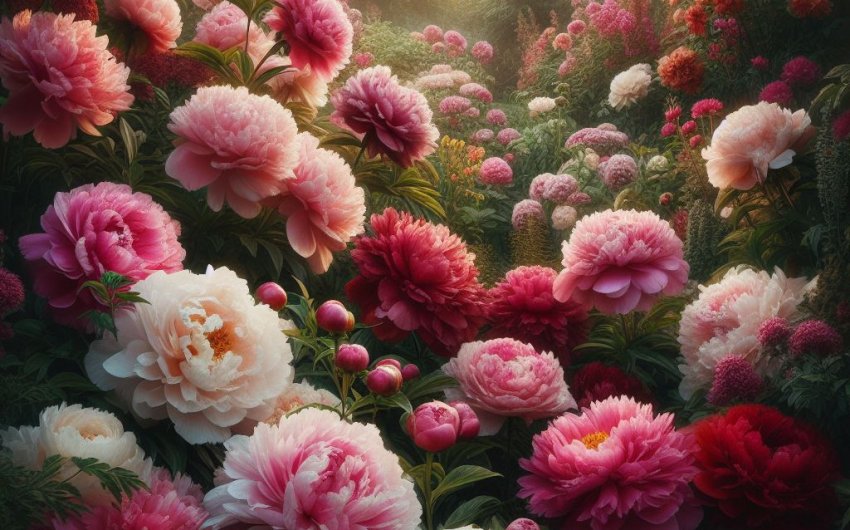
Peonies bring timeless beauty to your garden with their breathtakingly lush, often fragrant blooms and elegant foliage that endures long after the flowers fade. These hardy, long-lived perennials are a cornerstone of classic garden design, offering an unparalleled display of color and form each spring, making them a true investment in floral perfection.
What Makes Peonies a Symbol of Timeless Beauty?
Peonies (Paeonia species) are among the most beloved and iconic garden flowers, revered for their opulent blooms, longevity, and rich history. Their unique qualities solidify their status as a symbol of timeless beauty in your garden.
Opulent Blooms: A Feast for the Eyes
- Size and Form: Peony flowers are legendary for their size and variety of forms, from delicate single petals to massive, multi-layered double blooms. They can range from 3 inches (7.5 cm) to a spectacular 10 inches (25 cm) or more in diameter.
- Color Palette: Available in a stunning array of colors including pristine whites, soft creams, pale pinks, vibrant fuchsias, deep reds, and even some yellows and corals.
- Fragrance: Many peony varieties are intensely fragrant, emitting sweet, rose-like, or spicy scents that can perfume an entire garden space.
- Bloom Time: Generally bloom from late spring to early summer, providing a glorious transition from spring bulbs to peak summer perennials.
- Symbolism: Throughout history, peonies have symbolized prosperity, good fortune, honor, and a happy marriage, adding to their enduring appeal.
Longevity: A Garden Heirloom
- Decades of Blooms: Perhaps one of the most astonishing qualities of peonies is their incredible longevity. Once established, they can live and bloom for 50 years or even more, becoming cherished garden heirlooms passed down through generations.
- Minimal Fussy Maintenance: They thrive on neglect, asking for little more than full sun and good drainage once settled.
Elegant Foliage: More Than Just Flowers
- Season-Long Interest: Even after their spectacular blooms fade, peonies continue to provide value with their lush, dark green foliage. The leaves are typically deeply lobed or divided, providing a handsome, shrub-like presence in the garden throughout the summer and often into fall.
- Autumn Color: Some varieties offer attractive reddish or bronzy tints in autumn, extending their ornamental appeal.
Hardiness and Adaptability
- Cold Hardy: Most peony types (especially herbaceous peonies) are remarkably cold-hardy, thriving in USDA Zones 3-8, requiring a period of winter chill to set their flower buds.
- Drought Tolerance: Once established, they are surprisingly drought-tolerant, though consistent moisture during bloom time is beneficial.
Table: Key Characteristics of Peonies
| Characteristic | Description | Garden Advantage |
|---|---|---|
| Opulent Blooms | Large, varied forms (single to double), wide color range, often fragrant | Show-stopping display, visual and olfactory appeal |
| Longevity | Live and bloom for 50+ years | Long-term investment, garden heirloom |
| Elegant Foliage | Lush green leaves, provides season-long interest | Attractive even after flowering |
| Hardy & Adaptable | Cold-hardy, drought-tolerant once established | Low maintenance, wide climate range |
What Are the Main Types of Peonies for Your Garden?
Understanding the main types of peonies is crucial for selecting the right plant to achieve peony perfection and timeless beauty in your garden, as they differ in growth habit, bloom time, and care.
1. Herbaceous Peonies (Paeonia lactiflora)
These are the most common and widely recognized peony type, forming sturdy, bushy clumps that die back to the ground each winter.
- Growth Habit: Form perennial clumps of foliage, typically 2-4 feet (60-120 cm) tall and wide. They die completely back to the ground with the first hard frost in fall.
- Foliage: Lush, dark green, deeply lobed leaves.
- Bloom Time: Bloom from late spring to early summer (late May to mid-June in most regions).
- Flower Forms: Available in a vast array of flower forms:
- Single: One or two rows of petals around a central cluster of stamens.
- Semi-Double: Two or more rows of petals with visible stamens.
- Double: Fully double, ball-shaped flowers with many petals, often very heavy.
- Bomb: Inner petals form a distinct dome above a collar of wider guard petals.
- Japanese: Outer petals flat, with a prominent center of narrow, petal-like stamens.
- Hardiness: USDA Zones 3-8. Require cold winters to bloom.
- Support: Heavy double blooms often require staking or peony rings to prevent flopping, especially after rain. A Peony Support Ring is essential for many varieties.
2. Tree Peonies (Paeonia suffruticosa)
These are woody shrubs that do not die back to the ground in winter, forming a permanent woody framework.
- Growth Habit: Form a woody shrub, typically 3-7 feet (90-210 cm) tall and wide. They lose their leaves in winter but the woody stems remain.
- Foliage: More deeply dissected foliage than herbaceous peonies.
- Bloom Time: Bloom earlier than herbaceous peonies, usually in mid-to-late spring.
- Flower Forms: Known for their exceptionally large (up to 10 inches), often single or semi-double flowers with a silken, delicate texture. Colors include striking yellows, oranges, and purples that are less common in herbaceous types.
- Hardiness: USDA Zones 4-9. Less cold-hardy than herbaceous, and new growth can be susceptible to late frosts.
- Support: Generally do not require staking due to their woody stems.
3. Intersectional Peonies (Itoh Peonies)
These are hybrids between herbaceous and tree peonies, combining the best traits of both.
- Growth Habit: Herbaceous-like growth habit – they die back to the ground in winter, but have strong, woody stems during the growing season. Typically 2-3 feet (60-90 cm) tall and wide.
- Foliage: Attractive, deeply cut foliage similar to tree peonies, often lasting well into fall.
- Bloom Time: Bloom mid-season, bridging the gap between tree peonies and herbaceous peonies. Often have an extended bloom period with multiple buds per stem.
- Flower Forms: Huge, showy flowers with a wide range of unique colors (including true yellows, corals, and multi-toned blooms) and varied forms. They hold their flowers upright without staking.
- Hardiness: USDA Zones 4-9.
- Benefits: Combine the easy care of herbaceous peonies with the unique colors and strong stems of tree peonies, making them very popular. A Itoh Peony Root can be a significant investment but is highly rewarding.
Table: Comparison of Peony Types
| Peony Type | Growth Habit | Woody Stems (Winter)? | Bloom Time | Key Features | Support Needed (Avg.) |
|---|---|---|---|---|---|
| Herbaceous | Bushy clump | No, dies to ground | Late Spring-Early Summer | Classic, wide forms, often fragrant | Yes (for doubles) |
| Tree | Woody shrub | Yes | Mid-to-Late Spring | Large, silken blooms, unique colors | Rarely |
| Intersectional (Itoh) | Herbaceous-like | No, dies to ground | Mid-Season | Combines best of both, strong stems, unique colors | Rarely |
How Do You Plant Peonies for Lasting Perfection?
Planting peonies correctly is the single most important factor for achieving peony perfection and enjoying their timeless beauty in your garden for decades. Patience and precision at planting time are richly rewarded.
Site Selection: Sun and Drainage are Key
- Full Sun: Peonies need full sun to bloom prolifically. Aim for at least 6 hours of direct sunlight per day. Too much shade will result in fewer flowers and leggy growth.
- Well-Draining Soil: This is absolutely critical. Peonies cannot tolerate "wet feet" or soggy soil, which leads to root rot.
- Ideal: Rich, fertile, well-draining loam.
- Improve Drainage: If you have heavy clay soil, amend it generously with compost and grit (like coarse sand) to improve drainage and aeration.
- Air Circulation: Choose a spot with good air circulation to help prevent fungal diseases like botrytis blight.
- Location: Plant away from competing tree or shrub roots, which can steal water and nutrients.
Timing is Everything: Plant in Fall
- Best Time: The ideal time to plant herbaceous peony roots (bare-root divisions) is in the fall (September to October in most regions). This allows the roots to establish before winter and the plant to develop properly in spring.
- Spring Planting: While possible, spring-planted peonies may struggle more, focus on root development over blooms in their first year, and might be less vigorous overall.
- Potted Peonies: Potted peonies can be planted in spring, summer, or fall, but fall is still preferred if possible.
Planting Herbaceous Peony Roots (The Bare Root "Eye")
This is where precise planting depth matters most.
- Prepare the Hole: Dig a large, generous hole, about 1.5-2 feet (45-60 cm) wide and deep.
- Amend Soil: Amend the excavated soil with a good amount of compost (a shovel full or two) to enrich it. You can also add a handful of bone meal (for phosphorus) to the bottom of the hole, mixed into the soil.
- Position the Root: Place the peony root division in the center of the hole. Crucially, ensure the "eyes" (small reddish buds on the crown of the root) are only 1-2 inches (2.5-5 cm) below the soil surface. If planted too deep, it will not bloom. This is the single most common reason peonies fail to flower.
- Backfill Gently: Carefully backfill the hole with the amended soil, gently firming it around the root.
- Water Thoroughly: Water deeply to settle the soil and remove air pockets.
- Mulch (Optional): A very light layer of mulch (1-2 inches) can be applied in fall to protect newly planted roots. Ensure it's pulled away from the crown in spring.
Planting Tree and Itoh Peonies
- Tree Peonies: Plant with the graft union (where the peony top joins the rootstock) 4-6 inches (10-15 cm) below the soil surface. This encourages the tree peony scion to form its own roots, making it more vigorous and long-lived.
- Itoh Peonies: Plant with the "eyes" just below the soil surface, similar to herbaceous peonies (1-2 inches deep).
Spacing: Give Them Room
- Generous Spacing: Space peonies 3-4 feet (90-120 cm) apart from each other and other plants. They grow into large, dense clumps and need good air circulation to thrive and prevent fungal diseases.
Table: Peony Planting Checklist
| Item/Step | Recommendation | Reason |
|---|---|---|
| Sunlight | Full sun (6-8+ hours direct sun) | Essential for prolific blooming |
| Soil | Rich, very well-draining loam | Prevents root rot, supports healthy growth |
| Timing | Fall (September-October) is ideal for bare roots | Allows root establishment before winter |
| Planting Depth (Herbaceous/Itoh) | Eyes 1-2 inches (2.5-5 cm) below soil surface | Crucial for flowering, prevents "blind" plants |
| Planting Depth (Tree) | Graft union 4-6 inches (10-15 cm) below soil surface | Encourages own roots, vigor |
| Spacing | 3-4 feet (90-120 cm) apart | Allows for mature size, good air circulation |
| Water Thoroughly | Immediate deep watering after planting | Settles soil, removes air pockets |
How Do You Care for Established Peonies for Long-Term Beauty?
Once properly established, peonies are incredibly easy to care for, truly delivering timeless beauty in your garden with minimal fuss year after year.
Watering: Consistent but Not Excessive
- Establishment: For the first 1-2 years, water regularly (1-2 times a week, especially during dry spells) to help the root system get established.
- Established Plants: Once established, peonies are surprisingly drought-tolerant. They typically don't need much supplemental watering unless there are prolonged periods of extreme heat and drought.
- Deep Watering: When you do water, water deeply to encourage deep root growth. Avoid shallow, frequent sprinkles.
- Avoid Overhead Watering: Try to water at the base of the plant to keep foliage dry, which helps prevent fungal diseases.
Fertilizing: Less is More
- Lean Feeder: Peonies generally do not need heavy fertilization. Too much nitrogen can promote lush foliage at the expense of blooms.
- Annual Boost: An annual top-dressing of finished compost (1-2 inches or 2.5-5 cm) around the base of the plant in early spring is usually sufficient to provide all the nutrients they need. A handful of bone meal or balanced granular fertilizer (low in nitrogen) can be added at the same time if your soil test indicates a need for phosphorus or potassium.
- Avoid Over-Fertilizing: Never apply high-nitrogen fertilizers or fresh manure directly around peonies.
Support: Preventing Flopping (for Herbaceous Double Varieties)
- Peony Rings/Stakes: Many double-flowered herbaceous peonies produce very heavy blooms that can flop over, especially after rain. Install peony support rings (wire cages) or stakes early in the spring, before growth is more than 6-8 inches (15-20 cm) tall. The foliage will grow up through the support, hiding it.
- Tree and Itoh Peonies: Generally do not require staking due to their sturdy, woody stems.
Pruning and Maintenance: Key for Health and Appearance
- Deadheading (Optional): Remove spent blooms (deadhead) by cutting the flower stem back to a strong leaf. This tidies up the plant and prevents seed formation, allowing the plant to put energy into root development for next year's blooms. It won't promote rebloom.
- Foliage Care: Allow the foliage to remain on the plant all season until it yellows naturally in the fall. The leaves photosynthesize and store energy in the roots for the following year's blooms.
- Fall Cutback (Herbaceous/Itoh): After the first hard frost in fall, when the foliage of herbaceous and Itoh peonies has turned yellow or brown, cut the stems back to about 2-3 inches (5-7.5 cm) from the ground. This is crucial for preventing fungal diseases, as spores can overwinter on old foliage. Dispose of the cut foliage; do not compost it.
- Tree Peony Pruning: Tree peonies require minimal pruning. Remove only dead, damaged, or crossing branches in early spring before growth begins.
Pest and Disease Management: Generally Trouble-Free
- Resilience: Peonies are generally robust plants.
- Main Problem: Botrytis Blight: The most common fungal disease, especially in cool, wet spring weather.
- Symptoms: Brown spots on leaves, stems, buds that rot and turn black. Flower buds may turn brown and fail to open.
- Prevention: Good air circulation (proper spacing), fall cleanup of all foliage, and avoiding overhead watering.
- Treatment: Remove and destroy affected parts immediately.
- Ants: Ants are often seen on peony buds in spring. They are attracted to the sugary nectar on the outside of the buds. They do not harm the plant or aid in opening the flower. You don't need to do anything about them, but if cutting blooms, rinse them off.
- Deer Resistance: Generally considered deer and rabbit resistant.
Table: Care for Established Peonies
| Aspect | Recommendation | Impact |
|---|---|---|
| Watering | Minimal once established; deep & infrequent when needed | Prevents root rot, promotes hardiness |
| Fertilizing | Annual compost top-dressing (minimal) | Promotes healthy growth, abundant blooms |
| Support | Peony rings for herbaceous doubles (install early) | Prevents flopping, maintains aesthetic |
| Pruning | Deadhead spent blooms; fall cutback (herbaceous/Itoh) | Tidies plant, prevents disease, stores energy |
| Pests/Disease | Generally resistant; watch for Botrytis blight | Low maintenance, healthy plants |
What Creative Uses Can Peonies Bring to Your Garden Design?
The grandeur, fragrance, and longevity of Peonies make them indispensable for adding timeless beauty and a touch of classic elegance to a variety of garden styles.
Perennial Borders: A Spring Spectacle
- Focal Point: Plant peonies as stunning focal points in perennial borders, especially in areas that receive full morning sun.
- Color Blocks: Plant groups of 3-5 of the same variety for a dramatic block of color and impact.
- Succession Planting: Pair them with earlier blooming bulbs (tulips, daffodils) and later blooming perennials (lavender, coneflowers, roses, catmint) to ensure continuous color throughout the season. Their attractive summer foliage provides a green backdrop for later bloomers.
Cottage and Classic Gardens
- Romantic Aesthetic: Peonies are a quintessential component of the romantic, abundant look of a cottage garden. Their lush blooms and old-fashioned charm fit perfectly.
- Mix with Old Favorites: Combine them with other classic plants like roses, delphiniums, foxgloves, and hollyhocks.
Cut Flower Gardens: Bringing Beauty Indoors
- Unparalleled Blooms: Peony blooms are among the most desired cut flowers, providing an elegant and fragrant display indoors.
- Harvesting: Cut stems when the buds are soft and show color (like a marshmallow). Harvest no more than 1/3 of the blooms from a young plant to ensure plant health.
- Vase Life: Cut peonies can last surprisingly long in a vase.
Entryways and Foundations
- Welcoming Display: Plant peonies near entryways or along foundation plantings for a stunning spring welcome. Ensure they get enough sun and good air circulation.
Specimen Plants: A Standalone Show
- Single Showstopper: A mature peony plant, particularly a tree peony or an Itoh peony, can stand alone as a magnificent specimen, commanding attention with its beauty and impressive size.
Hedges and Screens (for Tree Peonies)
- Woody Structure: Tree peonies can be planted in a row to form a beautiful, albeit informal, flowering hedge or screen, offering more persistent structure than herbaceous types.
Table: Creative Uses for Peonies in Garden Design
| Use Case | Why Peony is Ideal | Ideal Types (Examples) |
|---|---|---|
| Perennial Borders | Focal point, color blocks, succession planting | Herbaceous, Itoh, Tree |
| Cottage/Classic Gardens | Romantic aesthetic, blends with old favorites | Herbaceous, Tree |
| Cut Flower Gardens | Unparalleled blooms, long vase life | Herbaceous (especially double forms) |
| Entryways/Foundations | Stunning spring welcome | Herbaceous, Itoh, Tree |
| Specimen Plants | Grandeur, longevity, standalone beauty | Tree, Itoh, large herbaceous |
| Hedges/Screens | Woody structure, seasonal flowering screen | Tree Peonies |
By embracing the perfection of Peonies and understanding their distinct needs, you can easily cultivate these magnificent plants, ensuring their timeless beauty in your garden becomes a cherished highlight for generations.