
Flax Flourish: Everlasting Beauty in Your Garden
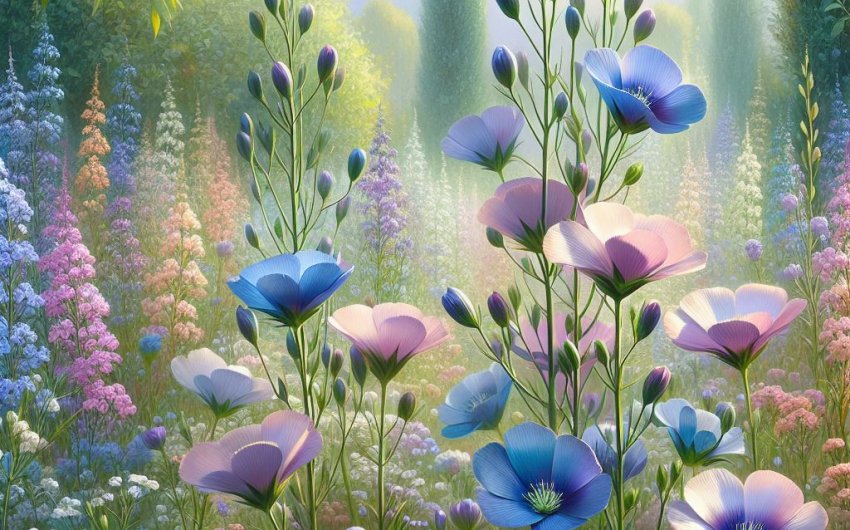
Flax brings everlasting beauty to your garden with its delicate, sky-blue flowers that dance in the breeze, followed by intriguing seed pods that extend its ornamental appeal long after the blooms fade. This versatile plant offers a graceful, airy presence, adding continuous interest and a touch of natural charm to beds, borders, and meadow plantings.
What is Flax? Understanding This Versatile Plant
Flax (Linum usitatissimum), often known as common flax or linseed, is an ancient crop cultivated for thousands of years for its fibers, oil, and seeds. Beyond its utilitarian uses, it possesses a delicate, understated beauty that makes it a charming addition to any ornamental garden, truly embodying "flax flourish" with "everlasting beauty."
Distinctive Features: Delicate Blooms and Unique Seed Pods
- Ethereal Flowers: The most striking feature of flax is its exquisite, five-petaled flowers, typically a clear, sky-blue. They are relatively small (about 1 inch or 2.5 cm across) but are produced in abundance, creating a soft, hazy effect when mass planted.
- Ephemeral Nature: Individual flowers are ephemeral, lasting only a single day, but the plant produces new blooms continuously over a long period, from late spring to mid-summer, giving the impression of constant bloom.
- Slender Stems and Fine Foliage: Flax grows on tall, slender, unbranched stems, usually 2-3 feet (60-90 cm) tall. The leaves are small, narrow, and lance-shaped, contributing to its airy, delicate appearance.
- Intriguing Seed Pods: After flowering, the plants develop distinctive, spherical seed pods. These small, globe-shaped capsules contain the valuable flax seeds and add significant ornamental interest long after the flowers have faded. Their texture and form provide a subtle, enduring beauty, especially in fall.
Growth Habit: Upright and Graceful
- Upright Growth: Flax typically grows as an upright, annual plant, forming delicate spires. When planted in masses, they create a soft, swaying sea of blue.
- Annual Nature: Most commonly grown flax is an annual, completing its life cycle in one season. However, some ornamental flax species are perennial (see below).
- Self-Seeding: Common flax often self-seeds readily, ensuring its return in subsequent years if conditions are favorable, contributing to its "everlasting beauty."
Economic and Ecological Value: More Than Just Pretty
- Fiber (Linen): Historically, flax has been a primary source of linen fiber, used for textiles.
- Linseed Oil: The seeds are pressed to produce linseed oil, used in paints, varnishes, and as a dietary supplement.
- Flax Seeds: The seeds themselves are a nutritional powerhouse, rich in omega-3 fatty acids and fiber.
- Pollinator Friendly: The delicate flowers attract bees and other small pollinators, contributing to garden biodiversity.
- Deer Resistance: Generally considered deer and rabbit resistant.
Table: Key Characteristics of Flax
| Characteristic | Description | Garden Advantage |
|---|---|---|
| Ethereal Flowers | Sky-blue, ephemeral but continuous blooms | Soft, hazy effect, long bloom period |
| Slender Stems | Tall, graceful, unbranched stems | Airy presence, adds vertical dimension |
| Intriguing Seed Pods | Spherical capsules, ornamental in fall | Extends interest after flowering |
| Upright Growth | Forms delicate spires, sways in breeze | Adds movement and texture |
| Annual (Common) | Completes life cycle in one season, often self-seeds | Easy to grow, reliable return |
| Multi-Purpose | Fiber, oil, seeds (edible), pollinator friendly | Versatile, beneficial to ecosystem |
What Are the Best Flax Varieties for Your Garden?
While common flax (Linum usitatissimum) is the most widely known for its utilitarian purposes and classic blue flowers, other flax varieties offer diverse colors and growth habits, allowing you to choose the perfect everlasting beauty for your garden.
Common Flax (Linum usitatissimum): The Classic Blue
- Features: The traditional agricultural flax. Produces abundant, clear sky-blue flowers. Grows 2-3 feet (60-90 cm) tall on slender, upright stems.
- Best Use: Mass plantings for a "sea of blue" effect, meadow gardens, cutting gardens (for dried seed pods), or as a component in a mixed border.
- Self-Seeding: Tends to self-seed readily, creating an ongoing presence in the garden.
- Hardiness: Grown as an annual in most climates. A Common Blue Flax Seeds packet can yield hundreds of plants.
Perennial Blue Flax (Linum perenne): Long-Lived Charm
- Features: Similar delicate, sky-blue flowers to common flax, but this species is a true perennial, returning year after year. Grows slightly shorter, typically 1.5-2 feet (45-60 cm) tall.
- Best Use: Perennial borders, rock gardens, cottage gardens, dry meadows where it can naturalize.
- Hardiness: USDA Zones 4-8. This is an excellent choice for a low-maintenance, long-lived blue accent.
Red Flax (Linum grandiflorum 'Rubrum'): Fiery Color
- Features: A vibrant annual species with brilliant, fiery red flowers. Offers a striking contrast to the more common blue flax. Grows 1.5-2 feet (45-60 cm) tall.
- Best Use: Bold color accents in annual beds, containers, or mixed borders.
- Hardiness: Grown as an annual.
- Red Flax Seeds can add a dramatic touch.
Golden Flax (Linum flavum): Yellow Blooms
- Features: A perennial species with bright yellow flowers, typically growing 1-2 feet (30-60 cm) tall.
- Best Use: Rock gardens, sunny borders, where a cheerful yellow is desired.
- Hardiness: USDA Zones 5-8.
'Bright Eyes' Flax (Linum 'Bright Eyes'): Two-Toned Beauty
- Features: A hybrid perennial flax with creamy white flowers featuring a distinct dark eye or center. A unique and elegant choice.
- Best Use: Adds subtle charm and sophistication to borders or rock gardens.
- Hardiness: USDA Zones 5-8.
Table: Flax Varieties and Their Attributes
| Variety | Species/Type | Height (Avg.) | Flower Color | Key Feature | Lifespan |
|---|---|---|---|---|---|
| Common Blue Flax | L. usitatissimum | 2-3 ft (60-90 cm) | Sky Blue | Classic, self-seeds | Annual |
| Perennial Blue Flax | L. perenne | 1.5-2 ft (45-60 cm) | Sky Blue | Returns annually, long-lived | Perennial |
| Red Flax ('Rubrum') | L. grandiflorum | 1.5-2 ft (45-60 cm) | Fiery Red | Bold color accent | Annual |
| Golden Flax | L. flavum | 1-2 ft (30-60 cm) | Bright Yellow | Cheerful, sunny | Perennial |
| 'Bright Eyes' Flax | Linum hybrid | 1.5-2 ft (45-60 cm) | Creamy White w/ Dark Eye | Elegant, unique | Perennial |
How Do You Plant and Grow Flax?
Planting and growing flax is remarkably easy, especially from seed, making it a highly rewarding choice for introducing everlasting beauty to your garden with minimal effort.
Site Selection: Sun and Drainage are Critical
- Sunlight: Flax thrives in full sun, requiring at least 6-8 hours of direct sunlight per day for optimal growth and flowering. It can tolerate very light partial shade, but may become leggy and produce fewer flowers.
- Soil: Flax requires well-draining soil.
- Ideal: Average to lean soil, sandy, or loamy. It does not need rich soil.
- Avoid: Heavy clay soils that retain too much moisture, as this can lead to root rot. If you have clay soil, amend it generously with coarse sand, grit, or compost to improve drainage.
- pH: Tolerant of a wide range of soil pH, from slightly acidic to slightly alkaline (pH 6.0-8.0).
Planting Process (from seeds or nursery plants)
- From Seeds (Most Common and Easiest):
- Timing: Sow seeds directly outdoors in early spring, as soon as the danger of hard frost has passed and the soil can be worked. In milder climates, you can also sow in late fall for earlier spring blooms.
- Prepare Bed: Loosen the soil surface lightly.
- Sowing: Scatter seeds thinly over the prepared soil. They are tiny, so try to spread them evenly.
- Lightly Cover/Rake In: Very lightly rake the seeds into the top 1/8 to 1/4 inch (0.3-0.6 cm) of soil. Some species need light for germination, so don't bury them deeply.
- Water Gently: Water thoroughly with a fine spray to avoid disturbing the tiny seeds.
- Thinning: Once seedlings emerge and are a few inches tall, thin them to 4-6 inches (10-15 cm) apart for perennial varieties or 2-3 inches (5-7.5 cm) apart for annual mass plantings.
- From Nursery Plants (for perennial varieties):
- Timing: Plant in spring or early fall.
- Prepare Hole: Dig a hole roughly the same depth as the nursery pot and twice as wide.
- Position: Place the plant so the top of the root ball is level with the surrounding soil.
- Backfill: Fill with soil, gently firming.
- Water Thoroughly: Water deeply to settle the soil.
Spacing: Creates an Airy Effect
- Perennial Flax: Space individual plants 10-12 inches (25-30 cm) apart to allow for mature spread.
- Annual Flax (Mass Planting): For a "meadow" effect, you can sow more densely (e.g., 2-3 inches apart), as they are fine with some crowding for visual impact.
Watering: Drought-Tolerant Once Established
- Establishment: For the first few weeks after planting (or until seedlings are well-established), water regularly to ensure the plant establishes a robust root system. Keep the soil consistently moist (but never soggy).
- Established Plants: Once established, flax (both annual and perennial types) is remarkably drought-tolerant. It generally thrives on natural rainfall and requires minimal supplemental watering, even during dry spells. Overwatering is more detrimental than underwatering.
- Mulch (Optional): A light layer of gravel mulch around perennial flax can help suppress weeds and maintain a lean, well-drained environment, especially in rock gardens.
Table: Flax Planting Checklist
| Item/Step | Recommendation | Reason |
|---|---|---|
| Sunlight | Full sun (6-8+ hours direct sun) | Optimal vigor and blooming |
| Soil | Well-draining, average to lean, sandy/loamy | Prevents root rot, mimics preferred habitat |
| Planting Method | Direct sow seeds (very easy); nursery plants for perennials | Easiest for mass planting, good survival |
| Planting Depth | Lightly covered (1/8-1/4 inch) or pressed on surface | Ensures germination, especially for tiny seeds |
| Spacing | 2-12 inches (5-30 cm) depending on variety & effect | Allows for growth, creates desired density |
| Initial Watering | Consistent moisture for first few weeks | Essential for seedling/root establishment |
How Do You Care for Established Flax?
Once established, flax is a true low-maintenance workhorse, making it a joy to have in the garden. Its minimal needs allow its everlasting beauty to flourish with little intervention.
Watering: Embrace Dryness
- Drought Tolerance: Established flax (both annual and perennial varieties) is highly drought-tolerant. It thrives in average rainfall and generally does not need supplemental watering.
- Avoid Overwatering: This is critical. Flax absolutely cannot tolerate consistently wet or soggy soil, which leads to root rot and plant demise. Always allow the soil to dry out completely between waterings.
- Containers: If growing in containers, they will need more frequent watering than in-ground plants, but still ensure excellent drainage and allow for drying out.
Fertilizing: It Prefers Lean Conditions
- Lean Feeder: Flax prefers lean to average soil and does not need rich, heavily fertilized conditions. Too much fertility, especially nitrogen, can lead to excessive leafy growth, weak stems that flop, and reduced flowering or seed production.
- Compost (Optional): A very light top-dressing of finished compost (1/2 inch or 1.25 cm) once a year in early spring is usually more than sufficient if your soil is particularly poor.
- No Synthetic Fertilizers: For best long-term health, vigor, and seed quality (if harvesting), avoid synthetic chemical fertilizers.
Pruning and Maintenance: Minimal Effort
- Deadheading (for Perennial Flax): While not strictly necessary, deadheading spent flowers of perennial flax can encourage a slightly longer bloom period. However, given their small size, this is often impractical for mass plantings.
- Winter Cutback (for Perennial Flax): In late fall or early spring (before new growth emerges), cut back perennial flax stems to about 2-3 inches (5-7.5 cm) from the ground. This tidies up the plant and makes way for fresh new growth.
- Self-Seeding (for Annual Flax): If you want your annual flax to return, allow some of the plants to go to seed and drop their seeds naturally in the fall. The next spring, you'll likely have a new generation.
- Weeding: Keep the area around flax plants relatively weed-free, especially when they are young, as weeds can outcompete them for resources.
Pest and Disease Management: Generally Trouble-Free
- Resilience: Flax is known for its general resistance to most common garden pests and diseases, making it a very low-maintenance plant.
- Main Problem: Root Rot: As emphasized, this is almost exclusively due to poor drainage or overwatering.
- Deer and Rabbit Resistance: A significant advantage for many gardeners, as deer and rabbits generally tend to avoid flax.
Table: Care for Established Flax
| Aspect | Recommendation | Impact |
|---|---|---|
| Watering | Minimal once established; allow soil to dry completely | Prevents rot, promotes hardiness |
| Fertilizing | Little to none; light compost top-dressing (optional) | Promotes sturdy growth, avoids flopping |
| Pruning | Winter cutback (perennial); allow self-seeding (annual) | Tidies plant, ensures return |
| Pests/Disease | Generally resistant; focus on good cultural practices | Low maintenance, healthy plants |
What Creative Uses Can Flax Bring to Your Garden Design?
The delicate appearance, long bloom period, and unique seed pods of flax make it a versatile plant for adding everlasting beauty and a touch of natural elegance to various garden styles.
Meadow Gardens and Wildflower Plantings
- Naturalistic Effect: Flax is a quintessential plant for meadow gardens and wildflower mixes. When planted in drifts, its slender stems and dancing blue flowers create a natural, airy, and truly captivating scene.
- Succession of Interest: After the blue flowers fade, the intriguing seed pods take center stage, extending the visual interest of the meadow well into fall.
- Pollinator Support: It perfectly complements other meadow plants in attracting and supporting bees and other pollinators. A Wildflower Seeds for Meadows mix is incomplete without flax.
Cottage Gardens and Informal Borders
- Softening Effect: Its delicate texture and airy habit help to soften the edges of borders and blend different plants seamlessly.
- Lightness and Movement: The way its slender stems sway in the slightest breeze adds a dynamic sense of movement and lightness to a cottage garden.
- Companion Planting: Its fine texture provides a lovely contrast to plants with bolder foliage or larger flowers.
Cut Flower Gardens (Fresh and Dried)
- Fresh Arrangements: While individual flowers are short-lived, a mass planting can provide delicate stems for fresh cut flower arrangements, adding a touch of ephemeral charm.
- Dried Interest: The dried seed pods are excellent for dried flower arrangements, adding unique texture and form that lasts indefinitely. Harvest stems when seed pods are fully formed but before they open.
Rock Gardens and Xeriscapes
- Drought-Tolerant Beauty: Flax's preference for lean, well-draining soil and dry conditions makes it a superb choice for rock gardens and xeriscapes (water-wise landscapes).
- Contrast: Its delicate form and bright flowers offer a lovely contrast to the more robust forms of succulents and rocks.
Containers and Patio Pots
- Airy Accent: Plant taller flax varieties in containers as a graceful, airy accent, providing vertical interest without being too dense.
- Filler: Use it as a delicate "filler" in mixed container arrangements, complementing bolder blooms.
- Perennial Flax in Pots: Perennial varieties can be grown in larger containers for continuous enjoyment year after year.
By cultivating the simple yet profound flourish of flax, you can easily infuse your garden with everlasting beauty, delicate charm, and a touch of wild, natural elegance that truly captivates the senses.