
Designing Your Dream Garden: Tips and Inspiration for the Perfect Outdoor Haven
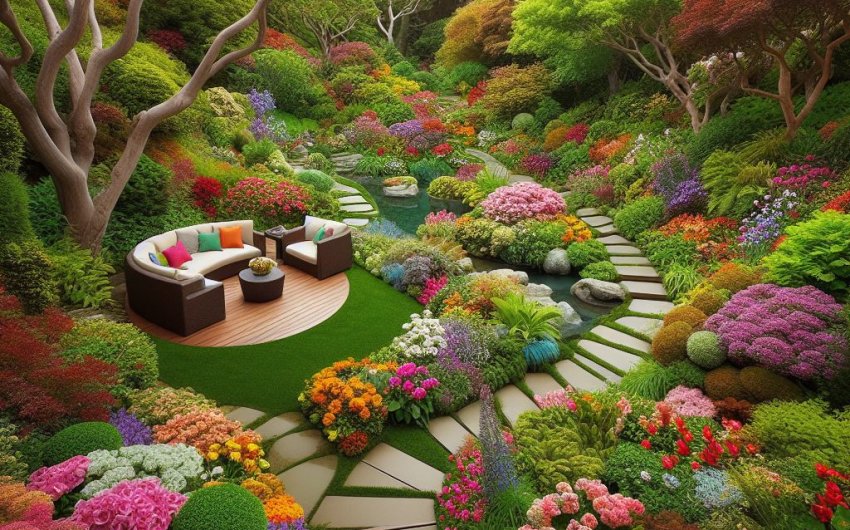
Creating your own dream garden is a journey of imagination and discovery, transforming a simple outdoor space into a personal sanctuary. It's more than just planting flowers; it's about crafting an environment that reflects your personality, meets your needs, and provides a beautiful backdrop for everyday life. From the first seed planted to the final decorative touch, every decision helps shape an outdoor haven where you can relax, entertain, or simply enjoy the beauty of nature. This process allows you to connect with the earth, observe the changing seasons, and cultivate a space that truly feels like an extension of your home.
The possibilities for your dream garden are as vast as your imagination. Whether you envision a vibrant tapestry of colors, a serene retreat for quiet contemplation, or a productive space for growing your own food, the journey begins with inspiration and thoughtful planning. This guide will walk you through the essential steps, offering practical tips and creative ideas to help you design a garden that not only looks stunning but also thrives and brings you joy for years to come. Let’s unlock the secrets to creating your perfect outdoor haven.
Where Do I Begin When Designing My Garden?
Starting a garden design can feel overwhelming, but breaking it down into simple steps makes it much easier. The first and most important phase is all about understanding your space and your desires. This foundational work will guide every decision you make, leading you closer to your dream garden.
How Do I Understand My Space?
Before you even think about plants, take a good look at your outdoor area. This means more than just a quick glance. Consider:
- Sunlight: Track how much sun different parts of your garden receive throughout the day. Areas with full sun (6+ hours of direct sun) will be perfect for many flowering plants and vegetables. Parts with partial sun (3-6 hours of direct sun) or shade (less than 3 hours) will need different types of plants. Use a sunlight meter for accuracy.
- Soil: What kind of soil do you have? Is it sandy, clay, or loamy? Good drainage is key for most plants. You can do a simple soil test or send a sample to a local extension office to understand its composition and pH. You might need to amend your soil with compost to improve it.
- Existing Features: Note down everything already in your garden: large trees, sheds, fences, patios, retaining walls, and even utility boxes. These are fixed elements you'll have to work around or incorporate.
- Slope and Drainage: Does your yard slope? Where does water collect after it rains? Proper drainage is vital to prevent root rot and erosion.
- Views: What are the good views you want to highlight, and what less-than-ideal views do you want to screen?
A simple garden notebook can help you record your observations.
What Are My Garden Goals and Needs?
This is where you think about how you want to use your dream garden. Ask yourself:
- Functionality: Do you want a space for entertaining, quiet relaxation, growing food, or a play area for kids/pets?
- Style: What kind of aesthetic appeals to you? Formal, cottage, modern, natural, or a specific theme like a pollinator garden or zen garden?
- Maintenance Level: How much time are you willing to spend on garden upkeep? Some gardens are very low-maintenance, while others require daily attention. Be realistic.
- Desired Features: Do you dream of a water feature, a fire pit, a vegetable patch, a cozy seating area, or an outdoor kitchen?
- Budget: How much are you willing to spend on materials, plants, and possibly professional help?
Brainstorming these ideas will help you create a garden design that truly fits your lifestyle.
Should I Sketch a Garden Plan?
Absolutely! Sketching a garden plan is a crucial step. It doesn't have to be perfect or professional-looking; even a rough drawing helps organize your thoughts.
- Measure and Draw: Start by measuring your garden space accurately and drawing a scaled outline on graph paper.
- Add Existing Features: Mark all permanent structures, trees, and other fixed elements.
- Define Zones: Based on your goals, draw in different zones for different activities (e.g., dining area, vegetable patch, quiet corner).
- Experiment with Layouts: Try out different arrangements for pathways, plant beds, and features. Use circles for trees, irregular shapes for beds.
- Consider Scale: Make sure the elements you're adding are appropriately sized for the space. Don't try to fit a giant fountain into a tiny yard.
A visual plan helps you see how everything fits together and avoids costly mistakes later. You might also look at garden design books for inspiration.
What Are Key Design Elements for a Beautiful Garden?
Once you have a clear plan and understanding of your space, you can start thinking about the actual elements that will bring your dream garden to life. These are the building blocks that create structure, beauty, and atmosphere in your outdoor haven.
How Do I Use Hardscaping Effectively?
Hardscaping refers to the non-living elements in your garden, such as patios, walkways, retaining walls, and garden structures. They provide the backbone of your design and define spaces.
- Patios and Decks: These create comfortable outdoor living rooms. Consider materials like pavers, natural stone, or wood decking.
- Walkways and Paths: They guide movement through the garden and connect different areas. Materials can range from gravel and stepping stones to brick or concrete. A well-placed garden gate can add charm to a path.
- Retaining Walls: Used to manage slopes, create terraced beds, or define raised planters.
- Fences and Gates: Provide privacy, security, and a sense of enclosure.
- Structures: Pergolas, arbors, and gazebos add vertical interest, shade, and a focal point.
Hardscaping should complement your home's architecture and the overall garden style.
How Do I Incorporate Softscaping and Plants?
Softscaping is all about the living elements – plants! This is where your garden truly comes alive with color, texture, and fragrance.
- Layering: Plant taller plants in the back of beds, mid-height plants in the middle, and shorter plants or groundcovers at the front. This creates depth and ensures all plants are visible.
- Color Theory: Choose a color palette that you love. Consider complementary colors (like purple and yellow) for vibrancy, or analogous colors (like blues and purples) for a more harmonious look.
- Texture and Form: Mix plants with different leaf shapes, sizes, and growth habits (spiky, feathery, broad, weeping) to add interest.
- Seasonal Interest: Select plants that offer beauty throughout the year – spring bulbs, summer perennials, fall foliage, and evergreen shrubs for winter.
- Right Plant, Right Place: Match plants to your specific sun, soil, and climate conditions (your USDA hardiness zone). Using a plant identification app can be very helpful for learning about specific plant needs.
- Native Plants: Consider incorporating native plants that are adapted to your region, as they often require less water and maintenance and support local wildlife.
What About Focal Points and Lighting?
Focal points are elements that draw the eye and create a sense of intrigue. They can be:
- A stunning specimen tree or shrub.
- A captivating water feature like a small pond kit or fountain.
- A piece of garden art or sculpture.
- A beautifully designed seating area.
- An inviting outdoor fire pit.
Lighting transforms your garden from day to night, extending its usability and highlighting key features.
- Path Lights: Guide visitors safely along walkways.
- Uplighting: Illuminates trees, statues, or architectural elements from below.
- Downlighting: Creates a moonlit effect from above, often mounted in trees.
- Accent Lighting: Draws attention to specific plants or features.
- String Lights: Create a festive, warm ambiance in seating areas. Consider solar garden lights for an easy, energy-efficient solution.
How Do I Choose the Right Plants for My Garden?
Selecting the right plants is exciting but can also be overwhelming with so many options. Focusing on the practical aspects first will narrow down your choices and lead to a thriving and beautiful dream garden.
What Does "Right Plant, Right Place" Mean?
This is perhaps the most important rule in gardening. It means choosing plants that are naturally suited to the specific conditions of your garden location. If you try to force a sun-loving plant into deep shade, or a moisture-loving plant into dry, sandy soil, it will struggle, look unhealthy, and might even die. Before buying any plant, always check its:
- Sunlight Needs: Does it need full sun, partial sun, or shade?
- Soil Type and pH: Does it prefer sandy, clay, or loamy soil? Acidic, neutral, or alkaline pH?
- Water Requirements: Does it like consistently moist soil, or does it prefer to dry out between waterings?
- Hardiness Zone: This is your geographic location's climate rating, indicating which plants can survive your winter temperatures. You can look up your USDA hardiness zone online. Plants rated for your zone or colder will typically survive.
- Mature Size: Always consider how big the plant will get when it's fully grown – not just how big it is in the pot!
Matching these needs to your garden's conditions ensures your plants will flourish, saving you time, money, and frustration. A plant care guide book can be a great reference.
How Can I Create Year-Round Interest?
A truly dynamic dream garden offers something beautiful to look at in every season, not just during spring and summer blooms. To achieve this:
- Spring: Focus on early bloomers like bulbs (crocuses, daffodils, tulips), flowering shrubs (forsythia, lilacs), and early perennials.
- Summer: This is typically the peak of blooms. Choose a variety of perennials that flower throughout summer, and annuals for continuous color. Don't forget edible plants for summer harvest.
- Fall: Incorporate plants with beautiful fall foliage (maples, some hydrangeas), late-blooming perennials (sedum, asters, mums), and ornamental grasses for texture.
- Winter: Rely on evergreen shrubs and trees for structure and color. Plants with interesting bark (birch, dogwood) or berries (holly) also add visual appeal. Ornamental grasses can provide movement even when dormant. By thoughtfully selecting plants with different peak seasons, you can ensure your garden remains captivating all year.
What is the Role of Native Plants and Pollinators?
Incorporating native plants is a wonderful way to create a more sustainable and vibrant dream garden.
- Environmental Benefits: Native plants are adapted to your local climate and soil conditions, meaning they often require less water, fertilizer, and pest control once established. This makes your garden more environmentally friendly.
- Support for Wildlife: Native plants provide essential food and habitat for local pollinators (bees, butterflies, hummingbirds) and other wildlife. A pollinator garden filled with native flowers helps support the local ecosystem.
- Natural Beauty: Native plants often have a unique beauty that fits harmoniously with the local landscape. When choosing plants, look for varieties that specifically attract pollinators, such as coneflowers, milkweed, salvia, and butterfly bushes. Providing a bee house or a bird bath can further support wildlife. Your dream garden can be a beautiful haven not just for you, but for nature too.
How Can I Make My Garden Sustainable and Eco-Friendly?
Designing a dream garden that is beautiful and thriving doesn't have to be at odds with being kind to the environment. In fact, many sustainable practices lead to a healthier, more resilient garden that requires less effort in the long run. Embracing eco-friendly gardening is a rewarding way to enhance your outdoor haven.
What is Water-Wise Gardening?
Water-wise gardening, also known as xeriscaping, focuses on reducing the need for irrigation. This is especially important in areas with water restrictions or drought.
- Choose Drought-Tolerant Plants: Select plants that are naturally adapted to dry conditions once established. Many native plants fall into this category. Look for plants with silvery leaves, fine hairs, or succulent properties, as these often indicate drought tolerance.
- Improve Soil Health: Amend your soil with organic matter like compost. Healthy soil holds moisture better, reducing runoff.
- Mulch, Mulch, Mulch! Apply a 2-4 inch layer of organic mulch (like wood chips, shredded bark, or straw) around your plants. Mulch suppresses weeds, keeps soil temperatures stable, and significantly reduces water evaporation from the soil. You can find organic garden mulch.
- Efficient Irrigation: If you do irrigate, use methods like drip irrigation or soaker hoses that deliver water directly to the plant roots, minimizing waste from evaporation or runoff. Consider a rain barrel to collect rainwater for your garden.
- Group Plants by Water Needs: Plant species with similar water requirements together. This allows you to water specific zones only as needed.
How Can I Support Local Wildlife?
Creating a garden that invites and supports local wildlife adds a dynamic and enriching dimension to your outdoor space.
- Provide Food: Plant native species that offer nectar, pollen, seeds, and berries for pollinators (bees, butterflies, hummingbirds) and birds. Include host plants for butterfly caterpillars (like milkweed for monarchs).
- Offer Water: A bird bath or a small, shallow water feature provides a drinking source.
- Create Shelter: Leave some areas a bit "wild" with brush piles, rock piles, or dense shrubs where small animals can hide. Consider installing a bee house or a bird feeder.
- Avoid Pesticides: Do not use harmful chemical pesticides or herbicides, as they can harm beneficial insects, birds, and other wildlife. Embrace natural pest control methods.
- Diverse Plantings: A variety of plant types (trees, shrubs, perennials, grasses) offers more diverse resources and habitats.
What is Composting and Why is it Good for My Garden?
Composting is the process of recycling organic matter (like kitchen scraps and yard waste) into a rich, dark material called compost. It's often called "black gold" for gardeners because of its numerous benefits.
- Nutrient-Rich Soil Amendment: Compost enriches your soil with essential nutrients, improving plant growth and health naturally.
- Improves Soil Structure: It enhances soil drainage in clay soils and helps sandy soils retain moisture, making your garden more water-wise.
- Reduces Waste: Keeps organic materials out of landfills, reducing methane emissions.
- Suppresses Diseases: Healthy, compost-amended soil tends to produce stronger plants that are more resistant to pests and diseases.
You can easily start your own compost pile or use a compost bin. Add fruit and vegetable scraps, coffee grounds, tea bags, eggshells, grass clippings, and shredded leaves. Avoid meat, dairy, and oily foods. Composting is a simple yet powerful way to make your dream garden more self-sufficient and environmentally friendly.
How Do I Maintain My Dream Garden?
Once your dream garden is designed and planted, ongoing care is crucial to keep it looking beautiful and thriving. Good maintenance practices will ensure your outdoor haven remains a source of joy rather than a chore.
What Are Essential Regular Maintenance Tasks?
Consistency is key for garden health. Here are some regular tasks:
- Weeding: Pull weeds regularly, especially when they are small. Weeds compete with your desired plants for water, nutrients, and sunlight. A good pair of garden gloves and a hand weeder will be your best friends.
- Watering: Monitor your plants' water needs. Deep, infrequent watering is usually better than shallow, frequent watering, as it encourages deeper root growth. Use a watering can or a hose with a gentle spray nozzle.
- Deadheading: For many flowering plants, removing spent blooms (deadheading) encourages the plant to produce more flowers rather than putting energy into seed production. This keeps your garden looking tidy and extends the blooming season.
- Pest and Disease Checks: Regularly inspect your plants for any signs of pests or diseases. Early detection makes control much easier, often with organic methods.
When Should I Prune My Plants?
Pruning is important for plant health, shape, and flower production. The timing depends on the plant:
- Spring-flowering shrubs (like lilacs, forsythia): Prune immediately after they finish flowering. They form their flower buds on old wood.
- Summer-flowering shrubs (like hydrangeas that bloom on new wood): Prune in late winter or early spring before new growth begins.
- Perennials: Many perennials benefit from a cutback in late fall or early spring to encourage fresh new growth.
- Evergreen shrubs and trees: Generally, prune for shape or to remove dead/damaged branches in late winter or early spring.
- Dead or Damaged Branches: Remove these anytime they appear, regardless of the season. Always use sharp, clean pruning shears to make clean cuts that heal quickly.
What About Fertilizing and Soil Amendments?
Fertilizing supports plant growth, but it's important not to overdo it.
- Soil Test: If you haven't done one recently, a soil test kit will tell you exactly what nutrients your soil needs.
- Compost: The best all-around soil amendment is compost. Top-dress your beds with a layer of compost once or twice a year. It slowly releases nutrients and improves soil structure.
- Fertilizers: If needed, choose a fertilizer that matches your plants' specific needs (e.g., a balanced fertilizer for general growth, a bloom-boosting fertilizer for flowers, or a specific vegetable fertilizer). Follow package directions carefully to avoid over-fertilizing, which can harm plants and pollute water.
- Mulch: In addition to its water-saving benefits, organic mulch (like wood chips or shredded leaves) breaks down over time, adding organic matter to the soil. Reapply mulch as it decomposes, usually once a year.
Consistent and thoughtful maintenance will ensure your dream garden flourishes and provides a beautiful, serene outdoor haven for you to enjoy for many years.