
Container Gardening Made Easy: Tips for Growing Beauty in Small Spaces
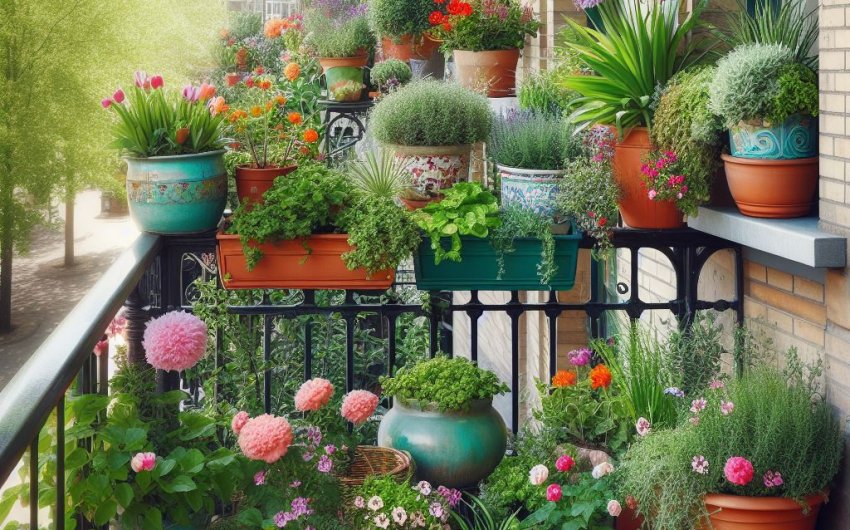
Embracing container gardening opens up a world of possibilities for cultivating vibrant beauty, even when traditional garden beds are out of reach. This versatile method allows anyone with a balcony, patio, or even a sunny windowsill to enjoy the pleasures of growing plants. Learning the ropes of container gardening made easy means understanding the specific needs of potted plants, from choosing the right vessel to mastering watering techniques, all designed to help your small space flourish with blooms, herbs, or even vegetables.
Why Choose Container Gardening?
Container gardening is much more than just a workaround for small spaces; it offers unique advantages and flexibility that traditional in-ground gardening simply can't match.
What Are the Benefits of Growing in Pots?
The adaptability and control offered by containers make them an attractive option for many gardeners.
How Does It Maximize Space?
Ideal for small spaces (balconies, patios, windowsills): This is the most obvious benefit. Container gardening is perfectly suited for apartments, condos, townhouses, or any home with limited outdoor space. Balconies, patios, decks, rooftops, and even sunny windowsills can be transformed into productive and beautiful gardens. It allows you to grow a wide variety of plants without needing a dedicated plot of land.
Vertical gardening opportunities: Containers lend themselves beautifully to vertical gardening. You can stack pots, use hanging baskets, employ wall-mounted planters, or grow climbing plants up trellises connected to pots. This maximizes your growing area upwards, adding lushness and visual interest without taking up precious floor space. A vertical garden planter can unlock new possibilities.
Flexibility and portability: One of the greatest advantages is the flexibility and portability of containers.
Advertisement- Chase the sun: You can easily move plants to ensure they get optimal sunlight throughout the day or as the seasons change.
- Protect from extreme weather: Move delicate plants indoors or to a sheltered spot during frosts, heavy rain, or strong winds.
- Redesign layouts: Easily change your garden's layout or aesthetics by rearranging pots.
- Relocate when moving: Take your entire garden with you if you move homes!
How Does It Offer More Control?
Control over soil conditions: With containers, you have complete control over the soil conditions. You can create the perfect soil mix for specific plants (e.g., acidic for blueberries, well-draining for succulents), which is often much harder to achieve in inconsistent garden soil. This is especially useful if your native soil is poor quality.
Reduced weed and pest problems: Container gardening typically leads to fewer weed and pest problems. Weeds are less likely to sprout in sterile potting mix, and pests are often easier to spot and manage on isolated plants in containers. Raised plants are also less accessible to some ground-dwelling pests.
Customizable environment: You can create a highly customizable environment for each plant, catering to its unique light, water, and soil preferences, optimizing its growth and health.
What Are Aesthetic Benefits?
Decorative element: Containers themselves are a decorative element. They come in a vast array of materials, colors, shapes, and sizes, allowing you to add style and personality to your space. You can match them to your outdoor decor or create eclectic displays. A beautiful decorative plant pot enhances any corner.
Design flexibility (color, texture): You have incredible design flexibility with containers. Group pots of different sizes and materials, combine plants with varying colors and textures, and create dynamic arrangements that can be easily changed with the seasons or your mood.
Elevated plants for focal points: Containers allow you to elevate plants, bringing them closer to eye level and turning them into striking focal points on a patio or balcony.
What Can I Grow in Containers?
The possibilities for container-grown plants are far more extensive than many people realize.
Flowering plants (annuals, perennials): Almost any flowering annual or perennial can thrive in a container, provided the container is appropriately sized. Popular choices include petunias, impatiens, geraniums, marigolds, nasturtiums, coneflowers, hostas, and many ornamental grasses.
Herbs: Herbs are fantastic for containers and perfect for a kitchen garden on a patio. Basil, mint, rosemary, thyme, oregano, cilantro, and parsley all do wonderfully in pots, often grouped together in a herb planter.
Vegetables (compact varieties): Many vegetables have been specifically bred for container growth. Look for compact, dwarf, or bush varieties.
- Tomatoes: Bush varieties like 'Patio' or 'Celebrity'.
- Peppers: Bell peppers, chili peppers.
- Lettuce and leafy greens: Spinaches, arugula, kale.
- Radishes, carrots (short varieties): Choose shorter root vegetables.
- Bush beans, peas: Compact bush varieties.
- Eggplant, zucchini (compact varieties): Even these larger veggies have container-friendly options. A raised garden bed kit can function as a large container for multiple vegetables.
Small fruits (strawberries, blueberries, dwarf fruit trees): Yes, you can grow fruit!
- Strawberries: Excellent in hanging baskets or strawberry pots.
- Blueberries: Require acidic soil, easily managed in containers. Need specific blueberry plant food.
- Dwarf fruit trees: Citrus, figs, apples, and cherries can be grown in large containers, often requiring specific dwarf rootstocks.
Trees and shrubs (dwarf varieties): Many dwarf varieties of trees and shrubs are suitable for containers, offering structure and evergreen interest year-round. This includes dwarf conifers, Japanese maples, hydrangeas, and boxwoods.
How Do I Set Up My Container Garden for Success?
The right foundation in terms of containers, soil, and initial plant selection makes all the difference in container gardening.
What Containers Should I Choose?
The pot is the plant's home, so choose wisely.
What Are the Best Container Materials?
Terracotta/Clay:
- Pros: Porous, allowing roots to breathe, good for plants that prefer drier conditions, classic aesthetic.
- Cons: Dries out quickly (requires more frequent watering), can break easily, heavier. A terra cotta pot adds a traditional look.
Plastic/Resin:
- Pros: Lightweight, affordable, retains moisture well (less frequent watering), durable, comes in many colors/styles.
- Cons: Can look less natural, some lower-quality plastics degrade in UV over time.
Ceramic/Glazed Pottery:
- Pros: Beautiful, decorative, retains moisture well, heavier (stable for tall plants).
- Cons: Can be expensive, heavy, may crack in freezing temperatures if not glazed properly.
Metal (galvanized steel, aluminum):
- Pros: Durable, modern aesthetic, often lightweight (aluminum).
- Cons: Can heat up quickly in direct sun, potentially harming roots, may rust (steel).
Fabric Grow Bags:
- Pros: Excellent drainage and aeration ("air pruning" roots), lightweight, foldable for storage, promotes healthy root systems.
- Cons: Dries out faster than plastic, less decorative (though some find their look appealing). Fabric grow bags are popular for vegetables.
Why Are Drainage Holes Essential?
Prevents root rot: Drainage holes are absolutely non-negotiable for container gardening. They allow excess water to escape, preventing the soil from becoming waterlogged. Waterlogged soil deprives roots of oxygen, leading to root rot and plant death.
Ensures healthy root development: Proper drainage ensures that roots have access to oxygen, promoting healthy growth and preventing a soggy, anaerobic environment.
Saucers/drip trays: Always use a saucer or drip tray underneath pots with drainage holes to catch excess water and protect surfaces below. Remember to empty these saucers promptly to prevent plants from sitting in standing water. A clear plant saucer is inconspicuous.
What Kind of Potting Mix Is Best?
The right potting mix is vastly different from garden soil and is fundamental to container success.
Lightweight and well-draining: A good potting mix must be lightweight and well-draining to prevent compaction and allow for proper aeration and drainage. It should also be able to retain some moisture and nutrients.
Not garden soil: Never use ordinary garden soil in containers. Garden soil is too dense, compacts easily in pots, contains weed seeds, and can harbor pests and diseases. It will suffocate plant roots in a container.
Components of good potting mix: Look for a high-quality, sterile potting mix specifically labeled for containers. It typically contains:
- Peat moss or coco coir: For moisture retention.
- Perlite or vermiculite: For aeration and drainage.
- Compost or aged bark fines: For nutrients and organic matter. You can also buy organic potting mix options.
Fresh mix annually: It's best to use fresh potting mix annually, especially for annual plants or heavy feeders. Over time, potting mix breaks down, loses its structure, and nutrients are depleted.
How Do I Choose the Right Plants?
Matching the plant to its container and environment is key.
Consider mature plant size vs. pot size: Always choose a pot size that can accommodate the plant's mature size, including its root system. A general rule of thumb is that the pot should be at least as wide as the plant's mature spread. Root-bound plants will struggle.
"Thrillers, Fillers, Spillers" design concept: This popular design concept helps create visually appealing mixed containers:
- Thrillers: A tall, upright plant (or plants) that provides height and a focal point (e.g., canna lily, tall grass, dracaena).
- Fillers: Bushy, mounding plants that fill out the middle of the container (e.g., petunias, impatiens, coleus).
- Spillers: Trailing plants that cascade over the edge of the pot, softening its lines (e.g., sweet potato vine, creeping jenny, calibrachoa). A garden design book can offer more ideas.
Matching plant needs (sun, water): Group plants in the same container only if they have similar sun and water requirements. Don't put a sun-loving, drought-tolerant succulent with a shade-loving, moisture-loving fern in the same pot.
How Do I Care for My Container Garden?
Container plants have slightly different care needs than in-ground plants, primarily due to their limited soil volume.
What Are the Watering Essentials?
Watering is the most critical aspect of container gardening care.
How Often Should I Water?
More frequent watering than in-ground: Containers dry out much faster than garden beds due to limited soil volume, drainage, and exposure to air. This means container plants need more frequent watering – often daily, especially during hot, sunny, or windy weather.
"Finger test" is key: Don't water on a strict schedule. Instead, use the "finger test" (stick your finger an inch or two into the soil) to determine if the top inch of soil is dry. If it is, water.
Factors influencing frequency: Watering frequency varies greatly based on:
- Plant type: Some plants like to dry out between waterings (e.g., rosemary, succulents), while others prefer consistently moist soil (e.g., impatiens, ferns).
- Container material: Terracotta dries faster than plastic.
- Size of container: Smaller pots dry faster.
- Weather: Hot, sunny, windy weather increases water needs.
- Plant size: Larger plants in the same pot use more water.
How Do I Water Properly?
Water deeply until drainage: Always water thoroughly until you see water draining from the bottom of the pot. This ensures that the entire root ball is saturated.
Discard excess water: After watering, empty any standing water from the saucer immediately. Never let your plant sit in stagnant water, as this leads to root rot.
Avoid overhead watering (for some plants): While overhead watering is fine for many plants, for some (like tomatoes, squash) or in humid conditions, watering at the base of the plant using a watering wand or soaker hose can help prevent leaf diseases.
What Are the Fertilization Needs?
Container plants exhaust their soil nutrients quickly.
Regular feeding (liquid fertilizer): Since containers have a finite amount of soil, nutrients are quickly used up or leached out with watering. Container plants need regular feeding. Use a balanced liquid fertilizer (e.g., 10-10-10 or 20-20-20 NPK) mixed at half or quarter strength, applied every 2-4 weeks during the active growing season (spring through early fall).
Slow-release granular options: Alternatively, you can incorporate a slow-release granular fertilizer into the potting mix at the time of planting. This releases nutrients over several months. A good container plant fertilizer will specify its release duration.
Reduce/stop in winter: Do not fertilize during the fall and winter months when plant growth slows down.
How Do I Prune and Maintain for Beauty?
Regular maintenance keeps your container garden looking its best and encourages more blooms.
Deadheading spent blooms: Deadheading (removing faded or spent flowers) is crucial for many flowering annuals and perennials. It redirects the plant's energy from seed production to making more blooms, ensuring continuous flowering. Use clean, sharp pruning shears.
Pinching for bushier growth: For leggy plants, pinching (removing the growing tip) encourages bushier growth and more flowers.
Trimming for shape and health: Periodically trim back overgrown or unruly stems to maintain the desired shape and size of your plants. Also, remove any yellowing, diseased, or damaged leaves to maintain plant health and appearance.
What About Pest and Disease Management?
Containers can help manage problems, but vigilance is still needed.
Regular inspection: Inspect your plants regularly for signs of pests (e.g., aphids, spider mites) or diseases. Catching problems early makes them much easier to control. Look at the undersides of leaves too.
Organic pest control (neem oil, insecticidal soap): For most common pests, start with organic pest control methods like a strong spray of water to dislodge pests, or applications of neem oil spray or insecticidal soap.
Improve air circulation: Ensure good air circulation around and between your container plants to help prevent fungal diseases. Don't crowd too many plants together.
Embracing container gardening made easy truly empowers anyone to cultivate a beautiful and productive green space, regardless of the size of their yard. By thoughtfully selecting appropriate containers and potting mixes, understanding the unique watering and feeding needs of potted plants, and applying consistent maintenance practices, you can transform even the most compact areas into thriving oases of color, fragrance, and delicious edibles, bringing the joy of growing right to your doorstep.