
Blooms That Wow: Crafting a Stunning Flower Garden That Wows Every Season
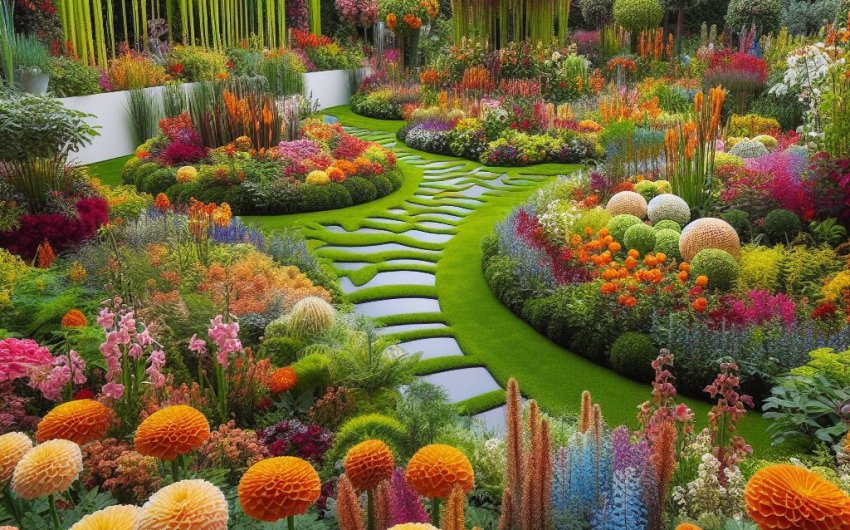
Designing a truly magnificent flower garden is an endeavor that brings joy and beauty to any outdoor space. It’s about more than just planting a few colorful blooms; it’s about thoughtful planning, understanding the seasons, and creating a living masterpiece that evolves throughout the year. Imagine a vibrant display that captures attention with its changing palette and textures, a place where beauty unfolds with every passing month. This guide will help you create such a space, ensuring your garden "wows" in every season.
How Do You Start Planning a Year-Round Flower Garden?
Creating a flower garden that impresses year-round requires careful thought and a strategic approach. It's about building layers of interest, considering how different plants will look together, and ensuring there's always something in bloom.
Understanding Your Garden's Canvas
Before you even think about buying plants, you need to understand the environment you're working with. This involves a bit of observation and research.
Sun Exposure: The Foundation of Flower Choices
The amount of sunlight your garden receives is the most critical factor in choosing the right flowers. Plants have different needs: some thrive in full sun (at least six hours of direct sunlight per day), while others prefer partial shade (two to six hours of sun) or even full shade (less than two hours of sun). Map out your garden's sunny and shady spots throughout the day. A sunlight calculator tool can help you determine precise sun exposure in different areas.
Soil Type: The Lifeblood of Your Blooms
Your soil is where your plants get their nutrients. Knowing your soil type – whether it's sandy, clay, or loamy – and its pH level is crucial. Most flowers prefer well-drained, fertile soil. If your soil isn't ideal, you can improve it by adding organic matter like compost or aged manure. A soil testing kit will give you accurate information about your soil's composition and pH.
Climate and Hardiness Zones: Knowing Your Limits
Your hardiness zone tells you which plants can survive the winter temperatures in your region. The USDA Plant Hardiness Zone Map is a valuable tool for this. Choosing plants suitable for your zone will save you a lot of disappointment. Also, consider your specific climate – do you have hot, dry summers or cool, wet ones? This will influence your plant choices for each season. Look up your local hardiness zone online.
Designing for Continuous Interest
A "wow" garden isn't just about a burst of color in spring; it's about sustained beauty. This means planning for a succession of blooms.
Color Palettes: Setting the Mood
Decide on a color scheme that appeals to you. Do you prefer a vibrant, riotous mix of colors, or a more calming, monochromatic theme? Consider how different colors interact. Complementary colors (like purple and yellow) create a dynamic contrast, while analogous colors (like blues and greens) offer a more harmonious feel. A gardener's color wheel can be a helpful visual aid.
Texture and Form: Beyond Just Blooms
Don't forget about texture and form. These elements add depth and visual interest even when plants aren't in bloom. Think about plants with interesting foliage (e.g., hostas), architectural shapes (e.g., ornamental grasses), or unique seed heads. Mixing broad leaves with feathery ones, or tall spires with mounding forms, creates a dynamic look.
Layering for Visual Depth
Plant in layers, from shortest plants in the front to tallest in the back, or create drifts for a more natural look. This creates depth and ensures all your beautiful blooms are visible. Consider the mature height and spread of each plant when planning your layers. A good garden planning book can provide layout ideas.
What Flowers Bloom in Spring to Kickstart the Show?
Spring is the season of renewal, and your garden should reflect that with an explosion of early color. These blooms announce the arrival of warmer weather and set the stage for the rest of the year.
Early Spring Delights
These are the first brave souls to emerge, often even before the last frost has completely melted.
Snowdrops and Crocuses: Winter's End Whisperers
Snowdrops (Galanthus nivalis bulbs) and Crocuses (Crocus bulbs) are tiny but mighty, pushing through snow to herald the spring. Plant them in drifts under deciduous trees or along pathways for a delightful surprise. They naturalize easily, meaning they'll spread and multiply over time.
Daffodils: Sunny Harbingers
Daffodils (Daffodil bulbs) are synonymous with spring. Their cheerful yellow, white, and orange blooms bring a burst of sunshine to the garden. They are relatively deer and rodent resistant, making them a great choice for many gardens. Plant them in large groups for maximum impact.
Hyacinths: Fragrant Beauties
Hyacinths (Hyacinth bulbs) offer intensely fragrant, colorful spikes. Their perfume can fill an entire garden. Plant them near windows or seating areas to fully appreciate their scent.
Mid-Spring Spectacles
As spring progresses, more substantial blooms take center stage, adding more volume and drama to your garden.
Tulips: The Iconic Spring Flower
Tulips (Tulip bulbs) come in an astonishing array of colors, shapes, and sizes. From early-blooming triumph tulips to late-blooming Darwin hybrids, you can extend your tulip display for weeks. Plant them in layers with different bloom times for a continuous show.
Bleeding Hearts: Dainty and Delicate
Bleeding hearts (Dicentra spectabilis plants) feature charming heart-shaped flowers on arching stems. They prefer partial shade and moist soil, making them perfect for woodland gardens or shady borders.
Primroses: Cheerful and Versatile
Primroses (Primula plants) offer a wide range of colors and bloom forms. They are excellent for mass planting, rock gardens, or containers, bringing a cheerful burst of color to various garden spots.
How Can You Ensure Your Garden Dazzles in Summer?
Summer is the peak season for many flowers, offering the most vibrant and abundant displays. This is where your garden truly "wows" with continuous color and lush foliage.
Long-Blooming Staples
To keep the show going, focus on plants that bloom for an extended period, providing consistent color.
Daylilies: The Indefatigable Bloomers
Daylilies (Daylily plants) are incredibly hardy and come in a vast array of colors and sizes. While each bloom only lasts a day, the plants produce a continuous succession of flowers for weeks or even months. They are adaptable to various conditions and relatively low-maintenance.
Coneflowers: Pollinator Magnets
Coneflowers (Echinacea purpurea seeds) are tough, drought-tolerant perennials that attract butterflies and bees. Their daisy-like flowers with prominent central cones bloom from summer into fall, providing continuous interest and a natural look.
Phlox: Fragrant and Fluffy
Phlox (Tall garden phlox plants) offers dense clusters of fragrant flowers in a range of colors, from white and pink to purple. They are excellent for creating a vibrant mass of color and attracting pollinators.
Heat-Loving Performers
For areas with hot summers, choose plants that can withstand the heat and continue to bloom even when temperatures soar.
Sedum: Succulent and Striking
Sedum (Sedum 'Autumn Joy' plants) varieties, particularly 'Autumn Joy', are incredibly resilient and provide structural interest even before they bloom. Their flower heads start green, turn pink, then bronze, and finally russet, extending interest well into fall. They are drought-tolerant and attract butterflies.
Lantana: Colorful and Tolerant
Lantana (Lantana plants) thrives in full sun and heat, producing clusters of brightly colored flowers that attract butterflies and hummingbirds. It's a low-maintenance choice for vibrant, continuous color.
Coreopsis: Cheerful Yellows
Coreopsis (Coreopsis 'Moonbeam' seeds) offers a profusion of cheerful yellow, orange, or pink daisy-like flowers. Many varieties are long-blooming and drought-tolerant, making them perfect for sunny, hot spots.
What Flowers Keep Your Garden Stunning Through Autumn?
As summer fades, autumn brings a rich tapestry of colors, not just from foliage but from late-blooming flowers too. These plants extend your garden's peak season, providing beauty when many other blooms are finished.
Late-Season Luminaries
These flowers thrive in the cooler temperatures of fall, offering a final burst of color before winter.
Mums: The Autumn Classic
Chrysanthemums, or mums (Garden mum plants), are the quintessential fall flower. They come in an incredible array of colors, sizes, and forms, providing dense mounds of color. Choose hardy perennial varieties to ensure they return year after year.
Asters: Starry Blooms
Asters (New England Aster plants) produce masses of small, daisy-like flowers in shades of purple, pink, and white. They are excellent for attracting late-season pollinators and providing a beautiful backdrop for other fall plants.
Anemones: Delicate and Resilient
Japanese Anemones (Japanese Anemone plants) offer delicate, cup-shaped flowers on tall, slender stems. They bloom in late summer and early fall, adding elegance to the autumn garden. They prefer partial shade and moist, well-drained soil.
Ornamental Grasses: Texture and Movement
While not strictly flowers, ornamental grasses provide incredible texture, movement, and architectural interest throughout the fall and even into winter. Their seed heads often catch the light beautifully.
Maiden Grass: Graceful Plumes
Maiden Grass (Miscanthus sinensis 'Gracillimus' plants) forms elegant clumps with feathery plumes that turn shades of bronze and gold in the fall. It adds a soft, wispy texture to the garden.
Little Bluestem: Striking Color
Little Bluestem (Schizachyrium scoparium seeds) is a native grass that turns a stunning rusty-red or purple in the fall, providing brilliant color long after flowers have faded.
How Can You Add Winter Interest to Your Flower Garden?
Even in winter, your flower garden can "wow" with subtle beauty and structure. It's about thinking beyond blooms and focusing on elements that stand out against a stark landscape.
Evergreen Elements: The Green Backbone
Evergreens provide essential structure and color when deciduous plants have shed their leaves.
Conifers: Varied Shapes and Textures
Small conifers (Dwarf conifer trees) come in a vast array of shapes, sizes, and colors (from deep green to blue-green and even gold). They provide year-round interest and act as anchors in your garden beds.
Hellebores: Winter's Roses
Hellebores (Hellebore plants), also known as Lenten roses or Christmas roses, are true winter marvels. They produce beautiful, often nodding, cup-shaped flowers in shades of white, pink, purple, and even black, often blooming when snow is still on the ground. They are deer-resistant and prefer shady locations.
Wintergreen and Heather: Low-Growing Charm
Wintergreen (Gaultheria procumbens plants) offers evergreen foliage and bright red berries. Heather (Erica plants) varieties provide low-growing evergreen shrubs with tiny bell-shaped flowers that can bloom in winter.
Architectural Interest and Berries
Consider elements that offer strong shapes or bright colors through their fruit or bark.
Dogwoods: Colorful Bark
Certain dogwood varieties (Red Twig Dogwood shrubs), like the Red Twig Dogwood, have vibrantly colored bark (red, yellow, or orange) that becomes most prominent in winter after the leaves have dropped. Plant them where their bark can be admired.
Winterberry Holly: Brilliant Red Berries
Winterberry Holly (Ilex verticillata shrubs) is a deciduous holly that produces an abundance of bright red berries that persist on the bare branches throughout the winter, providing a stunning splash of color. You'll need both a male and female plant for berry production.
Seed Heads: Natural Sculptures
Leave the seed heads of some plants, like coneflowers, sedum, and certain ornamental grasses, standing through the winter. They provide texture and interest, especially when dusted with snow or frost, and offer food for birds.
What Are Some Essential Maintenance Tips for a Wow-Worthy Garden?
A beautiful flower garden isn't just planted; it's maintained. Regular care ensures your blooms remain stunning and healthy throughout the year.
Consistent Watering Practices
Proper watering is fundamental. Most flowers need about an inch of water per week, either from rain or irrigation. Deep, infrequent watering is better than shallow, frequent watering, as it encourages deeper root growth. Consider a soaker hose system for efficient watering.
Early Morning Watering
Water in the early morning to allow foliage to dry before nightfall, which helps prevent fungal diseases. Avoid watering during the hottest part of the day, as much of the water will evaporate.
Check Soil Moisture
Don't just water on a schedule. Stick your finger into the soil to a depth of about an inch or two. If it feels dry, it's time to water. A moisture meter can also be helpful.
Feeding Your Flowers
Flowers, especially annuals and heavy bloomers, benefit from regular feeding to support their continuous flowering.
Compost and Organic Matter
Start with a good foundation by amending your soil with compost at planting time. This provides a slow release of nutrients and improves soil structure.
Balanced Fertilizers
Use a balanced flower fertilizer or one specifically formulated for blooms. Follow the package directions for application rates. Liquid fertilizers offer a quick boost, while granular fertilizers provide a slower, more sustained release.
Pruning and Deadheading
These practices are vital for encouraging more blooms and maintaining plant health and appearance.
Deadheading: More Blooms, More "Wow"
Deadheading is the practice of removing spent flowers. This prevents the plant from putting energy into seed production and redirects it into producing more blooms. It keeps your garden looking tidy and extends the flowering season. Use sharp bypass pruners.
Pruning for Shape and Health
Pruning involves removing dead, diseased, or damaged branches, as well as shaping the plant. For some perennials, a mid-season "chop" can encourage a second flush of blooms. Always use clean, sharp gardening shears.
Pest and Disease Management
Keeping an eye out for pests and diseases will help you address problems early and keep your plants healthy.
Integrated Pest Management (IPM)
Practice Integrated Pest Management (IPM), which emphasizes prevention and non-chemical solutions first. This includes encouraging beneficial insects, hand-picking pests, and using organic pest control methods when necessary. A good garden sprayer can be useful for applying organic solutions.
Regular Inspections
Inspect your plants regularly for any signs of trouble. Catching problems early makes them much easier to manage. Look under leaves and in crevices for hidden pests.
Winterizing Your Garden
Preparing your garden for winter is essential for the survival of many perennials and helps ensure a spectacular show next spring.
Fall Cleanup (with care)
Remove diseased plant material to prevent pathogens from overwintering. However, leave some spent seed heads and plant stalks for winter interest and as food/shelter for wildlife.
Mulching
Apply a layer of organic mulch (like shredded leaves or wood chips) around your plants after the first hard freeze. This insulates the soil, protects roots from extreme temperature fluctuations, and helps retain moisture.
Dividing Perennials
Some perennials benefit from division every few years to maintain their vigor and spread their beauty. Fall is often a good time to divide many perennials. Use a garden digging fork for this task.
What Are Some Creative Touches to Make Your Garden Truly "Wow"?
Beyond the basics, thoughtful details and creative additions can elevate your flower garden from simply pretty to truly spectacular.
Incorporating Hardscaping Elements
Hardscaping refers to the non-living elements in your garden. They provide structure and enhance the overall design.
Pathways and Borders
Define your garden beds with garden edging or create charming pathways with stepping stones. These elements guide the eye and create a sense of order.
Garden Ornaments and Art
Add a touch of personality with garden statues, wind chimes, or even a unique bird bath. Choose pieces that complement your garden's style and theme.
Seating Areas
Create inviting spaces within your garden to sit and enjoy your blooms. A garden bench or a cozy bistro set can transform your garden into an outdoor living room.
Lighting for Evening Ambiance
Don't let your garden's beauty disappear after sunset. Strategic lighting can create a magical atmosphere.
Solar Lights
Solar garden lights are easy to install and create subtle illumination along pathways or to highlight key plants.
String Lights
Drape outdoor string lights through pergolas or trees for a festive and enchanting glow.
Spotlights
Use small landscape spotlights to accentuate a particularly stunning specimen plant or a garden ornament.
Attracting Wildlife: Birds and Butterflies
A truly "wow" garden is a living ecosystem, and attracting beneficial wildlife adds another layer of charm.
Pollinator-Friendly Plants
Choose a variety of plants that provide nectar and pollen for bees, butterflies, and other pollinators throughout the seasons. Look for "pollinator-friendly" labels on seed packets.
Bird Feeders and Houses
Install a bird feeder and a bird house to encourage feathered friends to visit. Birds help with pest control and add delightful sounds to your garden.
Water Features
A small water feature can attract birds, provide a soothing sound, and add a sense of tranquility to your garden.
Containers for Flexibility and Pop
Even if you have in-ground beds, containers offer incredible flexibility and can be used to add pops of color or move plants around as needed.
Seasonal Displays
Plant containers with seasonal blooms that can be easily swapped out to keep your entrance or patio looking fresh and vibrant.
Bringing Plants Indoors
Some tender perennials or annuals planted in containers can be brought indoors during winter to protect them from frost, extending their life. Choose weather-resistant planters.