
Unlocking the Secrets of Garden Design: Expert Tips for a Picture-Perfect Landscape
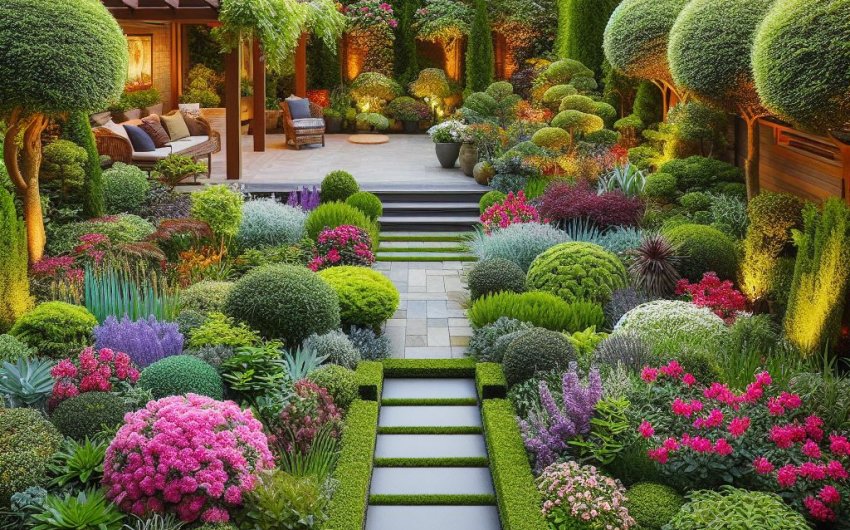
A truly captivating garden is far more than just a collection of pretty plants; it's a living work of art, a thoughtfully crafted outdoor space that invites relaxation, stimulates the senses, and seamlessly extends the beauty of your home into the natural world. Achieving that "picture-perfect" look, one that feels both intentional and effortlessly beautiful, is the essence of garden design. It's about blending creativity with practical considerations, transforming a mere backyard into a personal sanctuary or a vibrant entertaining hub. For many, the idea of landscape design can seem overwhelming, reserved only for professionals with years of experience.
However, the secrets of garden design are accessible to every aspiring gardener. By understanding fundamental principles and applying expert tips, you can approach your outdoor space with confidence, making informed decisions that lead to stunning results. Whether you're starting from scratch or looking to refresh an existing area, the journey begins with a vision and a few key guidelines. This guide will help you unlock the secrets of garden design, empowering you to create a harmonious, functional, and aesthetically pleasing landscape that you'll cherish for years to come. Let's delve into the core concepts that transform ordinary plots into extraordinary outdoor havens.
What is Garden Design and Why is it Important?
Before diving into the "how-to," let's understand the core of garden design.
What is Garden Design All About?
Garden design is the art and process of creating a plan for the layout and planting of a garden or landscape. It involves:
- Aesthetics: How the garden looks and feels. This includes elements like color, texture, form, and scale.
- Functionality: How the garden is used. Does it serve as a place for relaxation, entertainment, growing food, or play?
- Sustainability: How the garden interacts with the environment. This might involve water conservation, supporting local wildlife, and using native plants.
- Integration: How the garden connects with the architecture of your home and the surrounding environment.
It's about much more than just sticking plants in the ground; it's about making deliberate choices to create a cohesive and enjoyable outdoor space.
Why is Thoughtful Garden Design Important?
- Creates a Cohesive Look: A well-designed garden has a unified theme and flow, preventing it from looking like a haphazard collection of plants and objects.
- Enhances Usability: By defining specific zones for different activities (dining, lounging, playing), a garden becomes more functional and inviting.
- Boosts Property Value: A beautiful and well-maintained landscape significantly increases the curb appeal and market value of your home.
- Provides Relaxation and Well-being: A personal outdoor sanctuary can reduce stress, improve mood, and offer a deep connection to nature.
- Expresses Personal Style: Your garden is an extension of your home and personality. Design allows you to express your aesthetic and create a space that truly reflects you.
- Reduces Maintenance (in the long run): While initial planning takes effort, a thoughtful design often leads to a more low-maintenance garden, as plants are placed where they will thrive and spaces are efficiently laid out.
What Are the Fundamental Principles of Garden Design?
These are the core concepts that professional designers use. Mastering them will elevate your garden.
How Does Unity and Harmony Create a Beautiful Garden?
Unity is achieved when all elements of the garden (plants, hardscaping, features) work together seamlessly, creating a sense of completeness and belonging. Harmony is the pleasing arrangement of these elements.
- Repetition: Repeat certain elements (a specific plant, a color, a type of stone, a shape) throughout the garden to create a visual rhythm and connection between different areas. For example, using the same paver stones for all pathways.
- Simplicity: Avoid clutter. Too many different types of plants or conflicting decorations can make a garden feel chaotic. Stick to a limited palette of colors and forms for a more unified look.
- Flow: Ensure a smooth transition between different areas or "rooms" of your garden, both visually and physically. Pathways should invite movement.
What is the Importance of Balance in Garden Design?
Balance refers to the visual weight of elements within the garden.
- Symmetrical Balance: Achieved when one side of a garden design mirrors the other. This creates a formal, orderly, and often traditional feel (e.g., matching planters on either side of a door).
- Asymmetrical Balance: Achieved by balancing unequal elements with opposing visual weights. For example, a large tree on one side can be balanced by a group of smaller shrubs or a bold sculpture on the other. This creates a more informal, natural, and dynamic feel.
How Does Proportion and Scale Affect Garden Appeal?
Proportion relates to the size of individual elements in relation to each other, and to the garden as a whole. Scale refers to the size of garden elements in relation to a human being.
- Right Size for the Space: Don't put a giant oak tree in a tiny urban courtyard, or a tiny birdbath in a vast open lawn. Choose plants and features that fit the overall size of your garden.
- Relative Sizes: Ensure plants are proportioned well to each other. A tall perennial shouldn't completely dwarf its neighbors unless intended as a dramatic focal point.
- Human Scale: Ensure seating areas are comfortable for people, and pathways are wide enough for easy movement. A path that is too narrow feels uncomfortable.
How Can Focal Points and Emphasis Enhance a Garden?
A focal point is an element that immediately draws the eye, while emphasis is about making certain elements stand out.
- Creating Focal Points: Use a distinctive plant (e.g., a striking Japanese Maple tree), a garden statue, a unique container, a water feature like a garden fountain, or an inviting bench.
- Placement: Place focal points at the end of a pathway, at a bend, or in the center of a key "room" to draw visitors in.
- Avoid Too Many: Too many focal points can make a garden feel cluttered and confusing. One or two main ones, with supporting minor points, is ideal.
What Role Do Repetition, Rhythm, and Flow Play?
These principles create movement and guide the eye through the garden.
- Repetition: Repeating elements (plant types, colors, forms, hardscaping materials) creates a sense of unity and visual cohesion.
- Rhythm: Repeating elements at regular intervals creates rhythm, guiding the eye. Think of a series of matching shrubs along a path or repeating bursts of the same flower color.
- Flow: Pathways, changes in elevation, or the natural sweep of a garden bed create a sense of movement. Ensure smooth transitions between different garden areas.
What are the Practical Steps for Designing Your Landscape?
Turning your dream into a picture-perfect reality involves a systematic approach.
Step 1: Analyze Your Site (The "Existing Conditions")
Before you draw anything, truly understand your garden.
- Map It Out: Create a base map of your property. Include your house, existing structures (sheds, fences), driveways, mature trees, utility lines, and any existing features you want to keep.
- Sunlight Mapping: This is crucial. Spend a day (or several) observing how the sun moves across your garden. Note areas of full sun (6+ hours direct sun), partial sun/shade (3-6 hours direct sun), and full shade (less than 3 hours direct sun). This determines where certain plants can thrive.
- Soil Analysis: Understand your soil type (clay, sand, loam) and pH. Get a home soil test kit or send a sample to your local extension office.
- Drainage: Identify any areas where water collects or drains poorly.
- Views: Note desirable views you want to highlight and undesirable views you want to screen (e.g., a neighbor's trash cans).
- Wind Patterns: Identify windy spots that might need windbreaks.
Step 2: Define Your Needs and Desires (The "Program")
What do you want your garden to do for you?
- List Activities: Brainstorm all the activities you envision happening in your garden: entertaining, relaxing, dining, playing with kids/pets, growing vegetables, cutting flowers, reading, meditating, grilling, etc.
- Prioritize: If you have limited space, you might not be able to do everything. Prioritize what's most important.
- Style Preference: What aesthetic appeals to you? Formal, informal, cottage, modern, Zen, tropical, Mediterranean? Gather inspiration from magazines, books, and garden design websites.
- Maintenance Level: How much time are you willing to spend on maintenance? This will influence your plant choices and hardscaping.
- Budget: Have a realistic idea of how much you're willing to spend. Design can be phased over time.
Step 3: Create a Functional Layout (Bubble Diagram to Master Plan)
This is where you start drawing!
- Bubble Diagram (Concept Plan): On your base map, sketch out broad "bubbles" representing different functional zones. Don't worry about specific shapes or plants yet. Just get the flow right. Connect zones with pathways.
- Master Plan (Detailed Plan): Translate your bubble diagram into a more detailed drawing.
- Hardscaping First: Lay out patios, decks, pathways, and major structures like pergolas or retaining walls. These are the most permanent elements. Use a landscape design ruler for accuracy.
- Define Beds: Draw the shapes of your garden beds and lawn areas.
- Consider Verticality: Think about how elements vary in height, from groundcovers to tall trees.
- Views and Screening: Plan for screening undesirable views with taller plants or fences, and frame desirable views.
Step 4: Select Plants (The "Planting Plan")
Now for the fun part – choosing your living elements!
- Right Plant, Right Place: Based on your sun map and soil test, select plants that will thrive in specific locations. Don't fight nature.
- Form, Texture, Color: Focus on these elements for year-round interest.
- Form: Mix upright (e.g., Delphiniums), mounding (Hostas), spreading (groundcovers), and arching forms.
- Texture: Combine fine (ferns, grasses), medium (roses), and coarse (elephant ears) textures.
- Color: Choose a dominant color scheme. Use foliage color (chartreuse, burgundy, silver) as much as flower color for consistent appeal.
- Layering: Plant from back to front: tallest plants in the back, medium in the middle, and shortest in the front.
- Seasonal Interest: Select plants that provide interest throughout the year: spring blooms, summer flowers, fall foliage, winter structure or berries.
- Native Plants: Incorporate native plant seeds where possible, as they are adapted to your climate and support local wildlife.
- Repetition: Use groups of the same plant or repeated plant colors/forms to create unity and rhythm.
Step 5: Incorporate Features and Lighting
These elements add personality and extend usability.
- Water Features: A small pond pump with a fountain can add soothing sounds and attract birds.
- Seating Areas: Choose comfortable outdoor furniture sets that match your style.
- Garden Art: Select pieces that resonate with your personal taste.
- Lighting: Plan for both functional lighting (pathways, steps) and ambient/accent lighting (up-lighting trees, string lights in seating areas). Solar pathway lights are easy to install.
What Are Some Expert Tips for a Picture-Perfect Landscape?
Beyond the basics, these tips will help you refine your garden design.
Tip 1: Think in Threes and Odd Numbers
- Visual Appeal: When planting, group plants in odd numbers (3, 5, 7). This creates a more natural and visually appealing arrangement than even numbers or single plants (unless it's a strong specimen plant).
- Impact: Larger groups of plants make a stronger statement than scattered individuals.
Tip 2: Consider the "Borrowed Landscape"
- Extend Your View: Look beyond your property lines. Can you frame a distant view of mountains, a beautiful tree in a neighbor's yard, or a sunset?
- Screen Undesirable Views: Conversely, use strategic plantings or structures to block out unsightly elements.
Tip 3: Create Contrast for Interest
- Mix Forms: Pair upright plants with mounding or weeping forms.
- Vary Textures: Combine fine, feathery foliage with large, bold leaves.
- Contrast Colors: Use contrasting colors (e.g., purple and yellow) for vibrancy, or different shades of the same color for subtlety.
Tip 4: Embrace Verticality
- Go Up: Don't forget the vertical dimension. Use climbing plants on garden trellises, pergolas, or fences.
- Tall Plants: Incorporate tall shrubs, small trees, or towering perennials to add height and drama.
- Hanging Baskets and Containers: Elevate plants in decorative hanging baskets or tall containers.
Tip 5: Use Pathways to Create Journey and Mystery
- Lead the Eye: Pathways aren't just for walking; they guide the eye and create a sense of journey.
- Curves are Inviting: Gently curving paths often feel more natural and inviting than straight ones.
- Create Mystery: Have a path disappear behind a screen of foliage or around a bend, hinting at something new to discover.
Tip 6: Include Seating Areas
- Enjoy Your Creation: Place benches, chairs, or an entire outdoor dining set in spots where you can relax and truly enjoy your garden from different perspectives.
- Consider Sun and Shade: Think about where you'll want sun or shade at different times of the day when placing seating.
Tip 7: Don't Forget Lighting
- Extend Use: Outdoor lighting allows you to enjoy your garden long after the sun sets.
- Highlight Features: Use spotlights to emphasize a beautiful tree, a piece of art, or a water feature.
- Safety: Illuminate pathways for safe navigation.
- Ambiance: String lights or lanterns can create a magical atmosphere for entertaining. You can find outdoor string lights.
Tip 8: Start Small and Be Patient
- Phased Approach: You don't have to tackle the entire garden at once. Start with one area, perfect it, and then move on.
- Gardens Evolve: A garden is a living, breathing entity. It will change and grow over time. Be patient, observe how your plants perform, and be willing to adapt your design as needed.
Unlocking the secrets of garden design empowers you to transform any outdoor space into a true masterpiece. By applying these expert tips and fundamental principles, you can move beyond simply planting and begin to sculpt a picture-perfect landscape that is not only visually stunning but also deeply personal, functional, and a constant source of joy and tranquility.