
Unleash Nature's Beauty: Designing a Stunning Rock Garden
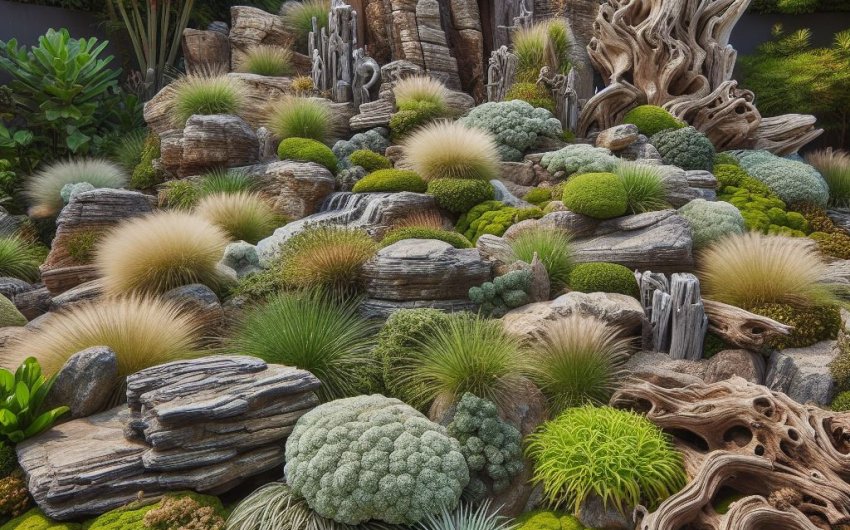
A rock garden offers a unique blend of rugged charm and delicate beauty, mimicking the serene landscapes of mountains and arid plains. Far from being just a pile of stones, a well-designed rock garden creates a captivating display, combining the permanence of rocks with the subtle grace of specialized alpine plants, succulents, and drought-tolerant perennials. It’s a garden style that emphasizes texture, form, and natural harmony, providing year-round visual interest even in challenging spots like slopes or dry areas.
Unleashing nature's beauty through a rock garden design can transform an underutilized corner of your yard into a stunning focal point. Whether you envision a grand alpine cascade or a minimalist succulent display, understanding the principles behind successful rock gardening is key. This guide will walk you through the essential steps, from choosing the right rocks to selecting resilient plants, empowering you to create a beautiful and thriving rock garden that captures the essence of the wild, right in your own backyard.
What is a Rock Garden and Why Should You Build One?
Before diving into the design, it's helpful to understand what a rock garden truly is and the unique benefits it offers compared to traditional garden beds.
What Makes a Garden a "Rock Garden"?
A rock garden is a specialized type of garden that features rocks prominently as a design element, often combined with plants that naturally grow in rocky, alpine, or arid environments.
- Emphasis on Rocks: Unlike a regular garden where rocks might be accents, in a rock garden, the rocks are foundational. They provide structure, emulate natural outcrops, create pockets for plants, and even influence soil conditions. The arrangement of the garden rocks is as important as the plants themselves.
- Specialized Plants: The plants chosen for a rock garden are typically low-growing, compact, and thrive in sharp drainage. These include alpine plants (native to mountain regions), succulents (plants that store water in their leaves or stems), creeping groundcovers, and various drought-tolerant perennials. These plants are often chosen for their unique textures, small flowers, and ability to handle lean soils.
- Mimicking Natural Habitats: A good rock garden design aims to replicate natural rocky landscapes like scree slopes, mountain ledges, or arid desert environments. This naturalistic approach creates a serene and authentic feel.
- Excellent Drainage: This is a crucial characteristic. Plants suitable for rock gardens despise "wet feet" (roots sitting in soggy soil). The design and rock garden soil mix ensure rapid drainage, preventing root rot.
A rock garden is thus a harmonious blend of stone and specialized flora, creating a miniature ecosystem.
What are the Benefits of a Rock Garden?
Building a rock garden offers several advantages, both practical and aesthetic, making it an appealing choice for many gardeners.
- Low Maintenance (Once Established): While the initial setup requires effort, once a rock garden is established and the plants are thriving, it generally requires less watering, fertilizing, and weeding compared to traditional flower beds. The rocks suppress weeds and retain soil moisture.
- Water-Wise Gardening: Many rock garden plants are drought-tolerant and adapted to dry conditions, making them an excellent choice for water-saving landscaping or regions with water restrictions. They require less irrigation than thirsty annuals.
- Year-Round Interest: The permanent structure of the rocks provides visual interest even in winter. Many alpine plants are evergreen, and some succulents offer unique forms year-round. This contributes to a dynamic garden landscape through all seasons.
- Solves Problem Areas: Rock gardens are ideal for challenging spots in the garden, such as:
- Slopes: They are perfect for stabilizing slopes and preventing erosion where other plants might struggle.
- Poor Soil: With the right rock garden soil mix, you can create ideal growing conditions even in areas with naturally poor or compacted soil.
- Sunny, Dry Areas: Many rock garden plants thrive in hot, sunny spots where other plants would wilt.
- Unique Aesthetic Appeal: A well-designed rock garden offers a distinctive, rugged, and serene beauty. It can be a focal point in any garden, providing texture and contrast. It appeals to those who appreciate a more natural, minimalist, or alpine look.
- Supports Unique Plant Species: It allows you to grow specialized and often fascinating alpine and succulent plants that wouldn't thrive in typical garden beds.
A rock garden is a sustainable, beautiful, and practical addition to almost any landscape.
How Do You Plan Your Rock Garden Design?
Successful rock garden design starts long before any stones are moved. Thoughtful planning ensures a natural, functional, and aesthetically pleasing result.
What is Site Selection and Assessment?
Choosing the right location for your rock garden is the first critical step.
- Sunlight: Most rock garden plants (especially alpines and succulents) need full sun, meaning at least 6-8 hours of direct sunlight per day. Observe your chosen spot throughout the day to ensure it receives adequate light. If you plan to grow shade-loving alpines, then a partial shade location would be better.
- Drainage: This is paramount. The ideal site for a rock garden naturally has excellent drainage, such as a gentle slope. If your chosen spot is flat or has heavy clay soil, you'll need to amend the soil significantly or build a raised structure to ensure proper drainage. A simple perk test (dig a hole, fill with water, and see how fast it drains) can assess existing drainage.
- Existing Features: Consider any existing large rocks, trees, or structural elements. Can they be integrated into your rock garden design? Mature trees can provide shade, which might be good for some plants but bad for others.
- Visual Integration: How will the rock garden fit into your overall garden landscape? Will it be a standalone feature, or will it transition smoothly from other garden areas? Consider sightlines from your home or patio.
A careful site assessment helps avoid future problems and ensures your rock garden thrives.
How to Choose and Arrange Your Garden Rocks?
The rocks are the "bones" of your rock garden. Their selection and placement define the character of your design.
- Type of Rock:
- Native or Local Rocks: Whenever possible, use rocks that are native to your region or that match existing rock formations in your yard. This creates the most natural and harmonious look.
- Texture and Color: Choose rocks of a consistent type, texture, and color. Mixing too many different kinds of rocks can look unnatural and messy. Weathered rocks with moss or lichen often look more natural.
- Avoid River Rocks: Smooth, rounded river rocks generally look out of place in an alpine or naturalistic rock garden, as they don't mimic natural rock outcrops. Choose angular, fractured rocks.
- Size and Number:
- Larger is Better: Use a few large, substantial boulders rather than many small pebbles. Large rocks create a sense of scale and permanence and provide more realistic pockets for plants. They are the backbone of your rock garden.
- Bury Rocks Deeply: A common mistake is just placing rocks on the surface. Bury at least one-third to one-half of each rock into the ground. This makes them look naturally emerging from the earth and provides stability. A heavy-duty rock moving dolly might be needed for large boulders.
- Arrangement Principles:
- Natural Groupings: Rocks rarely occur in perfectly spaced rows. Arrange them in natural-looking groups, mimicking how they might appear in a mountain outcrop. Place larger rocks as focal points.
- Directional Flow: Place rocks with their stratification (layers or veins) running in the same direction to suggest they were once part of a larger, continuous rock formation. This creates a cohesive and natural look.
- Pockets and Crevices: Create natural pockets, crevices, and ledges with your rock placement. These will be the planting areas for your alpine plants, protecting their roots and providing good drainage.
- Varying Heights and Angles: Angle some rocks slightly, or create small terraced areas. This adds visual interest and creates different micro-environments for various plants.
- Mock-Up: Before committing, arrange your rocks roughly to see how they look. Take photos, view from different angles, and adjust until it feels right.
The careful selection and artistic arrangement of garden rocks are key to a truly stunning rock garden.
What is the Ideal Rock Garden Soil Mix?
The right soil mix is crucial for the health of your rock garden plants, as they require excellent drainage.
- Key Requirement: Sharp Drainage: This means water passes through very quickly, preventing roots from sitting in soggy conditions, which leads to rot.
- Components of a Good Mix: A typical rock garden soil mix (sometimes called scree mix) consists of a high percentage of gritty, inorganic material combined with a smaller amount of organic matter. A common recipe is:
- 1 part garden soil (or good quality topsoil)
- 1 part coarse sand (horticultural sand, not play sand, which is too fine)
- 1 part gravel, grit, or crushed granite (small, sharp-edged stones, about 1/8 to 1/4 inch size) or perlite for drainage.
- A small amount (perhaps 1/2 part) of compost or well-rotted leaf mold for nutrients and beneficial microbes.
- Mixing: Thoroughly mix all components. You'll need enough to fill all your planting pockets and areas.
- Benefits of this Mix:
- Excellent Drainage: The grit and sand ensure water moves quickly through the soil.
- Good Aeration: Roots get plenty of oxygen.
- Lean Nutrients: Mimics natural alpine conditions where plants are not accustomed to rich, heavy soils, encouraging slower, more compact growth.
- Heat Retention: The grit helps the soil warm up quickly in spring and retains some heat for roots.
Preparing the correct rock garden soil is vital for the long-term success of your specialized plants.
What Are the Best Plants for a Rock Garden?
Choosing the right rock garden plants is exciting! Focus on species that thrive in well-drained, often lean conditions, and have a size and form appropriate for rocky environments.
Which Alpine and Creeping Plants are Ideal?
Alpine plants are a staple, along with various low-growing, spreading groundcovers.
- Sedum (Stonecrop): One of the most versatile and forgiving groups. Many low-growing varieties (e.g., 'Dragon's Blood', 'Angelina', 'Lime Zinger') form beautiful mats of foliage, often changing color with the seasons. They are incredibly drought-tolerant and come in a wide array of textures and leaf colors. A collection of rock garden sedum plants offers diverse beauty.
- Sempervivum (Hens and Chicks): Iconic succulents that form rosettes and produce "chicks" (offsets) around the mother hen. They are extremely cold-hardy and drought-tolerant, coming in many colors and textures. Perfect for tucking into rock crevices.
- Creeping Phlox (Phlox subulata): Creates stunning cascades of vibrant pink, purple, blue, or white flowers in spring, forming a dense, low mat of evergreen foliage. Great for spilling over rocks.
- Aubrieta (Rock Cress): Another spring bloomer that forms vibrant purple, pink, or blue mats of flowers, similar to creeping phlox but often with a slightly softer look.
- Dianthus (Pinks): Many low-growing Dianthus varieties have grass-like, often blue-green foliage and charming, sometimes fragrant, fringed flowers. They thrive in sunny, well-drained spots.
- Thyme (Creeping Thyme): Many low-growing, ornamental thyme varieties (not just culinary ones) form fragrant, low mats that tolerate foot traffic and flower beautifully. 'Elfin' thyme is particularly popular for filling gaps. A creeping thyme ground cover adds both beauty and aroma.
- Saxifrage: A classic alpine plant, many varieties form tight rosettes and produce delicate flowers on slender stems. They often prefer a bit of afternoon shade in hot climates.
These plants will provide a beautiful, low-growing carpet of foliage and seasonal blooms throughout your rock garden.
Which Small Perennials and Shrubs Are Suitable?
To add height, structure, and varied textures, consider compact perennials and dwarf shrubs.
- Dwarf Conifers: Miniature or slow-growing conifers provide evergreen structure and texture year-round. Look for varieties of dwarf spruce, juniper, or pine. They are slow-growing and won't overwhelm your rock garden. A dwarf conifer for rock gardens can add focal interest.
- Dwarf Spirea: Small, compact deciduous shrubs that offer colorful foliage (often chartreuse or gold) and clusters of pink or white flowers. They are very tough and low-maintenance.
- Pasque Flower (Pulsatilla vulgaris): An early spring bloomer with charming, bell-shaped flowers followed by fuzzy seed heads. It's perfectly suited for rocky conditions.
- Small Ornamental Grasses: Compact varieties like Blue Fescue (Festuca glauca) or certain sedges (Carex) add fine texture and movement, and often provide winter interest.
- Lavender (Dwarf Varieties): Many dwarf lavender varieties thrive in sunny, well-drained, lean soil, offering fragrant foliage and purple blooms that attract pollinators.
- Ice Plant (Delosperma): Not technically an "ice plant" (that's a succulent group), but this hardy perennial forms mats of succulent leaves and produces incredibly vibrant, daisy-like flowers in hot colors over a long season. Very drought-tolerant.
These additions provide vertical interest and more substantial plant forms without overwhelming the rocky landscape.
Are There Any Special Considerations for Planting in a Rock Garden?
Planting in a rock garden is a bit different from a regular bed due to the rocky, gritty soil.
- Planting in Pockets and Crevices: Place plants in the natural pockets and crevices created by your rocks. This anchors them visually and provides the protected, well-drained environment they need.
- Rooting in: Gently work your specialized soil mix around the roots of the plant, ensuring good contact.
- Top Dressing: After planting, top dress around the plants with a layer of fine gravel or grit. This serves several purposes: it helps suppress weeds, keeps moisture off the plant crown (preventing rot), helps keep the soil cool, and provides a clean, natural look. A bag of horticultural grit is perfect for this.
- Watering After Planting: Water thoroughly after planting to settle the soil around the roots. After that, follow the specific watering needs of your chosen plants (typically infrequent but deep).
- Consider Future Growth: Even though most rock garden plants are compact, they do grow. Allow them enough space so they don't quickly overwhelm neighboring plants or completely hide your carefully placed rocks.
Careful planting ensures your chosen plants establish well and contribute to the stunning visual appeal of your rock garden.
How Do You Maintain a Thriving Rock Garden?
Once your rock garden is designed and planted, ongoing care is generally low, but a few key maintenance practices will keep it looking its best.
What is the Right Approach to Watering?
Proper watering is paramount for rock garden plants, as they are highly susceptible to root rot if overwatered.
- Infrequent, Deep Watering: The golden rule is to water deeply but infrequently. Allow the soil to dry out completely between waterings. This encourages roots to grow deep into the cool, moist substrate.
- Monitor Soil Moisture: Don't water on a schedule. Instead, feel the soil. If it's dry several inches down, it's time to water. A soil moisture meter can also be helpful.
- Seasonal Adjustment: Water more frequently during hot, dry spells in summer. Reduce watering significantly in fall and winter, especially once plants are dormant, as excess moisture in cold weather can cause rot.
- Avoid Overhead Watering: Try to water at the base of the plants. Water collecting in the rosettes of succulents or on the foliage of alpines can lead to fungal issues, especially in humid climates.
- New Plants: Newly planted alpines and succulents will need more frequent watering initially to help them establish their root systems, but gradually reduce frequency as they mature.
Mastering rock garden watering ensures your drought-tolerant plants thrive, not just survive.
How to Fertilize a Rock Garden (or Not)?
Most rock garden plants prefer lean conditions, so heavy fertilization is often detrimental.
- Less is More: Many alpine and succulent plants are adapted to nutrient-poor soils. Excessive fertilization, especially with high-nitrogen fertilizers, can lead to leggy, weak growth that is more susceptible to disease and less cold-hardy.
- Infrequent or No Fertilization: For most established rock gardens, annual fertilization is unnecessary. If you feel your plants need a boost, use a very dilute, balanced slow-release fertilizer or a small amount of compost tea in early spring, once a year at most.
- Soil Mix Provides: The initial rock garden soil mix (with a small amount of organic matter) usually provides enough nutrients for these plants.
Resist the urge to over-fertilize; it can do more harm than good in a rock garden.
What About Weeding and Pest Control?
Even low-maintenance gardens require some attention to weeds and potential pests.
- Weeding: While the grit layer helps, weeds will still appear. Remove them promptly before they establish deep roots. Weeding by hand is usually sufficient due to the smaller scale of most rock gardens. Be careful not to disturb the roots of your delicate plants. A small weeding tool can be useful for precision.
- Pest Control: Most rock garden plants are relatively pest-free. However, keep an eye out for common garden pests like aphids or slugs.
- Aphids: Can sometimes gather on new growth or flower buds. A strong spray of water can often dislodge them.
- Slugs and Snails: They might hide under rocks. Hand-picking or beer traps can be effective.
- Mealybugs: On succulents, look for white, cottony masses. Dab with rubbing alcohol on a cotton swab.
- Disease Prevention: The primary defense against disease is good drainage and air circulation. Avoid overwatering and keep plant crowns free of debris. If a plant succumbs to rot, remove it quickly to prevent spread.
Regular monitoring and quick action will keep your rock garden plants healthy and free from major pest and disease problems.
How to Handle Winter Care and Seasonal Cleanup?
Even hardy rock gardens benefit from some seasonal care.
- Winter Protection: For most established, hardy rock garden plants, little special winter care is needed beyond ensuring excellent drainage. However, in regions with very cold winters and no snow cover, a light layer of evergreen boughs or straw after the ground freezes can offer insulation.
- Snow Cover: Snow acts as an excellent insulator, protecting plants from extreme cold. Don't remove snow from your rock garden if it's there.
- Fall Cleanup: In late fall, remove any fallen leaves or debris that could smother smaller plants or trap excess moisture, leading to rot.
- Spring Tidy-Up: In early spring, gently remove any accumulated debris, prune back any dead or damaged foliage, and replenish the grit top dressing if needed. Divide any plants that have outgrown their space.
With careful planning, thoughtful plant selection, and consistent, low-key maintenance, your rock garden will truly unleash nature's rugged beauty, providing a stunning and unique feature in your landscape for years to come.