
Embrace Serenity: Crafting Your Dream Gravel Garden
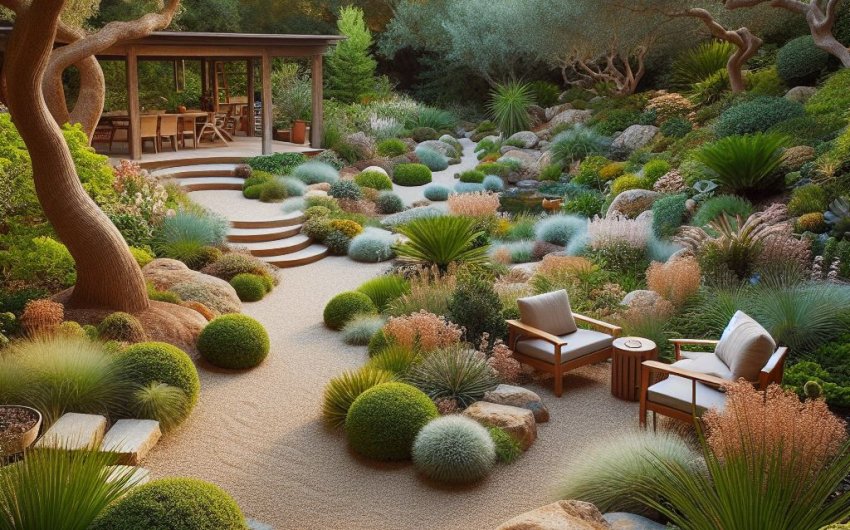
Gardens are often seen as lush, green spaces, filled with vibrant flowers and thirsty lawns. But for many, the reality of maintaining such a garden can be daunting, especially in areas with limited water, harsh climates, or simply busy lives. There's a growing appreciation for landscapes that offer beauty and tranquility with minimal demands on resources and time. This is where the concept of a gravel garden truly shines.
A gravel garden is a unique and often breathtaking landscape style that uses layers of gravel not just as a decorative mulch, but as a key component of the planting medium. It's a design approach that celebrates drought-tolerant plants, natural textures, and a profound sense of serenity. Far from being a barren wasteland of rocks, a well-designed gravel garden is a vibrant ecosystem, full of life, movement, and subtle beauty that evolves with the seasons. It's a tribute to nature's resilience, offering elegance with an understated, calming presence.
This guide invites you to explore the world of gravel gardens. We'll delve into the many benefits of this innovative style, walk you through the essential steps of designing and crafting your own, suggest the perfect plants to thrive in such an environment, and provide tips for long-term care. Get ready to embrace a new kind of garden, one that marries beauty with sustainability and offers a serene retreat.
What is a gravel garden and why embrace it?
A gravel garden is a distinct style of landscaping where gravel is not just used as a decorative topping, but plays a crucial role as a mulch over a prepared planting area. Unlike traditional gardens with thick topsoil, gravel gardens often feature plants that thrive in lean, well-drained conditions, reminiscent of Mediterranean or arid landscapes. They are characterized by naturalistic planting schemes, textural contrasts between stone and foliage, and an inherent sense of tranquility.
What defines a gravel garden?
- Gravel as a living mulch: The most defining feature is the generous layer of gravel (often 2-4 inches deep) applied over the entire planting area, through which plants emerge. This isn't just aesthetic; it's functional.
- Drought-tolerant plants: Gravel gardens primarily feature plants that are naturally adapted to dry conditions, requiring minimal supplemental irrigation once established.
- Excellent drainage: The underlying soil structure and the gravel layer itself ensure superb drainage, which is vital for the survival of many drought-tolerant species that despise "wet feet" (soggy roots).
- Naturalistic aesthetic: They often mimic natural landscapes found in rocky, dry regions, creating a relaxed, informal, yet elegant look.
- Reduced maintenance: While not maintenance-free, they generally require less weeding and watering than traditional borders.
Why embrace a gravel garden? (The Benefits)
There are many compelling reasons why a gravel garden might be the perfect choice for your outdoor space:
- Water Conservation (Drought Tolerance):
- Less irrigation: This is a major benefit, especially in regions with water restrictions or for eco-conscious gardeners. The gravel layer significantly reduces evaporation from the soil surface, meaning plants need much less water.
- Right plants for the job: Plants chosen for gravel gardens are naturally low-water users.
- Low Maintenance:
- Weed suppression: The thick layer of gravel acts as an excellent weed barrier, greatly reducing the time you spend weeding. Any weeds that do germinate on top are usually easy to pull as their roots don't penetrate deep into the compacted gravel.
- Reduced watering: As mentioned, less watering is needed.
- No mowing: If replacing a lawn, it eliminates mowing.
- Unique Aesthetic Appeal:
- Texture and contrast: The interplay of rough gravel texture with the soft foliage of plants creates a visually rich and interesting landscape.
- Year-round interest: Many plants suitable for gravel gardens (like ornamental grasses and evergreen perennials) offer structural interest even in winter.
- Serene atmosphere: The naturalistic feel, often combined with subtle colors and flowing forms, creates a calming and meditative space.
- Resilience and Adaptability:
- Tolerates harsh conditions: Gravel gardens excel in hot, dry climates, windy sites, and areas with poor, lean soil. Many plants thrive in these challenging conditions.
- Good drainage: Ideal for plants that suffer from root rot in heavy, wet soils.
- Cost-Effective (Long Term):
- While initial setup costs for gravel can be significant, the long-term savings on water bills, fertilizers, and pest control can make it a very economical choice.
- Less frequent replacement of plants due to their hardiness.
- Biodiversity:
- Attracts beneficial insects and pollinators that prefer a drier, more open environment.
- Supports a unique array of plants adapted to specific conditions.
Embracing a gravel garden is choosing a sustainable, beautiful, and remarkably low-effort way to connect with nature, creating a resilient landscape that truly reflects a sense of serenity.
What are the essential steps to designing your gravel garden?
Designing your dream gravel garden is an exciting process that involves thoughtful planning. It's more than just dumping gravel; it's about creating a harmonious and functional landscape. Here are the essential steps to a successful design.
1. Site assessment and planning
- Sunlight: Observe how much sun your chosen area receives throughout the day. Most gravel garden plants thrive in full sun (6+ hours), but some can tolerate partial shade.
- Drainage: While gravel gardens are designed for drainage, observe existing conditions. If your area is prone to standing water, you might need to address underlying drainage issues (e.g., adding drainage pipes, creating a slight slope).
- Size and shape: Define the boundaries of your gravel garden. Use a garden hose or spray paint to outline the shape. Consider natural, flowing lines rather than rigid geometric shapes for a more organic feel.
- Purpose: What do you want your gravel garden to achieve? A low-maintenance border? A meditative space? A drought-tolerant lawn alternative? This will influence your plant and hardscaping choices.
- Existing features: Integrate existing trees, large boulders, pathways, or structures into your design.
2. Choosing your gravel
The gravel is a defining feature, so choose wisely.
- Type:
- Angular (crushed stone): This is highly recommended. The irregular shapes interlock, creating a more stable surface for walking and better weed suppression than rounded pebbles. It also provides more air pockets for roots.
- Pebbles/River Rock: Rounded stones are more decorative but can be less stable underfoot and may allow more weeds to sprout through.
- Size: Aim for a gravel size between 1/4 inch to 3/4 inch ((0.6 \text{ cm} \text{ to } 1.9 \text{ cm})). Smaller sizes can compact too much; larger sizes can be difficult to walk on.
- Color: Consider the color of the gravel. It will form the "canvas" for your plants.
- Neutral tones: Greys, browns, tans are versatile and allow plants to stand out.
- Lighter colors: Reflect more heat, which can be good for heat-loving plants but might be too intense in very hot climates.
- Darker colors: Absorb heat, which can benefit plants in cooler climates or extend warmth into the evening.
- Quantity: Use an online gravel calculator or consult with your gravel supplier to estimate how much you'll need based on your area (square footage) and desired depth (usually 2-4 inches, or (5 \text{ cm} \text{ to } 10 \text{ cm}) once compacted). You can purchase a bag of landscape gravel for smaller projects.
3. Plant selection
This is where your garden truly comes alive.
- Drought-tolerant first: Prioritize plants that thrive in lean, well-drained conditions. Think Mediterranean, desert, or prairie plants.
- Variety of textures and forms: Mix spiky forms (agaves, yuccas), feathery grasses (Stipa tenuissima), mounding perennials (lavender, sedum), and groundcovers.
- Long bloom times/seasonal interest: Choose plants that offer interest throughout the year – evergreen structure, attractive seed heads, fall color, or staggered bloom times for continuous color.
- Mature size: Always check the mature size of plants to avoid overcrowding.
- Native plants: Incorporating native drought-tolerant species can greatly enhance biodiversity and resilience.
- Consider a plant design book: A book on drought-tolerant garden design can offer inspiration.
4. Hardscaping and features
- Boulders and rocks: Strategically placed large rocks or boulders can add naturalistic focal points, mimicking dry riverbeds or rock outcrops.
- Pathways: Define pathways using the same gravel or a contrasting material (stepping stones, larger pavers) to guide visitors through the garden.
- Seating areas: Integrate benches or seating to encourage enjoyment of the space.
- Containers: Use large, sturdy pots with a similar aesthetic to add taller elements or plants that prefer slightly different soil conditions.
By carefully designing your gravel garden and making informed choices about gravel and plants, you'll lay the foundation for a beautiful, resilient, and serene outdoor space.
What is the site preparation process for a gravel garden?
Proper site preparation is the most crucial step in crafting a successful and low-maintenance gravel garden. Skimping on this stage will lead to perennial problems with weeds and poor plant establishment. Think of it as laying a solid foundation for your dream garden.
1. Clear the area thoroughly
- Remove all existing vegetation: This includes grass, weeds, and any unwanted plants. Don't just mow; you need to remove them entirely, roots and all.
- Methods:
- Manual removal: Digging out grass and weeds by hand is effective for smaller areas. A sturdy garden spade and a garden fork will be your best friends.
- Sheet mulching/lasagna gardening: For larger areas, this no-dig method involves layering cardboard, compost, and other organic materials over existing vegetation to smother it. This takes several months but builds healthy soil.
- Solarization: Covering the area with clear plastic sheeting for 6-8 weeks during the hottest part of summer can "cook" and kill weeds and seeds.
- Herbicide (as a last resort): If dealing with stubborn perennial weeds (like bindweed or Bermuda grass), a systemic herbicide might be considered. However, this is often avoided by those seeking a natural approach. Ensure it's safe to plant after use.
2. Improve drainage (if necessary)
- Assess existing drainage: If your soil is heavy clay and tends to hold water, you must address this. Most drought-tolerant plants, despite needing less water, will suffer from "wet feet" (soggy roots).
- Amending the soil: While gravel gardens thrive on lean soil, good drainage is paramount. You can add a small amount of grit (coarse sand, small gravel, pumice, or perlite) to the top few inches of existing soil, and dig it in. The goal is to improve the soil structure for better aeration, not to create a rich planting bed.
- Creating a slight slope: For very flat areas, a subtle slope can help surface water run off, preventing pooling.
3. Lay down weed barrier (optional, but highly recommended)
- Geotextile fabric: A high-quality, permeable landscape fabric (also known as geotextile fabric) is often recommended. This is a woven or non-woven material that allows water and air to pass through but suppresses weeds.
- Why use it: It acts as a physical barrier against weeds emerging from the soil below. It also helps prevent the gravel from sinking into the soil over time. A roll of heavy-duty landscape fabric is a good investment.
- Why some avoid it: Some gardeners prefer a truly natural approach, believing that landscape fabric can hinder healthy soil biology or make future planting/modifying difficult. However, for initial weed suppression, it's very effective.
- Installation: Lay the fabric over the prepared area, overlapping seams by at least 6-12 inches ((15 \text{ cm} \text{ to } 30 \text{ cm})). Secure it with landscape staples.
4. Edge the area
- Define boundaries: Install edging material around the perimeter of your gravel garden. This keeps the gravel neatly contained and prevents it from spilling into adjacent lawn areas or pathways.
- Materials: Options include metal edging, plastic edging, brick, stone, or even timber. Choose something that complements your garden style.
5. Add a lean sub-base (optional for extreme clay)
- For very heavy clay soils that resist drainage, some gravel garden enthusiasts will remove 6-12 inches of the topsoil and fill it with a sub-base of coarser gravel or crushed aggregate before laying the weed fabric and planting. This ensures excellent drainage but is a significant undertaking.
Proper site preparation, especially thorough weed removal and attention to drainage, will be the foundation of a successful, low-maintenance gravel garden that you can enjoy for years.
What are the best plants for a gravel garden?
The success and beauty of your gravel garden depend heavily on selecting the right plants. These aren't just any drought-tolerant species; they are plants that specifically thrive in the lean, well-drained conditions created by a gravel mulch, and often benefit from the radiant heat it provides. Think Mediterranean, prairie, and desert-adapted beauties.
1. Mediterranean Herbs
These are perfect as they naturally thrive in rocky, dry, sunny conditions.
- Lavender (Lavandula): Classic choice. Fragrant, beautiful purple spikes. Numerous varieties available. A good starting plant is English Lavender.
- Rosemary (Salvia rosmarinus): Evergreen, fragrant, with lovely small blue flowers.
- Thyme (Thymus): Many varieties from creeping groundcovers to small upright shrubs. Excellent for filling gaps.
- Oregano (Origanum): Aromatic and tolerant of dry conditions.
- Sage (Salvia officinalis): Beautiful foliage and often blue flowers.
2. Ornamental Grasses
These provide essential movement, texture, and often year-round interest with their seed heads.
- Feather Grass (Stipa tenuissima or Nassella tenuissima): Delicate, airy, moves beautifully in the slightest breeze.
- Little Bluestem (Schizachyrium scoparium): Native, upright blue-green foliage that turns stunning bronze in fall.
- Switchgrass (Panicum virgatum): Taller, upright form with airy seed heads.
- Blue Fescue (Festuca glauca): Compact, spiky mounds of blue foliage.
3. Succulents and Cacti (for hot, dry climates)
For very hot, arid regions, these are natural fits.
- Sedum (Stonecrop): Many varieties, from creeping groundcovers to upright, flowering forms. Very tough. A common variety is Sedum 'Autumn Joy'.
- Sempervivum (Hens and Chicks): Rosette-forming succulents that thrive in cracks and crevices.
- Agave: Striking architectural forms, though often large and spiky.
- Yucca: Bold, sword-like foliage and tall flower spikes.
4. Drought-Tolerant Perennials
A wide range of flowering plants that love sunny, dry conditions.
- Echinacea (Coneflower): Classic prairie plant, attracts pollinators.
- Achillea (Yarrow): Flat-topped flower clusters, comes in many colors.
- Gaillardia (Blanket Flower): Bright, daisy-like flowers.
- Nepeta (Catmint): Long-blooming, purple spires, attractive to bees.
- Perovskia (Russian Sage): Wispy, silver foliage with airy blue flowers.
- Salvia (Perennial Sage): Many varieties with spikes of blue, purple, or pink flowers.
- Dianthus (Pinks): Low-growing, often blue-green foliage with spicy-scented flowers.
- Armeria maritima (Thrift): Mounding, grassy foliage with pink or white pom-pom flowers.
- Eryngium (Sea Holly): Unique thistle-like, metallic blue flowers.
5. Small Shrubs and Groundcovers
To add structure and cover.
- Cistus (Rockrose): Beautiful, often fleeting, crinkled flowers on compact shrubs.
- Ceanothus (California Lilac): Many drought-tolerant varieties, often with beautiful blue flowers.
- Artemisia: Silver-foliaged plants that add contrast and texture.
- Cotoneaster: Groundcover varieties can sprawl nicely.
Tips for Plant Selection:
- Research local hardiness: Always check if a plant is suitable for your USDA hardiness zone.
- Source plants carefully: Look for plants that have been grown in lean conditions if possible, rather than pampered in rich soil.
- Mix textures and forms: Aim for a balance of spiky, mounding, upright, and spreading plants.
- Consider bloom times: Choose a variety of plants that bloom at different times to ensure continuous interest throughout the growing season.
- Don't overplant: Give plants space to grow to their mature size. The gravel between them is part of the aesthetic.
By thoughtfully selecting plants adapted to dry, sunny, and lean conditions, you'll create a resilient and stunning gravel garden that truly thrives.
How do you install the gravel and plants in your garden?
The installation phase is where your gravel garden design comes to life. Getting the layers and planting right is crucial for long-term success and minimal maintenance.
1. Lay down the landscape fabric (if using)
- Roll it out: Once your site is thoroughly cleared and leveled, roll out the landscape fabric over the entire area.
- Overlap and secure: Overlap seams by at least 6-12 inches ((15 \text{ cm} \text{ to } 30 \text{ cm})) to prevent weeds from sneaking through. Secure the fabric with landscape staples every few feet along the edges and seams.
- Cut for plants: Do NOT cut holes for plants yet. You'll do that after positioning.
2. Position your plants
- Arrange in pots: Place all your chosen plants, still in their nursery pots, on top of the laid-out landscape fabric.
- Follow your design: Arrange them according to your design plan, considering their mature size, height, texture, and color. Step back often to view from different angles and make adjustments.
- Experiment: This is your chance to play around with the layout before committing.
3. Cut holes and plant
- Cut small "X" shapes: Once you're happy with the plant arrangement, use a sharp utility knife or scissors to cut an "X" shape in the landscape fabric directly under where each plant's pot is located. Make the cuts just large enough to accommodate the plant's root ball.
- Dig the planting hole: Fold back the flaps of the "X" and dig a hole through the fabric and into the native soil below. Make the hole slightly wider than the plant's root ball and deep enough so the top of the root ball is level with (or slightly above) the surrounding native soil.
- Plant carefully: Gently remove the plant from its nursery pot. If it's root-bound, gently tease apart circling roots. Place the plant in the hole. Backfill with the native soil, firming gently around the root ball.
- Tuck fabric: Pull the flaps of the landscape fabric tightly around the base of the plant, ensuring no soil is exposed. This helps prevent weeds from growing right next to the plant's crown.
4. Add the gravel layer
- Distribute evenly: Start spreading your chosen gravel over the entire landscape fabric. Use a shovel or rake to distribute it evenly.
- Depth: Aim for a consistent layer of 2-4 inches ((5 \text{ cm} \text{ to } 10 \text{ cm})) deep once settled. For walk-on areas, 3-4 inches is often preferred for stability.
- Work around plants: Carefully work the gravel around the base of each plant, making sure the crown of the plant isn't buried too deeply. The gravel should come right up to the base of the stems, but not cover the lowest leaves.
- Rake smooth: Use a rake to smooth out the gravel layer, creating an even surface.
5. Water thoroughly (first watering)
- Deep watering: After all the gravel is in place, give the entire planted area a very thorough and deep watering. This helps settle the gravel, removes any dust, and provides the first essential drink for your newly planted specimens.
- Allow to drain: Ensure good drainage. The water should quickly filter down through the gravel and into the subsoil.
6. Add decorative elements (optional)
- Boulders and rocks: If incorporating larger boulders, place them before the final gravel layer or strategically afterwards. Bury about 1/3 of the boulder in the ground for a natural, "emerging" look.
- Stepping stones: If adding stepping stones for a path, place them before the gravel or carefully press them into the gravel layer to ensure they are stable.
With these installation steps, your gravel garden will have a sturdy foundation, effective weed suppression, and its plants will be perfectly poised to thrive in their new, beautiful environment.
How do you maintain a gravel garden for long-term serenity?
One of the main appeals of a gravel garden is its promise of low maintenance. While it's not a "no-maintenance" garden, the tasks are generally less frequent and less intensive than those required for traditional borders. Proper care will ensure your gravel garden remains a serene and thriving landscape for years to come.
1. Watering (once established)
- Infrequent, deep watering: After the first year of establishment, your gravel garden plants should require very little supplemental water.
- Deep soaks: When you do water, water deeply and infrequently. This encourages roots to grow deeply into the soil in search of moisture, making the plants more drought-tolerant.
- Observe your plants: Pay attention to your plants. If leaves start to droop or show signs of stress during prolonged dry spells, it's time for a deep watering. Many drought-tolerant plants will show slight wilting before serious harm.
- Avoid daily sprinkles: Shallow, frequent watering encourages shallow root systems and can lead to fungal issues.
2. Weeding
- Minimal weeding: The gravel mulch significantly suppresses weeds.
- Surface weeds: Most weeds that appear will germinate on the surface of the gravel (from airborne seeds or dust collecting in the gravel). These are usually very easy to pull by hand as their roots don't penetrate deeply through the gravel.
- Timely removal: Remove weeds as soon as you see them, before they establish a strong root system or go to seed. This prevents future weed issues.
- Avoid disturbing gravel: Try not to disturb the gravel layer excessively during weeding, as this can bring buried weed seeds to the surface.
3. Pruning
- Shape and health: Prune plants as needed to maintain their shape, remove dead or diseased branches, and encourage bushier growth.
- Winter interest: Many ornamental grasses and some perennials can be left unpruned through winter for their attractive seed heads and structural interest. Cut them back in late winter or early spring before new growth emerges.
- No deadheading (mostly): Unlike traditional perennial beds, deadheading (removing spent flowers) is often not necessary or even desired in a gravel garden, as many plants have attractive seed heads that add to the naturalistic aesthetic.
4. Top-dressing (optional)
- Replenish gravel: Over time, some gravel might settle, disperse, or get covered by leaf litter. You can replenish the gravel layer every few years by adding another thin layer to maintain the desired depth and neatness.
- Compost (sparingly): While gravel gardens thrive on lean soil, a very light top-dressing of well-rotted compost applied around the plants (not over the entire gravel surface) every few years can gently enrich the soil without making it too rich. This also helps feed the soil microbes.
5. Pest and Disease Management
- Resilient plants: Plants chosen for gravel gardens are often naturally more resistant to pests and diseases due to their adaptation to drier conditions.
- Good airflow: The open nature of gravel gardens provides excellent air circulation, which further reduces fungal issues.
- Monitor: Regularly inspect your plants for any signs of pests or diseases and address them promptly, using organic solutions if possible.
6. Winter Protection (if applicable)
- Hardy plants: Most gravel garden plants are selected for their hardiness.
- Extreme cold: In areas with exceptionally harsh winters, some borderline hardy plants might benefit from a light layer of dry, airy mulch (like evergreen boughs or straw) over their crowns for insulation. Remove in early spring.
- Avoid wet mulches: Do not use heavy, moisture-retentive mulches on gravel garden plants, as this can trap moisture and cause rot.
By following these simple, sensible maintenance practices, your gravel garden will mature into a self-sustaining, beautiful, and profoundly serene landscape that offers visual pleasure with minimal fuss.