
Frame Your Lawn in Style: Creative Lawn Edging Techniques
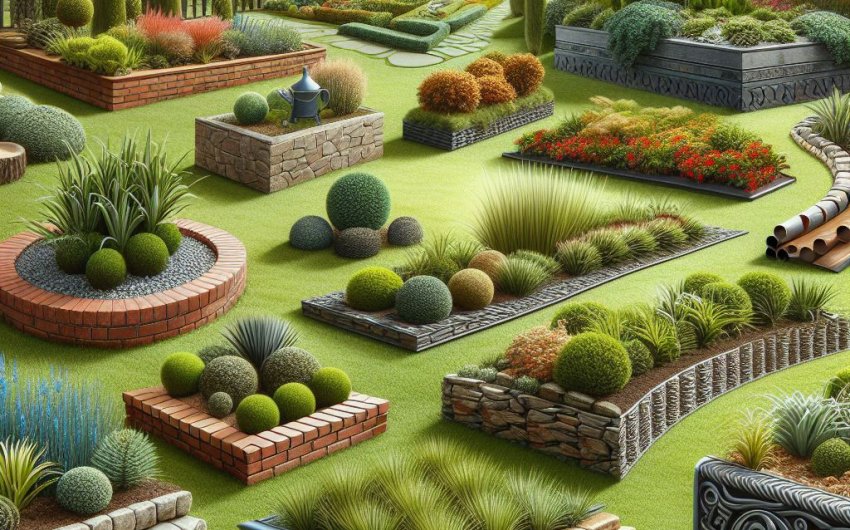
A lush green lawn serves as the perfect canvas for any outdoor space, providing a soft expanse that invites relaxation and play. Yet, without clear boundaries, even the most manicured turf can lose its distinct charm, blending into flower beds and pathways. This is where the magic of lawn edging truly shines. It's more than just a barrier; it's a design element that elevates your entire landscape, giving it a neat, polished, and purposeful appearance.
The art of defining your lawn’s edges transforms a good garden into a great one. Crisp lines create a sense of order, making your yard look bigger and more inviting. It also makes maintenance easier, keeping grass where it belongs and preventing unruly growth from spilling into areas it shouldn't. Let’s explore various creative lawn edging techniques, from the subtle to the striking, helping you achieve a landscape that truly stands out.
Why is Lawn Edging Important for My Yard?
Lawn edging is more than just a pretty border. It serves several practical purposes that make your yard look better and easier to care for. It helps define spaces, keeps things tidy, and saves you time on maintenance.
How Does Edging Make My Lawn Look Better?
Imagine a beautiful painting without a frame. It might still be nice, but a frame gives it definition and helps it stand out. Lawn edging does the same thing for your lawn. It creates a clear line between your grass and other parts of your garden, like flower beds, pathways, or driveways. This makes everything look much neater and more organized.
A well-defined edge creates a clean break. This makes your lawn look crisper and more intentional. It gives your landscape a professional, finished appearance. It also highlights your lawn's shape, whether it's a perfect rectangle, a gentle curve, or something unique. Without edging, grass can slowly creep into other areas, making your yard look messy and overgrown. Edging helps keep everything in its place.
Does Edging Help with Lawn Maintenance?
Absolutely! This is one of the biggest benefits of having good lawn edging. It helps you manage your garden much more easily.
First, edging stops grass from spreading. Many types of grass, especially popular lawn grasses like Bermuda grass or Zoysia grass, spread by sending out runners. These runners can quickly grow into your flower beds, making it hard to weed. A good edge acts as a barrier, preventing these runners from crossing into areas where you don't want them. This means less time spent pulling grass out of your petunias.
Second, edging makes mowing easier and faster. When you have a clear edge, you can often run your mower wheel right along it. This means less need for a string trimmer or edger. It creates a clean cut along the border without accidentally scalping your flowers or digging into your mulch. This saves you time and effort every time you mow.
Third, edging helps keep mulch in place. If you have mulched flower beds, a raised edge helps prevent the mulch from washing away during heavy rain or being pushed out by wind. It keeps the mulch neat and tidy within the bed. This means you don't have to replace mulch as often, saving you money.
In short, lawn edging brings order to your garden. It makes your landscape more attractive and simplifies your routine lawn care.
What Are Popular Materials for Lawn Edging?
There are many choices for lawn edging materials. Each has its own look, cost, and how long it lasts. The best choice for you depends on your style, budget, and how much effort you want to put into installation.
Is Metal Edging a Good Choice?
Metal edging is a very popular option, especially for a modern or sleek look. It's often made from steel, aluminum, or even recycled metals.
- Steel edging is very durable. It comes in different finishes, including raw steel that rusts to a natural, earthy color over time (called Cor-Ten steel). This rustic look is very popular. Steel is strong enough to hold back stubborn grass and won't buckle.
- Aluminum edging is lighter and easier to work with than steel. It won't rust, so it keeps its original color, usually black or bronze. It's also more flexible, making it good for curves. An aluminum lawn edging kit can be easily found.
Both types of metal edging are thin. This makes them almost invisible, giving a very clean line between your lawn and other areas. They are usually installed with stakes that go into the ground. A good metal lawn edging kit will come with everything you need.
Pros of Metal Edging:
- Very durable and long-lasting.
- Creates a clean, sleek, and subtle line.
- Effective at stopping grass roots from spreading.
- Easy to mow over, as it sits flush with the ground.
- Available in flexible rolls for curves or rigid strips for straight lines.
Cons of Metal Edging:
- Can be more expensive than some other options.
- Installation requires digging a trench.
- Some sharp edges might be a concern if not installed properly or if you have young children.
What About Plastic or Composite Edging?
Plastic edging is often the most affordable and easiest to install. It usually comes in long rolls that you can unroll and set into a shallow trench. Some are made from recycled plastic, which is good for the environment. Composite edging is similar but often more rigid and durable, made from a mix of plastic and wood fibers.
- Flexible plastic rolls are very easy to bend for curves. They are good for quick projects or temporary solutions. They are usually black or green.
- Rigid plastic sections snap together. These are thicker and can look more substantial. They might be designed to look like stone or wood.
Plastic and composite options are widely available. A simple plastic lawn edging roll can be bought at any garden store.
Pros of Plastic/Composite Edging:
- Very affordable.
- Easy to install, often just requiring a shallow trench and sometimes stakes.
- Flexible for creating curves.
- Lightweight and easy to transport.
Cons of Plastic/Composite Edging:
- Less durable than metal or stone; can crack or become brittle over time, especially in strong sunlight or cold weather.
- Can sometimes shift or heave out of the ground.
- May not stop aggressive grass roots as effectively as solid barriers.
- Can look less "high-end" than other materials.
Is Stone or Brick Edging a Classic Choice?
Stone or brick edging offers a timeless and natural look. It adds weight and texture to your landscape. You can use many different types of stone, from natural fieldstones to cut flagstones or pavers. Bricks offer a traditional, classic appeal.
- Bricks can be laid flat, on their side, or angled to create a saw-tooth pattern. They come in various colors and finishes. A standard paver brick is a common choice.
- Natural stones like river rocks or flagstone can create a rustic or organic feel. Their irregular shapes can be charming.
- Concrete pavers are often used. They come in many shapes, sizes, and colors. These can mimic stone or brick but might be more uniform.
Pros of Stone/Brick Edging:
- Extremely durable and long-lasting.
- Adds significant aesthetic appeal and value to your home.
- Provides a strong barrier against spreading grass.
- Many design options from rustic to formal.
- Can be mowed over if installed flush with the lawn.
Cons of Stone/Brick Edging:
- Can be expensive, especially for natural stone.
- Labor-intensive installation; often requires digging a deeper trench, leveling, and sometimes using sand or gravel base.
- Can be difficult to create smooth curves unless using smaller stones or specific paver types.
- Individual stones or bricks can shift over time and may need occasional adjustment.
What About Wood or Timber Edging?
Wood edging brings a natural, rustic warmth to your garden. You can use various forms of wood, from flexible lumber to sturdy landscape timbers.
- Flexible wood rolls are made of small wood pieces connected by wire. These are easy to install for gentle curves.
- Treated lumber or landscape timbers are more robust. They can be laid end-to-end for straight lines or gentle curves. Railroad ties are a very sturdy but heavy option. Look for treated lumber to resist rot.
- Logs or branches can create a very natural, rustic edge.
Pros of Wood/Timber Edging:
- Natural and warm aesthetic.
- Can be relatively inexpensive, especially if using reclaimed wood.
- Easy to cut and customize lengths.
- Good for straight lines and gentle curves.
Cons of Wood/Timber Edging:
- Less durable than stone or metal; prone to rot, decay, and insect damage over time, even if treated.
- Requires replacement more often.
- Can attract pests like termites if not properly treated or installed.
- Might look less formal depending on the wood type.
How Do I Install Different Types of Lawn Edging?
Installing lawn edging usually involves some digging and careful placement. The exact steps vary by material, but the basic idea is to create a stable boundary.
How to Install Metal Edging?
Metal edging provides a sleek, almost invisible line.
- Mark Your Line: Use a garden hose or string to outline where you want your edge. This helps you get the curves or straight lines just right.
- Dig a Trench: Dig a narrow trench along your marked line. The trench should be as deep as the edging material, plus a little extra for drainage. A small, pointed trenching shovel works best. The top of the edging should be flush with the lawn or just slightly above it.
- Place the Edging: Carefully set the metal edging into the trench. If it comes in sections, connect them according to the manufacturer's instructions. Overlap sections for strength if needed.
- Secure with Stakes: Most metal edging comes with stakes. Drive these stakes into the ground through the pre-drilled holes in the edging. This holds it firmly in place. Use a rubber mallet for this.
- Backfill and Tamp: Push the soil back into the trench on both sides of the edging. Tamp it down firmly with your foot or a piece of wood. This helps stabilize the edging. Make sure the soil is flush with the top of the edging for easy mowing.
How to Install Plastic or Composite Edging?
Plastic edging is often the easiest to put in.
- Prepare the Path: Lay out your plastic roll or sections along the desired edge. If using a roll, let it sit in the sun for a bit to become more flexible.
- Dig a Shallow Trench: Use a spade shovel to dig a trench about 2-4 inches (5-10 cm) deep and a few inches wide. This helps the edging stay put.
- Insert the Edging: Place the plastic edging into the trench. If using sections, snap them together. For rolls, unroll it as you go.
- Secure (if needed): Some plastic edgings come with plastic stakes that you push through loops or holes. For more stability, you can buy separate plastic landscaping stakes and drive them in every few feet.
- Backfill: Push the soil back into the trench on both sides of the edging. Make sure the top of the edging is just above the soil level or flush with it.
How to Install Stone or Brick Edging?
Stone or brick edging requires a bit more effort for a stable, long-lasting result.
- Lay Out Your Design: Use a string line or spray paint to mark your desired edge.
- Dig a Deeper Trench: Dig a trench that is wider than your stones or bricks and deep enough to accommodate a base layer plus the height of the stone. The final stone height should be slightly above the soil or flush for mowing.
- Create a Stable Base: For best results, add a 1-2 inch (2.5-5 cm) layer of paver base (crushed gravel) or sand to the bottom of the trench. Tamp this base down firmly with a hand tamper. This provides good drainage and prevents settling.
- Lay the Stones/Bricks: Begin laying your stones or bricks, ensuring they are level. Use a rubber mallet to tap them into place. Use a level to check that they are even both lengthwise and across. For curves, you might need to use smaller pieces or angle them slightly.
- Backfill and Secure: Once all stones are laid, backfill the trench with soil on both sides. Pack it down firmly. You can also sweep sand into the gaps between bricks for extra stability if desired.
How to Install Wood or Timber Edging?
Wood edging can be simple or more complex depending on the type of wood.
- Mark Your Edge: Use string or a hose to define your line.
- Dig a Trench: For flexible wood rolls, a shallow trench like for plastic edging is fine. For larger landscape timbers, dig a deeper, wider trench similar to stone edging.
- Place the Wood:
- For flexible wood rolls, unroll and set them into the trench. They usually come with stakes attached or pre-drilled holes for separate stakes.
- For landscape timbers or treated lumber, lay them end-to-end in the trench. You might need to use metal rebar stakes (long steel rods) driven through holes drilled in the timbers into the ground to secure them, especially for raised beds or heavy timbers. Use a drill to make the holes.
- Level and Backfill: Ensure the wood is level. Backfill the trench on both sides, tamping the soil firmly.
No matter which material you choose, good site preparation and careful installation will ensure your lawn edging looks great and lasts for years.
Are There Any "No-Dig" Edging Options?
Yes! If you're looking for an easier, less labor-intensive way to edge your lawn, there are several "no-dig" options. These typically don't require digging a trench. They are often held in place with stakes pushed directly into the ground.
What are Some Easy No-Dig Edging Choices?
- Pound-in Edging: These are individual plastic or composite pieces that have a stake built into them. You just line them up and use a rubber mallet to pound them into the ground. They are very easy to install and good for quick projects or short runs. Many designs mimic brick or stone. A popular option is pound-in edging that clicks together.
- Interlocking Edging: These are usually made of plastic or composite. They have tabs or slots that connect them together like puzzle pieces. They often have stakes that push into the ground. You simply lay them out and press them down. They are good for defining curves or straight lines.
- Small Border Fencing: While not strictly for "edging" in the root barrier sense, small decorative fences can visually frame a lawn. These are usually short sections that have stakes that push into the ground. They add a cottage garden feel. A low border fence is easy to install.
- Decorative Stone or Paver Strips (Surface Level): Instead of burying stones, you can simply lay a single row of decorative stones or pavers directly on top of the soil along your desired edge. While this doesn't act as a root barrier, it creates a visual boundary. You can then use a string trimmer or edger to keep the grass neatly cut against it. For stability, you might want to level the ground slightly first.
Do No-Dig Edging Options Stop Grass Spread?
This is an important question. Most "no-dig" edging options are primarily for visual definition. They create a clear line that looks neat.
However, they are generally less effective at stopping aggressive grass roots from spreading. Because they don't have a deep, continuous barrier below the soil surface, tenacious grasses like Bermuda grass or Kikuyu grass can often grow underneath them.
If your main goal is to create a strong root barrier to prevent grass invasion, you'll likely need a "dig-in" option like metal, deeply set plastic, or stone/brick edging.
For lawns with less aggressive grass types, or where the main purpose is visual appeal and making mowing easier, "no-dig" options can be a good, low-effort solution. They are also excellent for temporary borders or areas where you might want to change the design often.
What Tools Do I Need for No-Dig Edging?
You need very few tools for most no-dig edging.
- A rubber mallet is usually the most important tool to gently pound in stakes or interlocking pieces without damaging them.
- A garden hose or string to mark your desired line.
- Gloves for your hands.
- Sometimes a small trowel to clear loose soil, but often not even that.
The ease of installation is a major selling point for "no-dig" lawn edging.
What Are Some Creative Lawn Edging Ideas?
Beyond the standard materials, you can get truly creative with your lawn edging to make your yard unique. Think about textures, colors, and unexpected elements.
How Can I Use Recycled Materials for Edging?
Using recycled materials is not only good for the planet, but it also adds character and a personal touch to your garden.
- Glass Bottles: Bury glass bottles (empty wine bottles, soda bottles, etc.) upside down, neck-first, along your lawn edge. Leave the colorful bottoms exposed for a striking, mosaic-like border. Make sure they are buried deep enough to be stable and not easily broken.
- Old Bricks or Pavers: If you have leftover bricks from a patio project or find old pavers, repurpose them. You can lay them flat, on their side, or create interesting patterns. A common pattern is the "sawtooth" edge, where bricks are laid on their side at an angle.
- Logs or Branches: If you've had a tree trimmed, cut sections of the trunk or thicker branches into short lengths. Stand them vertically, partly buried, to create a natural, rustic log border. Or lay them horizontally along the edge for a simpler look.
- Recycled Tires: For a more robust, rustic look, cut old tires in half or quarters and bury them partially to create a raised, sturdy edge. This works well for vegetable gardens or utility areas.
- Broken Pottery or Tiles: Collect colorful pieces of broken pottery or ceramic tiles. You can arrange them like a mosaic, set into a thin layer of concrete or sand, to create a unique and artistic border. This is a great way to reuse old items.
Can I Create an Invisible Edge?
Yes, an invisible edge or a natural edge is a popular choice for a seamless, flowing landscape. This technique doesn't use any physical barrier above ground.
- Spade Edge (French Edge): This is the classic "no-edge" edge. You use a straight-edged spade or a manual edger tool to cut a clean, vertical trench between your lawn and flower bed. The trench is typically 4-6 inches (10-15 cm) deep and creates a clear line. The trick is to keep this edge regularly maintained by re-cutting it every few weeks or months. This creates a very natural, almost invisible boundary that looks incredibly neat. A manual lawn edger is essential for this.
- Stone or Gravel Strip: Create a narrow trench and fill it with decorative gravel or small river stones. This strip acts as a visual break and a barrier. It also makes mowing easier, as your mower wheel can run along the gravel without cutting the grass too short. This still provides a subtle edge without a raised border.
- Mulch Trench: Similar to the gravel strip, you can create a narrow trench filled with mulch. The depth of the mulch helps suppress grass, and the contrast in texture defines the edge.
These "invisible" edges create a very clean look. They work best if you are diligent about maintenance.
What About Edging with Plants?
Using plants as a living edge is a beautiful and eco-friendly option. This is called softscaping or living edging.
- Low-Growing Plants: Choose plants that naturally grow in a compact, low-to-the-ground habit. Examples include:
- Liriope (Lilyturf): A very popular choice, it forms neat clumps and helps define borders.
- Dwarf Mondo Grass: Similar to Liriope but even shorter, perfect for a very neat edge.
- Creeping Thyme: A fragrant, low-growing groundcover that can spill slightly over the edge for a softer look.
- Sedum (low-growing varieties): Succulents that form a dense mat.
- Dwarf Boxwood: For a more formal, clipped hedge edge.
- Flowering Borders: Plant a continuous row of low-growing annuals or perennials that bloom profusely. This creates a vibrant, colorful "frame" for your lawn. Good choices include alyssum, petunias, marigolds, or impatiens.
- Herbs: Low-growing herbs like chives, oregano, or creeping rosemary can create a fragrant and functional edge.
Pros of Living Edging:
- Beautiful and natural aesthetic.
- Adds texture, color, and sometimes fragrance.
- Environmentally friendly.
- Can attract pollinators.
Cons of Living Edging:
- Requires ongoing plant care (watering, pruning, weeding).
- Doesn't physically block grass roots as effectively as solid barriers.
- Might not create as crisp a line as hardscaping options.
- Plants can sometimes get damaged by mowers if not carefully maintained.
Mixing and matching these creative ideas can lead to a truly unique and personalized lawn edge that reflects your style and enhances your entire landscape.
How Do I Maintain My Lawn Edging?
Once you've put in the effort to install your lawn edging, a little ongoing care will keep it looking great and working well for years to come.
How Can I Keep My Edging Clean and Sharp?
Even the best edging needs some attention.
- Regular Trimming: Use a string trimmer or an edger tool (manual or powered) to trim the grass right up against the edge. This is especially important for metal, stone, or plastic edging that sits flush with the ground. Doing this regularly prevents grass from growing over or through the edging. For a spade edge, re-cut the trench every 4-8 weeks to keep the line crisp. A good electric string trimmer makes this job easy.
- Weed Control: Weeds can still pop up right at the edge of your lawn or in the cracks of stone/brick edging. Pull them out by hand as soon as you see them. A small weeding tool can be very helpful for this. For areas with gravel or stone edging, consider laying down a weed barrier fabric underneath before installing the stones to help prevent weeds.
- Blowing or Sweeping: After mowing, use a leaf blower or a stiff broom to clear grass clippings, leaves, and other debris from your edging. This keeps the line clean and visible.
- Check for Shifts: Over time, especially with stone, brick, or even plastic edging, pieces can shift due to ground movement, foot traffic, or freeze-thaw cycles. Periodically check your edging for loose or uneven sections. Re-level and secure any shifted pieces promptly to prevent further problems. For stones or bricks, this might mean lifting them, adding a bit more sand or base material, and tapping them back into place.
What if Grass Starts Growing Through or Under My Edging?
This can happen, especially with aggressive grass types or if your edging wasn't installed deep enough.
- Aggressive Grass Roots: If grass roots are growing under your edging (like with some plastic or "no-dig" options), you might need to dig a deeper trench and install a more robust, deeper barrier like metal or a thicker plastic edger designed for root control. Alternatively, you could regularly use a spade to cut a vertical line just inside your edging to sever any creeping roots.
- Grass Growing Through Gaps: For stone or brick edging, grass can sometimes grow up through the gaps between pieces. Use a weeding tool or a narrow trowel to pull these out. You can also carefully apply a spot treatment of a non-selective herbicide to these specific grass shoots, but be very careful not to spray your lawn or desirable plants.
- Edging is Too Shallow: If your edging isn't buried deep enough, grass runners can easily jump over or under it. The general rule is to have at least 2-4 inches (5-10 cm) of the edging below ground level, especially for root barriers. Re-installing deeper might be necessary if the problem persists.
How Often Should I Reapply Mulch Against My Edging?
If you have a mulched flower bed next to your lawn edging, the mulch will break down over time.
- Check Annually: Aim to check your mulch levels at least once a year, usually in the spring.
- Replenish as Needed: Most mulches need to be replenished every 1-3 years. You'll notice the mulch thinning out or looking less vibrant. Add a fresh layer (1-3 inches deep) to keep the beds healthy and neat. An effective edge will help keep this fresh mulch in place.
Regular maintenance ensures your lawn edging remains a defining feature of your landscape, keeping your lawn looking crisp and your garden beds tidy for years to come. It’s an investment that pays off in curb appeal and reduced yard work.