
Transform Your Frontyard: Inspiring Landscape Layout Ideas
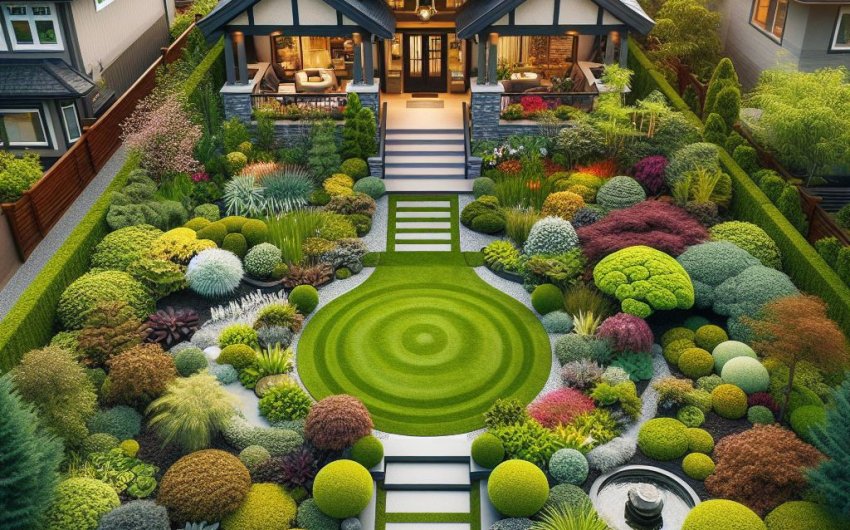
Your front yard is more than just a patch of grass; it's the first impression of your home, a welcoming embrace, and a reflection of your personal style. A well-designed landscape can significantly boost curb appeal, invite curb-side admiration, and even enhance your property's value. But faced with an empty space or an outdated layout, knowing where to begin transforming it can feel overwhelming. The key lies in understanding how to blend aesthetics with functionality, creating a harmonious and inviting outdoor space that truly stands out.
From lush plantings to elegant pathways, every element plays a role in crafting a cohesive and captivating front yard. This guide is packed with inspiring landscape layout ideas designed to help you envision and implement the perfect design for your home. Whether you dream of a vibrant floral display, a low-maintenance haven, or a grand entrance, get ready to transform your frontyard into a spectacular outdoor statement.
Why Is Front Yard Landscaping So Important?
Thinking about why front yard landscaping is so important goes far beyond just having a pretty garden. Your front yard serves multiple crucial roles, influencing everything from your home's value to your daily mood. It's the public face of your property, telling a story before anyone even steps inside.
What Are the Key Benefits of a Well-Designed Front Yard?
The key benefits of a well-designed front yard are numerous and impactful:
Enhanced Curb Appeal: This is the most obvious benefit. A beautiful front yard immediately catches the eye, creating a positive first impression. It signals that the home is well-cared for, inviting admiration from neighbors and passersby. This visual appeal contributes significantly to how your home is perceived.
Increased Property Value: A well-landscaped front yard can substantially increase your home's market value. Studies consistently show that homes with attractive landscaping sell faster and for more money than those with neglected or uninspired exteriors. It's an investment that offers a tangible return.
AdvertisementImproved Welcoming Atmosphere: A thoughtfully designed front yard acts as a natural extension of your home's hospitality. Defined pathways, inviting plantings, and strategically placed lighting can create a warm and welcoming feeling for guests, guiding them to your front door and setting a pleasant tone for their visit.
Personal Expression and Enjoyment: Your front yard is a canvas for your personal style. It allows you to express creativity through plant choices, hardscaping materials, and decorative elements. Seeing your vision come to life and enjoying a beautiful outdoor space every day adds immense satisfaction and joy to homeownership.
Environmental Benefits: Beyond aesthetics, front yard landscaping contributes positively to the environment. Plants help clean the air, reduce stormwater runoff, lower ambient temperatures through shading, and provide habitat for local wildlife like birds and beneficial insects. Native plants are particularly effective in these roles.
Functionality and Practicality: A good landscape design isn't just pretty; it's also practical. It can improve drainage, create shade, reduce noise pollution, and even provide privacy. Proper pathways ensure safe access, and strategically placed plants can reduce energy costs by shading your home in summer.
In essence, a well-designed front yard is a powerful asset that enhances beauty, value, and livability, making it a truly worthwhile endeavor for any homeowner.
How Do You Plan Your Front Yard Landscape Layout?
Embarking on a front yard landscape project can feel daunting, but a solid plan is your best friend. Knowing how to plan your front yard landscape layout effectively ensures that your vision comes to life smoothly, avoiding costly mistakes and leading to a truly cohesive and functional space. It's about taking a step-by-step approach.
What Are the Essential Steps for Design and Assessment?
The essential steps for design and assessment lay the groundwork for your successful front yard transformation:
Assess Your Current Space (The "Before" Picture):
- Take Measurements: Grab a tape measure and graph paper. Sketch out your existing front yard, including the house, driveway, walkways, existing trees/shrubs, and any fixed structures (porch, steps, utilities). Measure accurately to create a scale drawing.
- Analyze Sun Exposure: Observe your yard throughout the day and across seasons. Note which areas get full sun (6+ hours), partial sun (3-6 hours), and full shade. This is crucial for selecting the right plants.
- Identify Existing Conditions: What's your soil type (sandy, clay, loam)? Is there good drainage? Are there problem areas like slopes, soggy spots, or areas prone to erosion? Are there any unsightly elements you want to hide (e.g., utility boxes)?
- Consider Your Climate Zone: Know your USDA Plant Hardiness Zone to select plants that will survive your winters.
- Note Existing Views: What do you see from your main windows? What are the views to your house from the street?
Define Your Needs and Desires (The "Wish List"):
- Purpose: What do you want your front yard to do? Increase curb appeal? Provide privacy? Create a welcoming entry? Be low-maintenance? Attract wildlife?
- Style: What aesthetic do you prefer? Formal and symmetrical, informal and flowing, modern, cottage garden, native landscape? Look for inspiring landscape layout ideas online or in magazines to gather inspiration.
- Features: Do you want new pathways, a seating area, a water feature, new lighting, a specific type of garden bed (e.g., a flower garden design)?
- Maintenance Level: Be honest about how much time and effort you're willing to invest in maintenance (watering, weeding, pruning). This will heavily influence your plant and material choices.
- Budget: Set a realistic budget. This will determine the scope and scale of your project.
Draw Your Design Plan (The "Blueprint"):
- Start with Structure: On your scaled drawing, outline hardscape elements first: new pathways, driveways, patios, retaining walls. Think about how people will move through the space. The walkway design is often central.
- Add Layers of Plants: Start with larger elements like trees (consider mature size!), then shrubs, then perennial and annual flower beds. Think about varying heights, textures, and bloom times for year-round interest.
- Consider Flow and Harmony: Ensure elements flow together logically and aesthetically. Use curves for a softer look or straight lines for a more formal feel.
- Incorporate Practicalities: Mark irrigation lines, outdoor lighting, and any necessary drainage solutions.
- Visualize: Use colored pencils or even cutouts to visualize how different elements will look. Don't be afraid to try multiple layouts.
By systematically going through these planning and assessment steps, you'll create a well-thought-out design that transforms your front yard into a beautiful and functional space that meets all your needs.
Which Hardscape Elements Enhance a Front Yard?
Beyond the lush greenery, hardscape elements are the structural backbone of your front yard landscape. They define spaces, direct traffic, and add a layer of texture and permanence that complements your plantings. Understanding which hardscape elements enhance a front yard is key to building a functional and aesthetically pleasing design.
What Are Key Hardscape Components and Their Impact?
The key hardscape components, when chosen and placed thoughtfully, significantly impact the overall look and feel of your front yard.
Pathways and Walkways: These are perhaps the most crucial hardscape elements in a front yard.
- Impact: They provide safe, clear access to your front door, guide visitors, and can create a sense of invitation. The material and design of your walkway design greatly influence the overall style.
- Options:
- Pavers: Durable, versatile, come in many colors and shapes (e.g., Belgard Pavers). Good for formal or informal looks.
- Flagstone: Natural, irregular shapes, ideal for a rustic or cottage feel.
- Gravel/Decomposed Granite: More informal, cost-effective, but may require edging.
- Poured Concrete: Durable, sleek, good for modern designs.
- Tip: Pathways should be wide enough for at least two people to walk side-by-side (minimum 4 feet for main paths).
Retaining Walls and Terraces: For sloped front yards, these elements are both practical and beautiful.
- Impact: They prevent soil erosion, create level planting beds on slopes (terraces), and add vertical interest. They can define different "rooms" within the landscape.
- Options: Natural stone, concrete blocks (dry-stacked or mortared), timber, or even gabion walls.
- Tip: Always consider proper drainage behind retaining walls to prevent water buildup. For significant slopes, consulting a professional is recommended.
Edging: While subtle, edging plays a vital role in defining garden beds and pathways.
- Impact: Creates crisp, clean lines, prevents soil from spilling onto paths, and keeps grass from creeping into flower beds.
- Options: Metal edging, brick, stone, composite materials, or even a simple trench.
- Tip: Choose an edging material that complements your other hardscape and home's style.
Decorative Elements and Features: These are the accents that personalize your front yard.
- Impact: They add focal points, provide visual interest, and reflect your taste.
- Options:
- Benches or Seating: If space allows, a small bench can be an inviting spot.
- Water Features: A small fountain can add soothing sounds and attract birds.
- Boulders or Decorative Rocks: Add natural texture and anchor plantings.
- Sculptures or Garden Art: Personalize the space.
- Planters and Urns: Especially effective for adding seasonal color near the front door or along pathways. Large Outdoor Planters can make a big statement.
- Tip: Don't overdo it. Choose a few key pieces that complement your home's architecture and garden style.
By carefully integrating these hardscape elements, you create a robust, functional, and visually appealing framework that elevates your front yard from simple to stunning.
Which Plants and Planting Strategies Work Best?
Once the hardscape is in place, the living elements come next! Choosing which plants and planting strategies work best is where your front yard truly comes to life. The goal is to create visual appeal that lasts through seasons, provides depth, and complements your home's architecture.
What Are the Best Choices for Year-Round Interest and Visual Harmony?
For year-round interest and visual harmony, consider a layered planting approach using a mix of plant types:
Trees (Overstory and Understory):
- Impact: Provide shade, vertical height, seasonal interest (flowers, fall color, winter structure), and often serve as focal points.
- Choices:
- Small to Medium-Sized Ornamental Trees: Japanese maples (for stunning fall color and graceful form), dogwoods (spring blooms), serviceberry (multi-season interest), crape myrtle (summer blooms). Avoid trees that will grow too large for your space or have aggressive roots that could damage foundations or pipes.
- Evergreen Trees: Small conifers like dwarf Alberta spruce for year-round green.
- Tip: Consider the mature size of the tree and its eventual impact on sunlight for other plants.
Shrubs (Mid-Layer Structure):
- Impact: Provide structure, evergreen presence (crucial for winter interest!), privacy, and repeated seasonal interest with flowers or berries. They bridge the gap between trees and smaller plants.
- Choices:
- Evergreen Shrubs: Boxwood, holly, rhododendron, azalea (for spring color), certain junipers. These are vital for winter beauty.
- Deciduous Flowering Shrubs: Hydrangeas (long bloom time), spireas, potentilla.
- Tip: Use shrubs to soften harsh lines of your house or hardscape. Think about their mature size to avoid constant pruning.
Perennials (Reliable Color and Texture):
- Impact: Come back year after year, providing consistent color, texture, and often attracting pollinators. They form the bulk of your flower garden design.
- Choices:
- Long-Blooming Perennials: Daylilies, coneflowers (Echinacea), salvias, catmint (Nepeta), coreopsis.
- Foliage Perennials: Hostas (for shade), heuchera (coral bells) for colorful foliage.
- Tip: Plant in groups of odd numbers (3, 5, 7) for a natural, impactful look. Research bloom times to ensure continuous interest.
Annuals (Seasonal Color and Fillers):
- Impact: Offer intense, season-long color and can fill in gaps while perennials mature or between bloom cycles. Perfect for containers or window boxes.
- Choices: Marigolds, petunias, impatiens (for shade), zinnias, celosia.
- Tip: Use annuals to highlight your front door, window boxes, or seasonal accents. They offer flexibility for changing colors each year.
Groundcovers and Edging Plants:
- Impact: Suppress weeds, reduce erosion on slopes, define bed edges, and provide a low layer of greenery.
- Choices: Creeping phlox, sedum, mondo grass, Liriope.
- Tip: Choose drought-tolerant groundcovers for low-maintenance areas.
Planting Strategies:
- Layering: Plant tallest elements at the back, mid-height in the middle, and shortest at the front.
- Mass Planting: For impact, plant groups of the same variety together rather than single plants.
- Repetition: Repeat certain plants or color schemes throughout the landscape for a cohesive look.
- Evergreen Framework: Ensure a good percentage of your plants are evergreen to provide structure and color in winter.
By thoughtfully combining these plant types and applying strategic planting, you can create a vibrant, harmonious, and truly inspiring front yard landscape that offers beauty through all seasons.
How Do You Incorporate Seasonal Interest and Focal Points?
A truly spectacular front yard isn't just beautiful for one season; it offers something visually appealing throughout the year. Knowing how to incorporate seasonal interest and focal points elevates your landscape from merely pretty to truly captivating, providing consistent beauty and drawing the eye to key elements.
What Elements Create Year-Round Appeal and Visual Highlights?
Creating year-round appeal and visual highlights in your front yard involves thoughtful selection and strategic placement of various elements.
1. Seasonal Interest (Continuous Beauty):
- Spring: Begin with early spring bulbs like crocuses, daffodils, and tulips. Follow with early flowering shrubs like Forsythia or ornamental trees like Cherry or Dogwood. These herald the arrival of warmer weather and add bursts of color.
- Summer: This is the peak season for vibrant blooms. Focus on long-blooming perennials such as daylilies, coneflowers, hostas (for foliage in shade), and salvias. Incorporate colorful annuals in pots and beds for continuous pop. The summer months offer the most opportunity for a lush, full look.
- Fall: Transition to plants known for their stunning autumn foliage and late-season blooms. Japanese maples, oakleaf hydrangeas, and certain shrubs offer fiery reds, oranges, and yellows. Late-season perennials like mums, asters, and ornamental grasses provide texture and movement.
- Winter: The structure of your landscape becomes paramount. Evergreen shrubs (boxwood, holly, rhododendron, juniper) and small evergreen trees provide a green backdrop. Consider plants with interesting bark (e.g., paperbark maple), berries (winterberry holly), or unique forms to add texture and color to a monochrome landscape. Outdoor lighting can highlight winter interest.
- Tip: Create a bloom calendar for your chosen plants to ensure overlapping periods of interest. Aim for a variety of plant types (trees, shrubs, perennials, annuals) to contribute to different seasons.
2. Focal Points (Drawing the Eye): A focal point is an element in your landscape that immediately draws attention and provides a resting place for the eye. It gives your design direction and a sense of purpose.
- The Front Door: This is your natural primary focal point. Enhance it with well-chosen plants in large, attractive outdoor planters, a vibrant paint color on the door, or symmetrical lighting fixtures. A beautiful wreath can add seasonal flair.
- Specimen Plants: A particularly striking tree, a unique shrub, or an unusually shaped ornamental grass can serve as a focal point. Choose a plant with year-round interest. A mature Japanese Maple tree is an excellent example.
- Architectural Features: If your home has unique architectural details (e.g., a beautiful porch, ornate columns), highlight them with strategic planting that frames them rather than hides them.
- Hardscape Features: A small water feature like a bubbling fountain, a beautifully crafted garden bench, or a striking piece of garden art can serve as an effective focal point. Ensure it's scaled appropriately for your yard size.
- Pathways: A curved or specially designed walkway design can also act as a focal point, drawing the eye towards the entrance.
- Tip: Don't create too many focal points, as this can make the landscape feel cluttered and confusing. One or two strong focal points are usually enough for a front yard. Use planting to lead the eye towards these points.
By intentionally weaving in seasonal variety and strategically placing focal points, your front yard will offer continuous delight and visual intrigue, showcasing its beauty throughout the entire year.
How Do You Ensure Low Maintenance and Sustainability?
For many homeowners, a beautiful front yard is a dream, but the thought of constant upkeep can be a deterrent. Learning how to ensure low maintenance and sustainability in your landscape design is key to enjoying your outdoor space without it becoming a burdensome chore. It's about smart choices from the very beginning.
What Strategies Reduce Upkeep and Promote Eco-Friendliness?
Several strategies can significantly reduce upkeep and promote eco-friendliness in your front yard landscape:
Choose the Right Plants for the Right Place (The "Gold Standard"):
- Native Plants: Opt for plants that are native to your region. They are naturally adapted to your local climate, soil, and rainfall, requiring less water, fertilizer, and pest control once established. They also support local wildlife.
- Drought-Tolerant Plants: Select plants that can thrive with minimal supplemental watering, especially after their first year. This is crucial for water conservation.
- Pest and Disease Resistant Varieties: Research plants known for their natural resistance to common local pests and diseases to reduce the need for chemical treatments.
- Consider Mature Size: Choose plants that will grow to their mature size without constantly needing to be pruned to fit the space. This saves immense time and effort.
- Group Plants with Similar Needs: Place plants that have similar water, light, and soil requirements together. This simplifies watering and general care.
Smart Water Management:
- Efficient Irrigation: Install a drip irrigation system or soaker hoses (like a Rain Bird Drip Irrigation Kit). These deliver water directly to the plant's root zone, minimizing evaporation and waste compared to overhead sprinklers.
- Rain Barrels: Collect rainwater for use in your garden.
- Mulch Heavily: Apply a 2-4 inch layer of organic mulch (shredded bark, wood chips, compost) over garden beds. Mulch suppresses weeds, retains soil moisture, regulates soil temperature, and adds organic matter as it decomposes. This is a game-changer for reducing watering and weeding.
Reduce Lawn Area:
- Shrink the Lawn: Lawns require significant watering, fertilizing, and frequent mowing. Consider replacing portions of your lawn with garden beds, groundcovers, or permeable hardscaping.
- Alternative Groundcovers: Explore low-growing, no-mow groundcovers that can withstand some foot traffic.
Incorporate Low-Maintenance Hardscapes:
- Durable Materials: Choose robust materials for pathways and patios that won't degrade quickly or require constant repair.
- Permeable Surfaces: Opt for permeable pavers or gravel for driveways and paths to allow rainwater to soak into the ground instead of running off, which helps with drainage and reduces strain on storm drains.
Compost and Soil Health:
- Improve Soil: Healthy soil supports healthy plants, making them more resilient to stress and less reliant on external inputs. Amend your soil with organic compost regularly.
- Compost On-Site: Consider a compost bin for your yard waste and kitchen scraps to create your own nutrient-rich soil amendment.
Minimal Chemical Use:
- Integrated Pest Management (IPM): Focus on preventing pests and diseases through healthy plants and good cultural practices rather than immediate chemical application. Use targeted, organic solutions when necessary.
- Organic Fertilizers: Choose organic fertilizers over synthetic ones, which are often more gentle on the soil ecosystem and the environment.
By adopting these strategies, you can design a beautiful, inspiring front yard landscape that thrives with minimal intervention, contributing to both your enjoyment and the health of the environment.