
What Are the Different Varieties of Pomegranate Plants to Choose From?
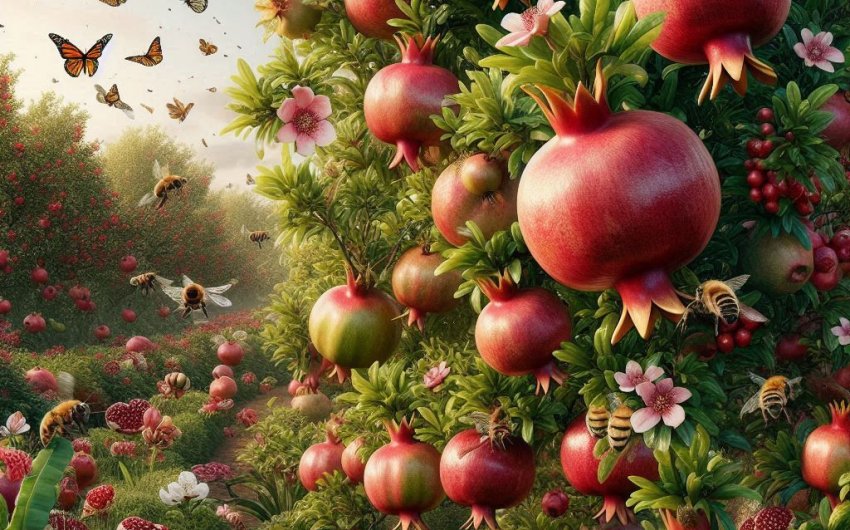
When selecting from the different varieties of pomegranate plants, consider factors such as your USDA hardiness zone, desired fruit sweetness and texture, aril (seed) softness, and the plant's mature size and growth habit. Popular choices range from cold-hardy and sweet-fruited varieties to ornamental types and those suitable for containers.
Why Are There Different Varieties of Pomegranate Plants?
The diversity among pomegranate plants extends far beyond just one type of fruit you might find at the grocery store. Just like apples or grapes, pomegranates have been cultivated for thousands of years across various climates, leading to a wide array of distinct varieties, each with unique characteristics that make them suitable for different purposes and growing conditions.
The Origin of Diversity
- Geographic Adaptation: Pomegranates (Punica granatum) originated in the Middle East and Central Asia. As they spread across different regions (from the Mediterranean to India, China, and eventually the Americas), they adapted to varying climates, soil types, and growing seasons. This natural selection led to distinct cultivars.
- Human Selection: Farmers and horticulturists have actively selected and bred pomegranates for desirable traits over centuries. This selective breeding has focused on improving fruit quality, increasing yield, enhancing cold hardiness, and adapting to diverse growing environments.
- Purposeful Cultivation: Varieties have been developed not only for their delicious fruit but also for ornamental value (beautiful flowers, unique foliage), size (dwarf for containers), or specific uses (juice production vs. fresh eating).
Key Characteristics That Vary Among Pomegranate Varieties
Understanding these differences is crucial for choosing the right pomegranate plant for your needs:
- Cold Hardiness: This is perhaps the most important factor for home gardeners. Some varieties can tolerate temperatures down to 10-15°F (-12 to -9°C), while others are more sensitive and require warmer climates.
- Fruit Quality:
- Sweetness/Tartness: Ranging from very sweet to distinctly tart.
- Juice vs. Eating: Some are best for fresh eating (high juice content, soft seeds), others for juicing (often more tart, higher juice yield).
- Aril Color: Can vary from light pink to deep red, almost black.
- Aril Softness: Some varieties have hard, crunchy seeds within the aril, while "soft-seeded" varieties have seeds that are soft enough to chew and swallow easily.
- Rind Thickness/Hardness: Affects storage and ease of opening.
- Maturity Time: Early-season, mid-season, or late-season ripening. Important for regions with shorter growing seasons.
- Tree Size and Growth Habit:
- Standard: Can grow into a large shrub or small tree (10-20+ feet tall).
- Dwarf: Compact varieties (3-6 feet tall) suitable for containers or small gardens.
- Ornamental: Prized more for their flowers or foliage than for fruit.
- Disease and Pest Resistance: Some varieties show better natural resistance to common issues like fruit rot or leaf spot.
- Thorniness: Some varieties are thornier than others, which can be a consideration for harvesting and placement.
The wide array of different varieties of pomegranate plants means there's likely a perfect match for almost any climate and gardening goal, from growing a full-sized tree for abundant juice to cultivating a dwarf plant on a patio for fresh snacks.
What Are the Best Sweet-Fruited Pomegranate Varieties?
For many home gardeners, the primary goal is to grow juicy, delicious pomegranates for fresh eating. If a sweet, flavorful aril is your priority, there are several outstanding pomegranate plant varieties to consider. These often feature softer seeds and high sugar content.
1. 'Wonderful'
- Characteristics: This is the most popular and widely grown commercial variety in the United States, and for good reason.
- Fruit: Large, deep red, with deep red arils that are juicy and have a balanced sweet-tart flavor. Seeds are moderately hard.
- Juicing & Eating: Excellent for both fresh eating and juicing.
- Ripening: Late season (September-October in most climates).
- Tree: Vigorous grower, can reach 10-15 feet tall.
- Hardiness: Moderate cold hardiness (USDA Zones 8-10, can survive into Zone 7 with protection).
- Availability: Widely available at nurseries.
- Consider a Wonderful Pomegranate Plant.
2. 'Eversweet'
- Characteristics: True to its name, 'Eversweet' is known for its incredibly sweet, non-acidic juice, even if the fruit isn't fully ripe.
- Fruit: Medium to large, with attractive pinkish-red skin and clear, non-staining juice (due to lack of tannin). Seeds are exceptionally soft, making it excellent for fresh eating.
- Flavor: Consistently sweet, no tartness.
- Ripening: Mid-season (August-September).
- Tree: Medium-sized, can reach 10 feet tall, with a bushy habit.
- Hardiness: More cold hardy than 'Wonderful', good for USDA Zones 7-10. Can tolerate some light frost.
- Special Note: The clear juice is a major advantage for avoiding stains.
3. 'Desertnyi' (also known as 'Russian #8')
- Characteristics: A highly regarded variety known for its superior taste and very soft seeds.
- Fruit: Large, typically reddish-pink skin. Arils are bright red, extremely juicy, and have a rich, complex sweet-tart flavor that leans heavily sweet. Seeds are very soft, almost undetectable.
- Flavor: Considered one of the best-tasting pomegranates for fresh eating.
- Ripening: Late season (October-November).
- Tree: Medium to large shrub.
- Hardiness: Excellent cold hardiness, tolerating temperatures down to 5°F (-15°C) once established, making it suitable for USDA Zones 6-10. This is a great choice for colder climates.
4. 'Sweet'
- Characteristics: A generally reliable variety for those seeking a pure sweet taste with minimal tartness.
- Fruit: Medium to large, typically light pink to reddish-orange skin. Arils are pink, very juicy, and consistently sweet. Seeds are semi-soft.
- Flavor: Very sweet.
- Ripening: Mid-season (August-September).
- Tree: Medium-sized.
- Hardiness: Good for USDA Zones 8-10.
When selecting from these different varieties of pomegranate plants, consider not just the sweetness, but also the seed softness, ripening time, and hardiness zone to ensure the best fit for your climate and palate.
What Are the Best Tart-Fruited Pomegranate Varieties?
While many gardeners seek extreme sweetness, some prefer the robust, tangy flavor of tart pomegranates, especially for juicing, culinary uses, or creating a balanced flavor profile in drinks and dishes. These pomegranate plant varieties offer a delightful pucker and vibrant color.
1. 'Nana' (Punica granatum 'Nana')
- Characteristics: While primarily grown as an ornamental dwarf, its fruit is edible and quite tart.
- Fruit: Small (about 1-2 inches), reddish-orange. Arils are dark red and very tart. Seeds are noticeable.
- Juicing & Eating: Can be eaten fresh if you like very tart fruit, but generally too small for efficient juicing.
- Ripening: Late summer to fall.
- Tree: A true dwarf, growing only 2-4 feet tall and wide, making it excellent for containers or small spaces. Produces abundant orange-red flowers.
- Hardiness: Surprisingly cold hardy for its size (USDA Zones 7-11), often grown as an annual or overwintered indoors in colder zones.
- Special Note: Valued more for its ornamental appeal and compact size than for its fruit production volume.
2. 'Ambrosia'
- Characteristics: Offers a good balance of sweet and tart, but with a definite tangy kick. Often considered a "wine-flavored" pomegranate.
- Fruit: Large, beautiful pinkish-red rind with dark red arils. Very juicy. Seeds are moderately soft.
- Flavor: Complex, with a prominent tartness balanced by sweetness. Excellent for juicing or for a more assertive fresh eating experience.
- Ripening: Late season (October-November).
- Tree: Large, vigorous shrub.
- Hardiness: Moderate cold hardiness (USDA Zones 8-10).
3. 'Grenada'
- Characteristics: A slightly earlier ripening alternative to 'Wonderful' with a distinct tartness.
- Fruit: Medium to large, deep red skin and deep red arils. Juicy with a pronounced tartness. Seeds are moderately hard.
- Flavor: More tart than 'Wonderful', making it popular for juicing or those who prefer less sweetness.
- Ripening: Early-mid season (August-September).
- Tree: Medium to large shrub.
- Hardiness: Similar to 'Wonderful', good for USDA Zones 8-10.
4. 'Kazake'
- Characteristics: Known for its large, tart fruit and good cold hardiness.
- Fruit: Large, typically reddish-orange with red arils. Very tart and juicy. Seeds are somewhat hard.
- Flavor: Distinctly tart. Primarily grown for juice or for culinary uses where a strong tart flavor is desired.
- Ripening: Mid-late season (September-October).
- Tree: Medium to large shrub.
- Hardiness: Excellent cold hardiness, often comparable to 'Desertnyi', suitable for USDA Zones 6-10. A good choice for northern growers wanting tart pomegranates.
When choosing from these different varieties of pomegranate plants, consider your intended use for the fruit. Tart varieties are fantastic for vibrant juice, delicious sauces, or as a zingy addition to salads, offering a different but equally rewarding culinary experience compared to their sweeter counterparts.
What Are the Best Cold-Hardy Pomegranate Varieties?
For gardeners in cooler climates who dream of growing their own pomegranates, cold hardiness is the single most important factor when selecting from the different varieties of pomegranate plants. While pomegranates generally prefer warm climates, specific cultivars have been bred or discovered that can tolerate surprisingly low winter temperatures.
Understanding Cold Hardiness
- Dormancy: Pomegranates are deciduous, meaning they lose their leaves in winter and go dormant. This dormancy helps them withstand cold.
- Degrees of Hardiness: "Cold hardy" means they can survive winter low temperatures. However, a hard freeze can still damage flower buds or new growth if it occurs too early or too late in the season, or if temperatures drop extremely rapidly.
- Protection: Even cold-hardy varieties benefit from winter protection (mulch around the base, wrapping young trees) in the colder end of their hardiness range.
Top Cold-Hardy Pomegranate Varieties
- 'Salavatski' (also known as 'Russian 26')
- Hardiness: One of the most reliably cold-hardy varieties, tolerating temperatures down to 5°F (-15°C), making it suitable for USDA Zones 6-10. In colder Zone 6 areas, it might die back to the ground but often regrows from the roots, effectively acting as a herbaceous perennial.
- Fruit: Medium to large, pinkish-red skin with juicy, sweet-tart arils. Seeds are semi-hard.
- Ripening: Mid-season (September).
- Tree: Vigorous, multi-stemmed shrub.
- Benefits: Excellent choice for northern growers who prioritize winter survival.
- Consider a Salavatski Pomegranate Plant.
- 'Desertnyi' (also known as 'Russian #8')
- Hardiness: Very similar to 'Salavatski' in cold tolerance, also reliably hardy to 5°F (-15°C) (USDA Zones 6-10).
- Fruit: As mentioned in "Best Sweet-Fruited Varieties," it has large, sweet-tart arils with very soft seeds, making it a fantastic eating pomegranate for colder climates.
- Ripening: Late season (October-November).
- Benefits: Offers the rare combination of excellent cold hardiness and superior eating quality.
- 'Kazake'
- Hardiness: Good cold hardiness, often hardy to 10°F (-12°C) (USDA Zones 7-10, with some reports of success in protected Zone 6 locations).
- Fruit: Large, distinctly tart, juicy arils. Primarily for juicing or those who prefer a tangy flavor. Seeds are somewhat hard.
- Ripening: Mid-late season (September-October).
- Benefits: A great tart option for colder areas.
- 'Eversweet'
- Hardiness: Good cold hardiness for a sweet variety, generally hardy to 10°F (-12°C) (USDA Zones 7-10).
- Fruit: Exceptionally sweet, non-acidic, with very soft seeds. Juice is clear/non-staining.
- Ripening: Mid-season (August-September).
- Benefits: Excellent for fresh eating in zones where 'Wonderful' might struggle.
- 'Nana' (Dwarf Ornamental)
- Hardiness: While its fruit is small and tart, 'Nana' is surprisingly cold-tolerant for a dwarf, usually hardy to 10°F (-12°C) (USDA Zones 7-11). It can be grown in containers and brought indoors in colder zones.
- Benefits: If you want a small, cold-tolerant ornamental with some edible fruit, 'Nana' is a good choice.
When selecting different varieties of pomegranate plants for colder regions, prioritize hardiness first, then consider the fruit characteristics. Planting cold-hardy varieties significantly increases your chances of successful harvests, even when winter temperatures drop.
What Are the Best Dwarf and Ornamental Pomegranate Varieties?
Not every gardener has space for a large shrub or tree, or their primary interest might be the stunning flowers rather than the fruit. Fortunately, among the different varieties of pomegranate plants, there are excellent dwarf and ornamental cultivars that fit perfectly into small gardens, containers, or serve as beautiful landscape accents.
Dwarf Varieties (for Small Spaces and Containers)
These varieties are typically compact, growing to manageable sizes suitable for patio pots or as small hedges.
- 'Nana' (Punica granatum 'Nana')
- Size: True dwarf, typically growing 2-4 feet tall and wide.
- Fruit: Small (1-2 inches), tart, reddish-orange. Edible but low yield for consumption.
- Ornamental Value: Valued for its abundant, bright orange-red flowers, which are continuously produced from spring through fall. The small, often persistent fruit also adds decorative appeal.
- Hardiness: USDA Zones 7-11, can be grown indoors or overwintered in colder zones.
- Benefits: Excellent for container gardening, bonsai, or low hedges. Its continuous blooms make it a long-lasting showstopper.
- Consider a Punica Granatum Nana Dwarf Pomegranate.
- 'Pink Ice' (or 'Pink Lady')
- Size: Dwarf to semi-dwarf, growing to 4-6 feet tall and wide.
- Fruit: Medium-sized, sweet, pinkish fruit with very soft seeds. Excellent for fresh eating.
- Ornamental Value: Attractive pink blooms, though not as profuse as 'Nana'.
- Hardiness: USDA Zones 8-10.
- Benefits: Combines compact size with good-quality, soft-seeded sweet fruit, making it a good choice for smaller gardens or larger containers where edible yield is also desired.
- 'Parfianka' (sometimes listed as semi-dwarf)
- Size: Can be grown as a bush to 6-10 feet but can be kept smaller with pruning or grown in a large container.
- Fruit: Medium to large, sweet-tart, with an acclaimed rich flavor and exceptionally soft seeds. Considered one of the best eating pomegranates.
- Ornamental Value: Attractive orange-red flowers.
- Hardiness: USDA Zones 7-10.
- Benefits: If you can provide a slightly larger container or a smaller garden space, 'Parfianka' offers gourmet fruit quality in a more manageable size.
Ornamental Varieties (Prized for Flowers and Form)
These varieties are grown primarily for their striking floral displays or unique foliage, though some may produce small, less significant fruit.
- 'Legrelliae' (Double-Flowered Pomegranate)
- Size: Medium-sized shrub, 6-10 feet tall and wide.
- Flowers: The main attraction. Produces stunning double, ruffled, orange-red flowers that resemble miniature carnations. Very showy and long-lasting. Does not produce significant fruit.
- Hardiness: USDA Zones 7-10.
- Benefits: A fantastic specimen plant for its floral display, adding a touch of exotic beauty to the garden.
- 'Flore Pleno' (Punica granatum 'Flore Pleno')
- Size: Similar to 'Legrelliae', a medium-sized shrub.
- Flowers: Produces beautiful double, orange-red or salmon-pink flowers. Can be similar in appearance to 'Legrelliae', or offer slightly different color variations.
- Hardiness: USDA Zones 7-10.
- Benefits: Another excellent choice for a dramatic flowering shrub.
- 'Albescens' (White-Flowered Pomegranate)
- Size: Medium to large shrub.
- Flowers: Unique for its pure white single flowers.
- Fruit: May produce some fruit, but typically smaller and less flavorful.
- Hardiness: USDA Zones 7-10.
- Benefits: Offers a refreshing alternative to the typical orange-red pomegranate blooms.
When choosing from the different varieties of pomegranate plants, consider your available space and your primary gardening goal. Whether you want abundant edible fruit, a compact patio plant, or a breathtaking floral display, there's a pomegranate variety to suit your needs.
How Do I Choose the Right Pomegranate Variety for My Climate?
Choosing the right pomegranate plant variety for your climate is the most crucial decision for success. Pomegranates are adaptable, but their ability to thrive and produce fruit is heavily dependent on factors like cold winters, hot summers, and the length of your growing season.
1. Determine Your USDA Hardiness Zone
- Understanding Zones: The USDA Plant Hardiness Zone Map is the primary tool. It divides North America into zones based on average annual minimum winter temperatures.
- Match Hardiness: Every pomegranate variety has a specified hardiness zone range. Select a variety that is hardy for your specific zone.
- Zone 6: Requires the most cold-hardy varieties (e.g., 'Salavatski', 'Desertnyi', 'Kazake'). Expect some dieback in harsh winters, but they should recover from the roots. Consider winter protection.
- Zone 7: Good for slightly less hardy options (e.g., 'Parfianka', 'Eversweet'). Protection still advisable for young plants.
- Zones 8-10: Most common varieties (e.g., 'Wonderful', 'Sweet', 'Ambrosia') thrive here. These zones offer the ideal blend of heat and mild winters.
- Zone 11: Very warm, allows for a wide range of varieties.
2. Consider Your Summer Heat and Growing Season Length
Pomegranates need sufficient heat and a long enough growing season to ripen their fruit.
- Heat Requirements: All pomegranates need hot, dry summers to fully ripen their fruit and develop optimal sweetness. Regions with cool, cloudy summers may struggle to ripen fruit effectively, even if cold hardy.
- Length of Growing Season:
- Early Ripening Varieties: If you have a shorter growing season (e.g., in northern Zone 7 or 8), prioritize varieties that ripen earlier (e.g., 'Eversweet', 'Grenada').
- Late Ripening Varieties: In zones with long, hot summers (Zone 9-10+), you can successfully grow late-ripening varieties like 'Wonderful'.
- Chill Hours (less critical for Pomegranates): Unlike some fruit trees, pomegranates don't have a high chill hour requirement, making them suitable for warmer winter climates.
3. Humidity and Disease Pressure
- Dry vs. Humid Climates: Pomegranates generally prefer dry heat. In very humid climates, they can be more susceptible to fungal diseases like fruit rot and powdery mildew.
- Disease Resistance: If you are in a humid area, research varieties known for better disease resistance, or be prepared to implement more intensive preventative measures.
4. Coastal vs. Inland
- Coastal Climates: Often have milder winters but can also have cooler, foggier summers, which might hinder fruit ripening. Protection from salt spray can also be a factor.
- Inland Climates: Tend to have hotter summers, which are ideal for fruit ripening, but can experience colder winters requiring hardier varieties.
5. Microclimates
- Even within your hardiness zone, your garden might have microclimates.
- Sheltered Spot: A south-facing wall or a protected corner might offer enough warmth to successfully grow a slightly less hardy variety.
- Windy Areas: Exposed, windy spots can increase winter chill and dry out plants.
By carefully evaluating these climatic factors and matching them to the specific characteristics of the different varieties of pomegranate plants, you significantly increase your chances of growing a thriving tree that yields delicious fruit suited to your region.
What Are Other Factors to Consider When Choosing a Pomegranate Variety?
Beyond hardiness and basic fruit characteristics, several other factors can influence your choice from the different varieties of pomegranate plants. Considering these details will help you select the perfect tree for your specific gardening goals and available space.
1. Intended Use of the Fruit
- Fresh Eating: If you want to simply crack open the fruit and enjoy the arils, prioritize varieties with soft seeds (e.g., 'Eversweet', 'Desertnyi', 'Parfianka'). These are much more pleasant to chew. Also consider varieties with very sweet or balanced sweet-tart flavors.
- Juicing: If your main goal is homemade pomegranate juice, tart varieties (e.g., 'Kazake', 'Grenada') or those known for high juice yield and vibrant color (like 'Wonderful') are excellent choices. Seed hardness is less critical for juicing.
- Culinary Uses: For recipes like sauces, glazes, or savory dishes, the tartness of varieties like 'Kazake' or 'Grenada' can add a desirable zing.
2. Growth Habit and Mature Size
- Standard Size (Shrub/Small Tree): Most pomegranates can grow to 10-20 feet tall and wide if left unpruned. If you have ample space and want a larger specimen, a standard variety is fine.
- Dwarf Varieties: For small gardens, urban patios, or container growing, dwarf varieties like 'Nana' (typically 2-4 feet) or semi-dwarf options like 'Pink Ice' or 'Parfianka' (which can be kept at 6-10 feet with pruning) are ideal.
- Training: Consider if you want to train your pomegranate as a multi-stemmed bush, a single-trunk tree, or even espalier it against a wall. Some varieties adapt better to certain training methods.
3. Thorniness
- Thorns: Many pomegranate varieties have thorns on their branches, which can make harvesting or pruning a bit challenging.
- Thornless/Fewer Thorns: If thorns are a concern, look for varieties advertised as having fewer thorns or being nearly thornless.
4. Self-Fertility
- Self-Pollinating: All common pomegranate plant varieties are self-fertile, meaning a single plant can produce fruit on its own without needing a different variety for cross-pollination. This is excellent for home gardeners with limited space.
- Increased Yield: While not strictly necessary, having more than one variety (especially if they bloom at slightly different times) can sometimes lead to even better fruit set due to increased pollinator activity.
5. Disease Resistance
- While pomegranates are generally tough, some varieties may show better natural resistance to common issues in your region, such as fungal leaf spots or fruit rots, especially in more humid climates. Research local reports or university extension recommendations if disease is a major concern in your area.
6. Availability
- Local Nurseries: Check with local nurseries first, as they often stock varieties that are proven to do well in your specific climate.
- Online Nurseries: Offer a wider selection of different varieties of pomegranate plants, especially for less common or specialty types.
- Consider purchasing from reputable online fruit tree nurseries.
By weighing all these factors – from fruit characteristics to growth habits and specific growing challenges – you can make an informed decision when choosing among the different varieties of pomegranate plants, ensuring you select the one that will thrive in your garden and bring you the most satisfaction.