
How Do I Know When My Honeyberries Are Ripe and Ready to Harvest?
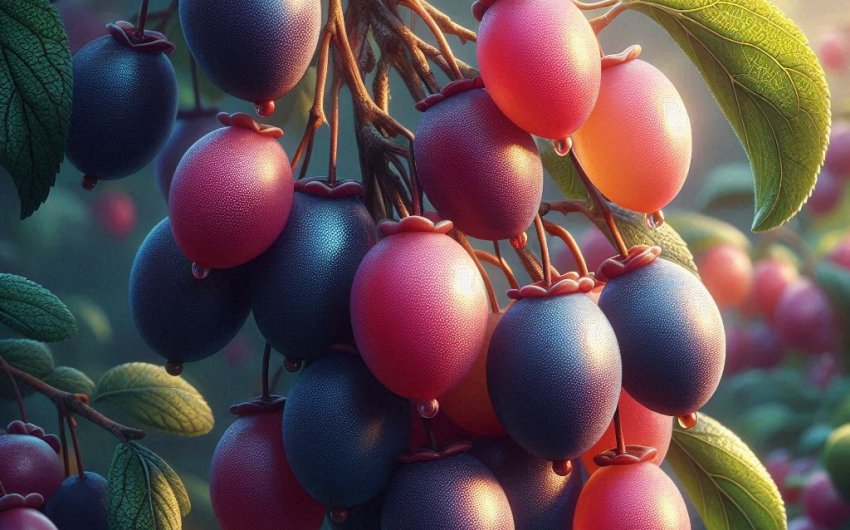
Honeyberries, also known as Haskap berries, are becoming increasingly popular in home gardens due to their delightful flavor and hardiness. These berries are not only tasty but also packed with vitamins, antioxidants, and other health benefits. However, like many fruits, the key to enjoying the best possible flavor and nutrition from honeyberries is harvesting them at the perfect time. Picking them too early can result in a sour taste, while leaving them too long on the plant can lead to overripe, mushy fruit.
In this comprehensive guide, we will cover how to tell when your honeyberries are ripe and ready for harvest, as well as the proper harvesting techniques to ensure you get the most out of your crop.
Understanding the Honeyberry Plant
Before diving into how to determine ripeness, it’s important to understand the basics of the honeyberry plant. Honeyberries belong to the genus Lonicera, also known as honeysuckle, and are often referred to as edible honeysuckles. These cold-hardy shrubs thrive in northern climates and are perfect for gardeners who experience harsh winters. The berries themselves resemble elongated blueberries and range in color from blue to deep purple.
Honeyberries are typically one of the earliest fruits to ripen in the garden, often maturing before strawberries. They have a sweet-tart flavor, making them versatile for use in jams, pies, or fresh eating.
If you're just starting out with honeyberries or want to improve your garden setup, investing in a good pair of pruning shears for maintaining your plants can be essential for a successful harvest.
Key Indicators That Honeyberries Are Ripe
There are several ways to tell when your honeyberries are ripe and ready for harvest. These include visual cues, texture, taste, and ease of picking. Each of these factors should be considered to ensure that you are harvesting at the optimal time.
1. Color Change
The first and most obvious indicator of ripeness is the color of the berry. When honeyberries are unripe, they appear pale green or light blue. As they ripen, they change to a deep blue or purple, depending on the variety. However, while color is an important indicator, it’s not the only one. Honeyberries can sometimes look ripe on the outside but still be underripe on the inside.
To check if the interior of the berry is also ripe, gently squeeze a berry to see if the juice that comes out is dark purple or blue. If the juice is green or clear, the berry still needs more time to ripen.
If you want to ensure that you grow the best possible crop of honeyberries, consider using plant fertilizers designed for fruit-bearing plants to promote strong growth and fruit development.
2. Size of the Berry
Size is another important factor when determining ripeness. Honeyberries tend to plump up as they ripen. Fully ripe berries will be larger, fuller, and have a firm but slightly soft texture. When they’re not fully ripe, honeyberries are smaller and much firmer to the touch.
Keep in mind that different honeyberry varieties will vary slightly in size. However, in general, you want to wait until the berries have reached their full potential size before harvesting.
For optimal growth, try using garden stakes to support your honeyberry bushes, ensuring that they get enough sunlight and space to thrive.
3. Texture and Softness
While size and color are useful indicators, texture and softness are key to knowing whether your honeyberries are ready to pick. A ripe honeyberry will feel slightly soft when gently squeezed, but it should not be mushy. If the berry feels very firm, it likely needs more time to ripen. Overripe berries, on the other hand, will feel too soft or mushy and may not hold up well during picking.
A perfectly ripe honeyberry will have a slight give when pressed but will still retain its shape. This is a good time to harvest the berry for peak flavor and sweetness.
4. Taste Test
One of the best ways to determine whether your honeyberries are ripe is to simply taste them. Ripe honeyberries should have a sweet-tart flavor, similar to a combination of blueberries, blackberries, and raspberries. If the berries taste too sour or bitter, they likely need more time on the bush.
Taste a few berries from different parts of the plant to get a good sense of overall ripeness. Sometimes, berries in sunnier locations will ripen faster than those in shadier areas.
For more information on the benefits and uses of honeyberries, visit our Honeyberry Harmony guide, which delves into this sweet and hardy fruit.
5. Ease of Picking
When your honeyberries are ready for harvest, they should easily come off the plant with a gentle tug. If you find yourself pulling or yanking to get the berries off the bush, they are not yet fully ripe. Conversely, if the berries fall off the bush at the lightest touch, they may be overripe.
Ripe honeyberries are delicate, so be sure to handle them gently during harvest. Using berry picking baskets can help protect the berries and prevent bruising while you collect them.
Best Practices for Harvesting Honeyberries
Once you’ve determined that your honeyberries are ripe and ready, it’s time to harvest. There are a few techniques you can follow to ensure you’re picking at the right time and preserving the quality of the berries.
1. Harvesting Early in the Morning
The best time to harvest honeyberries is in the early morning when the temperatures are cooler and the berries are at their plumpest. Picking during the heat of the day can cause the berries to soften and become more prone to damage.
If you live in a particularly hot climate, harvesting in the early morning can help reduce the risk of sunscald and prevent the berries from becoming too warm.
2. Use Gentle Hands
Honeyberries are delicate fruits, so it’s important to handle them gently during harvesting. Rather than pulling the berries, use your thumb and forefinger to gently twist the ripe berries from the plant. This method will minimize damage to both the berries and the plant.
If you plan on harvesting a large crop, consider wearing gardening gloves to protect your hands and make it easier to pick the berries without bruising them.
3. Avoid Overripe Berries
While it may be tempting to wait just a little longer for your honeyberries to ripen, leaving them on the bush for too long can result in overripe, mushy fruit. Overripe berries can be less flavorful and are more prone to falling off the bush and attracting pests.
Check your plants daily once the berries start to ripen, and harvest them promptly to avoid missing the perfect window of ripeness.
4. Keep Berries Cool After Harvesting
After harvesting your honeyberries, it’s important to keep them cool to preserve their flavor and texture. Place the berries in a vented container or shallow tray to prevent crushing and refrigerate them as soon as possible. Honeyberries can last for several days in the refrigerator if stored properly.
If you have a large harvest and can’t eat all the berries right away, freezing is an excellent option. Simply spread the berries in a single layer on a baking sheet, freeze them until solid, and then transfer them to freezer bags for long-term storage.
Storing and Preserving Honeyberries
Honeyberries are highly perishable and should be eaten or preserved soon after harvest. Here are some ways to store and preserve your berries for later use.
1. Refrigeration
Freshly picked honeyberries will last for 3 to 5 days when stored in the refrigerator. To keep them fresh for as long as possible, place the berries in a vented container lined with a paper towel to absorb any excess moisture. Be sure to remove any damaged or moldy berries, as they can cause the others to spoil faster.
2. Freezing Honeyberries
Freezing is one of the best ways to preserve honeyberries for later use. To freeze them, lay the berries in a single layer on a baking sheet and freeze until solid. Once frozen, transfer them to freezer bags, where they can be stored for up to a year. Frozen honeyberries are perfect for smoothies, baking, or making sauces.
3. Making Preserves and Jams
Honeyberries can be used to make delicious preserves, jams, and jellies. Their unique flavor pairs well with other fruits like raspberries or blackberries. When making jams or jellies, be sure to use canning jars to store your preserves properly.
For more ways to use honeyberries, explore our article on Honeyberry Harmony to learn about their many culinary applications and health benefits.
Common Problems When Harvesting Honeyberries
As with any fruit, there can be a few challenges when harvesting honeyberries. Understanding these common problems can help you avoid issues and ensure a successful harvest.
1. Birds
Birds love honeyberries just as much as humans do, and they can quickly strip a bush of its berries if you’re not careful. To prevent birds from eating your harvest, consider using bird netting to protect the plants while the berries ripen.
2. Uneven Ripening
Honeyberries tend to ripen unevenly, with some berries ripening much earlier than others. It’s important to monitor your plants closely and pick the ripe berries regularly to avoid overripe or underripe fruit. Checking your bushes daily during the ripening season is the best way to ensure you harvest at the perfect time.
3. Mold and Mildew
Overripe or damaged berries can attract mold and mildew, which can spread to other parts of the plant. Regularly remove any fallen or overripe berries from around the base of the plant to keep your honeyberry bushes healthy and free from disease.
By staying vigilant and following the proper harvesting techniques, you can enjoy a bountiful crop of sweet, flavorful honeyberries year after year.