
How Can I Propagate a Huckleberry Plant From Cuttings?
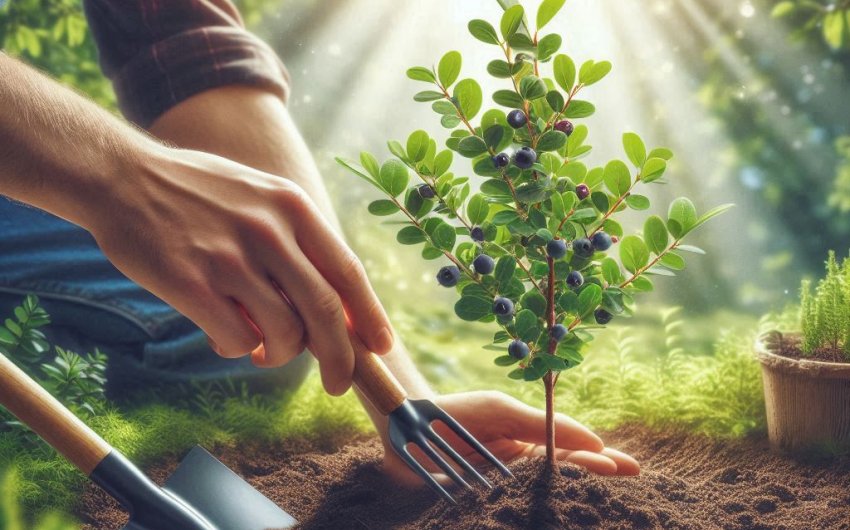
Huckleberries are beloved for their sweet-tart flavor and are often used in pies, jams, and syrups. These hardy, wild-growing shrubs can be a challenge to grow from seed, but they can be successfully propagated from cuttings. Propagating huckleberry plants from cuttings is a reliable way to expand your berry patch without waiting for seeds to germinate. This method ensures you’re cloning a healthy, productive plant, and you’ll enjoy delicious huckleberries in a fraction of the time.
In this comprehensive guide, we'll explore how to take huckleberry cuttings, prepare them for propagation, and care for them to ensure strong, healthy growth.
Why Propagate Huckleberries From Cuttings?
Propagating huckleberries from cuttings offers several advantages over growing from seeds. First and foremost, cuttings provide a genetic copy of the parent plant, ensuring that you retain all the desirable characteristics, such as taste, size, and disease resistance. Additionally, growing from cuttings tends to be quicker, allowing you to enjoy fresh huckleberries sooner.
If you're passionate about adding more edible plants to your garden, check out gardening shears to make the cutting process precise and efficient.
The Best Time to Take Huckleberry Cuttings
Huckleberries, like most berry plants, can be propagated from both softwood cuttings and hardwood cuttings, depending on the time of year.
Softwood cuttings: These are taken in late spring to early summer when the plant’s new growth is still green and flexible. This is the ideal time to take cuttings if you want quicker rooting since the plant’s growth hormones are active.
AdvertisementHardwood cuttings: These are taken during the plant's dormant phase in late fall or winter when the wood is more mature and hardened. Hardwood cuttings take longer to root but tend to be hardier and better suited for outdoor planting.
Choosing the right time depends on your region and the age of your huckleberry plant. If you live in a colder climate, softwood cuttings may be a better option since they root faster and can be kept indoors during the initial growth phase.
How to Select the Right Huckleberry Cutting
When choosing a cutting, it’s crucial to select healthy, disease-free stems that are showing good growth. Here are some tips on choosing the right huckleberry cutting:
Length: Select cuttings that are around 4 to 6 inches long for softwood cuttings and 6 to 8 inches for hardwood cuttings.
Stem quality: Look for stems that are strong, straight, and free of blemishes or disease. The stem should be green and flexible for softwood cuttings, and brown but not too brittle for hardwood cuttings.
Leaf health: Ensure the leaves are vibrant and free of spots or discoloration, as this indicates the overall health of the plant.
Using pruning shears will help you make clean cuts and reduce the risk of damaging the parent plant or the cuttings.
Steps for Propagating Huckleberry Plants From Cuttings
Now that you’ve chosen your cutting, it’s time to prepare it for propagation. Follow these steps to ensure successful growth.
1. Prepare Your Tools and Materials
Before starting the process, gather all the tools and materials you’ll need. Having everything ready ensures the cutting process is efficient and reduces stress on the plant.
You’ll need:
- Pruning shears for taking cuttings.
- Rooting hormone to encourage quicker and stronger root growth.
- A planting tray or small pots for planting the cuttings.
- A moisture meter to ensure your cuttings remain well-watered during the rooting process.
- A well-draining potting mix suitable for berries.
2. Take the Cutting
Use your pruning shears to take a cutting from the parent plant. Make the cut just below a node, which is the point where a leaf is attached to the stem. This is important because roots are more likely to develop from these nodes.
For softwood cuttings, ensure that you are selecting flexible, green stems. For hardwood cuttings, choose a mature stem that is firm and woody but not too brittle.
3. Prepare the Cutting
Remove the lower leaves from the bottom half of the cutting, leaving the top few leaves intact. Removing excess leaves reduces the plant's energy needs, allowing it to focus on rooting. If you are working with a hardwood cutting, you can also remove any small twigs or buds from the bottom.
Dip the cut end of the stem into rooting hormone to encourage faster and stronger root development. Rooting hormone contains auxins, which are naturally occurring plant hormones that stimulate root growth. Gently tap off any excess powder before planting.
4. Plant the Cutting
Fill your planting tray or small pots with a well-draining potting mix that contains equal parts peat moss and perlite. This mixture will retain moisture without becoming waterlogged, which is important for the health of the developing roots.
Insert the cutting into the soil about halfway, ensuring that the lower nodes (where leaves were removed) are buried. Lightly press the soil around the cutting to secure it, being careful not to damage the delicate stem.
5. Water the Cutting
After planting, thoroughly water the cutting to help settle the soil around the stem. Use a moisture meter to check the soil regularly and ensure it stays consistently damp but not waterlogged. Overwatering can cause the cutting to rot before it has a chance to root, so it's important to maintain the right moisture balance.
Using watering cans with a fine spout can help provide a gentle flow of water without disturbing the cutting.
6. Cover the Cutting (Optional)
To increase the humidity around the cutting, you can cover it with a clear plastic bag or place it in a propagator. This helps retain moisture, which is especially important for softwood cuttings that are prone to drying out.
Make sure there is some ventilation to prevent mold growth. If you’re using a plastic bag, poke a few small holes to allow air to circulate. Placing the cutting in indirect light rather than direct sunlight also prevents the cutting from drying out too quickly.
7. Monitor Root Development
Depending on whether you’re working with softwood or hardwood cuttings, it may take anywhere from a few weeks to several months for the roots to develop. Softwood cuttings generally root faster, while hardwood cuttings may take longer due to their denser structure.
Check for signs of root development by gently tugging on the cutting after a few weeks. If you feel resistance, it’s a sign that roots are forming. You can also use a clear planting tray to observe root growth without disturbing the plant.
Transplanting the Rooted Huckleberry Cutting
Once your huckleberry cutting has developed a healthy root system, it’s time to transplant it into a larger pot or directly into the garden.
1. Choose the Right Soil and Location
Huckleberries prefer acidic, well-drained soil with a pH between 4.5 and 5.5. Before transplanting, amend the soil with organic matter such as compost or well-rotted manure to provide the necessary nutrients.
If you're planting in a container, choose a large pot with good drainage holes. Use a potting mix designed for acid-loving plants, such as those used for blueberries and other berries.
2. Transplant Carefully
Carefully remove the rooted cutting from its initial container, being cautious not to damage the delicate roots. If the cutting was grown in a planting tray, you can use a spoon or planting tool to lift it out gently.
Plant the cutting in its new location, ensuring that it is at the same depth as it was in the smaller pot. Lightly water the transplant and mulch around the base to help retain moisture and regulate soil temperature.
3. Water and Care for the Transplant
Keep the soil consistently moist but not waterlogged, particularly during the first few weeks after transplanting. Huckleberries require regular watering, especially in dry weather, to prevent the soil from drying out.
Place the new plant in a location that receives partial to full sun. Huckleberries can tolerate some shade but produce the best fruit in full sun conditions. If you live in a particularly hot climate, some afternoon shade can protect the plant from scorching.
If you're interested in learning more about the health benefits and uses of huckleberries, check out our article on Huckleberry Heaven, where we explore the nutritional value of this wild, wonderful berry.
Care and Maintenance of Propagated Huckleberry Plants
Once your huckleberry plant is established, it’s important to continue proper care to ensure healthy growth and a bountiful harvest.
1. Pruning
Prune your huckleberry plant annually to remove dead or damaged branches and encourage new growth. Pruning also improves air circulation, which helps prevent diseases. Use pruning shears to make clean cuts and avoid damaging the plant.
2. Fertilization
Huckleberries benefit from acidic fertilizers, similar to those used for blueberries. Fertilize the plant in early spring and again after the fruiting period with an acidic fertilizer. Follow the manufacturer’s instructions for application rates.
3. Pest and Disease Control
Huckleberries are relatively resistant to pests, but it’s always a good idea to monitor for common garden pests such as aphids and spider mites. Use insecticidal soap to control infestations without harming the plant.
For fungal issues such as powdery mildew, ensure proper spacing between plants for air circulation and consider using a fungicide if necessary.