
How Do I Know When My Boysenberries Are Ripe and Ready to Harvest?
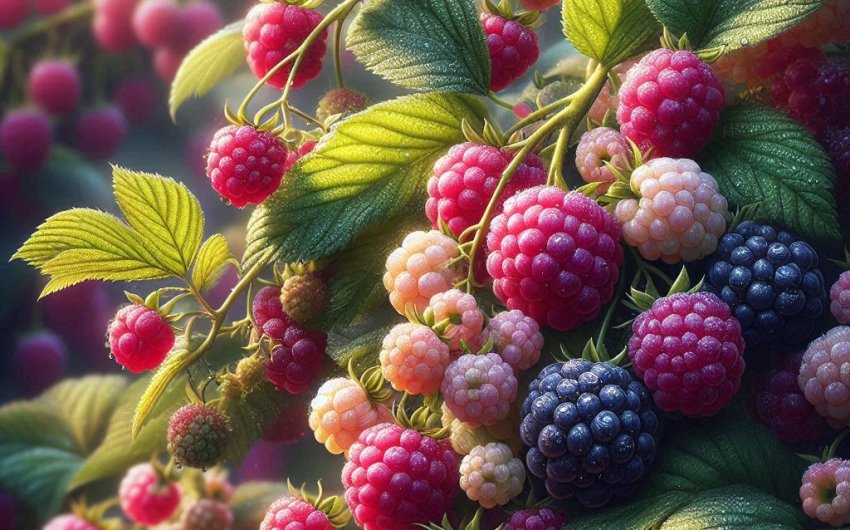
Knowing when your boysenberries are ripe and ready to harvest primarily relies on a combination of visual cues, particularly a deep, uniform purplish-black color, and tactile indicators, such as a slight softness and easy detachment from the plant. Unlike some fruits, boysenberries do not ripen significantly after being picked, so on-vine ripening is crucial for optimal flavor.
Why is Knowing When to Harvest Boysenberries Crucial?
Knowing when your boysenberries are ripe and ready to harvest is absolutely critical for several reasons, impacting both the flavor and quality of your fruit. Unlike many fruits, boysenberries are non-climacteric, meaning they do not ripen further once they are picked from the vine.
- Optimal Flavor and Sweetness: Boysenberries must be allowed to ripen fully on the vine to develop their characteristic sweet, complex, and slightly tart flavor. If picked too early, they will be sour, hard, and lack the rich taste that makes them so beloved.
- Ideal Texture: A perfectly ripe boysenberry will be plump, juicy, and soft, but not mushy. Underripe berries will be hard and unpalatable, while overripe ones can become overly soft and prone to leaking.
- Juiciness: Full ripeness ensures maximum juiciness, which is a hallmark of good boysenberries, especially when used in jams, pies, or eaten fresh.
- Short Shelf Life: Once boysenberries are ripe, their shelf life is very short (often just a few days in the refrigerator). Harvesting at the peak of ripeness allows you to enjoy them immediately or process them (freeze, make jam) at their best.
- Disease Prevention: Overripe berries left on the vine can attract pests and fungal diseases, potentially impacting the health of the plant and future crops.
- Prevent Falling: Fully ripe boysenberries become very delicate and can easily fall off the vine with a slight brush or wind. Harvesting them gently at the right time prevents loss.
By understanding the precise indicators of ripeness, you ensure every boysenberry you pick is a burst of delicious flavor, directly addressing the question: how do I know when my boysenberries are ripe and ready to harvest?
What are the Visual Cues for Boysenberry Ripeness?
Visual cues are the primary indicators when determining when your boysenberries are ripe and ready to harvest. Pay close attention to the color changes across the entire fruit.
1. Color Transformation:
- From Red to Dark Purplish-Black: Unripe boysenberries start out green, then transition to a bright red, similar to raspberries. As they ripen further, they will darken, moving through a deep maroon or burgundy, until they reach a uniform, glossy, deep purplish-black color.
- No Red Visible: The most important visual sign of full ripeness is the complete absence of any red or reddish tint on the berry. If you see any red at all, especially near the stem or between the individual drupelets (the small "beads" that make up the berry), the boysenberry is not fully ripe and will likely be sour.
- Uniformity: The entire berry, all its drupelets, should be the same consistent dark color.
2. Plumpness and Swelling:
- Full Appearance: Ripe boysenberries will look plump and full. Each individual drupelet should be swollen and juicy-looking.
- Avoid Shriveled Berries: Shriveled or dried-looking berries usually indicate they are past their prime or have suffered from dehydration.
3. Glossy Sheen:
- Ripe boysenberries often have a slight, attractive sheen or gloss to their surface.
4. Cluster Appearance:
- While all berries on a cluster might not ripen at the exact same time, you'll see a clear progression from green to red to black across the cluster. Focus on picking the darkest ones.
Visual inspection is crucial for when your boysenberries are ripe and ready to harvest, but always combine it with tactile and easy detachment tests for the best results.
How Does the Feel and Texture Indicate Boysenberry Ripeness?
Beyond visual cues, the feel and texture of a boysenberry are equally, if not more, important in confirming when your boysenberries are ripe and ready to harvest. This is a tactile test that reveals the berry's internal juiciness and readiness.
1. Slight Softness:
- Gentle Yield: A perfectly ripe boysenberry will feel slightly soft and tender when gently squeezed between your thumb and forefinger. It should yield a little to pressure, indicating juiciness inside.
- Avoid Hardness: If the berry feels hard or firm, it is definitely not ripe and will be tart and unpleasant.
- Avoid Mushiness: If it feels overly squishy or falls apart easily with a light touch, it is overripe and may have started to ferment or spoil.
2. Plump and Juicy Feel:
- As you gently squeeze, you should feel the plumpness of the individual drupelets, indicating they are filled with juice.
3. Easy Detachment from the Plant:
- This is a critical indicator. A ripe boysenberry will detach effortlessly from the plant with a very gentle tug or slight twist. It should almost fall into your hand.
- Resistance Means Unripe: If you have to pull, tug, or use any force to remove the berry, it is not yet ripe. Forcing it off will result in a sour, hard fruit, and potentially damage the plant.
- Stem Attachment: Ripe boysenberries will typically leave their small green cap (calyx) or a very short, dried stem segment attached to the berry. If the cap breaks off and stays on the vine, the berry might not have been fully ready.
By combining the visual sign of a deep purplish-black color with the tactile test of slight softness and easy detachment, you can confidently determine when your boysenberries are ripe and ready to harvest, ensuring optimal flavor and texture for every berry.
When is the Best Time of Day to Harvest Boysenberries?
The time of day you choose to harvest your boysenberries can impact their quality and how well they store. While it might seem minor, optimizing your harvest time is part of ensuring you get the best fruit when determining when your boysenberries are ripe and ready to harvest.
1. Early Morning (After Dew Dries):
- Optimal Time: The best time to harvest boysenberries is typically in the early morning, after the dew has dried but before the heat of the day sets in.
- Why it's Best:
- Cooler Temperatures: Berries harvested in cool morning temperatures retain their firmness and freshness longer. They are less likely to become soft or mushy during picking.
- Less Heat Stress: Picking in the cool morning reduces heat stress on both the berries and you, the harvester.
- Better Shelf Life: Cool, freshly picked berries have a longer post-harvest life than those picked warm from the afternoon sun.
- Less Disease Risk: Allowing morning dew to dry prevents you from handling wet berries, which can spread fungal spores.
2. Avoid Mid-Day Heat:
- Harvesting in the hottest part of the day (mid-morning to late afternoon) can lead to:
- Softer Berries: Berries that are warm from the sun will be softer and more prone to bruising during handling.
- Reduced Shelf Life: They will spoil faster.
- Faster Drying: The berries can dehydrate slightly in intense heat.
3. Avoid Wet Conditions:
- Do not harvest boysenberries when they are wet from rain or heavy dew that hasn't dried.
- Why: Handling wet berries increases the risk of spreading fungal diseases (like Botrytis mold) among the plant and to other berries. It can also make the berries more fragile and prone to crushing. Wait for the berries to be dry to the touch.
Practical Tips for Harvesting Time:
- Consistency: Try to harvest daily or every other day during peak season, as boysenberries ripen quickly and simultaneously. Consistent harvesting prevents overripe berries from attracting pests or causing spoilage on the vine.
- Bring a Container: Have a wide, shallow container ready to collect the berries. Avoid deep buckets where berries might crush each other. A Berry Picking Container with Handle works well.
By timing your harvest correctly, you ensure your boysenberries are picked at their prime, preserving their delicate texture and extending their freshness, which is a key part of answering how do I know when my boysenberries are ripe and ready to harvest?
How Do You Properly Harvest Boysenberries from the Vine?
Properly harvesting boysenberries from the vine is crucial to maximize yield, prevent damage to the delicate fruit, and encourage continued production. The technique is simple but requires a gentle touch. This is a practical step for ensuring when your boysenberries are ripe and ready to harvest.
1. What You'll Need:
- Gloves (Optional but Recommended): Boysenberry canes often have thorns. While some varieties are thornless, wearing Gardening Gloves can protect your hands.
- Wide, Shallow Container: Use a shallow container, such as a plastic fruit basket, a wide bowl, or a small Berry Picking Basket. This prevents berries from piling up too deeply and crushing each other.
2. Harvesting Technique:
- Identify Ripe Berries: As discussed, look for berries that are uniformly deep purplish-black, feel slightly soft, and look plump. Crucially, they should separate easily from the plant.
- Gentle Tug or Twist: Cradle the ripe berry gently between your thumb and forefinger. Give it a very gentle tug or a slight twist.
- Success: If it's ripe, it should detach easily and cleanly from the vine, leaving a small, light-colored "stem button" or cap attached to the berry itself, or just a tiny bit of the pedicel (the small stem connecting the berry to the cluster).
- Not Ready: If you feel any resistance, or if the berry tears or mushes when you try to pick it, it is not yet fully ripe. Leave it on the vine for another day or two.
- Place Gently in Container: Once picked, gently place the boysenberry directly into your shallow harvesting container. Avoid dropping them or tossing them, as they bruise very easily. Don't pile them too high.
3. Frequency of Harvest:
- Boysenberries ripen rapidly once they start. During peak season, you may need to harvest daily or every other day to ensure you pick them at their prime and prevent overripe berries from falling or spoiling on the vine.
- A mature plant can produce for several weeks.
4. Cane Management During Harvest:
- Be mindful of the thorny canes (if your variety has them) while picking.
- Avoid breaking or damaging the fruit-bearing floricanes (second-year canes), as these are producing your current crop.
By using this proper harvesting technique, you ensure the integrity of your boysenberries and maximize your delicious yield, making every pick count when you determine when your boysenberries are ripe and ready to harvest.
How Do You Store Freshly Harvested Boysenberries?
Properly storing your freshly harvested boysenberries is crucial to extend their very short shelf life and preserve their delicate flavor and texture. Because boysenberries are non-climacteric, they won't ripen further, so optimal storage protects the ripeness you've achieved by knowing when your boysenberries are ripe and ready to harvest.
1. No Washing Before Storage:
- Crucial Rule: Do NOT wash boysenberries before storing them in the refrigerator. Excess moisture promotes mold growth and speeds up spoilage.
- Wash Just Before Eating: Only wash the berries just before you are ready to consume them.
2. Proper Refrigeration:
- Airtight, Single Layer:
- Transfer your unwashed, freshly picked boysenberries into a shallow, breathable container.
- Arrange them in a single layer if possible, or in very thin layers, to prevent crushing and allow air circulation.
- Line the bottom of the container with a paper towel to absorb any excess moisture.
- Place a loose-fitting lid or another paper towel on top.
- Temperature: Store in the coldest part of your refrigerator, typically the crisper drawer.
- Duration: Fresh boysenberries are highly perishable and will only last for 2-3 days, sometimes up to 5 days, in the refrigerator. Consume or preserve them quickly.
3. Freezing for Long-Term Storage:
Freezing is the best method for preserving boysenberries for longer periods (up to a year or more), allowing you to enjoy their flavor far beyond the harvest season.
- Step-by-Step Freezing:
- Wash and Dry: Gently wash the boysenberries in cool water.
- Crucially, DRY THOROUGHLY: Spread the washed berries in a single layer on a clean towel or paper towels and let them air dry completely. Any residual moisture will cause ice crystals and freezer burn.
- Flash Freeze: Arrange the dry berries in a single layer on a baking sheet lined with parchment paper or wax paper.
- Place the baking sheet in the freezer for 2-4 hours, or until the berries are completely frozen solid. This step prevents them from clumping together.
- Transfer to Storage: Once flash-frozen, transfer the solid berries into freezer-safe bags or airtight containers. Remove as much air as possible (a Vacuum Sealer for Food is ideal for this).
- Label: Label bags/containers with the date.
- Usage: Frozen boysenberries are perfect for smoothies, baking (pies, muffins), sauces, jams, or simply as a refreshing treat. They will maintain their flavor and nutrition well.
By following these storage guidelines, you can significantly extend your enjoyment of your boysenberry harvest, making the most of all the effort you put into learning when your boysenberries are ripe and ready to harvest.
What are Common Ripeness Misconceptions to Avoid for Boysenberries?
To truly master when your boysenberries are ripe and ready to harvest, it's important to dispel some common misconceptions that can lead to disappointing harvests.
Misconception 1: "If it's red, it's ripe."
- Why it's wrong: Boysenberries (like blackberries and raspberries) go through a distinct red stage before they are fully ripe. At this stage, they are still quite tart and firm.
- Consequence: Picking red boysenberries will result in sour, hard, and unpalatable fruit that will not ripen further off the vine.
- Correction: Wait until the berry is uniformly deep purplish-black, with absolutely no red remaining.
Misconception 2: "If it looks dark, it's ripe."
- Why it's wrong: While color is primary, sometimes an immature berry might appear dark due to shading or varietal quirks, but it won't have the internal softness or detach easily. Conversely, an overripe berry might also be dark but overly mushy.
- Consequence: Picking a hard, unripe berry, or an overly soft, spoiled one.
- Correction: Always combine the deep black color with the "easy detachment" test and a slight softness to the touch. These tactile cues are more reliable than color alone.
Misconception 3: "If it tastes sweet, it's ripe enough."
- Why it's wrong: While taste is the ultimate test, if you're tasting berries directly from the vine, you might be tempted to pick others that are "almost" there. Because boysenberries don't ripen after picking, "almost" ripe means perpetually sour.
- Consequence: A harvest of less-than-perfectly-flavored berries.
- Correction: Use taste as a confirmation, but rely on the visual (deep black) and tactile (softness, easy pull) cues to ensure consistent, optimal ripeness. Only pick what comes off easily.
Misconception 4: "You can pull them off like blueberries."
- Why it's wrong: Blueberries (and some other berries) have a very firm attachment to the plant when unripe and a clean, easy detachment when ripe. Boysenberries are more delicate and can tear or pull off the small "plug" (core) if forced, leading to faster spoilage.
- Consequence: Damaged berries that spoil quickly.
- Correction: Boysenberries should practically "fall" into your hand with the gentlest tug. If you need to exert any force, leave them on the vine.
Misconception 5: "It's okay to wash them right after picking for storage."
- Why it's wrong: As previously mentioned, washing berries before refrigeration introduces excess moisture into their delicate structures, which significantly accelerates mold growth and spoilage.
- Consequence: A quickly spoiling harvest.
- Correction: Store unwashed berries in the refrigerator. Wash them gently only just before you are about to eat or process them.
By actively avoiding these common misconceptions and focusing on the combined, reliable indicators of color, feel, and easy detachment, you'll be well-equipped to consistently determine when your boysenberries are ripe and ready to harvest, ensuring a deliciously rewarding experience.