
Can I Grow Elderberry Plants in Containers?
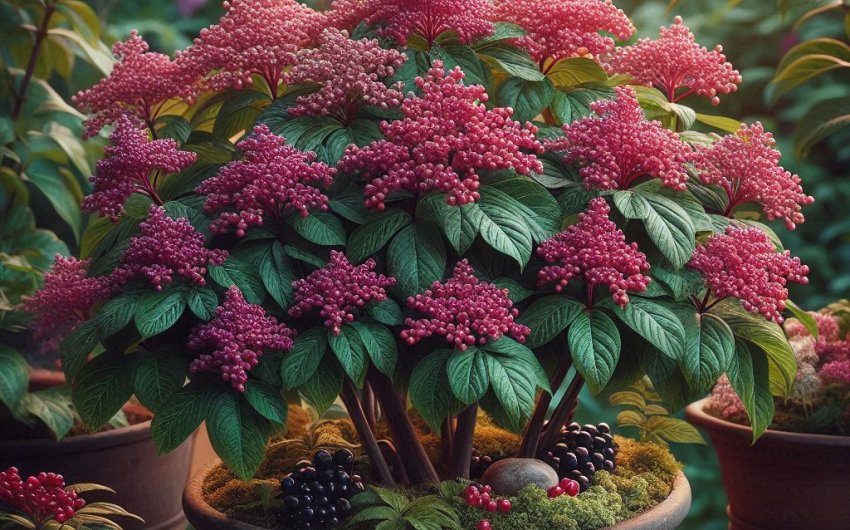
Elderberries are well-known for their health benefits and have been used for centuries in traditional medicine. Many gardeners are intrigued by the idea of growing elderberry plants for their berries and ornamental value. While elderberries are often grown in the ground, it’s entirely possible to cultivate them in containers. Container gardening offers a fantastic way to grow these hardy plants even in small spaces, such as patios, balconies, or urban settings. In this article, we’ll explore everything you need to know about growing elderberry plants in containers, including care tips, ideal conditions, and the best practices to help your plants thrive.
Why Grow Elderberry Plants in Containers?
Growing elderberry plants in containers offers flexibility for gardeners who may not have a large outdoor space. There are several reasons why container gardening with elderberries is a great idea:
- Space-saving: If you have limited garden space or live in an apartment, containers allow you to grow elderberries without the need for a traditional garden bed.
- Portability: Growing elderberries in containers allows you to move them around to ensure they get the right amount of sunlight, or to protect them during extreme weather conditions.
- Control over soil conditions: Growing in containers means you can better manage the soil quality, drainage, and fertilizer application.
- Pest control: Container-grown plants are often easier to protect from pests and diseases compared to those planted directly in the ground.
If you're short on space, consider getting plant containers that suit your environment.
Choosing the Right Elderberry Variety for Containers
Not all elderberry varieties are ideal for container gardening, so it's important to choose a type that will thrive in a confined space. The key factors are the size and growth habits of the plant. Some elderberries grow to be very large, making them less suitable for containers, while others remain compact and manageable.
The following elderberry plant varieties are particularly well-suited for container growing:
1. York Elderberry
The York elderberry variety produces large berries and has a compact growth habit, making it an excellent option for container gardening. This variety is known for its high fruit yield, and it’s hardy in many climates.
2. Johns Elderberry
Johns elderberry is another popular choice for container gardening due to its moderate size and bountiful berry production. It’s particularly favored for its sweet-tasting berries, which are perfect for making syrups and jams.
3. Black Lace Elderberry
For gardeners looking for a decorative element, the Black Lace elderberry features dark, purple-black foliage and delicate pink flowers. While its berries are also edible, this variety is often chosen for its ornamental value, especially in container gardens.
Explore other compact plant varieties to suit your container gardening needs.
Selecting the Right Container for Elderberry Plants
One of the most important factors in growing elderberries in containers is choosing the right container. Elderberry plants have a large root system that needs space to grow, so selecting a container that is big enough to support the plant's growth is crucial.
Size Matters
A container with a minimum capacity of 10 to 15 gallons is recommended. The container should be deep enough to allow for the roots to spread, as elderberry plants develop extensive root systems. A large planter with a diameter of at least 18 to 24 inches and a depth of 12 to 15 inches is ideal.
Material Considerations
Containers come in various materials, such as plastic, clay, wood, and metal. Each material has its pros and cons:
- Plastic containers are lightweight and easy to move but may not offer the best insulation in hot weather.
- Clay or terracotta pots provide better breathability for the roots but can be heavy and prone to cracking.
- Wooden containers are aesthetically pleasing and insulate roots well, though they may degrade over time.
- Metal planters offer a modern look but can overheat in direct sunlight.
Look into weather-resistant planters if you live in areas with extreme temperatures.
Drainage is Key
Elderberry plants require well-drained soil to prevent root rot. Ensure that the container you choose has adequate drainage holes to allow excess water to escape. If necessary, you can drill additional holes in the bottom of the pot. Using a potting tray beneath the container can help catch any water runoff while protecting your floors or patio.
Soil Requirements for Growing Elderberries in Containers
Elderberries prefer well-drained, fertile soil that is rich in organic matter. When growing elderberries in containers, it’s essential to provide them with the right type of soil mix to ensure healthy growth.
Potting Mix
A high-quality, all-purpose potting mix combined with compost works well for elderberries. You can also incorporate some perlite or sand into the mix to improve drainage. Avoid using garden soil, as it tends to compact in containers and doesn’t provide the necessary aeration that elderberry roots require.
Fertilizing Elderberries
Elderberry plants are heavy feeders, so regular fertilization is crucial. Use a slow-release, balanced fertilizer that provides equal amounts of nitrogen, phosphorus, and potassium. Fertilize once a month during the growing season (spring and summer) to ensure robust growth and fruit production.
Additionally, mulching the top of the soil with organic mulch can help retain moisture and regulate soil temperature, promoting healthier plants.
Sunlight Requirements for Elderberries in Containers
Elderberry plants thrive in full sun, needing at least 6 to 8 hours of direct sunlight per day to produce an abundance of berries. When growing in containers, it’s essential to place your elderberry plants in a location that receives adequate sunlight, such as a sunny patio, balcony, or garden spot.
However, elderberries can also tolerate partial shade, particularly in hot climates where some protection from the intense afternoon sun is beneficial. If you live in a particularly sunny area, consider using shade cloths to protect your plants during the hottest part of the day.
Watering Elderberry Plants in Containers
One of the challenges of growing elderberries in containers is ensuring they receive enough water. Container plants tend to dry out faster than those grown in the ground, so regular watering is critical for maintaining healthy elderberries.
How Often to Water
Water your elderberry plant deeply and thoroughly to ensure that the entire root system gets sufficient moisture. During the growing season, elderberries typically require watering 2 to 3 times per week, depending on the weather. Be mindful of overwatering, as elderberries are susceptible to root rot if left in waterlogged soil. Using a moisture meter can help you determine when your plants need water.
Self-Watering Containers
To make watering easier, you may want to invest in self-watering containers. These containers store extra water in a reservoir and automatically provide moisture to the plant as needed, reducing the frequency of manual watering.
Pruning and Maintenance
Growing elderberries in containers requires regular pruning to maintain their shape and encourage fruit production. Pruning also helps improve air circulation, which can reduce the risk of disease.
When to Prune Elderberries
Prune your elderberry plants in late winter or early spring, before new growth begins. Focus on removing any dead, damaged, or diseased branches. Additionally, trim back overly long or leggy branches to keep the plant's size manageable for its container.
Fertility and Fruiting
Elderberry plants need to be pollinated to produce fruit, and having more than one variety can help ensure cross-pollination. If you're growing elderberries for their fruit, consider planting multiple varieties of elderberry plants to improve your chances of a bountiful harvest.
Controlling Pests and Diseases
Container-grown elderberries are generally less prone to pests than those grown in the ground, but it's still important to be vigilant. Common pests include aphids, spider mites, and scale insects. Regularly inspect your plants and treat any infestations with insecticidal soap or neem oil.
Additionally, elderberry plants can be susceptible to fungal diseases such as powdery mildew and leaf spot, especially if they’re grown in humid conditions. Proper pruning to promote airflow and using a fungicide when necessary can help keep these issues at bay.
Harvesting Elderberries in Containers
Elderberries typically ripen in late summer or early fall, depending on your growing zone. Once the berries turn a deep, dark purple (or black, depending on the variety), they are ready to be harvested.
How to Harvest
Using pruning shears, cut the entire cluster of berries from the plant. Be sure to harvest only fully ripe berries, as unripe elderberries can be toxic if consumed raw.
After harvesting, elderberries can be used in a variety of ways. They are commonly made into syrups, jams, wines, and teas. For those interested in the health benefits of elderberries, they are rich in antioxidants and vitamins, making them a popular choice for boosting immunity. Learn more about using elderberries for health and wellness in our guide to elderberry elixirs and natural remedies.
Winter Care for Container-Grown Elderberries
Elderberry plants are hardy and can tolerate cold temperatures, but container-grown elderberries need extra protection during winter. The roots are more exposed to the elements in containers, and freezing temperatures can damage or kill the plant if precautions are not taken.
How to Protect Elderberries in Winter
- Move containers indoors: If possible, move your containers to an unheated garage or basement where temperatures remain above freezing. You can also use plant covers for added insulation.
- Mulch the soil: Adding a thick layer of straw mulch around the base of the plant can help insulate the roots from cold temperatures.
- Wrap the container: Wrapping your container in bubble wrap or blankets can provide additional insulation against freezing conditions.
By following these care tips, you can ensure that your elderberry plants survive the winter and continue to thrive year after year in their containers.