
DIY Hydroponic Systems: How to Build Your Own Thriving Plant Paradise
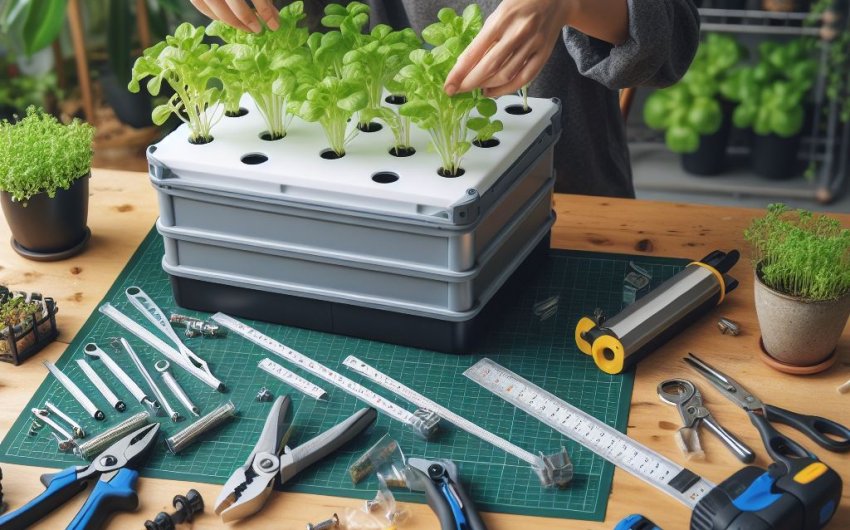
To successfully embark on DIY hydroponic systems and build your own thriving plant paradise, you should start by selecting a simple, beginner-friendly system design, gathering the necessary materials, and meticulously following step-by-step construction instructions. This guide will empower you to create efficient, cost-effective soilless gardens that yield abundant, fresh produce.
Why Should You Build Your Own Hydroponic System?
Building your own hydroponic system offers compelling advantages over purchasing pre-made kits, making it an excellent DIY hydroponic systems project for beginners and experienced growers alike. It's a hands-on approach that delivers both learning and savings.
What are the Cost Savings of DIY Hydroponics?
The cost savings of DIY hydroponics are significant, making it an incredibly attractive option for budget-conscious gardeners. You can create a fully functional and highly efficient system for a fraction of the price of comparable commercial units.
- Repurposed Materials: Many hydroponic systems can be built using inexpensive or repurposed materials.
- Containers: Old plastic storage totes, 5-gallon buckets, PVC pipes, or even food-grade barrels.
- Structure: Scrap wood, PVC piping, or metal shelving.
- Netted Pots: Can be made from plastic cups with holes drilled.
- Reduced Upfront Investment: Commercial hydroponic kits, especially larger or more advanced systems, can cost hundreds or even thousands of dollars. A DIY system, even with purchased new materials (e.g., pumps, air stones), often costs less than $50-$100 for a basic setup.
- Long-Term Savings: While nutrients and electricity are ongoing costs, the initial savings on the system itself contribute to a more economically sustainable gardening practice.
- Learning Value: The process of building teaches you the mechanics and principles of hydroponics, which can save you money on troubleshooting and repairs in the long run.
DIY hydroponics is a fantastic way to access the benefits of soilless growing without a large financial outlay.
How Does DIYing Offer Customization and Scalability?
DIYing a hydroponic system offers unparalleled customization and scalability, allowing you to tailor your design precisely to your available space, the specific plants you want to grow, and your desired yield. This adaptability is a major advantage over pre-made kits.
- Size: You can build a system to fit any space – a small windowsill, a corner of a room, a vertical wall, or an entire grow tent.
- Shape: Design systems to be linear, rectangular, circular, or vertical, optimizing the use of your unique space.
- Materials: Choose materials that are readily available to you, or that best suit your aesthetic preferences and budget.
- Plant-Specific Design: Modify a system to cater to the specific needs of your plants. For example, deeper reservoirs for large root systems, or specific spacing for vining plants.
- Expandability: Many DIY designs (e.g., NFT channels, DWC buckets) can be easily expanded later as your gardening ambitions grow. You can start small and add modules.
- Integration: Seamlessly integrate the system with existing shelving, lighting setups, or grow tents.
- Optimized Light: Position grow lights at the exact height needed for your custom plant layout.
This ability to custom-build ensures you create a truly thriving plant paradise that perfectly fits your unique needs.
What are the Educational Benefits of Building Your Own System?
The educational benefits of building your own hydroponic system are immense, offering a hands-on learning experience that deepens your understanding of plant science, engineering, and sustainable agriculture. It's a practical masterclass in soilless growing.
- Understanding Mechanics: You gain an in-depth understanding of how each component of a hydroponic system works (pumps, tubing, reservoirs, aeration), rather than just following instructions.
- Plant Physiology: You learn firsthand about plant roots' needs for oxygen and direct nutrient delivery, and how plants interact with their environment.
- Problem-Solving Skills: The process of building and troubleshooting a DIY system develops valuable problem-solving and critical thinking skills.
- Resourcefulness: You learn to identify and repurpose materials, fostering a sense of resourcefulness and ingenuity.
- Empowerment: Successfully building and operating your own system is incredibly empowering, giving you confidence in your gardening abilities.
- Scientific Principles: You directly engage with scientific principles of chemistry (pH, nutrients), biology (microbes, plant growth), and physics (water flow, oxygenation).
- Foundation for Future Projects: The knowledge gained provides a strong foundation for building more complex or specialized hydroponic systems in the future.
Building your own system turns hydroponics into a fascinating educational journey, transforming you into a knowledgeable and capable gardener.
What Are the Easiest DIY Hydroponic Systems to Build?
For beginners diving into DIY hydroponic systems, choosing the easiest designs to build is crucial for success and confidence. These systems are simple, affordable, and require minimal tools, making them perfect for starting your thriving plant paradise.
How to Build a Simple Deep Water Culture (DWC) System?
Building a simple Deep Water Culture (DWC) system is one of the easiest and most beginner-friendly DIY hydroponic projects, requiring minimal materials and providing excellent results for leafy greens and herbs. It's a fantastic entry point for soilless success.
Materials needed:
- Opaque Container: One opaque plastic storage tote with a lid (e.g., 5-10 gallons). Opaque is crucial to prevent algae growth.
- Net Pots: Several net pots (e.g., 2-3 inches diameter).
- Air Pump: One aquarium air pump (sized for your reservoir volume).
- Air Stone: One or two aquarium air stones.
- Air Tubing: Aquarium air tubing.
- Drill with Hole Saw Bit: A hole saw bit matching the diameter of your net pots.
- Plant Growing Medium: Rockwool cubes or coco coir for starting seeds.
Step-by-step construction:
- Drill Holes in Lid: Using the hole saw bit, drill holes in the lid of the opaque container. Space the holes evenly, ensuring enough room for plants to grow without overcrowding. The net pots should fit snugly into these holes.
- Set Up Aeration:
- Cut a length of air tubing. Connect one end to the air pump and the other end to the air stone(s).
- Place the air stone(s) at the bottom of the container.
- Make a small hole in the lid (if needed) for the air tubing to pass through, or run it under the edge of the lid if the seal isn't too tight.
- Prepare for Planting: Your DWC system is ready! Once you have sprouted seedlings in rockwool, place them in the net pots. Fill the net pots with clay pebbles (Hydroton) or another inert medium to provide stability around the seedling.
- Add Solution: Fill the container with your prepared nutrient solution so the bottom of the net pots (and the roots of young seedlings) are submerged.
- Turn On Pump: Start the air pump to oxygenate the solution.
This simple DWC setup is highly effective for growing leafy greens and herbs with minimal fuss.
How to Build an Easy Wick System for Passive Hydroponics?
Building an easy Wick System is the simplest DIY hydroponic project, requiring no pumps or electricity, and making it perfect for beginners seeking truly passive soilless success. It relies on capillary action to deliver nutrients.
Materials needed:
- Two Opaque Containers: One opaque plastic storage tote or bucket for the reservoir, and another slightly smaller container (or a tray) to sit inside as the growing bed. Opaque is crucial.
- Wicking Material: Felt strips, nylon rope, or cut-up synthetic fabric that can wick water.
- Drill: To make holes for wicks.
- Plant Growing Medium: Coco coir, perlite, or a mix.
Step-by-step construction:
- Prepare Growing Container: Drill several small holes in the bottom of the upper container (the one that will hold your plants). These holes are for the wicks to pass through.
- Insert Wicks: Thread the wicking material through the holes in the bottom of the growing container, ensuring a few inches protrude into the container and several inches hang down from the bottom. Aim for 2-4 wicks per plant or per small section of the container.
- Position Containers: Place bricks or a sturdy spacer in the bottom (reservoir) container. Set the growing container on top of these spacers, ensuring there's a gap between the bottom of the growing container and the bottom of the reservoir. The wicks should hang down into the reservoir.
- Add Growing Medium: Fill the upper growing container with your chosen inert growing medium (e.g., coco coir, or a mix of coco coir and perlite). Moisten it lightly.
- Add Solution: Fill the bottom reservoir with your prepared nutrient solution, ensuring the wicks are submerged.
- Plant: Transplant your seedlings or direct sow seeds into the moistened growing medium.
The Wick System is fantastic for low-maintenance herbs and leafy greens, a truly simple DIY hydroponic system.
How to Build a Basic Nutrient Film Technique (NFT) System?
Building a basic Nutrient Film Technique (NFT) system is a slightly more advanced DIY hydroponic project, but still achievable for beginners, offering efficient growth for leafy greens. It involves a continuous, shallow flow of nutrient solution.
Materials needed:
- Channels: Several sections of opaque PVC pipe or square gutters (e.g., 3-4 inches wide/tall).
- End Caps: For the channels.
- Reservoir: One opaque plastic storage tote or bucket (e.g., 5-10 gallons).
- Submersible Pump: One small submersible pump.
- Tubing: Small diameter tubing to connect the pump to the channels.
- Net Pots: Net pots matching holes in channels.
- Drill with Hole Saw Bit: Matches net pot diameter.
- PVC Cement/Sealant: For connecting pipe sections.
- Sturdy Frame: Wood or PVC pipe frame to hold channels at a slight slope.
Step-by-step construction:
- Drill Holes in Channels: Using the hole saw, drill holes in the top of your PVC channels, spaced appropriately for your plants.
- Drill Drain Holes: Drill a larger drain hole at the lower end of each channel.
- Assemble Channels: Cap the ends of your channels. Connect the drain holes to tubing that returns to the reservoir.
- Build Frame: Construct a frame that holds the channels with a slight slope (e.g., 1 inch drop per 3-5 feet length). The channels should be above the reservoir.
- Install Pump: Place the submersible pump in the reservoir. Connect tubing from the pump to the upper end of each channel.
- Test Flow: Fill the reservoir with water and test the pump and flow to ensure a thin film of water circulates back. Seal any leaks.
- Add Solution & Plants: Fill the reservoir with nutrient solution. Place sprouted seedlings in net pots, secured in the channel holes, ensuring roots reach the flowing nutrient film.
NFT is an efficient system for leafy greens and herbs, offering rapid growth in your DIY hydroponic system.
What Essential Supplies Do You Need for Your DIY Hydroponics?
Even with a DIY setup, certain essential supplies are non-negotiable for successful hydroponic gardening. Gathering these items ensures you can properly start seeds, provide nutrients, and monitor your system for a thriving plant paradise.
What are Basic Hydroponic Nutrients for Beginners?
For basic hydroponic nutrients for beginners, you'll need a specially formulated solution that provides all essential macro- and micronutrients to plants without soil. Simplicity and completeness are key for a successful start.
- Complete Hydroponic Formulas:
- All-in-One vs. Multi-Part: For beginners, an all-in-one liquid nutrient solution or a simple two-part liquid solution is often easiest to manage. Multi-part systems (e.g., 3-part "Grow," "Micro," "Bloom") offer more control but can be more complex to mix.
- Macro and Micro Nutrients: Ensure the formula explicitly states it provides all essential macro- (Nitrogen, Phosphorus, Potassium, Calcium, Magnesium, Sulfur) and micro-nutrients (Iron, Manganese, Zinc, Boron, Copper, Molybdenum, Chlorine).
- Chelated Micronutrients: Look for micronutrients described as "chelated," which means they are chemically bound to organic molecules to keep them soluble and available to plants in the water solution.
- pH Stability: Quality hydroponic nutrients help buffer the pH of your solution, making it easier to maintain the ideal range.
- Organic Options: While synthetic mineral salts are common, organic hydroponic nutrients derived from plant-based extracts are available. These can be more challenging for beginners to balance.
- Recommended Starter: A basic hydroponic nutrient starter kit usually contains everything needed.
Always follow the manufacturer's instructions carefully for mixing and dilution, as incorrect ratios can lead to nutrient deficiencies or toxicity.
What Growing Mediums are Best for DIY Systems?
For DIY hydroponic systems, choosing the best growing mediums is crucial for providing physical support to your plants and facilitating nutrient delivery. Look for inert, sterile, and easy-to-use options.
- Rockwool:
- Why Best: Excellent water retention and aeration, sterile, and easy to handle for starting seeds. Comes in cubes.
- Use: Ideal for starting seeds, and the cubes can be directly placed into net pots.
- Rockwool cubes for hydroponics are widely available.
- Coco Coir (Coconut Coir):
- Why Best: Great water retention and aeration, renewable, pH neutral, and biodegradable.
- Use: Excellent for seed starting (pellets/plugs) or as a loose medium to fill net pots in some systems.
- Coco coir bricks for hydroponics are a good value.
- Hydroton / Clay Pebbles (LECA):
- Why Best: Provides excellent aeration and root support, reusable, pH neutral.
- Use: Often used to fill net pots around a rockwool cube, or as the sole medium in systems like Drip or Flood and Drain.
- Hydroton clay pebbles for hydroponics are durable.
- Perlite:
- Why Best: Very lightweight, excellent for aeration.
- Use: Often mixed with coco coir for improved drainage, or used in wicking systems.
For beginners, starting with rockwool for seeds and then using clay pebbles or coco coir for net pots is a common and effective strategy.
What Are Essential Monitoring Tools and Accessories?
To succeed with DIY hydroponic systems, essential monitoring tools and accessories are crucial for precisely managing your nutrient solution and ensuring optimal plant growth. These tools take the guesswork out of soilless gardening.
- pH Meter and pH Up/Down Solutions:
- pH Meter: An accurate digital pH meter is non-negotiable for measuring the pH of your nutrient solution.
- pH Up/Down: Specialized pH Up and pH Down solutions are used to adjust the pH into the optimal range (5.5-6.5 for most plants).
- EC/TDS Meter:
- An EC/TDS meter measures the electrical conductivity (EC) or total dissolved solids (TDS), indicating the concentration of nutrients in your solution. This tells you if your plants are getting enough food.
- Grow Lights (for Indoor Use): If your system is indoors, full-spectrum LED grow lights are essential.
- Timer: An outlet timer for grow lights is essential for consistent light cycles.
- Measuring Cups/Syringes: For accurately measuring nutrient solutions and pH adjusters.
- Gloves: For handling nutrients and plants.
- Clean Reservoir: An opaque container to hold your nutrient solution (prevents algae).
- Net Pots: Net pots to hold plants in the system.
These tools are crucial for successfully managing your DIY hydroponic system and ensuring a thriving plant paradise.
How Do You Operate and Maintain Your DIY Hydroponic System?
To ensure your DIY hydroponic system yields a truly thriving plant paradise, operating and maintaining it properly is a continuous process that requires regular monitoring and timely adjustments. Consistency is key to soilless success.
How Do You Prepare and Cycle Your Nutrient Solution?
Preparing and cycling your nutrient solution correctly is the most vital ongoing task for DIY hydroponic systems, as this liquid is the sole source of hydration and nutrition for your plants. Precision and consistency are critical.
- Initial Mix:
- Cleanliness: Always start with a clean reservoir and fresh, non-chlorinated water.
- Follow Instructions: Carefully follow the manufacturer's instructions for your specific hydroponic nutrient solution.
- Mix Separately: If using a multi-part nutrient system, always add each part to the water separately, mixing thoroughly after each addition. Never mix concentrates together.
- Dilution: Start with a diluted solution (e.g., 1/2 strength) for young plants and gradually increase concentration as they mature.
- Monitoring pH:
- Frequency: Check the pH of your solution daily or every other day using a digital pH meter.
- Optimal Range: Most plants prefer a pH range of 5.5-6.5.
- Adjustments: Use specialized pH Up and pH Down solutions sparingly. Add a small amount, mix, and re-test until within range.
- Monitoring EC/TDS:
- Frequency: Check the EC (Electrical Conductivity) or TDS (Total Dissolved Solids) of your solution daily or every other day using an EC/TDS meter.
- Optimal Range: This varies by plant species and growth stage. Refer to specific plant charts.
- Adjustments: If EC/TDS is too low (plants consuming more nutrients than water), add a small amount of diluted nutrient solution. If too high (plants consuming more water than nutrients), dilute with fresh water.
- Reservoir Changes (Cycling): Replace your entire nutrient solution every 7-14 days. This prevents nutrient imbalances, pathogen buildup, and algae growth. Clean the reservoir thoroughly during changes.
- Top-Offs: As plants drink water, the water level drops. Top off the reservoir with fresh water (if EC/TDS is rising) or a diluted nutrient solution (if EC/TDS is dropping).
Consistent and accurate nutrient solution management is the core of successful DIY hydroponic systems.
How Do You Provide Optimal Lighting and Temperature?
Providing optimal lighting and temperature is crucial for the health and productivity of your DIY hydroponic system, especially for an indoor plant paradise. These environmental factors directly influence plant growth.
- Lighting:
- Grow Lights: Full-spectrum LED grow lights are essential for indoor hydroponics. Choose lights appropriate for your plants' needs and cover your growing area evenly.
- Light Intensity & Distance: Adjust the distance of your grow light from the plant canopy. Too close can scorch; too far leads to leggy growth. Refer to light manufacturer's recommendations.
- Light Duration (Photoperiod): Use an outlet timer for grow lights.
- Vegetative Growth (leafy greens): 14-18 hours of light.
- Flowering/Fruiting: 12-16 hours of light (some plants require specific dark periods to bloom).
- Temperature:
- Air Temperature: Maintain consistent room temperatures between 65-75°F (18-24°C). Protect plants from cold drafts or hot air vents.
- Nutrient Solution Temperature: Maintain solution temperature between 68-72°F (20-22°C).
- Problem: Too warm can lead to root rot and reduced oxygen; too cold can slow growth.
- Solution: Use a nutrient solution chiller in hot environments, or a submersible aquarium heater in cold environments (use with caution).
- Air Circulation: Use a small oscillating fan to ensure good airflow around plants. This deters pests, strengthens stems, and manages humidity.
Optimizing these environmental controls creates the perfect conditions for thriving plants in your DIY hydroponic system.
How Do You Prevent and Treat Pests and Diseases in Hydroponics?
Preventing and treating pests and diseases in hydroponics is generally easier than in soil, but still requires vigilance because rapid spread can occur in a controlled indoor environment. Proactive measures are key to protecting your thriving plant paradise.
- Prevention (Most Important!):
- Sterile Starting Materials: Start with sterile growing mediums and clean all equipment.
- Quarantine New Plants: Isolate new plants or seedlings for 2-4 weeks.
- Cleanliness: Keep your grow space meticulous. Remove any fallen leaves or debris from the system.
- Air Circulation: Use small fans to deter pests and fungal issues.
- No Soil: Never bring soil into your hydroponic area, as it's a major source of pests and pathogens.
- Reservoir Management: Clean and sterilize your reservoir and change nutrient solutions regularly.
- Monitoring: Regularly inspect plants (top/bottom of leaves, stems, roots) for early signs of pests. Use yellow sticky traps for hydroponics to catch flying insects.
- Common Hydroponic Pests: Aphids, spider mites, whiteflies, thrips, fungus gnats.
- Common Hydroponic Diseases: Pythium (root rot) is the most prevalent, often caused by lack of oxygen or high water temps.
- Natural Treatments (First Line of Defense):
- Physical Removal: Hand-picking, wiping leaves, strong water spray.
- Insecticidal Soap/Neem Oil: Apply to foliage (not into the reservoir).
- Beneficial Microbes: For root rot, introduce beneficial bacteria (e.g., Bacillus subtilis). Use hydroponic beneficial microbes.
- Root Zone Oxygenation: Ensure air pumps are working, air stones are clean, and water temperature is optimal.
Proactive prevention and quick, targeted intervention are key to protecting your DIY hydroponic systems.
What Can You Grow and How Do You Harvest Your DIY Hydroponic Bounty?
The final, rewarding stage of setting up DIY hydroponic systems is experiencing what you can grow and how to harvest your bounty, leading to a continuous supply of fresh, clean, and delicious produce from your thriving plant paradise.
What are the Best Plants for a Beginner's DIY Hydroponic System?
For a beginner's DIY hydroponic system, focusing on the best plants known for their ease of growth, rapid production, and adaptability to soilless environments is key to building confidence and enjoying early success.
| Plant Type | Best Choices | Why They are Good for Beginners |
|---|---|---|
| Leafy Greens | Lettuce (all varieties), Spinach, Kale, Arugula | Rapid growth, "cut-and-come-again," lower light needs. |
| Herbs | Basil, Mint, Cilantro, Parsley, Dill | Vigorous growth, high demand, easily contained (unlike soil). |
| Fruiting Plants (Start Small) | Cherry Tomatoes (bush varieties), Bell Peppers (dwarf), Strawberries | High yields, rewarding. Requires more light and support. |
| Root Vegetables (More Advanced) | Radishes | Fast, compact. Requires specific system adaptations. |
Starting with leafy greens and herbs is highly recommended for building initial success and familiarity with your DIY hydroponic system.
What are the Best Harvesting Techniques for DIY Hydroponic Produce?
The best harvesting techniques for DIY hydroponic produce emphasize continuous harvesting to encourage further production, while ensuring the cleanliness and freshness of your yields. The lack of soil simplifies the process.
- Leafy Greens (Lettuce, Kale, Spinach, Herbs):
- "Cut-and-Come-Again": For continuous harvests, cut off only the outer, mature leaves, leaving the inner growth point and 1-2 inches of stem intact. The plant will regrow, providing multiple harvests.
- Full Head Harvest: For a single-use, cut the entire plant at the base.
- Frequency: Harvest regularly, often daily or every few days, to encourage more production and prevent bitterness or bolting.
- Fruiting Vegetables (Tomatoes, Peppers, Strawberries, Cucumbers):
- Harvest Ripe: Pick fruit when it reaches its full color, size, and desired ripeness. Gently test for ripeness – it should detach easily.
- Use Clean Shears: Use small, clean pruning shears to cut fruit from the plant, avoiding tearing stems or damaging the plant.
- Regular Harvesting: Harvest frequently to encourage the plant to produce more fruit. Leaving ripe fruit on the plant can signal it to slow down production.
- Root Vegetables (Radishes):
- Check Size: Gently feel the top of the root or pull one to check its size.
- Harvest Entire Plant: Typically, the entire radish plant is harvested at once.
- Cleanliness: Hydroponic produce is inherently cleaner than soil-grown produce. A quick rinse under cool water is usually all that's needed.
- Timing: Harvest in the morning for best flavor and turgidity.
Proper harvesting ensures a continuous and high-quality yield from your DIY hydroponic systems.
How Fresh and Flavorful is Your Homegrown Hydroponic Harvest?
Your homegrown hydroponic harvest is remarkably fresh and flavorful, often surpassing store-bought options in crispness, vibrancy, and taste. The immediate access from your thriving plant paradise to your plate makes all the difference.
- Peak Freshness: Harvested just moments before consumption, hydroponic produce retains its optimal crispness, texture, and nutritional value. It avoids the degradation that occurs during transport and storage of commercial produce.
- Intense Flavor: Many gardeners find homegrown hydroponic herbs and vegetables to have a more vibrant and intense flavor compared to store-bought varieties. This is partly due to the precise nutrient delivery and harvesting at peak ripeness.
- Cleanliness: The absence of soil means produce is inherently cleaner, often requiring just a quick rinse, preserving delicate textures and flavors.
- Year-Round Availability: Enjoying fresh basil in winter or ripe cherry tomatoes in spring provides a culinary advantage not possible with seasonal outdoor gardening.
- Customization: You can grow specific heirloom or gourmet varieties known for their exceptional flavor, not just those bred for shipping.
- Increased Nutrition: Precisely managed nutrient solutions can often result in plants with optimized nutrient content.
The unparalleled freshness and rich flavor of hydroponic produce make it a gourmet addition to any kitchen, demonstrating the delicious rewards of building your own thriving plant paradise through DIY hydroponic systems.