
Hydroponic vs. Traditional Gardening: Which One Wins for Sustainable Growth?
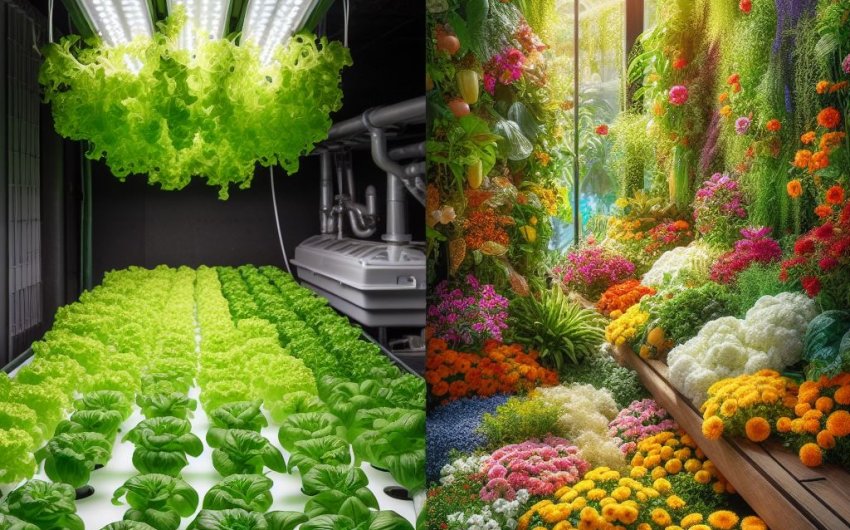
When comparing hydroponic vs. traditional gardening, neither method unilaterally "wins" for sustainable growth, as both offer unique advantages and disadvantages depending on context, resources, and specific goals. While hydroponics excels in water efficiency and space utilization, traditional gardening leverages natural soil ecosystems and simplicity. The most sustainable approach often involves a thoughtful integration or selection based on individual circumstances.
What are the Fundamental Differences Between Hydroponic and Traditional Gardening?
To properly evaluate hydroponic vs. traditional gardening for sustainable growth, it's crucial to understand the fundamental distinctions in their approach to plant cultivation. These differences dictate everything from resource use to pest management.
How Does Each Method Supply Nutrients to Plants?
The core difference between hydroponic vs. traditional gardening lies in how each method supplies nutrients to plants, which fundamentally shapes the entire growing process.
- Traditional Gardening (Soil-Based):
- Nutrient Source: Plants absorb mineral nutrients from the soil, which are naturally present or added through amendments like compost and fertilizers.
- Soil's Role: The soil acts as a reservoir, holding water and nutrients, and making them available to roots.
- Microbial Activity: A vibrant soil food web (bacteria, fungi, earthworms) is crucial for breaking down organic matter and converting nutrients into plant-available forms.
- Buffering: Soil has a natural buffering capacity to stabilize pH and nutrient levels.
- Complexity: Nutrient availability is influenced by soil type, pH, organic matter, and microbial life, making it a complex natural system.
- Hydroponic Gardening (Soilless):
- Nutrient Source: Plants absorb precisely balanced mineral nutrient solutions that are dissolved directly in water.
- Medium's Role: An inert growing medium (e.g., rockwool, coco coir, clay pebbles) primarily provides physical support for the roots and can help wick or hold the nutrient solution. It offers no nutritional value.
- Direct Access: Roots are either suspended directly in the nutrient solution or have continuous access to it.
- Grower's Role: The grower is entirely responsible for providing all essential macro- and micronutrients in the correct ratios and maintaining the solution's pH and concentration.
- Precision: Allows for highly precise control over nutrient delivery, optimizing plant growth.
This fundamental difference in nutrient delivery is what defines each gardening method.
What Role Does the Growing Medium Play in Each System?
The growing medium plays a profoundly different role in hydroponic vs. traditional gardening, acting as the defining characteristic of how plants interact with their environment and absorb resources.
- Traditional Gardening (Soil):
- Growing Medium: Soil itself is the primary growing medium. It's a complex, living ecosystem composed of mineral particles (sand, silt, clay), organic matter (humus), water, air, and a vast array of microorganisms and invertebrates.
- Role:
- Nutrient Reservoir: Holds and releases essential plant nutrients.
- Water Retention: Absorbs and stores water.
- Physical Support: Anchors plant roots.
- Microbial Habitat: Provides a diverse habitat for the soil food web crucial for nutrient cycling and disease suppression.
- pH Buffering: Naturally buffers pH fluctuations.
- Hydroponic Gardening (Inert Media):
- Growing Medium: Various inert media are used, such as rockwool, coco coir, perlite, vermiculite, or clay pebbles (Hydroton). These materials are typically sterile and chemically inactive.
- Role:
- Physical Support: Primarily anchors the plant and roots.
- Aeration: Provides good air circulation around the roots.
- Wicking/Water Retention (varies by medium): Some mediums (coco coir, rockwool) can hold nutrient solution; others (perlite, clay pebbles) provide very little retention.
- No Nutrients: These mediums provide no nutritional value to the plant; all nutrients come from the added solution.
- No Microbial Habitat (initially): Are generally sterile. Beneficial microbes can be added but aren't inherent to the medium.
The choice of growing medium fundamentally alters the approach to plant care and resource management.
How Do Water Usage and Efficiency Compare?
The comparison of water usage and efficiency between hydroponic vs. traditional gardening reveals one of the most significant advantages of soilless systems, particularly in regions facing water scarcity.
- Traditional Gardening (Soil):
- Water Loss: Significant water loss occurs through:
- Evaporation: From the soil surface, especially in open beds and hot, dry conditions.
- Runoff: If watering too quickly or if soil is compacted.
- Leaching: Water draining too deeply beyond the root zone, carrying nutrients with it.
- Efficiency: Can be inefficient, with only a fraction of applied water actually reaching and being utilized by plant roots.
- Management: Water conservation can be improved with mulching, drip irrigation, and soil moisture meters.
- Water Loss: Significant water loss occurs through:
- Hydroponic Gardening (Soilless):
- Water Recirculation: Many hydroponic systems (e.g., DWC, NFT, ebb and flow) are closed-loop systems that recirculate the nutrient solution, minimizing waste.
- Reduced Evaporation: Reservoirs are often covered, and the plant's root zone may be enclosed, drastically reducing evaporation.
- Targeted Delivery: Water and nutrients are delivered directly to the root zone, ensuring maximum uptake by plants.
- Efficiency: Hydroponics can use up to 70-90% less water than traditional soil gardening for the same crop yield.
- Management: Requires precise monitoring of water levels and nutrient concentration.
For water-scarce environments or those prioritizing extreme water efficiency, hydroponics presents a clear advantage.
Which Gardening Method is More Sustainable?
The question of which gardening method is more sustainable between hydroponic vs. traditional gardening is complex, as "sustainability" encompasses multiple factors beyond just water use. The answer often depends on context and specific environmental concerns.
How Do Energy Consumption and Carbon Footprint Compare?
The comparison of energy consumption and carbon footprint between hydroponic vs. traditional gardening is a nuanced one, with each method presenting different challenges depending on whether the garden is indoor or outdoor.
- Traditional Gardening (Soil):
- Lower Direct Energy: Outdoor soil gardening generally has a very low direct energy footprint, relying on sun and rain.
- Indirect Energy: Energy is consumed indirectly through:
- Tillage: Fuel for rototillers or tractors.
- Synthetic Fertilizers/Pesticides: Energy-intensive to produce and transport.
- Water Pumping: Energy for irrigation.
- Carbon Footprint: Can contribute to greenhouse gas emissions through methane from poorly managed compost piles or nitrous oxide from synthetic nitrogen fertilizers. However, healthy soil can sequester carbon.
- Hydroponic Gardening (Soilless):
- Higher Direct Energy (especially indoors):
- Grow Lights: Indoor hydroponics absolutely requires artificial lighting, which can be a significant energy consumer, though modern LED grow lights are far more efficient.
- Pumps: Water and air pumps require continuous electricity.
- Environmental Control: Fans, heaters, chillers (for nutrient solution), and dehumidifiers for indoor climate control consume energy.
- Lower Indirect Energy (often): Reduced need for pesticides, herbicides, and often less transportation of finished produce (if locally grown).
- Carbon Footprint: Can be high if energy for lights/pumps comes from fossil fuels. If renewable energy is used, the footprint drastically reduces.
- Higher Direct Energy (especially indoors):
In outdoor settings, traditional gardening usually has a lower energy footprint. Indoors, hydroponics can be energy-intensive unless efficient LEDs and renewable energy sources are utilized.
What is the Environmental Impact on Soil and Ecosystems?
The environmental impact on soil and ecosystems is a major differentiating factor when comparing hydroponic vs. traditional gardening, highlighting fundamental ecological contributions or limitations.
- Traditional Gardening (Soil):
- Soil Health: When managed sustainably (composting, no-till, cover cropping), traditional gardening builds and regenerates living soil, creating habitat for a vast soil food web. This leads to improved soil structure, fertility, and carbon sequestration.
- Biodiversity: Supports above-ground biodiversity (pollinators, beneficial insects, birds) by providing diverse plant life and habitat.
- Erosion: Poor soil management (e.g., tilling, bare soil) can lead to soil erosion and degradation.
- Runoff/Pollution: Improper use of synthetic chemicals can pollute waterways.
- Role: Directly contributes to the health of the earth's natural soil ecosystems.
- Hydroponic Gardening (Soilless):
- Minimal Soil Impact: Has virtually no direct impact on outdoor soil ecosystems, as it doesn't use soil.
- Resource Use (Mediums): Consumes inert growing mediums (e.g., rockwool - non-biodegradable; coco coir - more sustainable but requires transport).
- Waste Generation: Used growing mediums and nutrient solutions must be disposed of, though nutrient solutions can often be diluted and used on soil-based plants.
- Biodiversity: Does not directly contribute to outdoor biodiversity (e.g., supporting ground-nesting bees) unless integrated with outdoor elements.
- Closed Systems: Can be very clean and contained, preventing runoff and pollution of external environments.
- Role: Focuses on efficient resource use (water, nutrients) within a controlled, often artificial, environment.
Traditional gardening, when practiced sustainably, regenerates natural ecosystems, while hydroponics focuses on efficiency in controlled environments.
How Do Waste Management and Nutrient Cycling Differ?
The approach to waste management and nutrient cycling differs significantly between hydroponic vs. traditional gardening, highlighting varied strategies for resource utilization and environmental impact.
- Traditional Gardening (Soil):
- Waste Management: Generates organic waste (plant debris, weeds, kitchen scraps). Managed through composting (recycles nutrients) or landfill disposal (produces methane).
- Nutrient Cycling: A natural, complex cycle. Organic matter (compost, mulch) breaks down in the soil, microbes convert nutrients into plant-available forms, plants absorb them, and when plants die, nutrients return to the soil. It's a closed-loop system when managed sustainably.
- Compost: Creates valuable compost as a soil amendment.
- Hydroponic Gardening (Soilless):
- Waste Management: Generates plant waste (spent plants), used growing media, and spent nutrient solutions.
- Nutrient Cycling: A more artificial, controlled cycle. Nutrients are delivered via prepared solutions. Spent nutrient solution needs careful disposal (often diluted and used on soil-based plants or safely discarded). Growing mediums can sometimes be reused or require disposal.
- Resource Inputs: Requires manufactured nutrient solutions and growing media, which have their own production footprints.
- Water Conservation: Recirculation of water is a major strength.
- Nutrient Runoff: Improper disposal of nutrient solutions can lead to nutrient pollution.
Both methods aim for efficient resource use, but traditional gardening relies on natural biological cycles while hydroponics engineers controlled, often industrial, systems.
What Are the Advantages of Each Gardening Method for Sustainable Growth?
To truly determine which method wins for sustainable growth between hydroponic vs. traditional gardening, it's helpful to summarize the distinct advantages each offers from a sustainability perspective. Both have powerful benefits.
What are the Key Sustainable Advantages of Hydroponics?
The key sustainable advantages of hydroponics largely center around its unparalleled efficiency in resource use and its ability to grow food in challenging environments, making it a powerful tool for modern sustainable growth.
- Exceptional Water Efficiency: Hydroponic systems can use 70-90% less water than traditional soil gardening, as water is recirculated and evaporation is minimized. This is critical in water-stressed regions.
- Space Efficiency and Urban Farming: Hydroponics allows for vertical farming and high-density planting in small footprints, making it ideal for urban areas, apartments, rooftops, or any place where land is scarce or expensive.
- No Soil Degradation: As it doesn't use soil, hydroponics bypasses issues of soil erosion, compaction, salinization, and nutrient depletion that plague conventional agriculture.
- Reduced Land Use: Hydroponic systems produce significantly higher yields per square foot compared to traditional farming, reducing the need for arable land.
- Fewer Pesticides/Herbicides: The controlled indoor environment greatly reduces the incidence of pests and weeds, minimizing or eliminating the need for chemical sprays.
- Year-Round Local Production: Allows for continuous, year-round growing regardless of climate, reducing reliance on long-distance food transport and its associated carbon footprint. This supports local food security.
- Precise Nutrient Management: Optimized nutrient delivery minimizes nutrient waste and runoff.
These advantages position hydroponics as a leading solution for efficient, controlled food production, especially valuable in urban areas or challenging climates, contributing to sustainable growth.
What are the Key Sustainable Advantages of Traditional Gardening?
The key sustainable advantages of traditional gardening are deeply rooted in its connection to natural ecological processes, its ability to build living soil, and its simplicity, making it a foundational practice for long-term sustainable growth.
- Builds and Regenerates Living Soil: When practiced sustainably (composting, mulching, no-till), traditional gardening enriches and regenerates soil structure, fertility, and biological activity. This creates stable humus and sequesters carbon.
- Supports Biodiversity and Ecosystems: Directly contributes to outdoor biodiversity by providing habitat for pollinators (bees, butterflies), beneficial insects, birds, and a vast underground soil food web. It fosters a natural balance.
- Simplicity and Accessibility: Can be started with minimal equipment and is accessible to almost anyone with a patch of land. It fosters a direct connection to nature.
- Resource Recycling (Composting): Naturally recycles organic waste (kitchen scraps, yard trimmings) back into the soil, creating a closed-loop system for local nutrient cycling.
- No Energy-Intensive Lighting: Relies entirely on natural sunlight, requiring no artificial grow lights for outdoor production.
- Less Vulnerable to Power Outages: Generally less reliant on electricity compared to active hydroponic systems.
- Cultural and Educational Value: Connects generations to traditional farming practices and fosters an understanding of natural cycles.
Traditional gardening, when done with sustainable principles, fundamentally enriches the natural environment and is key to long-term land stewardship.
What Are Practical Considerations for Choosing a Sustainable Gardening Method?
When deciding between hydroponic vs. traditional gardening for your personal sustainable growth goals, several practical considerations come into play, influencing feasibility, cost, and commitment.
What is Your Available Space and Environment?
Your available space and environment are critical practical considerations when choosing between hydroponic vs. traditional gardening, as these factors often determine which method is most feasible and sustainable for you.
- Outdoor Space (Sunlight):
- Traditional: Requires access to direct sunlight (6-8+ hours/day) and suitable outdoor land for garden beds.
- Hydroponic: Can be done outdoors if conditions are favorable, but excels indoors where lack of outdoor space is an issue.
- Indoor Space:
- Hydroponic: Ideal for apartments, small homes, basements, garages. Can be set up vertically to maximize space. Requires a dedicated indoor area for the system and lights.
- Traditional: Limited to potted plants or small indoor herb gardens near a window, often with less productivity than hydroponics indoors.
- Climate:
- Traditional: Limited by local climate and seasons (frost dates, extreme heat). Requires season extension (row covers, cold frames) for year-round growing.
- Hydroponic: Offers year-round growing indoors regardless of outdoor climate. Can be used in harsh climates where outdoor gardening is difficult.
- Water Access: Both require access to water, but hydroponics uses it more efficiently.
- Electricity Access: Hydroponics (except wick systems) requires consistent electricity for pumps and lights.
Your personal living situation will heavily influence which method is a practical choice.
What is Your Budget and Time Commitment?
Your budget and time commitment are crucial practical considerations that will guide your choice between hydroponic vs. traditional gardening, as both methods can range from very affordable and low-effort to complex and costly.
- Budget:
- Traditional: Can be very inexpensive to start (seeds, soil, basic tools). Costs increase with raised beds, irrigation systems, or specialized amendments. Long-term, good soil management reduces costs.
- Hydroponic: Initial setup can range from very cheap DIY systems (e.g., DWC with repurposed containers) to hundreds or thousands for advanced commercial-grade kits (lights, pumps, meters, systems). Ongoing costs for nutrients and electricity.
- Time Commitment:
- Traditional: Can be low-effort (cold composting, mulching) or moderate-to-high effort (tilling, weeding, intensive pest management, harvesting). Can be physically demanding.
- Hydroponic: Can be low-effort (Wick systems, Kratky) or moderate-to-high effort (pH/EC monitoring, nutrient solution changes, system cleaning, manual pollination for fruiting plants). Less physical labor but requires technical precision.
- Learning Curve:
- Traditional: Relatively easy for beginners, learning as you go.
- Hydroponic: Has a steeper initial learning curve for understanding nutrient solutions, pH, and system mechanics.
Being honest about your available budget and time will help you select a method you can realistically sustain.
What are Your Specific Plant Goals and Preferences?
Your specific plant goals and preferences are practical considerations that should directly influence your choice between hydroponic vs. traditional gardening, as each method excels at growing different types of plants or achieving different outcomes.
- What You Want to Grow:
- Leafy Greens & Herbs (Fast, Clean, Continuous): Hydroponics is often superior, offering rapid growth and multiple harvests.
- Root Vegetables (Carrots, Potatoes): Traditional gardening in good soil is generally easier. Hydroponics can be done but requires specialized systems.
- Fruiting Plants (Tomatoes, Peppers, Strawberries): Both methods are highly effective. Hydroponics offers faster growth and often higher yields, but requires more precise management (light, nutrients, pollination) indoors.
- Long-Lived Perennials/Trees: Traditional gardening is almost always the choice for these.
- Desired Quality/Aesthetic:
- Traditional: Connects you to the earth, the cycles of nature, and often yields produce with a rustic charm.
- Hydroponic: Provides clean, often pristine produce, without soil residue. Can be very tidy and aesthetically modern for indoor displays.
- Pest/Disease Tolerance:
- Traditional: Deals with soil-borne pests/diseases, benefits from integrated pest management.
- Hydroponic: Eliminates soil-borne issues, but has its own unique set of (often indoor) pests and potential for root diseases.
- Food Security/Self-Sufficiency: Both contribute. Hydroponics offers year-round indoor production; traditional offers resilience with natural systems.
By considering your specific plant goals, you can choose the method that best aligns with your vision for sustainable growth, ultimately answering the question of hydroponic vs. traditional gardening.