
10 Must-Try Hydroponic Plants for Your Indoor Garden Oasis
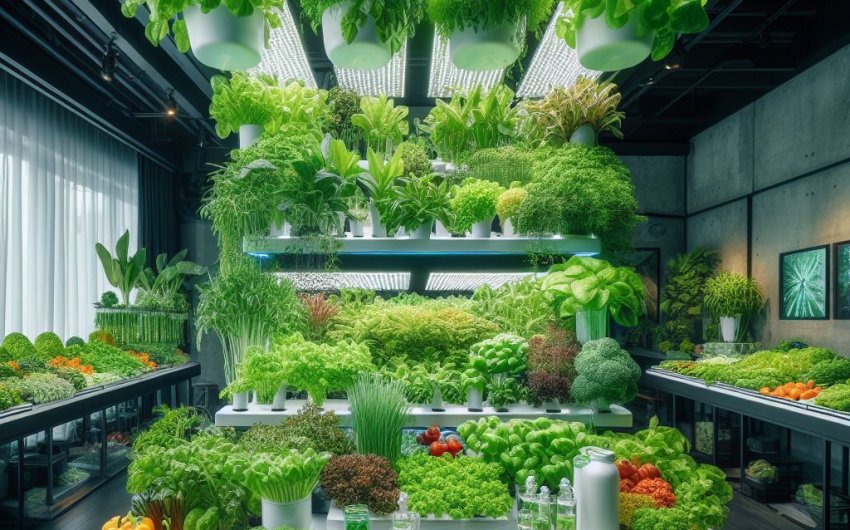
To cultivate a thriving indoor garden oasis with impressive yields, focus on incorporating 10 must-try hydroponic plants known for their rapid growth, high productivity, and adaptability to soilless systems. These selections will provide a continuous harvest of fresh herbs, leafy greens, and even some fruits, making your hydroponic journey incredibly rewarding.
What Makes a Plant Ideal for Hydroponic Growing?
To select the 10 must-try hydroponic plants for your indoor garden oasis, it's crucial to understand what makes a plant ideal for hydroponic growing. Specific characteristics allow certain species to thrive in soilless systems, delivering superior results.
Why Do Some Plants Grow Faster in Hydroponics?
Some plants grow faster in hydroponics primarily due to the direct and optimized delivery of essential nutrients and oxygen to their root systems. This efficient nutrient uptake allows plants to expend less energy on foraging and more on growth, leading to accelerated development.
- Direct Nutrient Access: In hydroponics, plant roots are either constantly bathed in or regularly exposed to a precisely balanced nutrient solution. This means plants don't have to "search" for food, enabling faster absorption.
- Optimal Oxygenation: Hydroponic systems are designed to provide abundant oxygen to the root zone (e.g., through air pumps, ebb and flow). Roots require oxygen for respiration, and ample supply prevents stress and promotes rapid growth.
- Reduced Energy Expenditure: Without soil, roots don't need to push through dense soil particles. This saves energy that can then be redirected to shoot and leaf development.
- Absence of Soil-Borne Issues: The lack of soil eliminates soil-borne pests, diseases, and weeds, which typically compete for resources or stress plants in traditional gardening.
- Controlled Environment: Indoor hydroponic setups allow for precise control over light, temperature, humidity, and nutrient levels, optimizing every factor for maximum growth rates.
This combination of direct nutrient access, superior oxygenation, and reduced stress enables certain plants to thrive and grow at significantly accelerated rates in hydroponic systems.
What are the Key Characteristics of High-Performing Hydroponic Plants?
Key characteristics of high-performing hydroponic plants involve their growth habit, nutrient requirements, and adaptability to water-based environments. These traits ensure they integrate seamlessly into soilless systems and deliver consistent, abundant harvests for your indoor garden oasis.
- Rapid Growth Rate: Plants that mature quickly allow for frequent harvests and a faster return on your investment of time and resources.
- Compact Growth Habit: Ideal for indoor spaces, as plants don't become excessively large or sprawling. Bushy or vining plants that can be easily trellised are good.
- High Water/Nutrient Needs: Plants that naturally love consistent moisture and are heavy feeders often perform exceptionally well because hydroponics provides exactly that.
- Shallow/Fibrous Root Systems: Plants with less aggressive or smaller root systems are easier to manage in confined hydroponic channels or net pots.
- Tolerance to Root Disturbance: While careful transplanting is always best, plants that can handle some root manipulation are more forgiving.
- Productivity with Frequent Harvesting: "Cut-and-come-again" leafy greens and herbs are ideal for continuous yields.
- Minimal Pollination Requirements (for fruiting plants): Self-pollinating or easy-to-hand-pollinate fruiting plants are best for indoor setups.
Selecting plants with these characteristics ensures a rewarding and productive hydroponic gardening experience.
What Are the 10 Must-Try Hydroponic Plants for Your Indoor Garden Oasis?
To create a vibrant indoor garden oasis with delicious and productive harvests, here are 10 must-try hydroponic plants specifically chosen for their ease of growth, high yields, and suitability for soilless systems. These are perfect for beginners and seasoned growers alike.
1. Lettuce (Leafy Varieties): The Hydroponic Champion
Lettuce (especially leafy varieties) is the undisputed hydroponic champion, renowned for its incredibly fast growth, continuous harvests, and adaptability to various soilless systems. It's a top choice for any indoor garden oasis.
- Why it's a Must-Try:
- Rapid Growth: Often ready for harvest in as little as 3-4 weeks from seed.
- "Cut-and-Come-Again": Harvest outer leaves repeatedly, and the plant will keep producing.
- Space-Efficient: Compact growth, ideal for tight spaces and vertical systems.
- Low Light Needs: Tolerates lower light levels than fruiting plants, making it perfect for indoor setups.
- Easy to Grow: Very forgiving for beginners.
- Versatile: Wide range of varieties (butterhead, romaine, loose-leaf, red leaf).
- Ideal System: Deep Water Culture (DWC), Nutrient Film Technique (NFT), Kratky Method, Aeroponics, Flood and Drain. A hydroponic lettuce growing kit is an excellent starting point.
- Care Tip: Maintain pH 6.0-6.5 and EC around 1.0-1.4.
Fresh, crisp lettuce year-round is a major perk of hydroponic gardening.
2. Basil: The Aromatic Powerhouse
Basil is an aromatic powerhouse that thrives in hydroponics, producing abundant, flavorful leaves much faster than in soil, making it an essential herb for any indoor garden oasis.
- Why it's a Must-Try:
- Fast Growth: Rapidly produces lush foliage, ready for continuous harvesting.
- Prolific: Regular harvesting encourages bushier growth and more leaves.
- High Demand: A staple culinary herb used frequently.
- Fragrant: Fills your indoor space with its sweet, herbaceous aroma.
- Ideal System: DWC, NFT, Wick System, Flood and Drain. A hydroponic herb garden kit often includes basil.
- Care Tip: Maintain pH 5.5-6.5 and EC around 1.0-1.6. Pinch off flower buds to encourage leaf production.
Homegrown basil ensures your pestos, salads, and Italian dishes always have the freshest flavor.
3. Mint: Easy, Vigorous, and Versatile
Mint is an incredibly easy, vigorous, and versatile herb that absolutely thrives in hydroponics, making it an excellent addition to your indoor garden oasis. Its contained growth in soilless systems prevents its invasive nature often seen in soil.
- Why it's a Must-Try:
- Aggressive Growth: Grows extremely fast and produces abundant foliage.
- Container Control: Hydroponics brilliantly contains its aggressive root system, preventing it from taking over your garden.
- Low Maintenance: Very forgiving, requiring minimal fuss.
- Culinary Versatility: Perfect for teas, cocktails, desserts, and savory dishes.
- Ideal System: DWC, NFT, Wick System, Flood and Drain.
- Care Tip: Maintain pH 6.0-7.0 and EC around 1.0-1.8. Harvest frequently to encourage new growth.
Fresh mint for mojitos or teas is always just a snip away with hydroponics.
4. Spinach: Nutrient-Packed and Speedy
Spinach is a nutrient-packed and speedy leafy green that excels in hydroponic systems, offering continuous harvests of healthy foliage. Its quick growth cycle makes it perfect for consistent production in your indoor garden oasis.
- Why it's a Must-Try:
- Fast Growth: Quickly produces tender, edible leaves.
- Continuous Harvest: Like lettuce, you can harvest outer leaves repeatedly.
- Nutritious: Rich in vitamins and minerals.
- Cooler Tolerant: Tolerates slightly cooler nutrient solution temperatures, though still prefers room temp.
- Ideal System: DWC, NFT, Kratky Method.
- Care Tip: Maintain pH 6.0-7.0 and EC around 1.0-1.8. Harvest regularly to prevent bolting.
Fresh spinach salads or smoothies become effortless with hydroponics.
5. Kale: Hardy and Healthy Greens
Kale is a hardy and healthy leafy green that adapts wonderfully to hydroponics, providing a continuous supply of nutritious foliage, making it a staple for a health-conscious indoor garden oasis.
- Why it's a Must-Try:
- Nutrient-Dense: One of the most nutritious vegetables.
- Continuous Harvest: Outer leaves can be harvested, and the plant will continue to grow from the center.
- Versatile: Great for salads, smoothies, and cooking.
- Relatively Pest-Free: Less prone to common outdoor pests in a controlled indoor environment.
- Ideal System: DWC, NFT, Flood and Drain.
- Care Tip: Maintain pH 5.5-6.5 and EC around 1.5-2.0. Provide adequate light for robust growth.
Hydroponic kale makes superfood green smoothies a daily reality.
6. Strawberries: Sweet Treats, Clean Harvest
Strawberries are a delightful and rewarding must-try hydroponic plant, producing sweet, clean fruit with impressive yields in a contained environment, perfect for fresh snacking in your indoor garden oasis.
- Why it's a Must-Try:
- Clean Fruit: No more dirt or slugs on your berries!
- High Yields: Can be very productive, especially in vertical hydroponic systems.
- Delicious: Fresh, homegrown strawberries are a true treat.
- Aesthetic Appeal: Beautiful trailing plants with white flowers and red fruit.
- Ideal System: NFT, Drip System, Aeroponics, vertical systems like Towers. A hydroponic strawberry tower is perfect.
- Care Tip: Maintain pH 5.8-6.2 and EC around 1.4-2.0. Requires good light. Manual pollination (gentle brushing of flowers) is often necessary indoors. Use June-bearing or ever-bearing varieties.
Fresh strawberries year-round become a reality with hydroponic gardening.
7. Cherry Tomatoes: Prolific and Compact Fruiting
Cherry tomatoes are an excellent must-try hydroponic plant for those wanting to grow fruiting vegetables indoors, as they are prolific and often have a more compact growth habit, making them manageable for your indoor garden oasis.
- Why it's a Must-Try:
- High Yields: Can produce abundant, delicious cherry tomatoes.
- Relatively Compact: Bush or determinate cherry tomato varieties are easier to manage than larger indeterminate types.
- Fresh Flavor: Nothing beats homegrown tomatoes.
- Educational: A rewarding challenge for beginners.
- Ideal System: Drip System, DWC, Flood and Drain, Dutch Buckets.
- Care Tip: Requires strong full-spectrum grow lights. Maintain pH 5.5-6.5 and EC 2.0-3.0. Provide sturdy support (trellis or stake) and prune regularly. Manual pollination (gently shaking flowers) is necessary indoors.
Harvesting fresh cherry tomatoes from your indoor hydroponic system is incredibly satisfying.
8. Bell Peppers: Colorful and Continuous Harvest
Bell peppers are a colorful and rewarding must-try hydroponic plant, offering a continuous harvest of crisp, fresh fruits, perfect for adding zest to your meals in your indoor garden oasis.
- Why it's a Must-Try:
- High Yields: Can produce multiple peppers per plant.
- Delicious and Versatile: Great for cooking, salads, or snacking.
- Manageable Size: Bush varieties are well-suited for indoor hydroponics.
- Ideal System: Drip System, DWC, Flood and Drain, Dutch Buckets.
- Care Tip: Requires strong full-spectrum grow lights. Maintain pH 5.5-6.5 and EC 1.8-2.5. Provide support and prune for optimal fruit production. Manual pollination is necessary indoors.
Growing your own vibrant bell peppers is a fantastic way to elevate your cooking.
9. Radishes: Speedy Root Vegetables
Radishes are a surprisingly speedy and satisfying must-try hydroponic plant, delivering crisp, flavorful root vegetables in a very short time, adding diversity to your indoor garden oasis.
- Why it's a Must-Try:
- Extremely Fast: Ready for harvest in as little as 3-4 weeks.
- Compact: Small root vegetables don't require deep systems.
- Unique Addition: A fun alternative to leafy greens.
- Ideal System: NFT (with roots exposed), DWC (with some medium above water line), Flood and Drain (with inert medium).
- Care Tip: Maintain pH 6.0-7.0 and EC around 1.0-1.8. Ensure the radish root can develop partially out of the nutrient solution.
Fresh, peppery radishes are a quick and easy win for hydroponic gardening.
10. Cucumbers (Bush/Dwarf Varieties): Rapid Vining
Cucumbers, especially bush or dwarf varieties, are a must-try hydroponic plant known for their rapid vining growth and prolific fruit production, offering fresh, crisp cucumbers for your indoor garden oasis.
- Why it's a Must-Try:
- Fast Growth: Grow extremely quickly, producing fruit rapidly.
- High Yields: Can produce many cucumbers per plant.
- Clean Harvest: No soil contact means clean, ready-to-eat cukes.
- Ideal System: Drip System, DWC, Flood and Drain, Dutch Buckets.
- Care Tip: Requires strong full-spectrum grow lights. Maintain pH 5.5-6.5 and EC 1.8-2.4. Provide sturdy vertical support (trellis) early on. Manual pollination is often needed indoors for non-parthenocarpic varieties.
Fresh, homegrown cucumbers add a refreshing touch to salads and snacks.
How Do You Set Up and Maintain Your Hydroponic Indoor Garden Oasis?
To ensure your indoor garden oasis thrives with these 10 must-try hydroponic plants, proper setup and consistent maintenance are crucial. These steps lay the foundation for successful hydroponic gardening.
What are Essential Setup Considerations?
Essential setup considerations for your hydroponic indoor garden oasis involve strategic choices regarding your system, light, and environmental controls. These foundational decisions impact the overall success and longevity of your garden.
- System Choice: Based on the plants you want to grow (leafy vs. fruiting) and your effort level (passive vs. active), select one of the easy systems like DWC, Wick, or NFT. Consider a hydroponic starter kit for beginners.
- Location: Choose a dedicated space indoors with stable temperatures (65-75°F / 18-24°C) and away from direct drafts. Garage, basement, spare room, or a dedicated corner.
- Light Source: Invest in quality full-spectrum LED grow lights and an outlet timer to automate light cycles. This is non-negotiable for indoor growing.
- Water Access: Ensure easy access to a water source for mixing nutrient solutions and topping off reservoirs.
- Power Access: Hydroponic systems (except Wick) require electricity for pumps and lights.
- Work Surface: A clean, dedicated area for mixing nutrients, monitoring pH, and handling plants.
- Ventilation: Good air circulation in your grow space is important to prevent stagnant air, manage humidity, and deter pests. A small fan can help.
Thoughtful setup creates the optimal environment for your 10 must-try hydroponic plants.
How Do You Prepare and Monitor Nutrient Solutions?
Preparing and monitoring nutrient solutions correctly is the most critical ongoing task in hydroponic gardening, directly impacting plant health, growth rate, and yield. Precision is paramount for soilless success.
- Initial Mix:
- Cleanliness: Always start with a clean reservoir and fresh, non-chlorinated water.
- Follow Instructions: Carefully follow the manufacturer's instructions for your specific hydroponic nutrient solution.
- Mix Separately: If using a multi-part nutrient system, always add each part to the water separately, mixing thoroughly after each addition. Never mix concentrates together.
- Dilution: Start with a diluted solution for young plants and gradually increase.
- pH Monitoring:
- Frequency: Check the pH of your solution daily or every other day.
- Optimal Range: Most plants prefer a pH range of 5.5-6.5.
- Adjustments: Use specialized pH Up and pH Down solutions sparingly. Add, mix, and re-test.
- EC/TDS Monitoring:
- Frequency: Check the EC (Electrical Conductivity) or TDS (Total Dissolved Solids) of your solution daily or every other day.
- Optimal Range: This varies by plant species and growth stage. Refer to specific plant charts.
- Adjustments: If EC/TDS is too low (plants consuming more nutrients than water), add a small amount of diluted nutrient solution. If too high (plants consuming more water than nutrients), dilute with fresh water.
- Reservoir Changes: Replace your entire nutrient solution every 7-14 days. This prevents nutrient imbalances and pathogen buildup. Clean the reservoir thoroughly.
Consistent and accurate nutrient solution management is the heart of hydroponic gardening success.
How Do You Prevent and Treat Pests and Diseases in Hydroponics?
Preventing and treating pests and diseases in hydroponics is generally easier than in soil, but still requires vigilance due to the rapid spread that can occur in controlled environments. Proactive measures are key to protecting your indoor garden oasis.
- Prevention (Most Important!):
- Sterile Starting Materials: Use sterile growing mediums and clean equipment.
- Quarantine: Isolate new plants or seedlings for 2-4 weeks.
- Cleanliness: Keep your grow space meticulous. Remove plant debris.
- Air Circulation: Use small fans to deter pests and fungal issues.
- No Soil: Never bring soil into the hydroponic area.
- Monitoring: Regularly inspect plants (top/bottom of leaves, stems, roots) for early signs of pests. Use yellow sticky traps for hydroponics to catch flying insects.
- Common Hydroponic Pests: Aphids, spider mites, whiteflies, thrips, fungus gnats.
- Common Hydroponic Diseases: Pythium (root rot) due to lack of oxygen or high water temps.
- Natural Treatments (First Line of Defense):
- Physical Removal: Hand-picking, wiping leaves, strong water spray.
- Insecticidal Soap/Neem Oil: Apply to foliage (not into reservoir).
- Beneficial Microbes: For root rot, introduce beneficial bacteria (e.g., Bacillus subtilis).
- Root Zone Management: Ensure sufficient oxygen in the solution and maintain optimal water temperature (68-72°F / 20-22°C).
- Reservoir Management: Clean and sterilize your reservoir and change nutrient solutions regularly to prevent pathogen buildup.
Proactive prevention and quick, targeted intervention are key to managing pests and diseases in hydroponic gardening.
How Do You Harvest and Enjoy Your Hydroponic Garden's Bounty?
The final, deeply satisfying stage of cultivating your indoor garden oasis is learning how to harvest and enjoy your hydroponic garden's bounty. The unique nature of soilless growing means clean, fresh produce ready for immediate consumption.
What are the Best Harvesting Techniques for Hydroponic Plants?
Best harvesting techniques for hydroponic plants emphasize continuous harvesting to encourage further production, while ensuring the cleanliness and freshness of your produce. The absence of soil simplifies the process immensely.
- Leafy Greens (Lettuce, Kale, Spinach, Herbs):
- "Cut-and-Come-Again": For continuous harvests, cut off only the outer leaves, leaving the inner growth point and 1-2 inches of stem intact. The plant will regrow, providing multiple harvests.
- Full Head Harvest: For a single-use, cut the entire plant at the base.
- Frequency: Harvest regularly, often daily or every few days, to encourage more production and prevent bitterness or bolting.
- Fruiting Vegetables (Tomatoes, Peppers, Strawberries, Cucumbers):
- Harvest Ripe: Pick fruit when it reaches its full color, size, and desired ripeness. Gently test for ripeness – it should detach easily.
- Use Clean Shears: Use small, clean pruning shears to cut fruit from the plant, avoiding tearing stems or damaging the plant.
- Regular Harvesting: Harvest frequently to encourage the plant to produce more fruit. Leaving ripe fruit on the plant can signal it to slow down production.
- Root Vegetables (Radishes):
- Check Size: Gently feel the top of the root or pull one to check its size.
- Harvest Entire Plant: Typically, the entire radish plant is harvested at once.
- Cleanliness: Hydroponic produce is inherently cleaner than soil-grown produce. A quick rinse under cool water is usually all that's needed.
- Timing: Harvest in the morning for best flavor and turgidity.
Proper harvesting ensures a continuous and high-quality yield from your hydroponic gardening efforts, maximizing the delicious output of your 10 must-try hydroponic plants.
How Fresh and Flavorful is Homegrown Hydroponic Produce?
Homegrown hydroponic produce is remarkably fresh and flavorful, often surpassing store-bought options in crispness, vibrancy, and taste. The immediate access from your indoor garden oasis to your plate makes all the difference.
- Peak Freshness: Harvested just moments before consumption, hydroponic produce retains its optimal crispness, texture, and nutritional value. It avoids the degradation that occurs during transport and storage of commercial produce.
- Intense Flavor: Many gardeners report that hydroponic herbs and vegetables have a more vibrant and intense flavor compared to store-bought varieties. This is partly due to the precise nutrient delivery and harvesting at peak ripeness.
- Cleanliness: The absence of soil means produce is inherently cleaner, often requiring just a quick rinse, preserving delicate textures and flavors.
- Year-Round Availability: Enjoying fresh basil in winter or ripe cherry tomatoes in spring provides a culinary advantage not possible with seasonal outdoor gardening.
- Customization: You can grow specific heirloom or gourmet varieties known for their exceptional flavor, not just those bred for shipping.
The unparalleled freshness and rich flavor of hydroponic produce make it a gourmet addition to any kitchen, demonstrating the delicious rewards of getting started with soilless success.
What are Creative Culinary Uses for Your Hydroponic Harvest?
Your abundant hydroponic harvest opens up a world of creative culinary uses, providing fresh, flavorful ingredients that can elevate everyday meals and inspire new recipes in your indoor garden oasis.
- Leafy Greens (Lettuce, Kale, Spinach, Arugula):
- Salads: Create endless fresh salads.
- Smoothies: Boost nutritional content of morning smoothies.
- Wraps/Sandwiches: Use as fresh, crisp components.
- Sautéed Greens: Quickly sauté kale or spinach for a healthy side.
- Pesto/Sauces: Use basil, mint, or cilantro for vibrant homemade pestos, chutneys, or sauces.
- Herbs (Basil, Mint, Cilantro, Parsley):
- Fresh Seasoning: Add to almost any dish – pasta, eggs, grilled meats, soups, stews.
- Teas/Infusions: Brew fresh mint or basil tea.
- Cocktails/Mocktails: Garnish drinks with fresh mint or basil.
- Flavored Oils/Vinegars: Infuse olive oil with fresh herbs.
- Fruiting Vegetables (Tomatoes, Peppers, Cucumbers, Strawberries):
- Snacking: Enjoy fresh, ripe fruit straight from the plant.
- Salads: Add to salads for bursts of flavor.
- Salsas/Sauces: Use tomatoes and peppers for fresh salsas.
- Desserts: Fresh strawberries are perfect on their own or with cream.
- Stir-fries/Sautéing: Incorporate peppers and cucumbers into cooked dishes.
- Root Vegetables (Radishes):
- Salads: Add a peppery crunch to salads.
- Snacking: Enjoy raw with a sprinkle of salt.
The continuous availability of diverse, clean, and flavorful produce from your hydroponic gardening system transforms your kitchen into a hub of culinary creativity. By selecting these 10 must-try hydroponic plants, you are well on your way to creating a thriving and delicious indoor garden oasis that redefines what's possible in home gardening.