
The Beginner's Guide to Hydroponic Gardening: Getting Started with Soilless Success
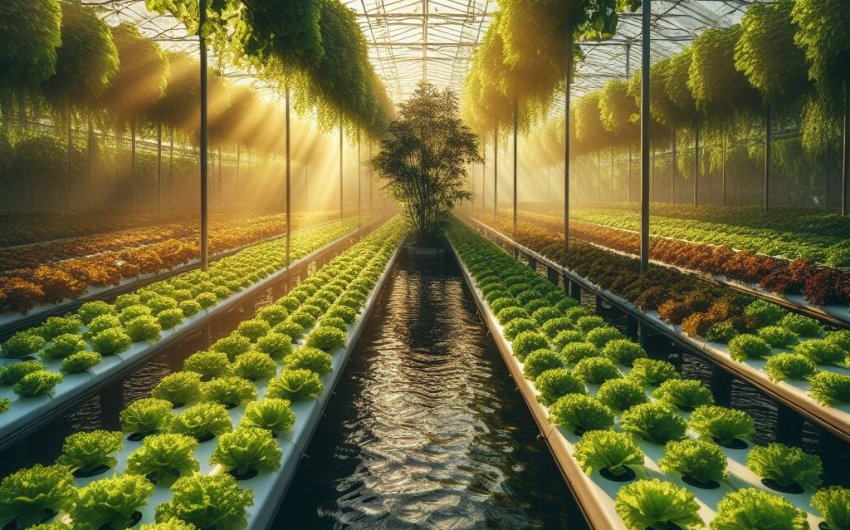
To begin hydroponic gardening and achieve soilless success, beginners should focus on understanding the fundamental principles of growing plants without soil, selecting a simple starter system, and meticulously managing nutrient solutions. This beginner's guide will demystify the process of getting started with soilless success, helping you cultivate thriving plants with confidence.
What Exactly is Hydroponic Gardening?
Hydroponic gardening is a revolutionary method of growing plants without soil, instead using mineral nutrient solutions dissolved in water to deliver all the necessary elements directly to the plant roots. Understanding this fundamental concept is the first step in getting started with soilless success.
How Does Hydroponics Work Without Soil?
Hydroponics works without soil by providing plants with all their essential nutrients directly through a precisely balanced water solution, rather than relying on soil to hold and release these elements. The nutrient solution is the lifeblood of the plant.
- Nutrient Solution: Plants don't actually get "food" from soil; they absorb mineral nutrients dissolved in water. In hydroponics, these essential macro and micronutrients are directly dissolved in water, bypassing the soil medium entirely.
- Root Access: Plant roots are either suspended directly in this nutrient solution or grown in an inert medium (like rockwool or coco coir) that holds the roots and wicks the solution. This direct access means plants don't have to expend energy searching for nutrients.
- Oxygenation: Since roots also need oxygen, hydroponic systems typically ensure the nutrient solution is highly oxygenated (e.g., through air pumps, deep water culture, or ebb and flow systems).
- No Soil-Borne Issues: Eliminates soil-borne pests, diseases, and weeds, which simplifies plant care.
- Water Efficiency: Hydroponic systems can use significantly less water than traditional soil gardening because water is recirculated and evaporation is minimized.
This direct and controlled delivery of nutrients is the core principle behind getting started with soilless success in hydroponic gardening.
What are the Key Benefits of Hydroponic Gardening?
Hydroponic gardening offers numerous key benefits that make it an attractive option for modern growers, ranging from increased yield and faster growth to greater water efficiency and year-round cultivation. These advantages highlight why many are getting started with soilless success.
- Faster Growth and Higher Yields: Plants in hydroponic systems often grow 25-50% faster and produce significantly higher yields. This is because roots have direct access to nutrients and oxygen, meaning less energy is expended on root growth and nutrient foraging.
- Water Conservation: Hydroponic systems can use up to 90% less water than traditional soil gardening. Water is recirculated, and evaporation is minimized, making it highly efficient.
- Space Efficiency: Hydroponic systems can be stacked vertically (vertical farms) or designed for small spaces, making them ideal for urban areas, apartments, or indoor growing.
- No Weeds: Without soil, there are no weeds! This saves immense time and effort.
- Fewer Pests and Diseases: The controlled environment and absence of soil drastically reduce the risk of soil-borne pests and diseases.
- Year-Round Growing: Indoors, hydroponics allows for year-round cultivation, regardless of climate, with the help of artificial lighting.
- Precise Control: Growers have complete control over nutrient delivery, pH, and environmental factors, allowing for optimized plant growth.
- Cleanliness: Hydroponic systems are typically cleaner and less messy than soil gardening.
These powerful benefits make hydroponic gardening a highly efficient and sustainable way of growing plants.
What are the Common Misconceptions About Hydroponics?
Despite its growing popularity, common misconceptions about hydroponics still exist, often deterring beginners from getting started with soilless success. Addressing these myths helps clarify the reality of this innovative gardening method.
| Misconception | Reality |
|---|---|
| "Hydroponic plants are less nutritious." | Not true. Hydroponic plants can be just as, if not more, nutritious than soil-grown plants because their nutrient intake is precisely controlled and optimized. |
| "Hydroponics is unnatural or uses chemicals." | Hydroponics is a natural process; plants are simply grown in water, not soil. Nutrients are minerals, the same ones plants absorb from soil. You can use organic hydroponic nutrients. |
| "Hydroponics is difficult or only for experts." | While advanced systems can be complex, there are many simple, beginner-friendly hydroponic systems that are easy to set up and maintain. |
| "Hydroponics is very expensive to start." | While large commercial setups are costly, small home systems can be built affordably with DIY materials or purchased as inexpensive starter kits. |
| "Hydroponic plants taste different." | The taste of hydroponic plants is primarily influenced by genetics and nutrient balance, not the growing method itself. Many find them flavorful. |
| "You can't grow fruiting plants in hydroponics." | Many fruiting plants like tomatoes, peppers, and strawberries thrive in hydroponics. |
By debunking these myths, beginners can approach hydroponic gardening with accurate information and confidence.
What Are the Easiest Hydroponic Systems for Beginners?
For beginners looking to dive into hydroponic gardening, choosing an easy system is crucial for building confidence and achieving soilless success. These simple setups require minimal technical expertise and are often quite affordable to start.
What is the Deep Water Culture (DWC) System?
The Deep Water Culture (DWC) system is one of the easiest and most popular hydroponic systems for beginners, primarily because of its simple design and low maintenance. Plants roots are suspended directly in a nutrient-rich, oxygenated water solution.
- How it Works:
- A plant (often in a net pot with an inert growing medium like rockwool or coco coir) is suspended so its roots are submerged directly into a reservoir of nutrient solution.
- An air pump and air stone continuously oxygenate the nutrient solution, preventing root rot.
- The nutrient solution provides all the necessary water and minerals.
- Pros:
- Simple Setup: Few moving parts, easy to build DIY.
- Low Cost: Can be very affordable, especially with repurposed containers.
- Fast Growth: Roots have direct access to oxygenated nutrients.
- Beginner-Friendly: Easy to monitor and maintain.
- Cons:
- Requires Air Pump: Needs electricity for the air pump.
- pH Fluctuation: Nutrient solution pH can fluctuate more quickly due to less buffering from growing medium.
- Less Suitable for Large Plants: Can be challenging for very large, long-lived plants, or plants that need a lot of support.
- Best for: Leafy greens (lettuce, spinach), herbs (basil, mint), some small fruiting plants (strawberries). A DWC hydroponic system kit is a great starter.
DWC is an excellent entry point for getting started with soilless success in hydroponic gardening.
What is the Wick System and Why is it Easy?
The Wick System is arguably the easiest hydroponic system for beginners because it uses capillary action to deliver nutrient solution passively to plants, requiring no pumps or electricity. Its simplicity makes it ideal for a very low-maintenance approach.
- How it Works:
- Plants are grown in a top container filled with a growing medium (e.g., coco coir, perlite, vermiculite).
- Wicks (made of felt, nylon rope, or similar absorbent material) extend from the growing medium down into a reservoir of nutrient solution located below.
- The wicks draw the nutrient solution up to the roots via capillary action.
- Pros:
- Extremely Simple: No pumps, electricity, or moving parts.
- Low Cost: Easy to build DIY with readily available materials.
- Very Low Maintenance: Just refill the reservoir periodically.
- Silent: No noise from pumps.
- Cons:
- Slower Growth: Growth rates are generally slower than active hydroponic systems because nutrient delivery is less optimized.
- Limited Plant Selection: Best for smaller, non-fruiting plants that don't need a lot of water or nutrients. Not suitable for heavy feeders.
- Salt Buildup: Can experience salt buildup in the growing medium over time.
- Best for: Herbs, lettuce, small decorative plants. A hydroponic wick system kit offers a plug-and-play option.
The Wick System is perfect for those who want a truly hands-off introduction to hydroponic gardening.
What is the Nutrient Film Technique (NFT) System?
The Nutrient Film Technique (NFT) system is a popular and efficient hydroponic system that's a good choice for slightly more experienced beginners, especially for leafy greens. It involves a continuous, shallow stream of nutrient solution flowing over the plant roots.
- How it Works:
- Plants (in net pots) are placed in channels (often PVC pipes or gutters) with a slight slope.
- A pump continuously circulates nutrient solution from a reservoir to the high end of the channels.
- The solution flows as a thin "film" over the roots, then drains back into the reservoir. Roots sit in this film and are largely exposed to air for oxygenation.
- Pros:
- Efficient: Excellent growth rates for leafy greens and herbs.
- Water-Saving: Recirculates water efficiently.
- Good Oxygenation: Roots are exposed to plenty of air.
- Scalable: Can be built as small home systems or large commercial operations.
- Cons:
- Requires Pump: Needs electricity for continuous operation.
- Vulnerable to Power Outages: Roots can dry out quickly if the pump fails.
- pH/Nutrient Monitoring: Requires consistent monitoring of the nutrient solution.
- Less Suitable for Large Plants: Can be challenging for large, heavy fruiting plants that need extensive root support.
- Best for: Lettuce, kale, spinach, herbs. A hydroponic NFT system kit can get you started.
NFT is an excellent system for those ready for a slightly more active approach to getting started with soilless success.
What Do You Need to Get Started with Hydroponics?
To begin your hydroponic gardening journey, you need a few key components that form the foundation of any soilless system. Gathering these supplies is the practical first step to getting started with soilless success.
What are Essential Hydroponic Nutrients?
Essential hydroponic nutrients are specially formulated mineral salts dissolved in water, providing all the necessary elements plants need for growth without soil. These are the "food" for your plants and are crucial for success.
- Complete Hydroponic Formulas:
- Macro and Micro Nutrients: Unlike general fertilizers, hydroponic nutrients are complete formulas containing all 13 essential macro- (Nitrogen, Phosphorus, Potassium, Calcium, Magnesium, Sulfur) and micro-nutrients (Iron, Manganese, Zinc, Boron, Copper, Molybdenum, Chlorine).
- Chelated Micronutrients: Often include chelated micronutrients, meaning they are bound to organic molecules to keep them soluble and available to plants in a hydroponic solution.
- Two-Part or Three-Part Systems: Most hydroponic nutrients come in two or three separate bottles (e.g., "Grow," "Bloom," "Micro"). This prevents certain nutrients from reacting and precipitating out of solution when concentrated. Always mix them into water separately, never together in concentrate form.
- pH Stability: Quality hydroponic nutrients are designed to help maintain the pH of the solution.
- Organic Options: Organic hydroponic nutrients exist, often derived from plant-based extracts. They can be more challenging for beginners to balance.
- Purchasing: You can find hydroponic nutrient solutions from garden supply stores or online.
Always follow the manufacturer's instructions for mixing and dilution, as incorrect ratios can harm plants.
What Growing Mediums are Used in Hydroponics?
In hydroponics, various inert growing mediums are used to provide physical support for plants and help wick or hold nutrient solution, but they do not provide nutrients themselves. The choice depends on the system and plant type.
Common hydroponic growing mediums:
- Rockwool:
- Description: Made from spun molten rock, resembling cotton candy. Comes in cubes or slabs.
- Pros: Excellent water retention and aeration, sterile, easy to handle for starting seeds.
- Cons: Can be dusty, not biodegradable, initial pH adjustment needed.
- Rockwool cubes for hydroponics are popular for seedlings.
- Coco Coir (Coconut Coir):
- Description: Fibrous material made from coconut husks.
- Pros: Excellent water retention and aeration, pH neutral, renewable resource, biodegradable.
- Cons: Can vary in quality, needs proper rinsing/buffering before use.
- Coco coir bricks for hydroponics expand when wet.
- Perlite:
- Description: Lightweight, volcanic glass heated to expand into white, porous particles.
- Pros: Excellent aeration, very lightweight, sterile.
- Cons: Poor water retention (often mixed with other mediums), can be dusty.
- Vermiculite:
- Description: Hydrated laminar minerals expanded by heat.
- Pros: Good water retention, good aeration, sterile, light reflective.
- Cons: Can break down over time.
- Hydroton / Clay Pebbles (LECA - Lightweight Expanded Clay Aggregate):
- Description: Baked clay pellets.
- Pros: Excellent aeration, reusable, pH neutral, provides good root support.
- Cons: Poor water retention, can be heavy.
- Hydroton clay pebbles for hydroponics are durable.
Most beginners use rockwool or coco coir for starting seeds, often transferring them to net pots for the chosen hydroponic system.
What Other Essential Tools and Equipment Do You Need?
Beyond nutrients and growing mediums, several other essential tools and equipment are needed to successfully get started with hydroponic gardening, especially for managing the nutrient solution and plant environment.
Essential tools and equipment:
- pH Meter and pH Up/Down Solutions:
- pH Meter: A digital pH meter is crucial for accurately measuring the pH of your nutrient solution.
- pH Up/Down: Solutions used to adjust the pH into the optimal range (typically 5.5-6.5 for most plants).
- EC/TDS Meter:
- EC (Electrical Conductivity) or TDS (Total Dissolved Solids) Meter: Measures the concentration of dissolved nutrients in your solution. Essential for knowing if your plants are getting enough (or too much) food. A hydroponic EC TDS meter is a key tool.
- Reservoir: A light-proof container to hold your nutrient solution (prevents algae growth). For DWC, this is often the main system container.
- Air Pump, Air Stone, Air Tubing: For oxygenating the nutrient solution in DWC and other active systems.
- Net Pots: Small plastic mesh pots that hold the plant and growing medium, allowing roots to grow through into the nutrient solution.
- Grow Lights (for indoor growing): If growing indoors, full-spectrum LED grow lights are essential for plant growth.
- Timer: For automating grow lights and water pumps (if applicable).
- Measuring Cups/Syringes: For accurately measuring nutrient solutions and pH adjusters.
- Gardening Gloves: To protect hands.
Investing in quality versions of these essential tools will significantly improve your success in getting started with soilless success.
How Do You Start Seeds and Plant in a Hydroponic System?
Starting seeds and planting in a hydroponic system requires a slightly different approach than soil-based gardening, focusing on germinating in inert media and carefully transplanting into the hydroponic setup. These steps are fundamental for successful hydroponic gardening.
What is the Best Way to Start Seeds for Hydroponics?
The best way to start seeds for hydroponics is to germinate them in a small, inert, sterile growing medium that can easily be transferred into your hydroponic system. This ensures a clean start and minimal root disturbance.
- Growing Mediums for Seeds:
- Rockwool Cubes: Small rockwool cubes are very popular. They are sterile, hold moisture well, and allow roots to easily penetrate. Ensure you pre-soak them and adjust their pH before use.
- Coco Coir Pellets/Plugs: Compressed coco coir pellets or plugs (jiffy coco coir pellets) are also excellent, offering good aeration and water retention.
- Seed Starting Sponges: Specially designed sponges often used in aeroponic propagators.
- Germination Steps:
- Moisten Medium: Thoroughly moisten your chosen seed starting medium (e.g., rockwool cubes).
- Plant Seeds: Place 1-2 seeds into the pre-drilled hole or small depression in the medium. Do not plant too deep.
- Cover Lightly: Lightly cover seeds with a pinch of vermiculite or a small piece of the medium (some seeds need light to germinate).
- Humidity Dome (Optional): Place a clear humidity dome or plastic wrap over your seedling tray to maintain high humidity for germination.
- Light and Warmth: Provide gentle light (e.g., a low-intensity grow light) and consistent warmth (check seed packet for ideal temperature). A seedling heat mat can speed things up.
- Maintain Moisture: Keep the medium moist but not soggy.
- Nutrient Solution (Very Diluted): Once seeds sprout, you can start feeding them with a very diluted (1/4 strength) hydroponic nutrient solution.
This careful start ensures strong, healthy seedlings ready for your hydroponic system.
How Do You Transplant Seedlings into a Hydroponic System?
Transplanting seedlings into a hydroponic system requires careful handling to avoid damaging delicate roots, ensuring a smooth transition for the young plants. This step is crucial for uninterrupted growth in your hydroponic gardening setup.
- Prepare the System:
- Ensure your hydroponic system is clean and filled with a freshly mixed, appropriately diluted nutrient solution.
- Check the pH of the solution and adjust it to the optimal range (typically 5.5-6.5).
- Ensure air pumps (for DWC) or water pumps (for NFT) are working correctly.
- Select Healthy Seedlings: Choose strong, healthy seedlings with well-developed white roots. Avoid any that are stunted or have discolored roots.
- Place in Net Pots:
- Gently place the rockwool cube (or other seed starting medium) containing the seedling into a net pot.
- Fill any remaining space in the net pot with an inert medium like clay pebbles (Hydroton) or perlite to provide stability.
- Ensure the roots extend through the bottom of the net pot.
- Position in System:
- Place the net pot into the designated hole in your hydroponic system.
- DWC: Ensure the bottom of the net pot (and the roots) are submerged in the nutrient solution.
- NFT: Ensure the roots are in contact with the flowing film of nutrient solution.
- Wick System: Ensure the wick is in contact with the roots and extends down into the reservoir.
- Monitor Closely: For the first few days after transplanting, monitor your seedlings closely for any signs of transplant shock (wilting, yellowing). Provide gentle light and ensure the roots have good contact with the nutrient solution.
- Adjust Nutrients: Start with a diluted nutrient solution for young seedlings and gradually increase concentration as the plants grow and mature.
Careful transplanting minimizes stress and ensures your plants quickly adapt to their soilless environment.
How Do You Manage Nutrient Solution and Plant Health?
Managing the nutrient solution and ensuring optimal plant health are continuous tasks in hydroponic gardening, crucial for soilless success. Regular monitoring and adjustments keep your plants thriving and productive.
How Do You Mix and Maintain the Nutrient Solution?
Mixing and maintaining the nutrient solution correctly is paramount for hydroponic gardening, as this liquid is the sole source of hydration and nutrition for your plants. Precision and consistency are key to healthy growth.
- Mixing the Solution:
- Cleanliness: Always start with a clean reservoir and fresh, non-chlorinated water.
- Follow Instructions: Carefully follow the manufacturer's instructions for your specific hydroponic nutrient solution.
- Mix Separately: If using a two-part or three-part nutrient system, always add each part to the water separately, mixing thoroughly after each addition. Never mix concentrates together, as they can react and precipitate out of solution.
- Dilution: Start with a diluted solution for young plants (e.g., half strength) and gradually increase as they mature.
- Maintaining the Solution (Monitoring pH and EC/TDS):
- Monitor pH: Use a digital pH meter to check the pH of your solution daily or every other day.
- Optimal pH: Most plants prefer a pH range of 5.5-6.5 in hydroponics.
- Adjust pH: Use specialized pH Up and pH Down solutions to adjust as needed. Add very small amounts, mix, and re-test.
- Monitor EC/TDS: Use an EC/TDS meter to measure the nutrient concentration.
- Optimal Range: This varies significantly by plant species and growth stage. Refer to charts for specific plants.
- Adjust Concentration: If EC/TDS is too low, add more diluted nutrient solution. If too high, dilute with fresh water.
- Monitor pH: Use a digital pH meter to check the pH of your solution daily or every other day.
- Reservoir Changes: Replace your entire nutrient solution every 7-14 days. This prevents nutrient imbalances, pathogen buildup, and algae growth. Clean the reservoir thoroughly during changes.
- Top-Offs: As plants drink water, the nutrient concentration changes. Top off the reservoir with fresh water (if EC/TDS is rising) or a diluted nutrient solution (if EC/TDS is dropping).
Consistent and accurate nutrient solution management is the heart of successful hydroponic gardening.
How Do You Provide Optimal Lighting for Indoor Hydroponics?
Providing optimal lighting for indoor hydroponics is absolutely critical, as artificial light replaces the sun as the sole energy source for photosynthesis. Choosing the right lights and managing their duration is key for vigorous plant growth.
- Light Spectrum: Plants primarily use red and blue light for photosynthesis, but a full-spectrum LED grow light (full-spectrum LED grow light for hydroponics) that mimics natural sunlight is often best for overall plant health and growth.
- Light Intensity:
- Distance: Adjust the distance of your grow light from the plant canopy. Too close can scorch; too far can lead to leggy growth. Refer to the light manufacturer's recommendations for specific distances.
- Plant-Specific Needs: Different plants have different light intensity requirements (e.g., leafy greens need less than fruiting plants).
- Light Duration (Photoperiod):
- Vegetative Growth: For leafy greens and young plants, 14-18 hours of light per day is common.
- Flowering/Fruiting: For plants to flower and fruit, some may require a specific photoperiod (e.g., 12 hours of light, 12 hours of darkness) to induce blooming.
- Automation: Use an outlet timer for grow lights to automate your light schedule, ensuring consistency.
- Monitoring: Observe your plants for signs of light stress:
- Too Little Light: Leggy, pale, stretched growth.
- Too Much Light: Scorched leaves (brown, crispy edges/spots), bleaching.
Optimizing light is a primary driver of soilless success in hydroponic gardening.
How Do You Manage Pests and Diseases in Hydroponic Systems?
Managing pests and diseases in hydroponic systems is generally easier than in soil, but still requires vigilance because the controlled environment can sometimes lead to rapid spread if problems occur. Prevention is key.
- Prevention (Most Important!):
- Sterile Environment: Start with sterile growing mediums, clean equipment, and sanitized water.
- Quarantine New Plants: Isolate new plants or seedlings for at least 2-4 weeks before introducing them to your main system.
- Good Air Circulation: Use small oscillating fans to ensure good airflow around plants, deterring pests and fungal issues.
- Cleanliness: Keep your grow space meticulously clean. Remove any fallen leaves or debris from the reservoir or growing channels.
- Filter Intake Air: If using an outdoor air intake, use a filter to prevent pests from entering.
- Avoid Soil: Never bring soil into your hydroponic grow space, as it's a major source of pests and pathogens.
- Monitoring: Regularly inspect plants (top and bottom of leaves, stems, roots) for early signs of pests or disease. Use yellow sticky traps for hydroponics to monitor flying insects like fungus gnats or whiteflies.
- Common Hydroponic Pests: Aphids, spider mites, whiteflies, thrips, fungus gnats.
- Common Hydroponic Diseases: Pythium (root rot) is the most common.
- Natural Treatments (First Line of Defense):
- Physical Removal: Hand-picking larger pests, wiping leaves.
- Strong Water Spray: Can dislodge some pests.
- Insecticidal Soap/Neem Oil: Apply to foliage (not into the reservoir). Ensure good coverage.
- Beneficial Insects: Some beneficial insects can be effective in controlled hydroponic environments.
- For Root Rot: Maintain optimal water temperature (68-72°F / 20-22°C), sufficient oxygenation, and use beneficial microbes (e.g., Bacillus subtilis).
- Reservoir Management: Clean and sterilize your reservoir and change nutrient solutions regularly to prevent pathogen buildup.
Proactive prevention and quick, targeted intervention are key to managing pests and diseases in hydroponic gardening.
What Can You Grow in Your Hydroponic Garden?
One of the exciting aspects of hydroponic gardening is the wide variety of plants you can cultivate, often yielding impressive results. Knowing what you can grow helps you decide on the best system for your soilless success.
Which Leafy Greens and Herbs Thrive in Hydroponics?
Leafy greens and herbs are exceptionally well-suited to hydroponics and thrive with impressive speed and yield, making them ideal choices for beginners getting started with soilless success. They are often harvested repeatedly.
Popular leafy greens and herbs for hydroponics:
- Lettuce: All varieties (butterhead, romaine, loose-leaf, iceberg). Grows incredibly fast and yields multiple harvests.
- Kale: Tender and productive, can be harvested continuously.
- Spinach: Grows quickly, provides continuous harvests.
- Swiss Chard: Vibrant and productive.
- Arugula: Fast-growing, peppery greens.
- Basil: Extremely prolific and aromatic, grows rapidly.
- Mint: Grows vigorously, can be invasive in soil but controlled in hydroponics.
- Cilantro: Grows well, though can bolt quickly in hot conditions.
- Parsley: Grows consistently.
- Dill: Feathery and aromatic.
These plants generally have lower light requirements than fruiting plants, making them easier for indoor hydroponic setups. They are perfect for daily fresh harvests from your system.
Can You Grow Fruiting Vegetables in Hydroponics?
Yes, you can grow fruiting vegetables in hydroponics, often with higher yields and faster growth than in soil, making it a rewarding challenge for those getting started with soilless success. However, they usually require more light, support, and careful nutrient management.
Popular fruiting vegetables for hydroponics:
- Tomatoes: Many varieties, especially smaller determinate types or cherry tomatoes, thrive. Requires strong light, sturdy support (trellis), and careful pruning.
- Peppers (Sweet and Hot): Bell peppers, chili peppers, and other varieties are excellent. Needs strong light and support.
- Strawberries: Produce abundant, clean, and delicious fruit. Ideal for vertical systems.
- Cucumbers: Vining varieties grow very well but require sturdy support (trellis) as they grow quickly.
- Dwarf Eggplant: Can be grown successfully with strong light and support.
- Bush Beans: Smaller, bush varieties can be productive.
Fruiting plants often require a dedicated bloom/fruit nutrient formula during their reproductive stage and need careful pollination (manual or using beneficial insects indoors).
What About Root Vegetables and Larger Plants?
While more challenging than leafy greens, some root vegetables and larger plants can also be grown in hydroponics, expanding the diversity of your soilless garden. These often require specific system adaptations.
- Root Vegetables:
- Radishes: Grow very well in shallow NFT or raft systems where the root can develop above the nutrient solution.
- Carrots (Small/Round Varieties): Can be grown in deeper media-based systems (e.g., coco coir) or specialized aeroponic systems that allow root expansion.
- Beets: Similar to carrots, best for varieties with smaller root balls.
- Larger Plants:
- Squash/Melons (Bush/Dwarf Varieties): Can be grown in larger hydroponic systems (e.g., Dutch buckets, DWC) with strong trellising. These require a lot of space.
- Blueberries: Requires a very specific low pH. Can be grown in larger media-based systems.
Root vegetables are generally less common for beginners, but demonstrate the versatility of hydroponic gardening.
How Do You Harvest and Enjoy Your Hydroponic Produce?
The final, rewarding stage of hydroponic gardening is learning how to harvest and enjoy your produce. The unique aspects of soilless growing mean clean, fresh harvests that are often ready earlier and in greater abundance.
What are the Best Harvesting Techniques for Hydroponic Plants?
Best harvesting techniques for hydroponic plants emphasize continuous harvesting to encourage further production, while ensuring the cleanliness and freshness of your produce. The lack of soil simplifies the process.
- Leafy Greens (Lettuce, Kale, Spinach, Herbs):
- "Cut-and-Come-Again": For continuous harvests, cut off only the outer leaves, leaving the inner growth point intact. The plant will continue to produce new leaves.
- Full Head Harvest: For a single-use, cut the entire plant at the base.
- Frequency: Harvest regularly, often daily or every few days, to encourage more production and prevent bitterness or bolting.
- Fruiting Vegetables (Tomatoes, Peppers, Cucumbers, Strawberries):
- Harvest Ripe: Pick fruit when it reaches its full color and size, and is firm.
- Use Clean Shears: Use small, clean pruning shears to cut fruit from the plant, avoiding tearing stems.
- Regular Harvesting: Harvest frequently to encourage the plant to produce more fruit.
- Cleanliness: Hydroponic produce is inherently cleaner than soil-grown produce. A quick rinse under cool water is usually all that's needed.
- Timing: Harvest in the morning for best flavor and turgidity.
Proper harvesting ensures a continuous and high-quality yield from your hydroponic gardening efforts.
How Fresh and Clean is Hydroponic Produce?
Hydroponic produce is remarkably fresh and clean, often surpassing soil-grown counterparts in terms of cleanliness, as it never comes into contact with dirt. This makes it an attractive option for direct-to-plate consumption.
- No Soil Contamination: The most obvious advantage. Since there's no soil, there's no risk of soil particles, dirt, or soil-borne pathogens adhering to the leaves or roots.
- Reduced Washing: Hydroponic leafy greens and herbs typically require only a quick rinse under water (or no rinse at all) before consumption, saving time and water in the kitchen.
- Pest Control: The controlled environment of hydroponics generally leads to fewer pest issues, which means less (or no) need for pest control measures, resulting in cleaner produce.
- Optimal Nutrition/Flavor: Because nutrients are precisely controlled and always available, hydroponic plants can be highly nutritious and flavorful, often harvested at their peak.
- Extended Shelf Life: Clean, undamaged hydroponic produce often has a longer shelf life due to less contamination and damage during harvest.
The inherent cleanliness of hydroponic produce is a significant benefit for discerning growers, further highlighting the appeal of getting started with soilless success.
What are the Culinary Advantages of Homegrown Hydroponic Herbs and Greens?
The culinary advantages of homegrown hydroponic herbs and greens are substantial, offering unparalleled freshness, vibrant flavor, and immediate access to a continuous supply of ingredients. This makes them a chef's delight.
- Unbeatable Freshness: Harvested just moments before use, hydroponic herbs and greens are at their absolute peak of freshness, crispness, and nutrient content.
- Intense Flavor: Many gardeners find homegrown hydroponic herbs and greens to have a more vibrant and intense flavor compared to store-bought varieties that have traveled and sat on shelves.
- Continuous Availability: You have a ready supply of fresh herbs and greens year-round, regardless of outdoor weather. No more buying a bunch of basil only to have half of it wilt in the fridge!
- Customization: You can grow unique varieties not found in stores.
- Cost Savings: Significantly reduces your grocery bill for herbs and specialty greens.
- Cleanliness: Minimal washing required, saving time in the kitchen.
From salads and sandwiches to pestos and garnishes, the immediate availability of fresh, flavorful produce elevates everyday cooking. By following this beginner's guide to hydroponic gardening, you are well on your way to getting started with soilless success and enjoying a bountiful harvest of clean, fresh, and delicious produce year-round.